







Search Results for: conversion rate

Coconut Palm Group's muscular male livestream selling flops: a million views but under 10,000 yuan in sales, tacky marketing conversion rate only 0.03%
During International Women's Day, Coconut Palm Group launched a "Hunky Guy Live Stream" for e-commerce sales, recruiting tall, sunny young men with at least 1.8 meters in height, chest and abs muscles, offering a daily salary of up to 800 yuan. However, despite over a million viewers across two live streams, sales fell short of 30,000 yuan, with a conversion rate of only 0.03%, sparking widespread discussion online. Coconut Palm continues its signature "Coconut-style rustic" approach, from female anchors' awkward dances to male anchors' fitness routines, all set against an unchanging blue backdrop. This article reviews the event, netizens' analyses, and Coconut Palm's history with live stream e-commerce, and includes observations on brand marketing from Front Street Coffee's perspective. [more…]

What Exactly Do Coffee-to-Water Ratio and Coffee-to-Liquid Ratio Mean? A Clear Explanation of Two Key Parameters and Their Conversion Logic
In the brewing process of specialty coffee, the coffee-to-water ratio and the coffee-to-beverage ratio are two core concepts that cannot be avoided. Many people assume they are simply different names for the same thing, but in reality their calculation methods and applicable scenarios differ significantly. This article will start from the basic definitions of these ratios, first explaining the meaning and advantages of the coffee-to-water ratio, then delving into why the coffee-to-beverage ratio cannot be directly equated with the coffee-to-water ratio, and, combined with the water absorption rate of coffee grounds, provide a practical conversion method. Once you understand these two parameters, you will have clearer direction when adjusting your brewing recipe, and it will be easier to consistently reproduce your ideal flavor performance. [more…]
What is the difference between coffee-to-water ratio and coffee-to-liquid ratio in pour-over coffee? The calculation method and conversion logic explained clearly at once
Many friends who are just getting into pour-over coffee often confuse the coffee-to-water ratio with the coffee-to-beverage ratio, and as a result, the coffee they brew always tastes different from what they expected. In fact, although these two concepts differ by only one word, their meanings are completely different, and they cannot even be converted directly on an equal basis. Today, Front Street will explain these two measurement methods, first explaining what each of them represents, then clarifying how the coffee grounds' water absorption affects the final liquid weight, and offering a way to convert between the coffee-to-water ratio and the coffee-to-beverage ratio. Once you understand these, you will have a clearer direction when adjusting pour-over parameters, and it will be easier to consistently reproduce a delicious cup of coffee. [more…]
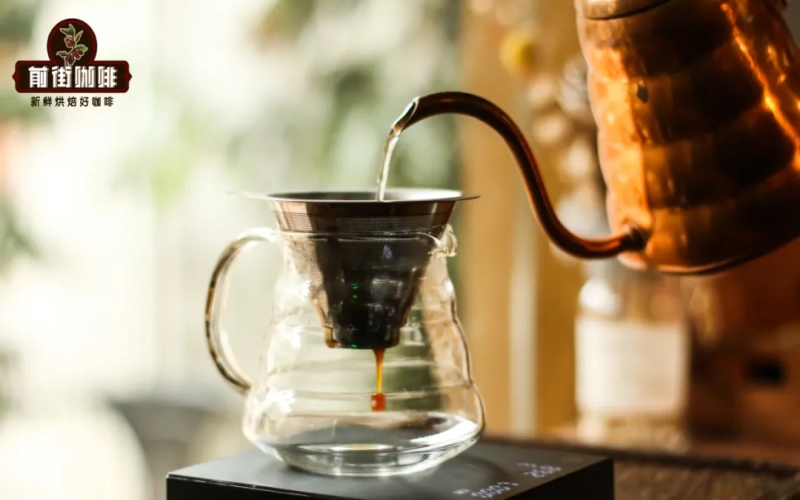
What Mesh Size Should You Choose for a Metal Pour-Over Coffee Filter? A Full Analysis of the Differences vs. Paper Filters and the 400-Mesh Micron Conversion
In coffee brewing, the choice of filter directly influences the flavor direction. Metal filters, with their unique pore size, retain coffee lipids and aromas while offering the advantages of being eco-friendly and cost-saving, but the issue of fine particles passing through cannot be ignored. In this article, Front Street will focus on a 400-mesh metal filter (corresponding to 38 microns), from analyzing its pros and cons to a practical brewing demonstration, explaining in detail how to maximize its strengths and avoid its weaknesses. Compared with paper filters, metal filters allow water to pass through faster, requiring adjustments to the pouring technique; when brewing Yirgacheffe Gudingding, the lipids brought a richer mouthfeel and a longer-lasting aftertaste. If you also want to try brewing with a metal filter, you might as well follow Front Street's steps to find out. [more…]
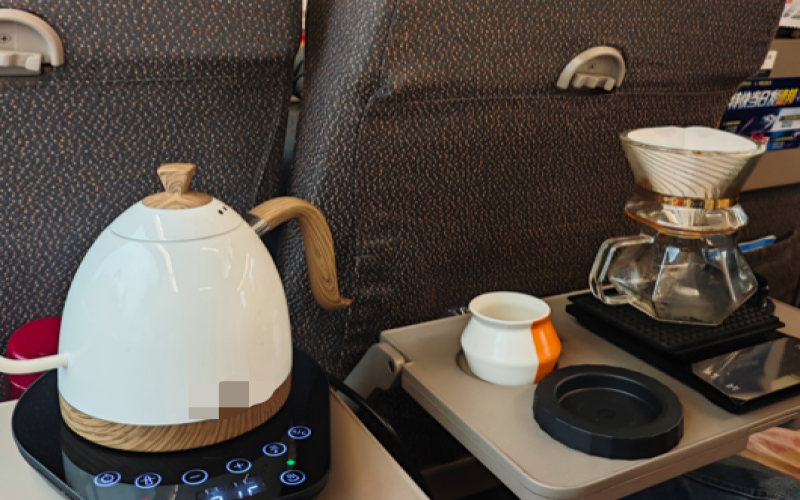
Brewing pour-over coffee with an electric kettle on a high-speed train sparks heated debate — how much do you know about the safety hazards?
During the Spring Festival return travel peak, a netizen on a high-speed train was approached by the young man sitting next to them, who surprisingly pulled out a full set of coffee equipment and used the tray table to boil water and make pour-over coffee. This romantic and novel experience quickly sparked heated discussion online, and the young man himself also posted a response, leading netizens to jokingly call it a "high-speed rail idol drama." However, beyond the gossip and fun, many users pointed out that the power outlets in high-speed train cars have limited wattage, so using a high-power electric kettle carries a risk of overloading, and the train's power supply is unstable, which may damage equipment, or even cause scalding if hot water is spilled when the person in front adjusts their seat. Coffee is good, but safety matters more. [more…]
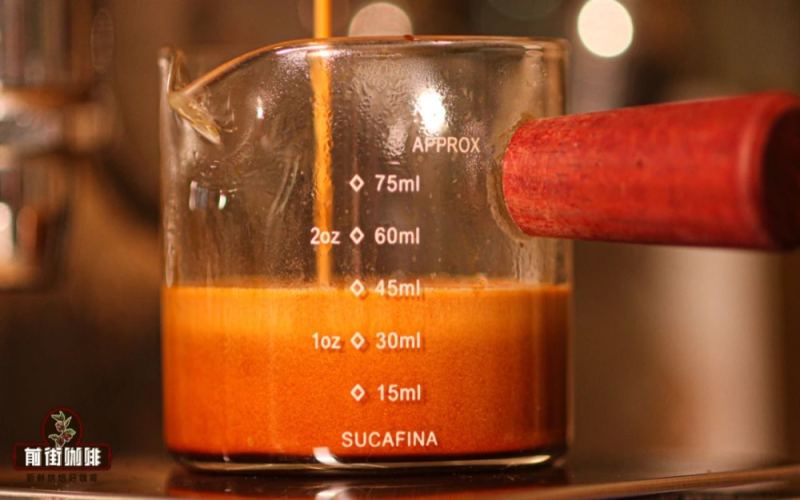
Espresso Extraction Yield | What Is Golden Cup Extraction? What Factors Affect the Flavor of Espresso Extraction? How Is Coffee Extraction Yield Calculated?
For more specialty coffee knowledge, please follow our WeChat public account: Front Street Coffee (FrontStreet Coffee). Those who have read Front Street's popular science articles may have noticed that Front Street rarely specifies exact extraction times the way it does when explaining pour-over coffee, because espresso extraction is about more than just [more…]
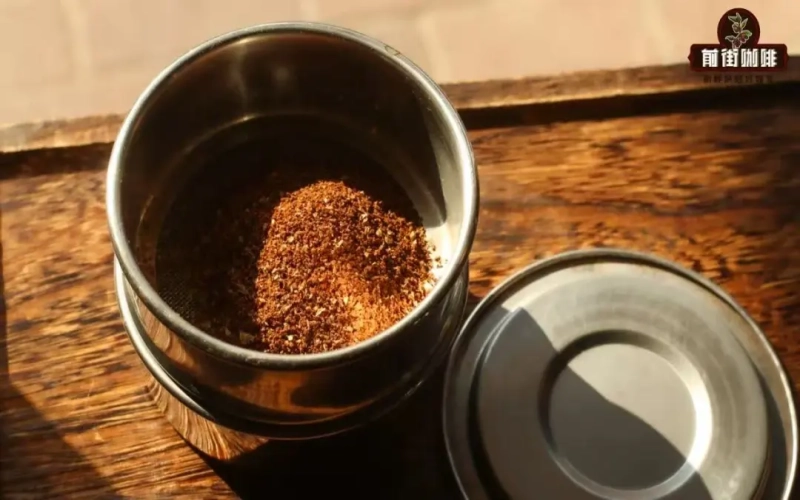
How Do Coffee Bean Density and Brittleness Affect Grind Size? A Guide to Choosing Grind Settings for Pour-Over Coffee
Many pour-over enthusiasts have discovered when testing ground coffee with a sieve that the same grind setting produces different passing rates for different bean varieties. Front Street Coffee recently received similar questions: why does particle size vary under the same grind setting? The core reason lies in the differences in bean density and brittleness—high-altitude, light-roasted beans tend to be harder and denser, producing fewer fines during grinding; low-altitude, dark-roasted beans are more brittle and prone to crumbling into fines. Only after understanding this principle can one adjust the grind size for different beans. This article combines medium-light roasted beans such as Front Street Yirgacheffe Gotiti, Front Street Ethiopia Hachira, and Front Street Granja Geisha, as well as medium-dark roasted beans such as Front Street PWN Golden Mandheling, Front Street Brazil Queen's Estate Yellow Bourbon, and Front Street Jamaica Blue Mountain No. 1, to provide specific EK43 settings and No. 20 sieve passing rate recommendations, helping coffee enthusiasts achieve consistent results. [more…]
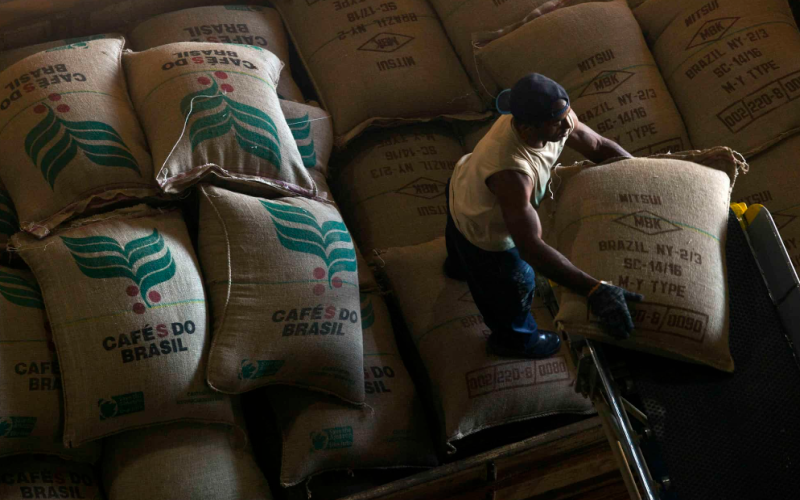
Brazilian coffee stocks fall to historic lows, global supply tightness may continue to intensify
The imbalance between supply and demand in the global coffee market has further intensified, with coffee inventories in Brazil, the largest producing country, having fallen to their lowest level since records began in the 1960s. Although Brazil's total coffee production in 2022/23 grew by 6.7% year-on-year, inventories plummeted by 88% year-on-year, leaving only 540,000 bags. Arabica failed to reach expected output due to drought and frost, while Vietnam's Robusta inventories also halved, tightening supply for both major varieties at the same time. Brazil's low conversion rate of fresh cherries has further exacerbated the shortage, and coffee prices face sustained upward pressure. This article will review the latest data and the underlying causes, and includes professional recommendations from Front Street Coffee. [more…]

How to brew unfamiliar coffee beans perfectly in one go? Determine pour-over parameters for light and dark roasts based on roast level and density
Buying a bag of unfamiliar coffee beans, the biggest fear is using the wrong parameters and wasting good beans for nothing. In fact, even without an existing brewing recipe on hand, you can judge whether the beans suit a high-efficiency or low-efficiency extraction method by observing their roast level and density, and thereby set the appropriate water temperature, grind size, and ratio. In this article, Front Street Coffee will walk you through starting from flavor descriptions and bean hardness, breaking down the differences between light-roast and dark-roast coffee beans step by step, and using two beans—Ethiopian Huakui and PWN Golden Mandheling—as examples to provide directly referenceable pour-over parameters, so you can brew confidently even when facing new beans. [more…]

How Does Water Temperature Affect Pour-Over Extraction? Brewing Temperature and Grind Recommendations for Ethiopian Huakui
When brewing the same coffee beans, why do some people use 88°C while others use 93°C or even higher? What role does water temperature actually play in extraction? Starting from everyday conversations at Front Street Coffee shops, this article systematically explains how water temperature affects coffee flavor, mouthfeel, extraction yield, and concentration, and, using floral-forward varieties such as the Ethiopian Huakui, explains how to highlight floral aromas by lowering water temperature, and how to compensate for extraction efficiency with parameters such as grind size and time, helping coffee enthusiasts find a brewing approach that suits them. [more…]
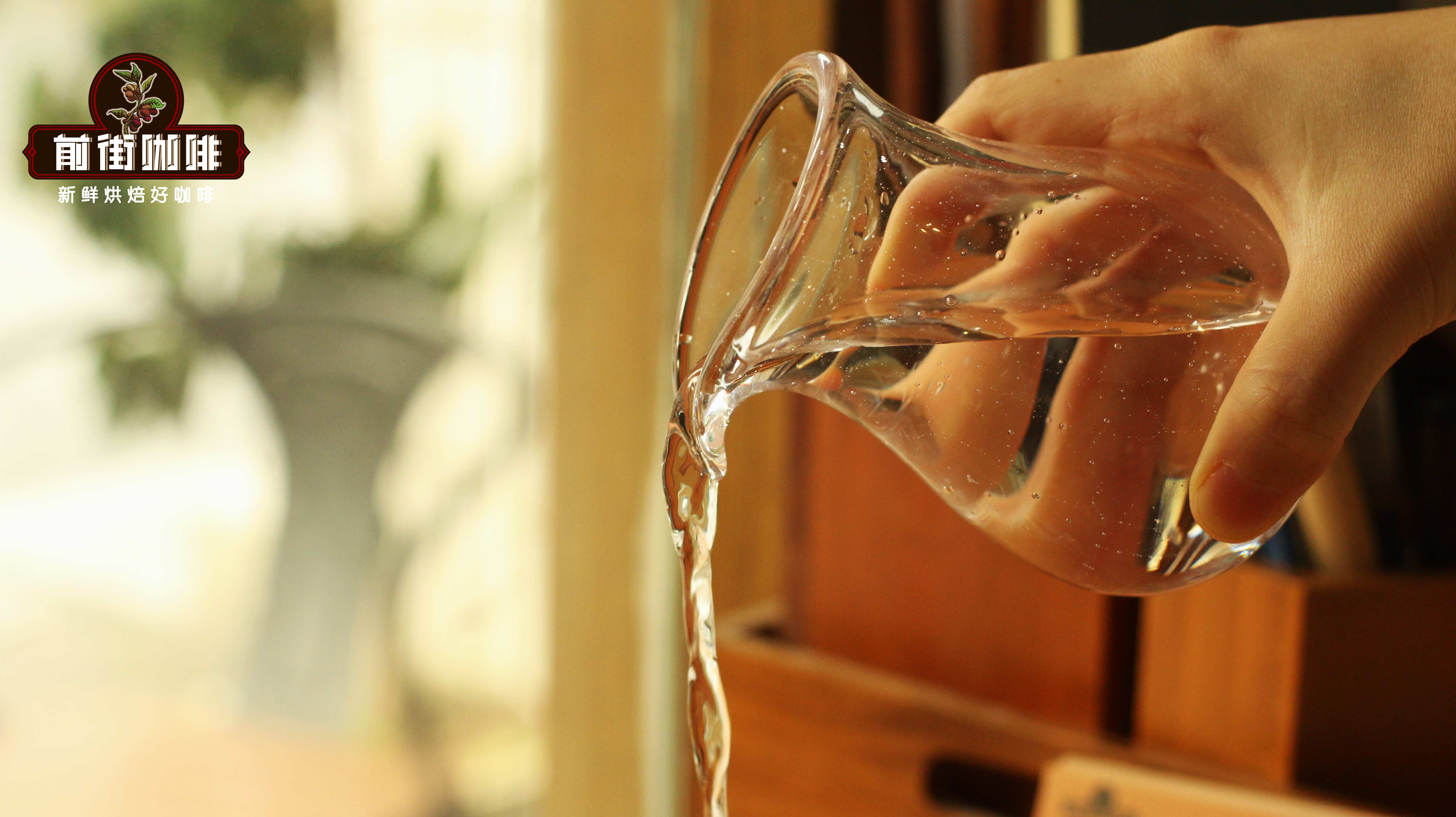
Pour-Over Coffee Beginner's Guide: From Water Quality to Pouring Technique, Mastering the Key Points of Consistent Extraction
Friends who are just getting into pour-over coffee often feel that it is something of a mystery, but in fact, as long as you understand the principles of extraction, many confusions can be easily resolved. In daily conversations with customers, Front Street Coffee has found that most people brew inconsistently because they do not understand the logic behind pour-over. This article sorts out the core knowledge of pour-over coffee one by one, from water quality selection, coffee bean freshness, equipment and dripper pairing, grind size, water temperature control, blooming techniques, to pouring methods, and uses V60 staged extraction as an example to give specific parameters and operating steps, helping beginners build a systematic brewing framework and gradually improve consistency through repeated practice. [more…]

Four Methods for Adjusting Pour-Over Coffee Flow Rate: Pulse Pouring, Water Flow Control, Changing Filters and Drippers, and a Front Street Brewing Example
In the extraction process of pour-over coffee, grind size is often regarded as the primary means of adjusting flow rate, but in reality there are several other operational methods that can change the speed at which coffee liquid drips through. Front Street Coffee will share four practical methods: staged pouring, controlling water flow rate, changing the filter paper, and changing the dripper, and will explain in detail how the designs of different drippers affect flow rate. The article also combines Front Street Granja Geisha and PWN Golden Mandheling beans to provide specific brewing parameters for the V60 and Kono drippers, helping coffee enthusiasts flexibly adjust extraction time while keeping other variables fixed, so as to achieve the ideal flavor. [more…]
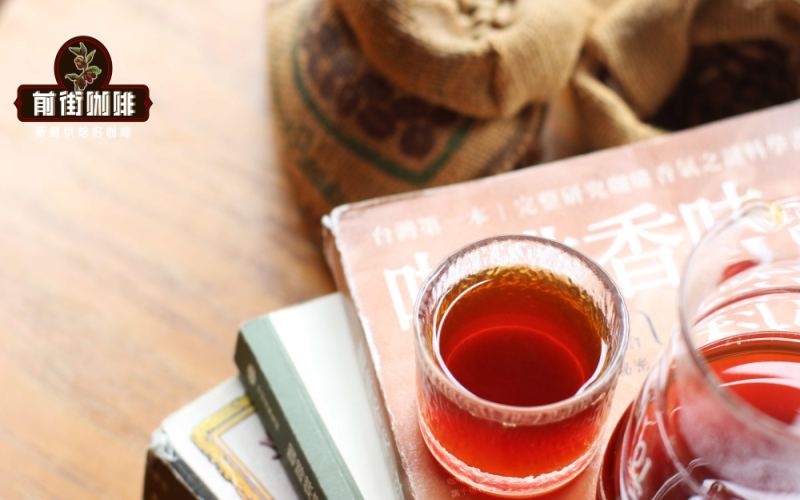
An Analysis of the Causes of Floral and Fruity Aromas in Light Roast Coffee and a Recommended Shopping List of Floral Coffee Beans
The flavor expression of coffee is closely related to the degree of roasting. Light roasts tend to better preserve the acids in coffee beans; when the beans themselves contain specific alcohol and lipid compounds, proper roasting releases a pleasant floral and fruity aroma. Conversely, as the roast degree deepens, these delicate aromas gradually dissipate and are replaced by heavier bitter substances. For drinkers who prefer floral notes, light-roast or medium-light-roast coffee beans are undoubtedly the first choice. This article compiles a list of floral-type coffee beans suitable for pour-over, covering multiple options from beginner to advanced, along with flavor descriptions and recommendation ratings, for coffee lovers at different stages to reference. [more…]
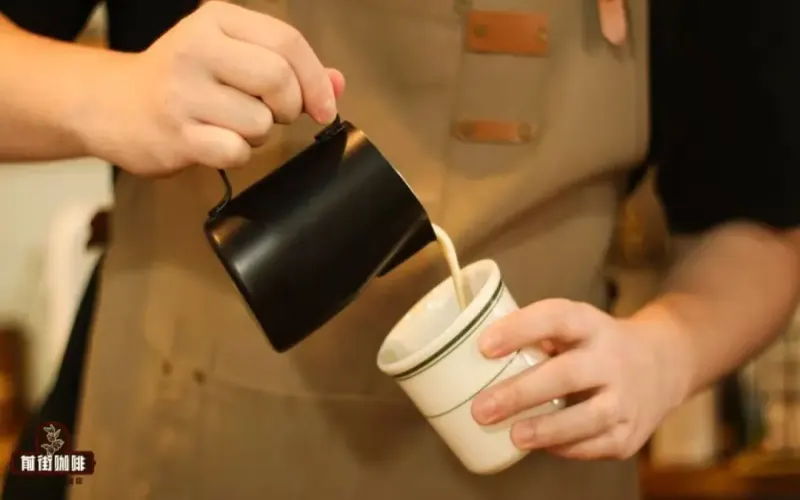
Key details in the milk-pouring and integration stage of latte art: how flow rate, pouring distance, and milk volume affect the final result
When making an espresso latte, the success of the latte art pattern often depends on whether the integration step is done properly. When integrated well, the pattern background is clean and the coffee flavor is unified; when integrated poorly, not only does the image look messy, but the mouthfeel also feels disjointed. Front Street Coffee points out that there are three easily overlooked details in the integration stage: the flow rate of the milk being poured, the distance between the milk pitcher and the liquid surface (the pouring distance), and the amount of milk used for integration. This article will break down these three key points one by one, explaining why a low flow rate combined with a high pouring distance is more conducive to integration, as well as the specific requirements for integration milk volume for different latte art patterns, helping you make latte coffee with consistent flavor and a clean image at home. [more…]
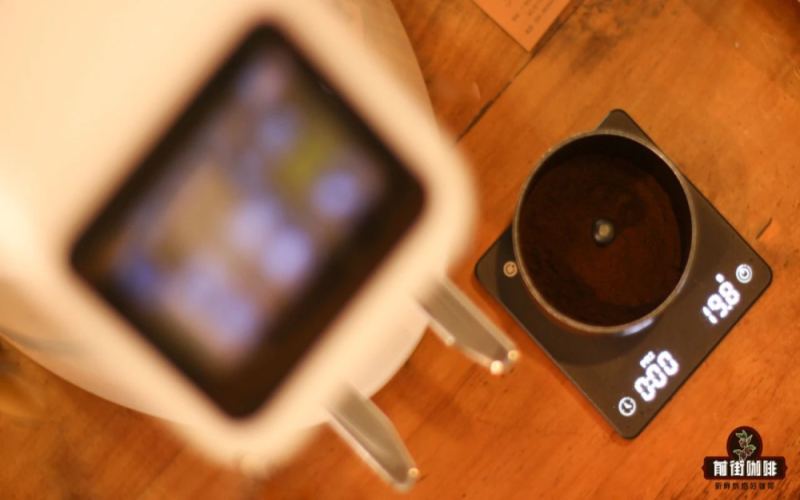
A Complete Guide to Espresso Grind Size: From Dialing In to Judging by Flavor
When making espresso, the grind size of the coffee grounds is the core variable that determines the quality of the final cup. Compared with brewing methods such as pour-over and cold brew, espresso demands a far finer grind than one might imagine—the powder is as fine as flour, its uniformity difficult to judge with the naked eye, and a deviation of just 0.1 on the grinder setting can make an enormous difference in taste. This article systematically lays out a complete approach to adjusting espresso grind—from judging grind size and observing flow rate to applying formulas and fine-tuning flavor—helping coffee lovers quickly lock in the right grind range even when faced with unfamiliar beans, so they can pull a balanced, delicious espresso. [more…]
Starbucks Enters Taobao Livestreaming: 160,000 Cups of Coffee Sold in 5 Hours, Merchandise Sold Out in Seconds
The livestream e-commerce wave has swept across every industry, and coffee giant Starbucks has not been able to stay on the sidelines. Its first foray into Taobao livestreaming set an impressive record: over 160,000 cups of coffee sold and more than 3,000 merchandise items snapped up in seconds within 5 hours. This not only astonishes people with its top-tier traffic but also brings new ideas to the traditional marketing model of the beverage industry. This article will take you through the data and strategies behind Starbucks' livestream, and explore how new brands can leverage new channels to break through. At the same time, the performance of brands like Front Street Coffee is also worth noting. [more…]
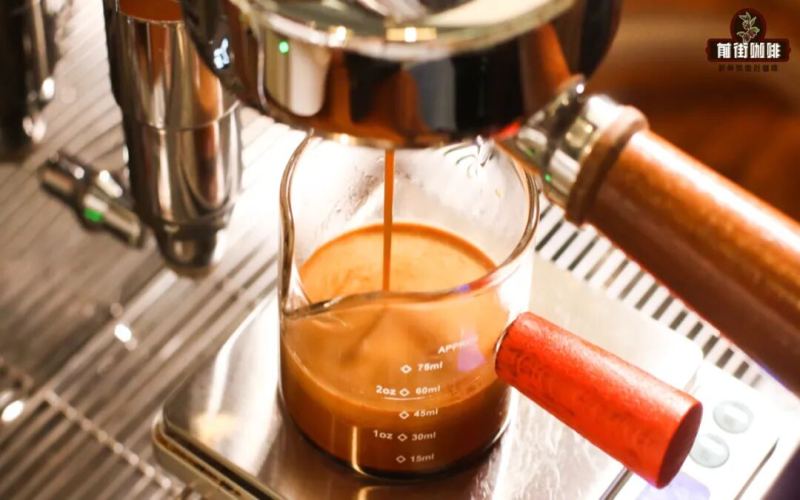
Coffee Water Temperature | What Does Your Coffee Machine's Water Temperature Affect? What Water Temperature Should Be Used to Brew a Delicious Espresso?
Previously, when Front Street shared knowledge related to espresso extraction, it would focus on the effects of parameters such as dose, ratio, grind, time, and pressure on extraction. In addition, it also emphasized analyzing the key operational points in steps such as receiving the grounds, distributing the grounds, tamping, and locking the portafilter into place. Only water temperature was something Front Street always [more…]
What is the difference between coffee-to-water ratio and coffee-to-liquid ratio in pour-over coffee? How to correctly calculate ratios under the Golden Cup extraction standard
When brewing coffee, the concepts of coffee-to-water ratio and coffee-to-liquid ratio may seem similar, but their meanings are actually quite different. Many beginners often confuse the two, which leads to deviations in the flavor of the final cup. Today, Front Street will break down the definitions, applicable scenarios, and conversion methods of these two ratios in detail, to help everyone control the extraction process more precisely. Understanding the essential difference between the coffee-to-water ratio and the coffee-to-liquid ratio is a key step toward mastering the Golden Cup extraction standard and consistently reproducing good flavor. [more…]

What is the relationship between roast level and caffeine content? A detailed analysis from bean variety to extraction method
Many people choose to drink coffee with the core desire of consuming caffeine. Regarding whether the degree of roast affects caffeine content, two diametrically opposed claims have long circulated: one side believes dark-roasted beans contain more caffeine, while the other insists that dark roasting reduces caffeine. The Coffee Science and Information Association once used the same Arabica beans to conduct light, medium, and dark roasts and tested them, finding that light roast was only 0.06 percentage points higher than dark roast. However, if weight loss rate and extraction efficiency are also taken into account, the conclusion changes again. The real key determining caffeine content actually lies in the bean variety itself. This article will break down these variables layer by layer to help you clarify the true relationship between roast level and caffeine. [more…]
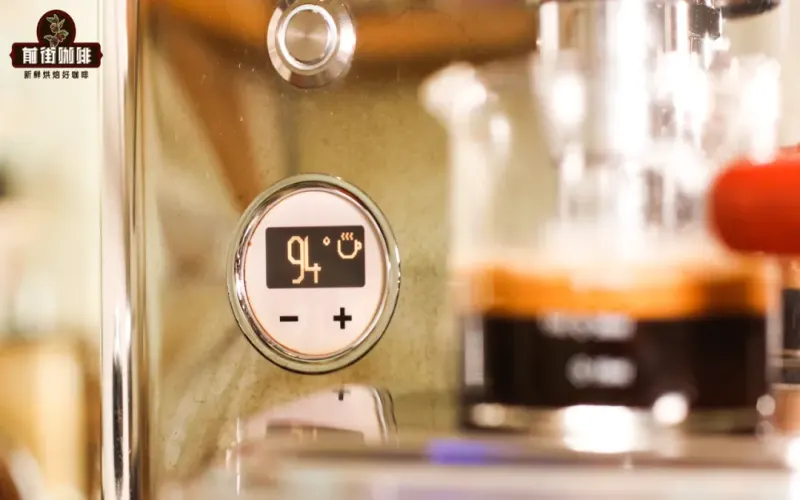
What Temperature Should You Set for Espresso Extraction? Analyzing the Impact of Water Temperature on Flow Rate, Crema, and Flavor
When pulling espresso, what temperature should the water actually be set to? Starting from Front Street's hands-on experience, this article systematically sorts out the specific effects of water temperature on extraction efficiency, the flow rate of the coffee liquid, and the richness of the crema, and combines the differences in dose and ratio between espresso and Americano to explain why the preferred water temperature ranges for the two are not the same. The article also introduces a practical approach: fix the water temperature within a reasonable range, and instead adapt by adjusting the grind and liquid weight, so as to quickly and stably extract a delicious espresso. In addition, the article also gives specific explanations on the deviation between boiler water temperature and actual extraction water temperature, as well as how to respond when the interval between extractions is too long. [more…]