







Search Results for: conical shape
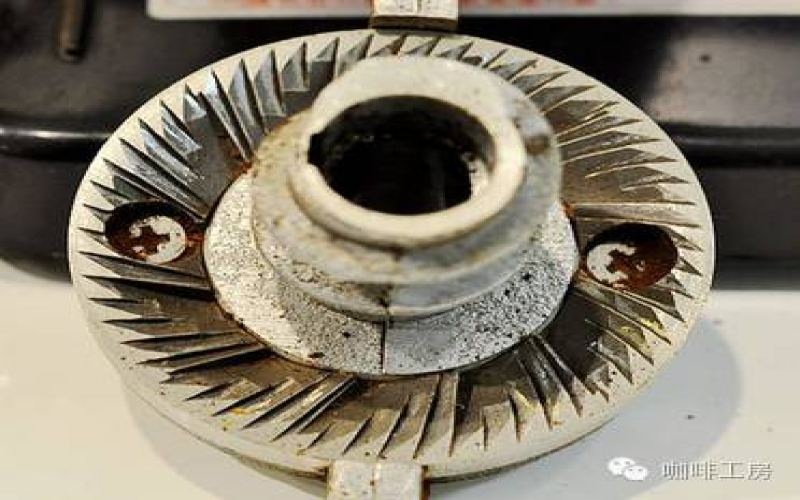
Coffee Grinder Buying Guide: How to Choose Between Flat Burrs, Conical Burrs, and Ghost Teeth, Plus a Full Analysis of Common Models' Grind Settings and Extraction
Faced with the dazzling array of coffee grinders on the market, many coffee enthusiasts find themselves paralyzed by choice. In truth, the coffee world has never had a single standard—different burr sets each have their strengths and weaknesses. Starting from burr types, this article takes a deep dive into the structural differences between flat burrs, conical burrs, and ghost-tooth burrs, along with their real-world impact on particle shape, extraction results, and final flavor. It also includes practical grind-setting parameters for commonly used models such as the Fuji Royal, Feiying, and Zheng Huang Hang, helping you find a grinding approach that suits your brewing method and taste preferences. [more…]
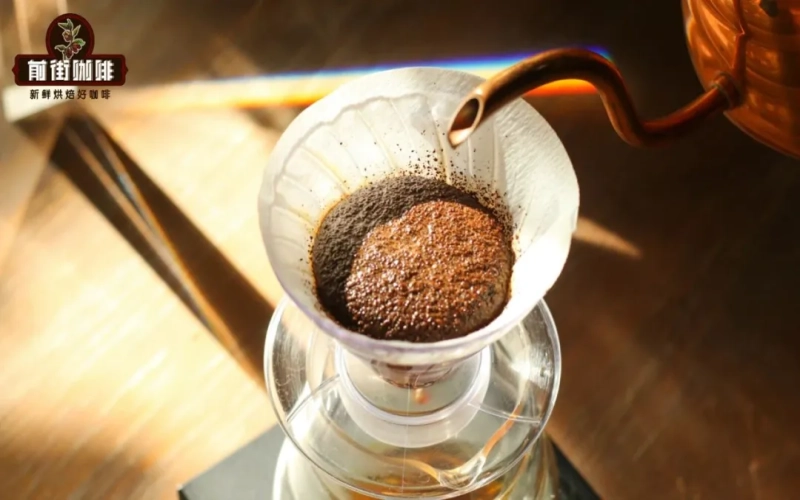
How Do Pour-Over Coffee Bed Depth and Shape Influence Flavor? A Detailed Explanation of the Differences Between Flat-Bottom Drippers and Conical V60
In the world of pour-over coffee, the shape of the coffee bed is often overlooked, yet it profoundly influences the final flavor expression. Starting from cases previously shared by Front Street Coffee, this article systematically sorts out the specific effects of coffee bed thickness and shape on extraction efficiency, stability, and coffee taste. You will learn why the same beans present completely different layers or balance in different drippers, and also understand why every dripper has a recommended dose. Through a comparative brewing example of Front Street Coffee Ethiopia Huakui, we will intuitively see the flavor differences brought by conical drippers and flat-bottom drippers, helping you understand more thoroughly the logic behind dripper selection, so you can brew a good cup of coffee more confidently. [more…]
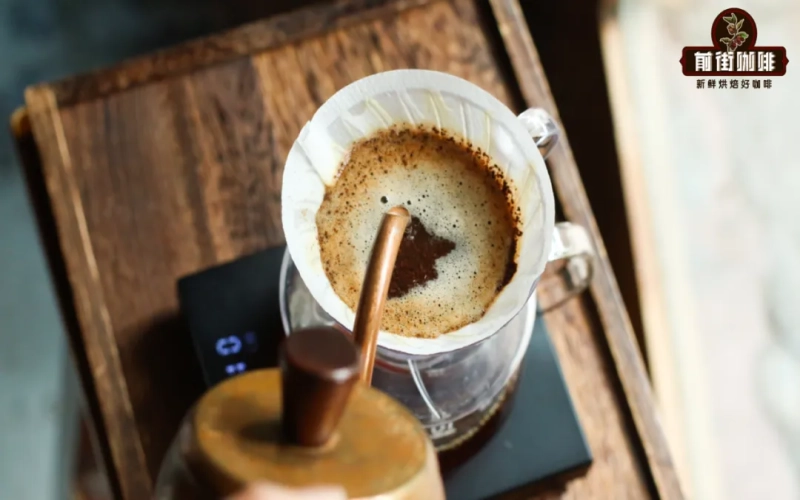
Why has the V60 dripper endured? From the origin of its name to an analysis of its conical shape, large hole, and spiral ribs
In the world of pour-over coffee, the V60 dripper's status has remained unshakable for years. Why is it so popular? This article will start with the background of the V60's birth, tracing the historical moment when it was launched by Hario in 2004, and analyze its three core designs one by one—the 60-degree conical body, the large outlet opening, and the spiral ribs—explaining how these structures together create its extraction characteristics: fast flow, rich layering, and versatile brewing possibilities. It will also compare the differences between conical, fan-shaped, and cake drippers, introduce the choice of different materials, share Front Street Coffee's reasons for preferring the resin version of the V60, and finally objectively point out the practice threshold that beginners need to face when using the V60. [more…]
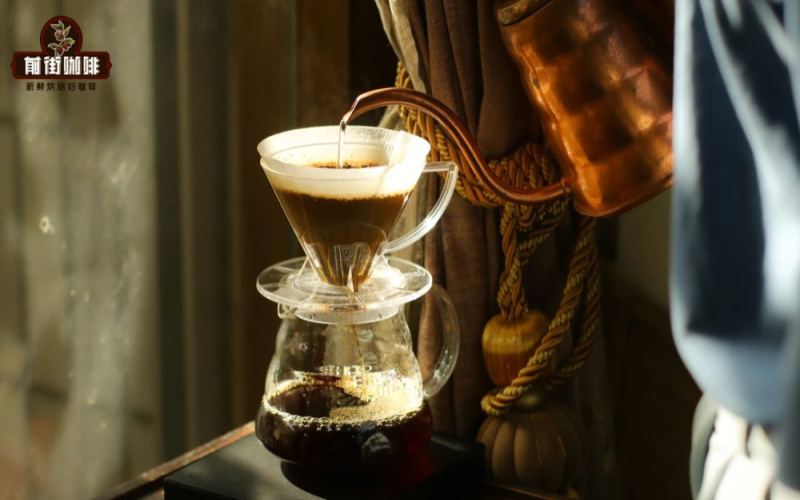
A comparison of the structural differences between the Kalita trapezoidal dripper and the V60 conical dripper, their flavor performance, and why the trapezoidal dripper is becoming increasingly rare in specialty coffee shops.
In the world of pour-over coffee, the choice of dripper shape was once diverse, but today when you walk into most specialty coffee shops, what you see are almost all conical large-hole drippers. Why have trapezoidal drippers, once so popular, especially the classic styles represented by Kalita, gradually retreated to the second tier? Starting from Front Street's actual brewing comparisons, this article uses Front Street washed Yirgacheffe and Front Street Jamaica Blue Mountain coffee, and under the same parameters extracts with Kalita 101 and V60 respectively, analyzing the differences in flavor presentation between the two drippers, and deeply examining how their structural principles affect the extraction method, ultimately explaining the reasons why trapezoidal drippers still retain a place among chain brands. [more…]
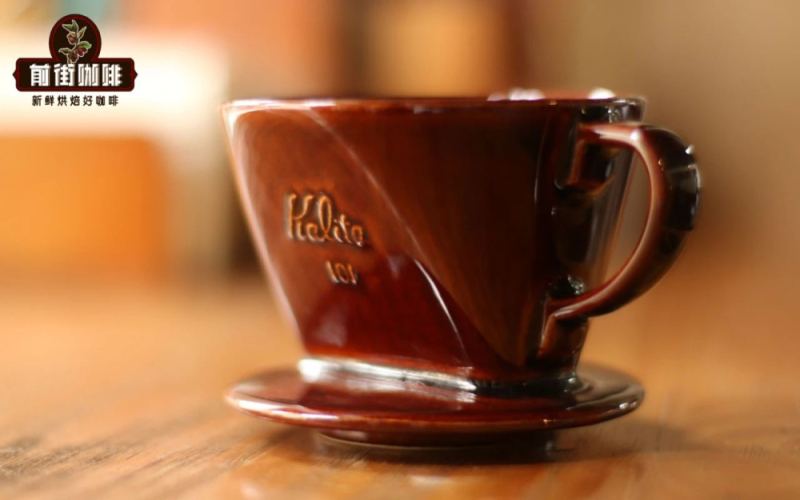
Conical vs. Flat-Bottom Dripper Showdown: Extraction Differences and Brewing Essentials of the Hario V60 and Kalita Wave
In the third wave of specialty coffee, pour-over coffee has become the top choice for many enthusiasts thanks to its clean cup profile and its ability to showcase origin flavors. As the core piece of equipment, the dripper's shape design directly affects the extraction path—conical drippers represented by the Hario V60 emphasize layers and fruit acidity, while the flat-bottom dripper pioneered by the Kalita Wave focuses on balance and sweetness. Front Street Coffee commonly uses the V60 in its daily production. This article will systematically compare the extraction logic of the two drippers from the perspectives of pouring uniformity, coffee bed depth, rib structure, and drain hole design, and will include three-pour brewing parameters for the flat-bottom dripper to help you find a clearer direction in equipment selection and technique adjustment. [more…]
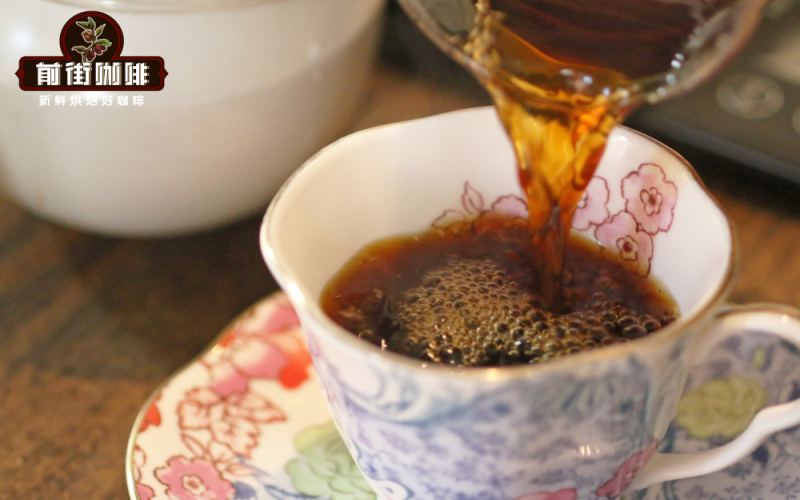
Pour-Over Coffee from Beginner to Practice: A Complete Guide to Filter Cup Types, Equipment Preparation, and Brewing Parameters
Pour-over coffee, with its clean and transparent flavor expression, has become one of the most favored brewing methods among specialty coffee enthusiasts. Starting from the basic definition of pour-over coffee, this article traces its century-old origins, compares in detail the effects of conical, fan-shaped, and flat-bottom drippers on extraction, and introduces one by one the key points for selecting equipment such as coffee beans, grinders, drippers, gooseneck kettles, filter paper, and electronic scales. At the same time, the article also presents Front Street Coffee's recommended beginner's everyday bean series, as well as specific suggestions for core brewing parameters such as coffee-to-water ratio, grind size, water temperature, and extraction time, helping readers systematically master the complete pour-over coffee process. [more…]
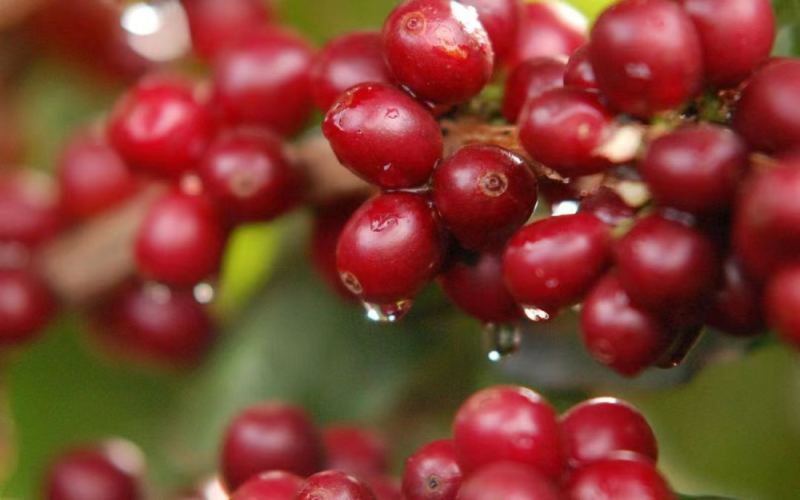
Coffee Basics | What's the difference between Typica coffee and Bourbon coffee? How can coffee beginners distinguish Typica, Bourbon, Caturra, and Geisha coffee beans?
You may or may not know what a coffee tree looks like, what a Typica coffee tree is like, or how about the Bourbon dynasty? There are many types of coffee, but it is not always clear how they differ. Setting aside variations in flavor and profile, there are obvious physical differences between the plants. Let's not even mention the many forms of coffee trees. [more…]
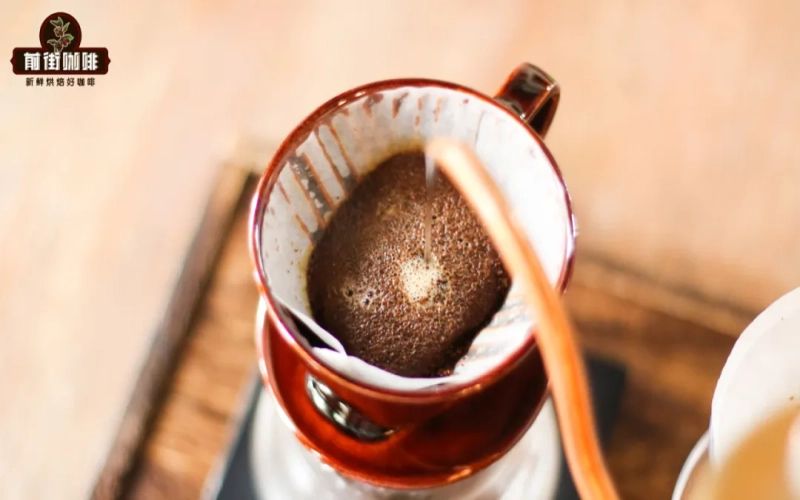
Why Are Trapezoid Drippers Fading from View? A Comparative Analysis of the Brewing Advantages of Wedge Drippers and the V60 Cone Dripper
In the world of pour-over coffee gear, cone-shaped drippers occupy an absolute mainstream, while the once-popular trapezoid dripper appears less and less on the bar. This does not mean it is not useful—on the contrary, thanks to its unique structure, the trapezoid dripper can deliver a more balanced cup performance and a solid mouthfeel. From the perspective of Front Street, this article reviews the historical trajectory of the trapezoid dripper from its birth to its improvements, breaks down the impact of its shape, ribs, and bottom hole on extraction, and, through comparative brewing with the V60, intuitively presents the flavor differences between the two drippers. It also explains why the trapezoid dripper has gradually retreated behind the scenes under the light-roast trend, as well as its beginner-friendly stable extraction characteristics. [more…]
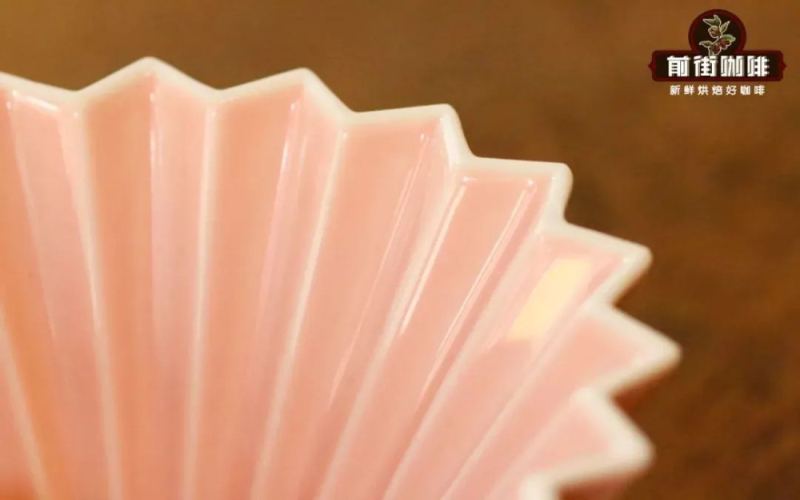
Origami Dripper Bean Suitability Analysis: Design Highlights, Brewing Recipes, and Practical Pros and Cons
The Origami dripper, with its angular shape and Nordic minimalist style, has become a familiar sight in cafés and equipment stores. Designed by Yasuo Suzuki, it can be used with either conical filters or cake filters, offering two completely different brewing experiences. Its fame grew even further when Du Jianing, the 2019 WBrC champion, used it. However, this dripper also has shortcomings, such as the lack of a base and limited coffee capacity. Front Street Coffee once conducted a comparative brew using blueberry beans from Costa Rica's Giant Stone Estate. This article will comprehensively analyze what coffee beans this dripper is suitable for, covering its appearance, star appeal, versatile brewing methods, and drawbacks. [more…]

Manual or Electric Coffee Grinder: How to Choose? A Full Analysis of Flat Burr, Conical Burr, and Ghost Tooth Burr Differences
Faced with the dazzling array of coffee grinders on the market—ranging from a few dozen yuan to tens of thousands, from hand grinders to electric ones, from flat burrs to ghost teeth—beginners often don't know where to start. Drawing on years of experience running a shop, Front Street Coffee systematically sorts out the approach to choosing a grinder from three angles: power source, price tier, and burr type. The article will explain the scenarios each of hand grinders and electric grinders suits, analyze which type of machine should be prioritized under different budgets, and explain the differences between flat burrs, conical burrs, and ghost teeth in terms of grinding method and particle shape, as well as how these differences affect extraction flavor. Whether you're a student just getting started, a traveling coffee enthusiast, or a home user preparing to upgrade your equipment, you'll be able to find a direction that suits you. [more…]
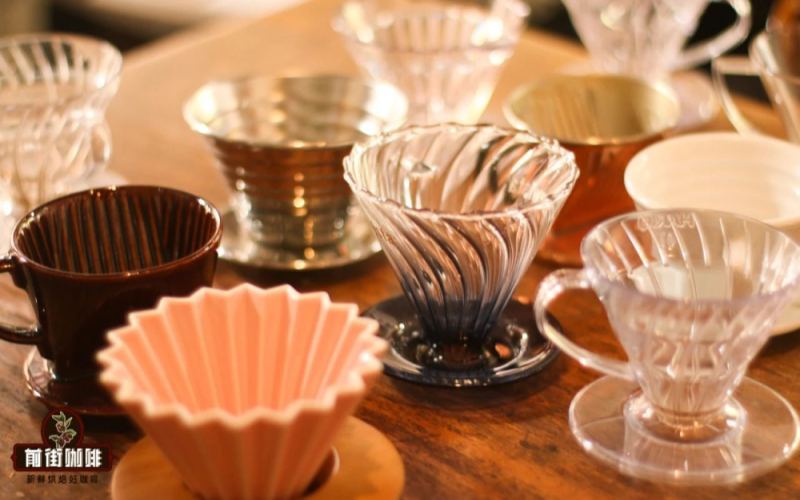
Bingtong Dripper vs. V60 Dripper Brewing Comparison: How the Rib Design of a Conical Dripper Affects Coffee Flavor Performance
With the same coffee beans, switching to a different dripper can result in a completely different flavor in the cup. The shape of the dripper determines the distribution of the coffee bed, while the design of the ribs affects the flow rate and the contact time between water and coffee grounds. Even among conical drippers, design differences can lead to entirely different extraction outcomes. This article takes the Ice Eye dripper and the V60 dripper as subjects, breaking down everything from rib layout and airflow paths to actual brewing performance, and uses the same washed Yirgacheffe Worka for a side-by-side test to see how these two conical drippers, often discussed at Front Street Coffee, compare in terms of mouthfeel, aroma, and complexity. [more…]
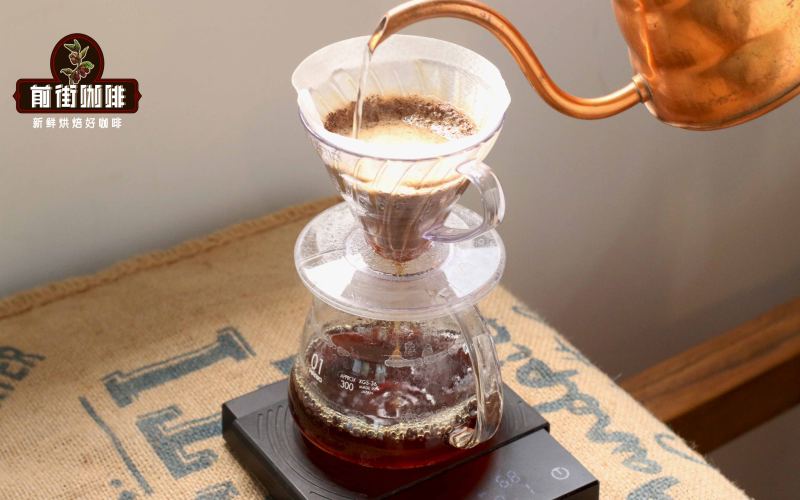
Which dripper should a pour-over beginner choose? A comprehensive comparison of the pros and cons of flat-bottom cake drippers and V60 conical drippers
For friends who are just getting into pour-over coffee and aren't yet skilled at pouring techniques, choosing the right dripper is often more crucial than honing your skills. Front Street Coffee believes that compared to the V60 conical dripper, which is touted as a "jack of all trades," the cake dripper (also called a flat-bottom dripper) demands less pouring expertise and makes it easier to brew a sweet cup. This article starts with the origin of the cake dripper's name and the extraction principles of its flat-bottom structure, analyzes why it is beginner-friendly and why its sweetness stands out, compares the pros and cons of conical drippers, helps enthusiasts understand the characteristics of different drippers, and includes Front Street Coffee's bean recommendations suited to flat-bottom drippers. [more…]
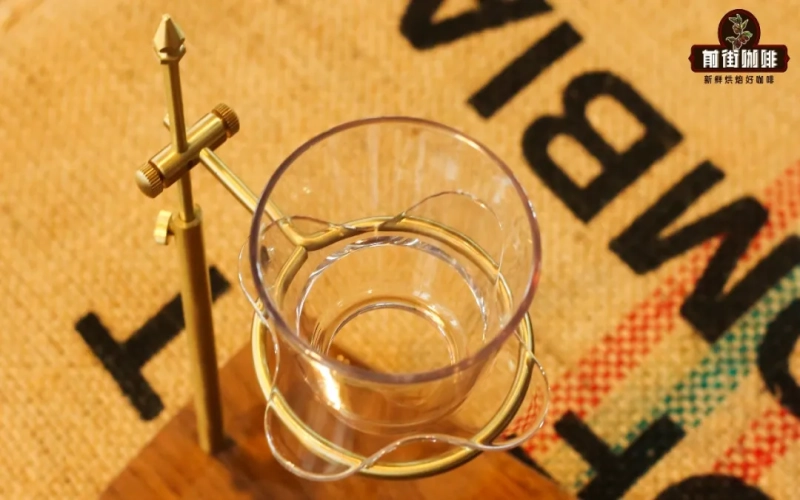
How to Choose Between a Flat-Bottom and a V60 Conical Dripper? Hand-Brew Parameters and Practical Analysis of the Large-Hole Cake Dripper
In the world of pour-over coffee, the shape of the dripper often determines the structure of the coffee bed and the direction of extraction. Flat-bottom drippers and V60 conical drippers each have their own followers, while the large-hole flat-bottom drippers that have emerged in recent years have attracted considerable attention for their combination of immersion and percolation characteristics. This article will compare the differences between the two types of drippers from the perspectives of coffee bed distribution, flow rate, and extraction balance, and, using Front Street Yirgacheffe Gutingding as an example, share in detail the adjustment approach for brewing parameters and practical techniques for the large-hole flat-bottom dripper, helping you find a brewing solution that suits you better. [more…]
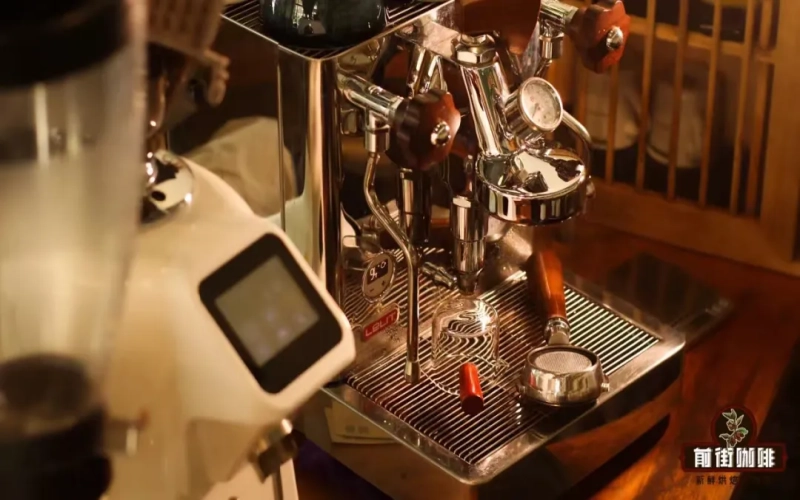
Hand-crank or electric? How to choose between flat burrs, conical burrs, and ghost teeth? The complete guide to buying a coffee grinder
Faced with the dazzling array of coffee grinders on the market, beginners often don't know where to start. This article, from the perspective of Front Street, systematically sorts out three core approaches to choosing a grinder: power source, price tier, and burr structure. The article first distinguishes the applicable scenarios and pros and cons of hand grinders versus electric grinders, then divides hand grinder tiers by budget and the timing for getting into electric grinders, and reminds readers that electric grinders for espresso and single-origin coffee cannot be used interchangeably. Finally, it provides an in-depth analysis of the grinding methods of flat burrs, conical burrs, and ghost tooth burrs, and their impact on coffee particle shape, particle size distribution, and final flavor. Whether you are a student just getting started or an advanced player with a sufficient budget, you can find a purchasing direction that suits you. [more…]
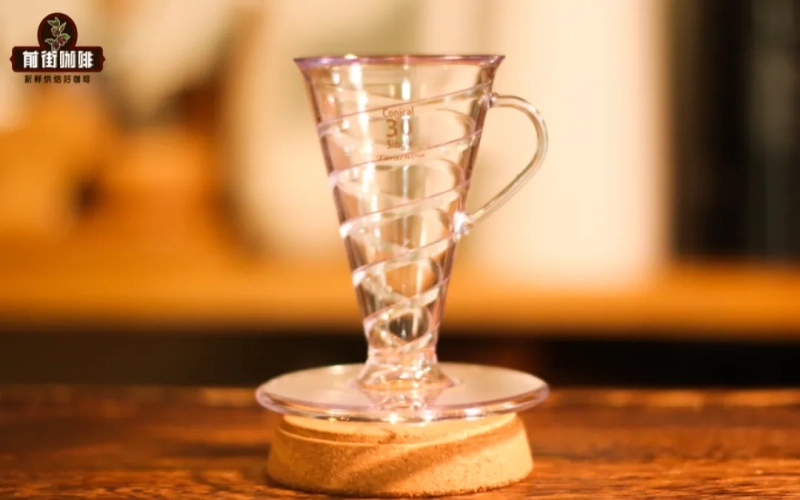
A Full Analysis of the Differences Between V30 and V60 Drippers: The Impact of Cone Angle Design on Extraction and the V30 Brewing Method
After sharing V60 small-dose brewing techniques, Front Street Coffee received many reader inquiries about how to use the V30 dripper, and some customers also asked in-store about the differences between the V30 and V60. For this reason, Front Street Coffee deliberately placed these two conical drippers side by side for a horizontal comparison. Although their names and shapes are similar, the V60 and V30 come from two different Japanese companies, Hario and Tarachine Conical, respectively, and because of their different cone-angle designs, their extraction effects are also vastly different. This article will analyze the origin of their names, structural differences, and the impact of coffee bed depth on extraction, and will also introduce the brewing method for the V30 dripper in detail, helping coffee enthusiasts understand the characteristics of these two devices more clearly. [more…]
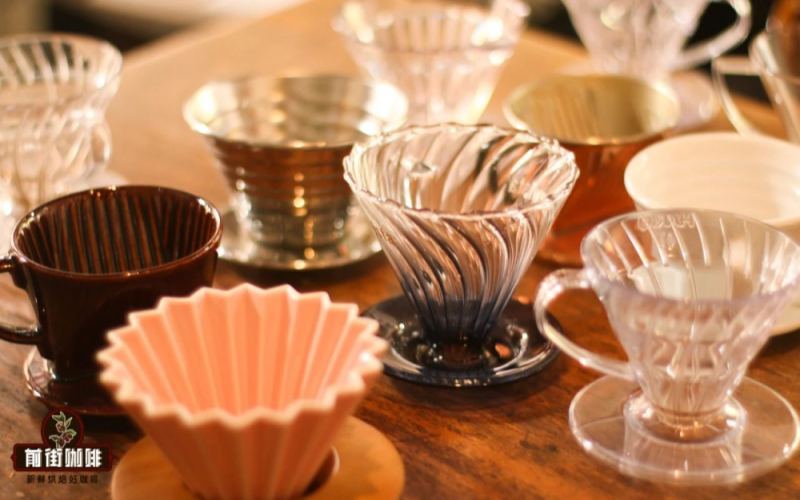
Pour-Over Coffee Filter Cup Selection Guide: How Different Shapes and Materials Affect Extraction and Flavor Performance
In the ecosystem of pour-over coffee equipment, the dripper plays a key role in determining the direction of extraction. Since the introduction of filter paper and drippers in the early twentieth century, more than a century of improvements has produced a rich variety of drippers on the market in terms of shape, number of holes, grooves, and materials, and each difference directly affects flow rate and extraction time, ultimately reflected in the coffee's mouthfeel and flavor. This article systematically reviews the design characteristics and suitable applications of mainstream dripper types such as fan-shaped, conical, wave, and metal, and further discusses the impact of materials such as ceramic, resin, and glass on heat retention. At the same time, drawing on Front Street Coffee's bean list, the article provides specific pairing suggestions for different drippers, helping coffee enthusiasts find a brewing method that suits them on the basis of understanding the equipment's characteristics. [more…]
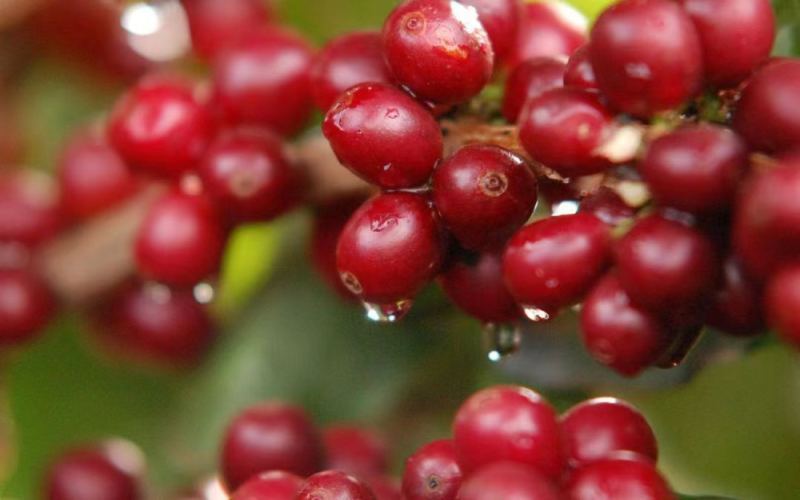
A Guide to Identifying Typica, Bourbon, and Common Arabica Varieties by Plant Morphology
Getting to know what a coffee tree looks like is an interesting way to understand the differences between varieties. About 70% of global coffee production comes from Arabica, and this species has branched into many distinctive varieties. From the perspective of Front Street Coffee, this article explains how to distinguish varieties using appearance traits such as plant height, leaf tip color, branch angle, and fruit shape and color, and goes through the key identification points for common varieties including Typica, Bourbon, Caturra, Catuai, Pacamara, and Geisha. [more…]
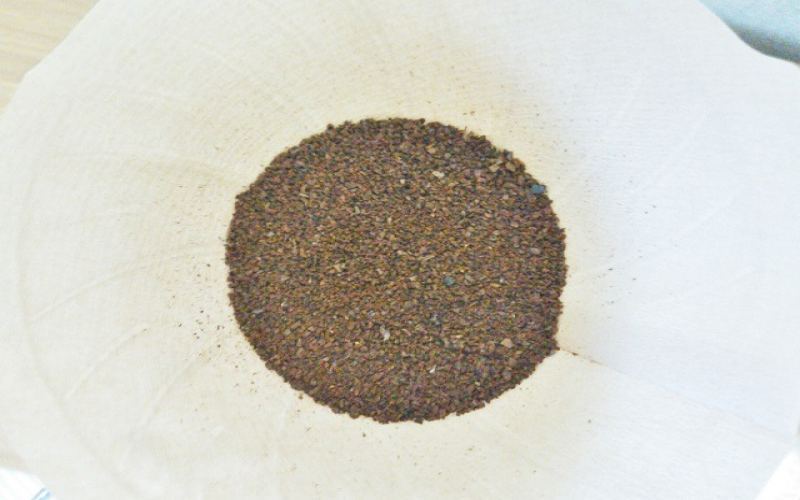
Why the HARIO V60 dripper has become a staple in coffee shops: a detailed explanation of its cone shape, single hole, and spiral rib structure
Among the many pour-over drippers, the HARIO V60 has become the top choice for many cafés and enthusiasts thanks to its unique cone shape, single hole, and spiral rib design. Its structure allows for more even contact between hot water and coffee grounds, and a more controllable drip rhythm, while also balancing practicality with a stylish appearance. This article starts from the structural principles to analyze why the V60 has become so widely popular, and compares the pros and cons of plastic and glass materials to help you make a decision that suits you better when purchasing. It also retains relevant product recommendation information from Front Street Coffee. [more…]
From Tree to Fruit: Key Points for Identifying Seven Coffee Varieties Including Typica, Bourbon, and Geisha
The coffee world is home to a vast number of varieties, yet different varieties often show differences visible to the naked eye in plant morphology. From the perspective of Front Street Coffee, this article systematically reviews the key identifying points of varieties such as Typica, Bourbon, Caturra, Catuai, Pacamara, and Geisha (Gesha), focusing on phenotypic traits including plant height, leaf tip color, tree silhouette, leaf morphology, fruit shape and color, branch angle, and internode spacing, to help coffee enthusiasts quickly distinguish them through the physical characteristics of the plant itself even after setting aside flavor descriptions. [more…]
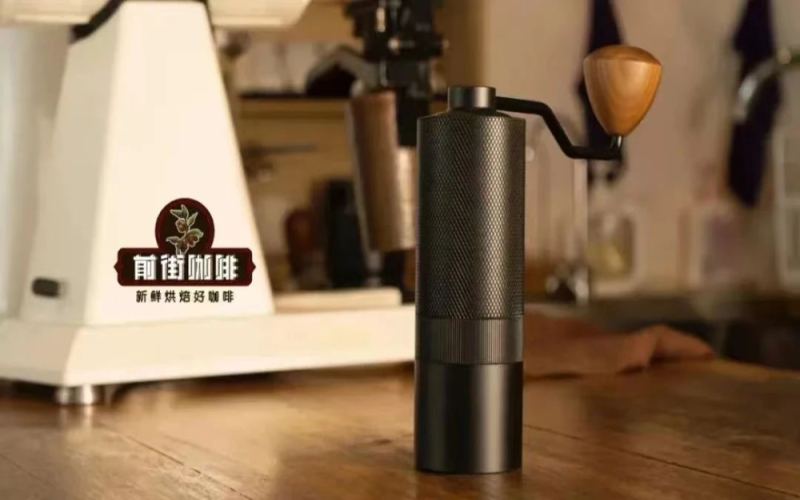
How Fine Should You Grind for Pour-Over Coffee? A Full Analysis of Grinder Burr Types and Sieve Calibration
Grind size is one of the core variables in pour-over coffee extraction, directly affecting water flow rate, extraction yield, and the final flavor profile. But with conical burrs, flat burrs, ghost tooth burrs, and other burr types on the market, along with the complex distribution of coarse, fine, and extra-fine particles, how can you find the right grind setting for your coffee beans? Front Street Coffee starts from how burr structure affects particle size, combines it with practical testing methods using standard inspection sieves, and systematically sorts out the grind passing-rate standards corresponding to different roast levels and brewing methods, helping you determine grind parameters in a quantifiable way so that every brew is more stable and controllable. [more…]