







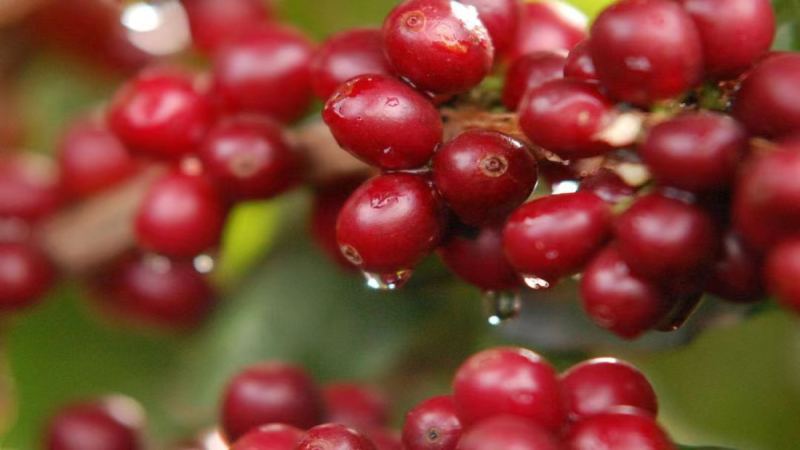
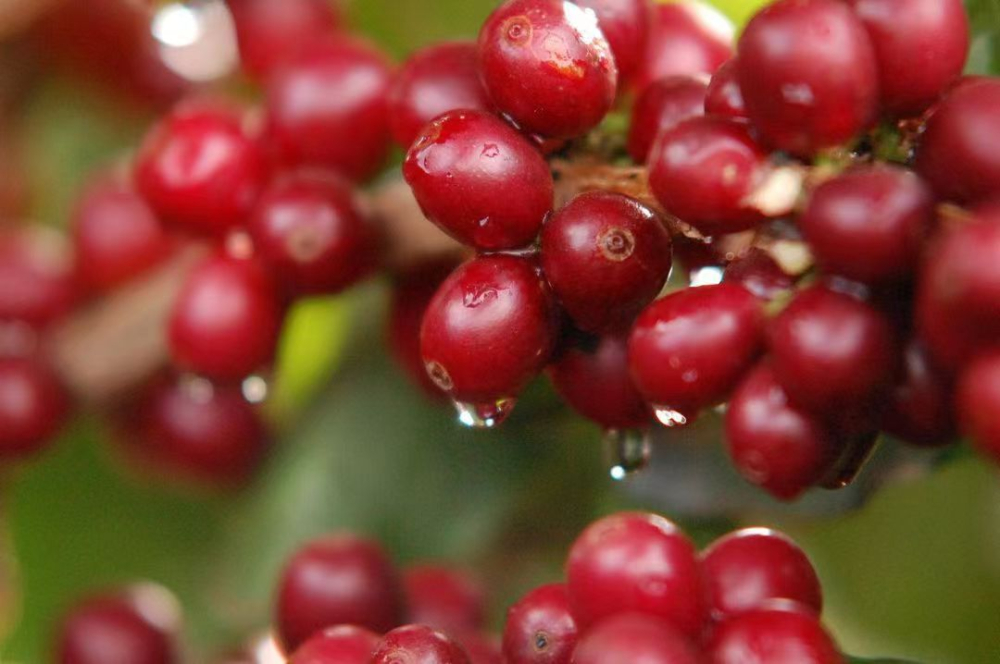
You may or may not know what a coffee tree looks like, what a Typica coffee tree is like, or what about Bourbon? There are many types of coffee, but it is not always clear how they differ. Apart from variations in flavor and profile, there are distinct physical differences between the plants.
Not to mention the diverse forms of coffee trees, just look at the coffee flowers they produce—because varieties differ, the morphology of coffee flowers also varies. So let's take a look at what characteristics different varieties have.
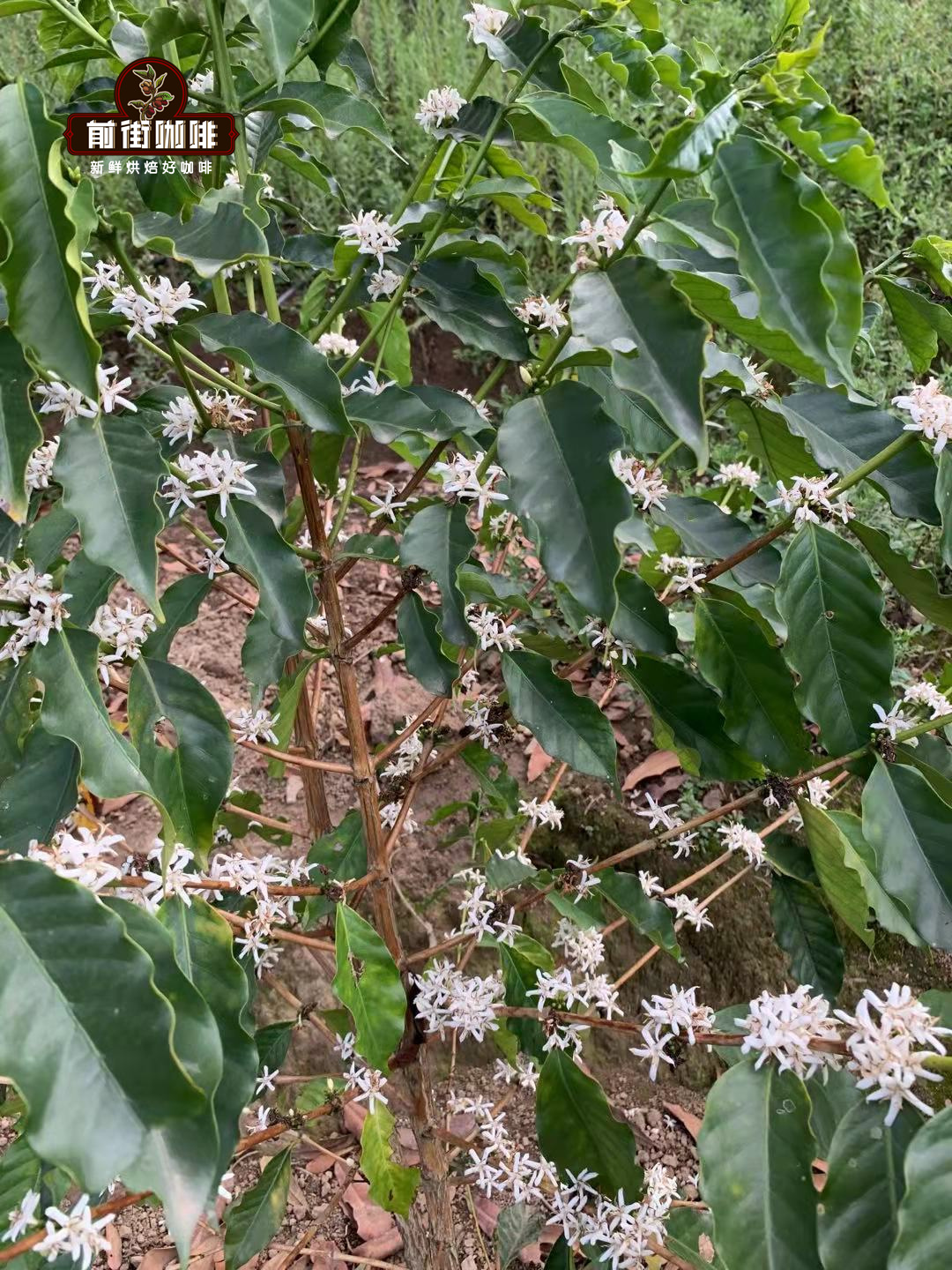
How to identify the characteristics of different coffee varieties?
There are hundreds of types of coffee, but about 70% of the world's coffee production is Arabica. Although Arabica is more fragile than Robusta, its taste and aroma make it more appealing to most consumers. There are many Arabica varieties, a few of which are commonly grown for specialty and commercial use. Below, Front Street Coffee uses certain physical characteristics (also called phenotypes) to identify plants, but not as an overall reference.
First, we can understand and identify them from these aspects: stature (tall or compact), leaf tip color (green or bronze), plant shape (conical or round), leaf shape (elongated or broad), the shape and size of the cherry and green bean (elongated, round, or other, and small, medium, large, or very large), cherry color (red, yellow, orange, or even pink), branch angle, distance between branches (short or long), and distance between nodes on the same branch (short or long).
It is not always necessary to use all of these characteristics to identify a variety, because some varieties have one obvious feature.
Characteristics of the Typica coffee tree
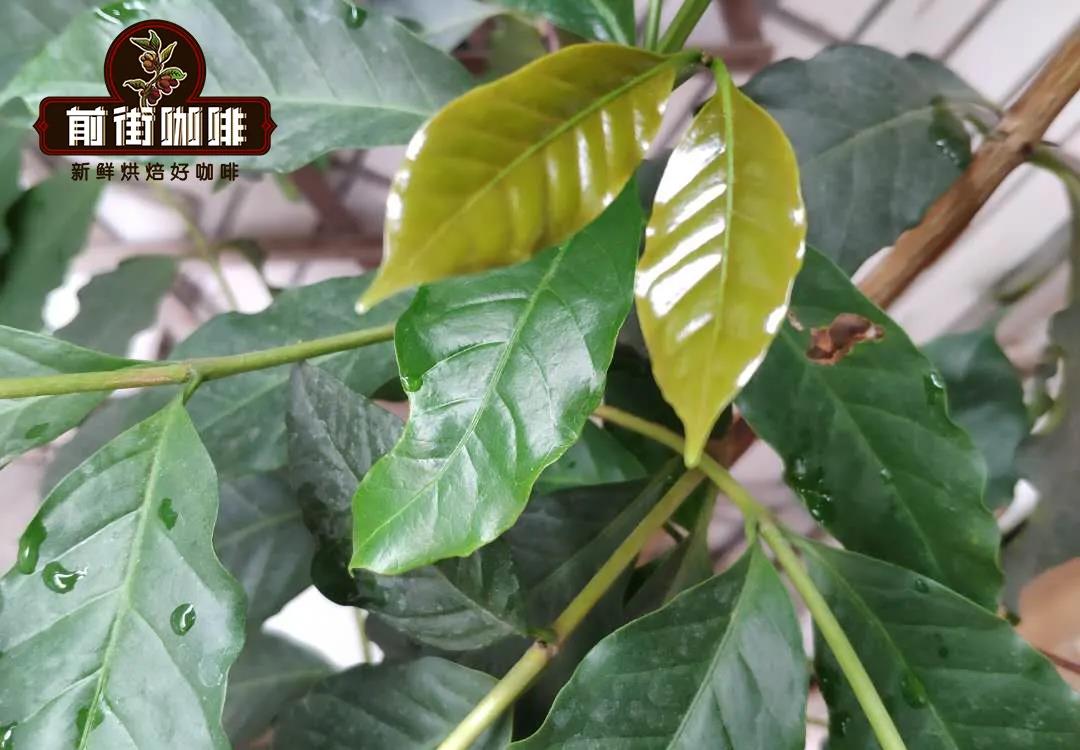
Typica has distinctive characteristics, and it may be the easiest variety to identify. The plant has a conical shape with a main vertical trunk and can reach 5 meters. This height indicates that the distance between branches and between nodes on the same branch is longer than in other varieties.
Lateral branches form an angle of 50 to 80 degrees with the vertical stem. Neither the trunk nor the branches are very thick. The leaves, cherries, and green beans are usually elongated, and the tips of the leaves are bronze when young. Compared with the leaves of other Arabica varieties, the leaf surface is smoother and has fewer wavy edges. Typica cherries ripen to bright red.
Characteristics of the Bourbon coffee tree
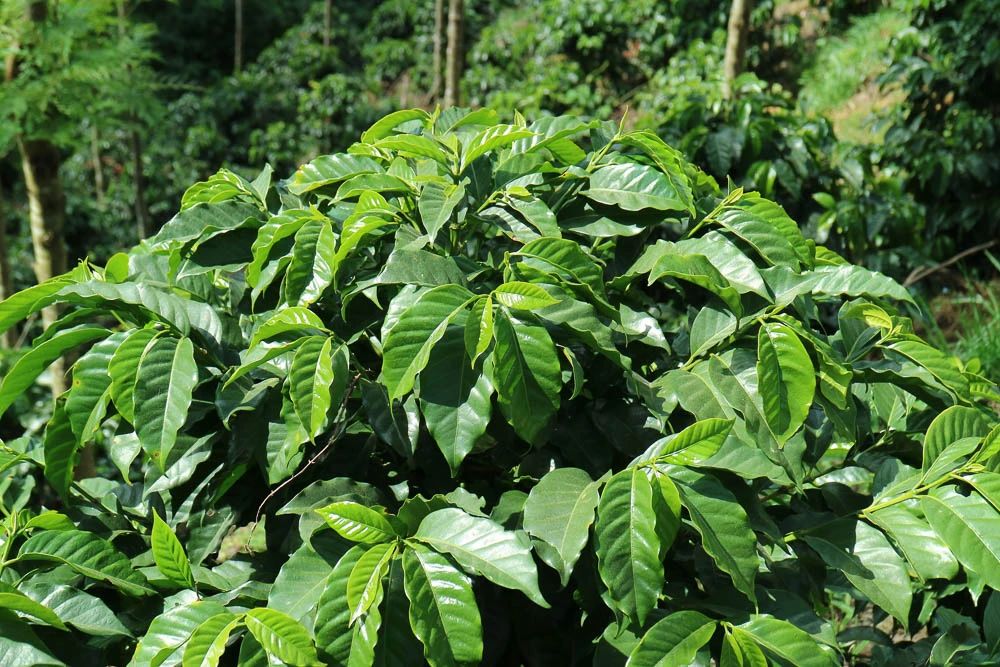
Bourbon has the same stature and conical shape as Typica, but it is denser and has more secondary branches. The main trunk is larger, and the branches appear thicker, so the plant is sturdier than Typica. The distance between branches and nodes is also a little shorter. This increased density means that Bourbon produces about 30% more fruit than Typica.
The leaves are broader than those of Typica, with an uneven texture and wavy edges. Young leaves are usually green, but can sometimes have bronze tips. The cherries are round and ripen to a range of red, orange, or yellow.
Characteristics of the Caturra coffee tree

Many varieties are descendants of Bourbon and Typica. Caturra is a natural mutation of Bourbon and is much shorter and much denser than its relative. It has a smaller distance between the branches on the trunk and many secondary branches, making Caturra a denser plant than Typica or Bourbon.
Otherwise, it has characteristics similar to Bourbon. Its large leaves have wavy edges and green tips. The cherries are also round, medium-sized, and ripen to red or yellow.
Characteristics of the Catuai coffee tree
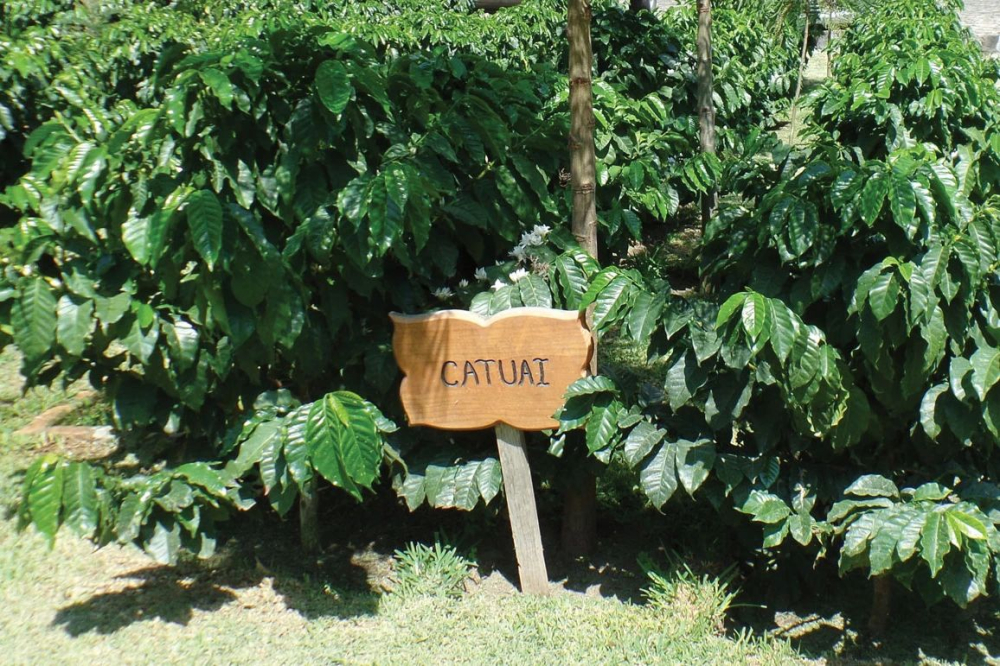
Catuai is a hybrid descendant of two varieties, Mundo Novo and Caturra. Just as Caturra is a natural mutation of Bourbon, Mundo Novo is a natural mutation of Typica. In Catuai, you can find characteristics from both Typica and Bourbon. The plant is relatively short, and the lateral branches form a close angle with the main branches. Secondary branches at the top of the plant are rarely seen, which makes the plant more umbrella-shaped than Typica and Bourbon, which have a conical shape.
Catuai leaves are wavy and usually have green tips. The fruit does not easily fall from the branches, which makes it a good choice in areas with strong wind and rain.
Characteristics of the Pacamara coffee tree

Pacamara is a cross between the Pacas and Maragogipe varieties, created in 1958 by the Salvadoran Coffee Research Institute (ISIC). It is not considered a stable variety, meaning the plants are inconsistent from one generation to the next. However, it is widely cultivated.
Pacas is another mutation of Bourbon, and Maragogipe is a mutation of Typica. The latter has very large cherries, which it passes on to Pacamara. The fruit size and distinctive pointed leaves make Pacamara easy to identify. These leaves can have green or bronze tips. The stature is compact, and the plant shape is conical. The distance between branches and nodes on the branches is very short, making this a dense plant. The trunk and branches are similar to those of Bourbon because they are thicker and less flexible than most other varieties.
Characteristics of the Geisha coffee tree

We can easily identify this variety, which is very popular all over the world, from the angle of the upper branches and the shape of the plant. The branches of the Geisha coffee tree that point toward the top extend toward the sky at an angle of 45 to 50 degrees. Geisha is tall, with long distances between branches and nodes, and thin trunks and branches, somewhat like Typica. The leaves are smooth and elongated, and the cherries are also elongated in a way similar to Typica cherries. In my experience, the main obvious difference between Geisha and Typica is that the former has an umbrella shape or flat top, while Typica has a conical shape.
The taste of ripe Geisha cherries is completely different from that of other varieties. They have citrus notes, sweetness, and jasmine-like floral elements. Different varieties of coffee differ not only in flavor and profile; they are also visually different plants.
The above content is compiled by CoffeeHunters, a coffee news website.

