







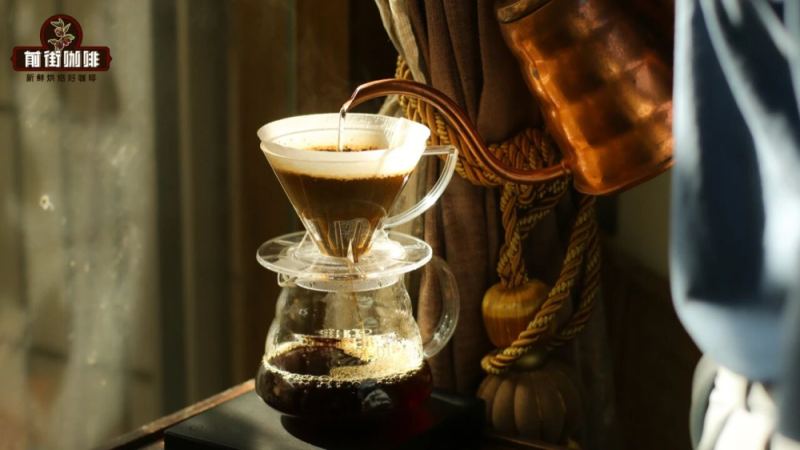
Why Trapezoid Drippers Are Fading in Specialty Coffee
Kalita-style trapezoid drippers have largely disappeared from independent specialty coffee shops, while conical large-hole drippers such as the V60 dominate pour-over menus. The shift comes down to structure: the trapezoid's flat bed and restricted flow tolerate uneven pouring, while the cone's deep bed and large single hole reward steady, centered pouring with clearer flavor separation.
The trapezoid dates to Melitta's original fan-shaped design; Kalita later added a third hole and made it a benchmark. Kono introduced the first cone in 1968, and the V60 arrived around 2000. Chain brands still use trapezoids because they are forgiving under staff turnover, but specialty coffee shops favor cones for control.
In the world of pour-over coffee, the choice of dripper shape was once diverse, but today when you walk into most specialty coffee shops, you'll almost always see conical large-hole drippers. Why have trapezoid drippers, once so popular—especially classic models like Kalita—gradually taken a back seat? This article starts from Front Street's actual brewing comparisons, using Front Street washed Yirgacheffe and Front Street Jamaica Blue Mountain coffee, extracting with Kalita 101 and V60 respectively under identical parameters, analyzing the flavor presentation differences between the two drippers, and delving into how their structural principles affect the extraction method, ultimately explaining why trapezoid drippers still hold their ground in chain brands.
Have you noticed that nowadays, aside from some large chain coffee brands, independent street-side coffee shops almost no longer use trapezoid drippers for pour-over? Instead, they've basically all switched to conical large-hole designs. Today Front Street will chat with you about the reasons behind this phenomenon.
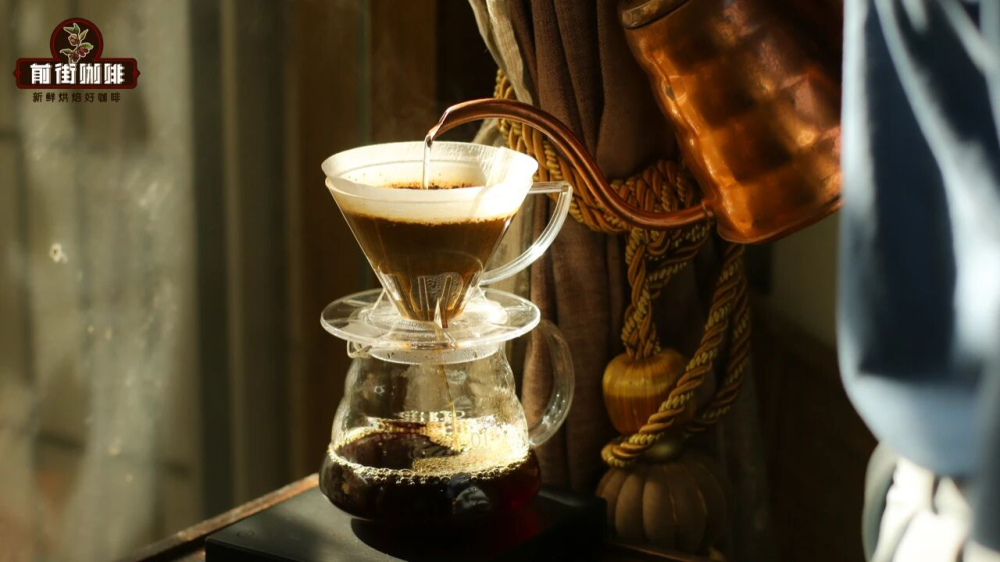
The world's first dripper was actually the trapezoid dripper launched by Germany's Melitta, shaped as an inverted trapezoid—wide at the top and narrow at the bottom—with a single-hole design. Because the matching filter paper, when unfolded, resembles a fan, it is also called a fan-shaped dripper. At that time, espresso was all the rage, and pour-over coffee remained a very marginal, niche tool in home settings.
The turning point came in 1959, when pour-over coffee gradually rose in Japan. The Kalita brand referenced Melitta's trapezoid design and improved upon it—one key change being the switch from a single hole to three holes. This Kalita trapezoid dripper later became the benchmark in the trapezoid dripper category. The earliest conical dripper was introduced by Kono in 1968, and the most iconic conical dripper, the V60, was born around 2000.
Given that, Front Street will compare the representative trapezoid dripper Kalita 101 with the representative conical dripper V60, which may help us find the answer to why conical drippers are popular and trapezoid drippers are declining.
Front Street selected Front Street washed Yirgacheffe and Front Street Jamaica Blue Mountain coffee for testing separately, keeping brewing parameters consistent. The flavors presented by the two drippers are as follows:
[Front Street Yirgacheffe Coffee]
V60: Delicate white floral notes, clear citrus fruit aroma, citrus-like acidity, with a green tea-like finish, clean mouthfeel, and distinct layers.
Kalita: Prominent fruity sweetness, obvious citrus sweet-tartness, stronger tea-like character. Full-bodied, higher intensity, with an overall balanced taste.
[Front Street Blue Mountain Coffee]
V60: Refreshing mouthfeel, dominated by dark chocolate and nutty notes, with a slight sweet-tart fruitiness.
Kalita: Prominent nut and dark chocolate flavors, mellow mouthfeel, balanced among acidity, sweetness, and bitterness, comfortable drinking experience.
From the brewing results of these two drippers, it can be seen that conical drippers represented by V60 are better at showcasing the distinctive flavors of coffee beans, while trapezoid drippers represented by Kalita are better at presenting balance and body in coffee.
The key to this flavor difference lies in the structural design of the two drippers. The V60 uses spiral ribs of alternating long and short lengths, combined with a larger drainage hole, so that water flowing into contact with coffee grounds can quickly drain along the ribs, and the conical shape also makes it easier to achieve even coverage when pouring. This type of dripper relies on water washing over the coffee grounds to release flavor compounds—aside from the earlier Kono, subsequent conical drippers basically all belong to this type.
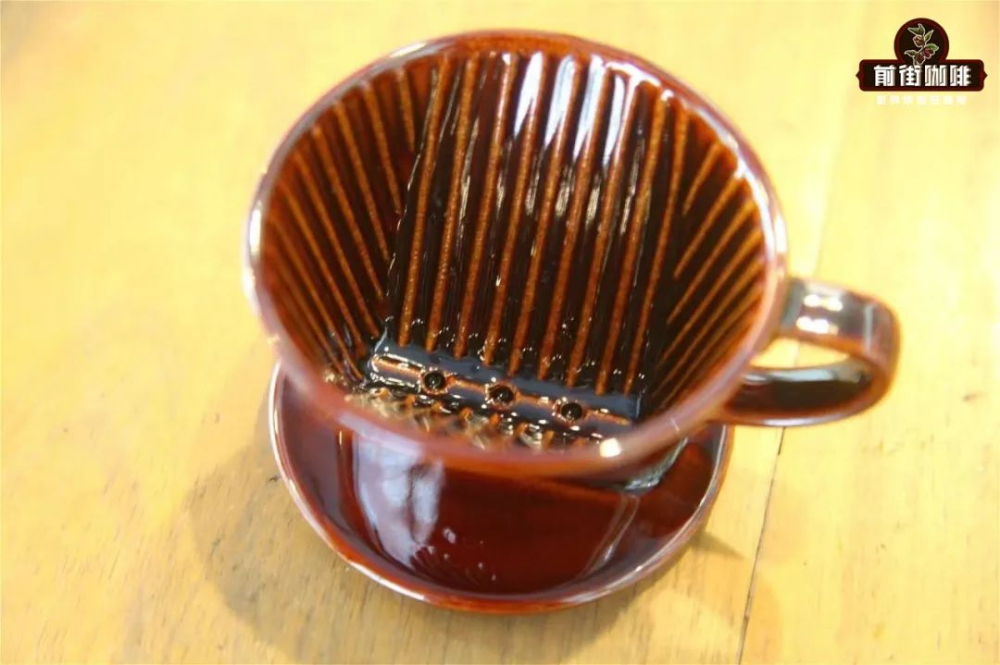
Although the trapezoid dripper also has ribs, the vertically arranged ribs mainly serve to help vent during the blooming phase, and the three small drainage holes make the flow rate noticeably slower. The trapezoid structure itself is not conducive to even pouring, but the slow drainage actually lowers the demands on pouring technique, and the coffee is mostly in a state of immersion extraction, so the overall result is fuller, more balanced, and higher in body.
So if you prefer coffee with low acidity and high body, you can try Front Street PWN Golden Mandheling, Front Street Queen's Estate, Front Street Brazil Cerrado, Front Street Blue Mountain No. 1—these are all medium-dark roasts, and the coffee itself carries nutty, chocolate, caramel and other compounds that provide sweet-bitter flavors.
Returning to the question of "why trapezoid drippers are becoming less common," it can actually be understood as their gradual exit from the mainstream stage. The V60 came out around 2000, just in time to cater to the market trend of transitioning from dark roasts to light roasts. Light-roasted coffee emphasizes flavor expression even more, and the V60 was accepted by the public and revered as a classic because it can better present flavors (of course, marketing and promotion also played a role). As community coffee shops offering pour-over emerged in large numbers, the exposure of conical drippers rose sharply, and by comparison, other dripper shapes—including trapezoid drippers—became even rarer.
However, we can still see pour-over made with trapezoid drippers in some large chain brand coffee shops. This brings us to a major advantage of the trapezoid dripper—stability. Because the trapezoid dripper drains slowly, relies mainly on immersion extraction, and is less affected by pouring, as long as the dose, grind size, water temperature, brew ratio, and extraction time are set in advance, the barista only needs to finish pouring the water within a fixed time. Whether a beginner or a veteran, the final coffee produced won't differ too much. Therefore, this kind of stable, easy-to-learn, and simple-to-operate dripper is very popular with coffee chain brands that have frequent staff turnover.
The above content is compiled by CoffeeHunters, a coffee news website.


