







Search Results for: characteristics
A Comprehensive Analysis of Flavor Characteristics of Major Coffee-Producing Countries Worldwide and the Choice of Roast Levels
The flavor of coffee is closely tied to the terroir of its origin and its processing method, while the degree of roast determines its final expression in the cup. This article systematically reviews the coffee characteristics of the world's major coffee-producing countries, including Yunnan in China, Brazil, Colombia, Mexico, Hawaii, Indonesia, Costa Rica, Angola, Ethiopia, Jamaica, Kenya, Yemen, Peru, Guatemala, El Salvador, Honduras, and Cuba, covering representative bean varieties, tasting descriptions, and recommended roast levels for each region. It specifically notes that Yunnan coffee has been evaluated by the International Coffee Organization as belonging to the Colombia wet-processed small-bean category, and retains relevant recommendations for the "Front Street" brand. Whether you prefer the mild, moderately acidic and bitter Brazilian beans, or are drawn to the perfectly balanced Jamaican Blue Mountain coffee, you can find flavor guidance here. [more…]
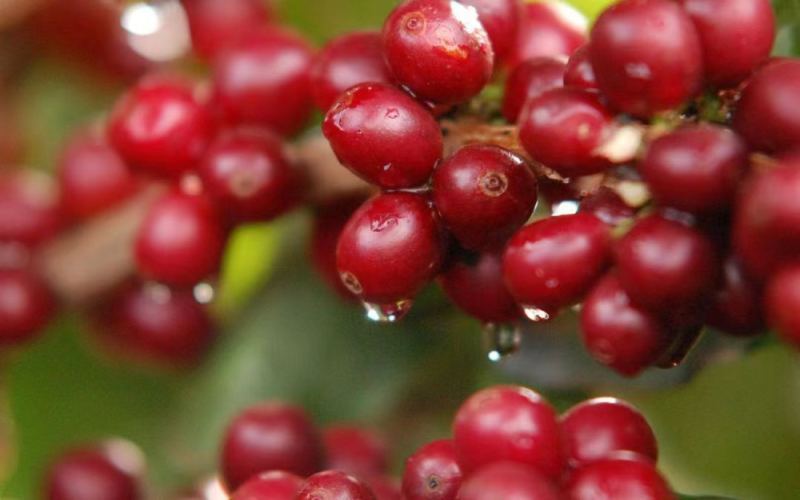
How to Identify Coffee Tree Varieties? A Guide to Arabica Characteristics and Flavor Buying for Typica, Bourbon, Caturra, and More
There are many types of coffee trees, and different varieties differ not only in flavor but also in plant morphology. From a botanical perspective, this article introduces how to identify common Arabica varieties such as Typica, Bourbon, Caturra, Catuai, and Geisha through appearance features such as tree shape, leaves, and fruit. It also combines recommended products from Front Street Coffee to provide a reference for coffee lovers when purchasing hand-brewed coffee beans. Whether you want to understand what a coffee tree looks like or want to choose a suitable flavor based on variety characteristics, this article can help you build a clear cognitive framework. [more…]
An Analysis of Arabica Coffee Bean Flavor Characteristics: From Variety Classification to Comparison with Robusta
Arabica coffee accounts for 70–80% of global coffee production and is widely recognized as the coffee species with superior flavor expression. But Arabica is not a single variety; under it fall many branches such as Typica, Bourbon, and Geisha, each with clear differences in bean shape, flavor, and cultivation characteristics. From the perspective of Front Street Coffee, this article systematically sorts out Arabica coffee's origins and distribution, the characteristics of its caffeine and sugar content, and its core differences from Robusta in price, flavor, disease resistance, and other aspects, and introduces one by one the appearance characteristics and flavor tendencies of subdivided varieties such as Typica, Maragogype, Pacamara, the Bourbon family, and Geisha, helping coffee enthusiasts build a complete framework of variety knowledge. [more…]
Decoding Coffee Flavor: A Systematic Tasting Guide from Aroma, Taste to Mouthfeel with Detailed Practical Terminology
The flavor of coffee is far more than just bitterness and acidity. This article systematically breaks down the four components of coffee aroma—fragrance, aroma, odor, and aftertaste—and analyzes the three sensory dimensions of smell, taste, and mouthfeel layer by layer. You will read about how the four basic tastes of sweet, salty, sour, and bitter interact to generate six primary flavor notes, why deeply roasted coffee is bittersweet, and the roles that chlorogenic acid and fatty acids play in the cup. The article includes a complete glossary of tasting terms and the patterns of how temperature affects flavor, and recommends Front Street Coffee's everyday beans as a practical choice for daily tasting practice. [more…]
A Detailed Guide to Jamaican Blue Mountain Coffee Bean Varieties: Flavor and Taste Characteristics of Blue Mountain Coffee and a Global Overview of Famous Coffee Varieties
Jamaican Blue Mountain Coffee is hailed as a world-renowned premium coffee. Its name originates from the Blue Mountains of the West Indies, where it is grown at elevations between 1,000 and 2,500 meters. Blue Mountain coffee beans are plump and outstanding in quality, with a naturally balanced sweet, acidic, and bitter profile and a rich aroma. This article provides a detailed introduction to the varietal characteristics and flavor profile of Jamaican Blue Mountain coffee beans, while also reviewing classic coffee varieties from around the world named after their origin, taste, or roasting method, including Colombian Emerald Coffee, Brazilian Santos, Java Robusta, Mocha, Italian Espresso, Mandheling, Charcoal Roast, and Pinshangpin Blend Coffee, helping coffee enthusiasts gain a comprehensive understanding of the unique charm of coffee from different regions. Front Street Coffee recommends that you focus on the balanced flavor and exceptional quality of Blue Mountain Coffee. [more…]
Global Coffee Cultivation Map Analysis: A Comprehensive Overview of Flavor Characteristics and Representative Bean Varieties from the Four Major Producing Regions
Coffee enthusiasts often ask: where in the world is coffee grown? This article systematically reviews coffee cultivation in major producing regions such as South America, Central America, the West Indies, Africa, Southeast Asia, and Hawaii, covering more than twenty countries and regions including Brazil, Colombia, Mexico, Guatemala, Costa Rica, Cuba, Jamaica, Kenya, Ethiopia, Yemen, and Indonesia. From production scale to flavor characteristics, from grade classification to optimal roast level, it explains in detail the unique qualities of coffee from each place. Whether you are a beginner or a seasoned enthusiast, this producing-region guide can help you more clearly understand the diversity of the coffee world. Front Street Coffee has also compiled representative bean varieties from each producing region for you, making it easy to compare and choose. [more…]

Flavor Comparison of Coffee Beans from the World's Three Major Producing Regions: An Analysis of the Taste Characteristics of Africa, Latin America, and Asia
The coffee belt spans both sides of the equator, and more than fifty countries around the world produce coffee, but the regions that truly form the flavor map are mainly concentrated in three major areas: Africa, Latin America, and Asia. African beans are known for their floral aromas and fruity acidity, Latin American beans are famous for their balance and mellow body, while Asian beans tend toward a heavy, deep, and subdued profile. The terroir conditions, variety resources, and processing methods of different producing regions shape completely different flavors in the cup. This article will start from each major producing region, sort out the coffee characteristics of representative countries, and include specific bean recommendations and flavor descriptions from the Front Street brand, helping coffee enthusiasts build a clear framework for understanding regional flavors. [more…]

Ethiopian Yirgacheffe Worka Washed Heirloom: A Full Analysis of Grading Standards, Market Prices, Green Bean Characteristics, and Roast Levels
Yirgacheffe, as Ethiopia's most iconic specialty coffee region, has long held the position of the top entry-level choice for coffee enthusiasts, thanks to its signature floral and citrus notes. This article takes Front Street Coffee's Worka washed Yirgacheffe as an example to systematically review the terroir conditions of this region, background information on the Worka cooperative, the washed processing flow, and the definition and distribution characteristics of heirloom varieties. It also provides a detailed interpretation of the Ethiopian Commodity Exchange (ECX) coffee grading system, covering the scoring weights for physical characteristics and cup profile flavors, the logic behind the Q1 and Q2 grade classifications, and includes Front Street roaster's medium-light roast recommendations tailored to Yirgacheffe's acidity, offering a reference for purchasing and brewing. [more…]
Arabica Coffee Bean Flavor Characteristics and Main Subspecies Overview: Analysis of Differences Among Typica, Bourbon, Geisha, and Other Varieties
Arabica accounts for more than seventy percent of global coffee production and is also widely recognized as the coffee species with superior flavor performance. But Arabica is not a single variety; under it there are also many subdivided subspecies such as Typica, Bourbon, and Geisha, each differing in bean shape, flavor, and cultivation characteristics. From the perspective of Front Street Coffee, this article systematically sorts out the basic characteristics of Arabica coffee, its caffeine and sugar content, as well as the appearance and flavor characteristics of major varieties such as Typica, Maragogype, Pacamara, the Bourbon group, and Geisha, helping coffee enthusiasts build a clearer understanding of varieties. [more…]
Beginner's Guide to Black Coffee Tasting: Flavor Characteristics of Three Major Producing Regions and Analysis of Classic Coffee Varieties
For enthusiasts who have just stepped into the world of coffee tasting, building flavor perception can start with coffees from distinctive producing regions. Coffees from the three major regions of the Americas, Asia, and Africa each have their own signature flavors, and several classic coffee beans under the Front Street Coffee brand happen to represent the typical characteristics of these regions. This article will focus on three entry-level coffees from Brazil, Mandheling, and Kenya to help readers quickly build an understanding of regional flavors, and further introduce the regional information, roast levels, suitable brewing methods, and flavor characteristics of three classic black coffees: Indonesian Mandheling, Kenyan Little Tomato, and Costa Rican Tarrazu, providing practical reference for everyday purchasing and tasting. [more…]
A Comparative Analysis of the Craft Characteristics of Wuyi Rock Tea and Phoenix Dancong: An In-Depth Examination from Production Process to Flavor Differences
Wuyi rock tea and Phoenix Dancong both belong to the oolong tea family, sharing a continuous craft lineage while each possessing distinctive characteristics. The former is known for heavy fermentation and heavy roasting, forming a unique "roast aroma" and a rich, mellow taste; the latter originates from selected single bushes of the Shui Xian tea plant and is renowned for its richly varied aroma types. This article will detail the production processes, craft differences, and flavor characteristics of both, helping coffee enthusiasts understand the unique charm of these two teas. Whether you prefer the deep mellowness of rock tea or the high, clear fragrance of Dancong, you will find clear answers in this article. [more…]
From Tree to Fruit: Key Points for Identifying Seven Coffee Varieties Including Typica, Bourbon, and Geisha
The coffee world is home to a vast number of varieties, yet different varieties often show differences visible to the naked eye in plant morphology. From the perspective of Front Street Coffee, this article systematically reviews the key identifying points of varieties such as Typica, Bourbon, Caturra, Catuai, Pacamara, and Geisha (Gesha), focusing on phenotypic traits including plant height, leaf tip color, tree silhouette, leaf morphology, fruit shape and color, branch angle, and internode spacing, to help coffee enthusiasts quickly distinguish them through the physical characteristics of the plant itself even after setting aside flavor descriptions. [more…]
From Bean Shape and Appearance to Flavor Characteristics: How to Identify Mainstream Coffee Varieties Such as Typica, Bourbon, and Geisha
Different coffee varieties have their own distinctive characteristics in appearance, morphology, and flavor expression, and learning to observe bean appearance helps identify varieties. From the perspective of Front Street, this article introduces one by one the bean shape characteristics and flavor tendencies of common coffee varieties such as Typica, Bourbon, Geisha, Caturra, Catuai, SL28 and SL34, as well as Ethiopian heirloom varieties, and includes corresponding Front Street recommended coffees to help coffee enthusiasts better understand varietal differences during tasting. [more…]

Coffee-to-milk ratio | What are the characteristics of a Flat White? What coffee-to-milk ratio is appropriate for making a Flat White?
It can be said that the latte, the flat white, and the cappuccino are the "three musketeers of milk coffee" that now permanently occupy coffee shop menus. Although they are all made from a combination of coffee and steamed milk, the different ratios give each of them its own distinct characteristics. And it is precisely by these distinctive characteristics that we [more…]
A Comprehensive Analysis of Guatemalan Coffee: Varieties, Processing Methods, and Flavor Characteristics of the Eight Major Regions and the Huehuetenango Highlands
Guatemala is located in the heart of Central America, where its volcanic terrain and high-altitude environment provide exceptional conditions for coffee cultivation, earning its beans a place among the world's finest. The country is divided into eight major coffee-producing regions, each offering a distinct flavor profile shaped by differences in soil, climate, and processing methods. Among them, the Huehuetenango Highlands are known for their dry climate and extremely high altitude, producing coffee with vinous aftertaste and bright acidity. This article systematically examines the historical development of Guatemalan coffee, its varieties and processing methods, and the characteristics of its eight major regions, offering a comprehensive understanding of this noble coffee nation. [more…]
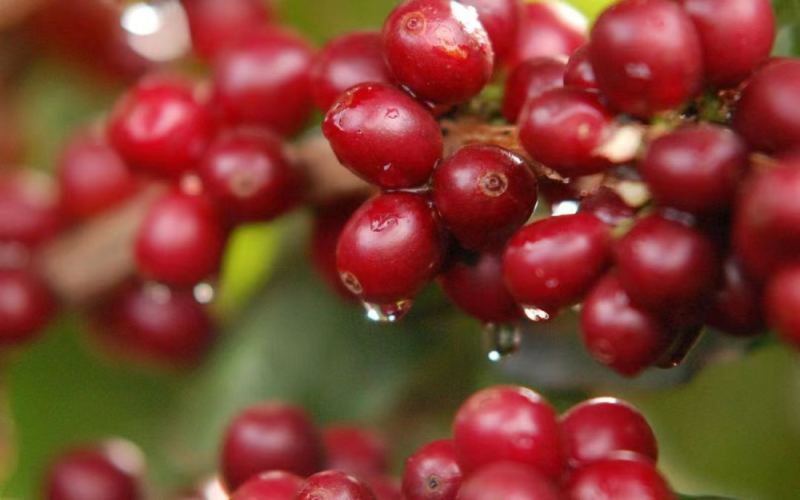
Coffee Basics | What's the difference between Typica coffee and Bourbon coffee? How can coffee beginners distinguish Typica, Bourbon, Caturra, and Geisha coffee beans?
You may or may not know what a coffee tree looks like, what a Typica coffee tree is like, or how about the Bourbon dynasty? There are many types of coffee, but it is not always clear how they differ. Setting aside variations in flavor and profile, there are obvious physical differences between the plants. Let's not even mention the many forms of coffee trees. [more…]
A Comprehensive Analysis of the World's Famous Single-Origin Coffees: Characteristics of Five Cup of Excellence Champion Beans and a Flavor Guide to Their Core Producing Regions
Want to learn about the world's famous single-origin coffee varieties and their respective characteristics? This article will take you into the Coffee Belt to discover the unique flavors of classic origin coffee beans such as Geisha, Blue Mountain, Colombia, Brazil, Yirgacheffe, and Guatemala, and also outline the names and features of five Cup of Excellence champion beans. From origin distribution and processing methods to taste performance, each bean has a clear personality label. At the same time, the article also focuses on the influence of barista culture on the industry, especially the influence of the group of champion baristas in Taiwan. Whether you are a pour-over enthusiast who has just started out or a seasoned player looking for advanced flavors, this guide can help you quickly establish your own coffee flavor coordinates. [more…]

Analysis of the Flavor Characteristics of Medium-Roast Espresso Beans, and Why Espresso Blends Are Chosen for Making Espresso
To make an espresso that balances acidity, sweetness, and bitterness with a full-bodied mouthfeel, choosing the right beans is a key step. Single-origin coffee beans, while excelling in pour-over brewing, often struggle to meet espresso's demand for complexity, so blended beans become the top choice for most roasters. This article will start with the definition and characteristics of Italian-style blended beans, analyze the differences between the two processes of raw blending and roasted blending, and combine several classic blend products from Front Street Coffee to help you understand the taste characteristics of medium-roast Italian-style beans, and why Italian-style blended coffee beans should be chosen for making espresso. [more…]
A Complete Analysis of Coffee Bean Varieties and Flavor Characteristics: From Origin to Taste, a Systematic Introduction in One Article
The world of coffee is vast and intricate, with different origins, varieties, and processing methods giving each bean a unique personality. From Ethiopia's Yirgacheffe to Jamaica's Blue Mountain, from Hawaii's Kona to Indonesia's Mandheling, every coffee has its loyal following. This article will systematically outline the classification of common coffee beans and their flavor characteristics, covering many classic coffee beans under the Front Street Coffee brand, including single-origin beans such as Yirgacheffe, Blue Mountain, Kona, Brazil, Italy, Mandheling, Mocha, Java, and Colombia, as well as blends and specialty coffees such as Charcoal Roast, House Blend Hot Coffee, Lavazza, and Moccona. Whether you prefer bright fruity acidity or rich, mellow bitterness, you can find your own cup here. [more…]
A Guide to Identifying Typica, Bourbon, and Common Arabica Varieties by Plant Morphology
Getting to know what a coffee tree looks like is an interesting way to understand the differences between varieties. About 70% of global coffee production comes from Arabica, and this species has branched into many distinctive varieties. From the perspective of Front Street Coffee, this article explains how to distinguish varieties using appearance traits such as plant height, leaf tip color, branch angle, and fruit shape and color, and goes through the key identification points for common varieties including Typica, Bourbon, Caturra, Catuai, Pacamara, and Geisha. [more…]