







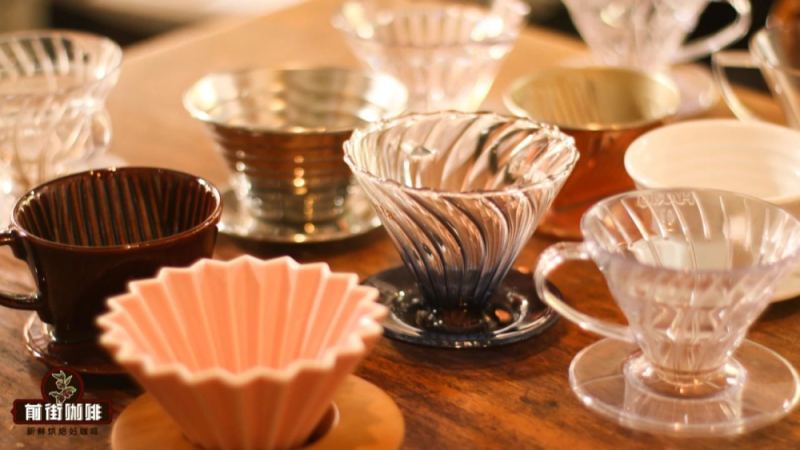
How do dripper ribs change the way coffee particles extract?
The same beans brewed in a different conical dripper can taste noticeably different, because the rib structure controls flow rate and the contact time between coffee particles and water. The Bingtong dripper uses stepped vertical ribs: the filter paper sits raised at the bottom and nearly flush at the top, so a rising water level slows the drawdown and shifts the brew toward immersion.
The V60 relies on a curved spiral rib running from bottom to top, designed to speed the water flow and keep grounds within a suitable extraction range. In a side-by-side test with the same washed Yirgacheffe Worka, the two drippers differed in body, aroma, and complexity, showing how design details shape the cup even within one dripper type.
The same coffee beans, brewed in a different dripper, can taste completely different in the cup. The shape of the dripper determines how the coffee bed is distributed, while the rib structure affects the flow rate and the contact time between coffee and water. Even among conical drippers, design differences can lead to entirely different extraction outcomes. This article takes the Ice Eye dripper and the V60 dripper as its subjects, breaking down everything from rib layout and airflow paths to actual brewing performance, and uses the same washed Yirgacheffe Worka for a side-by-side test to see how these two conical drippers—often discussed at Front Street Coffee—compare in terms of body, aroma, and complexity.
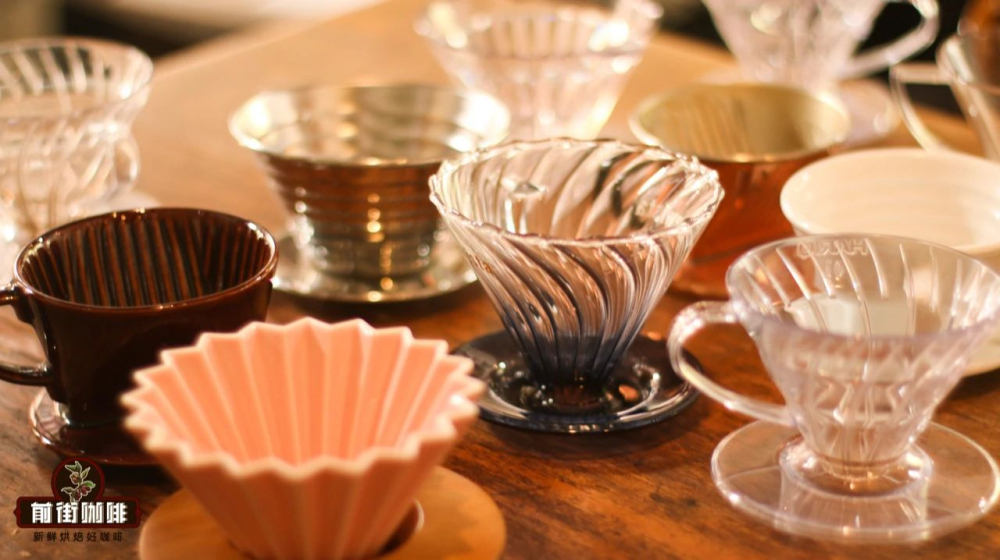
With the same beans, switching to a different dripper to brew often makes the difference in taste and flavor noticeable at first sip. The reason is that different dripper shapes change how the coffee grounds are distributed, which in turn affects the flow rate and the contact time between grounds and water. Even among drippers of the same type, any difference in design details leads to a different final result. The Ice Eye dripper and the V60 dripper discussed today are exactly such examples—both are conical drippers, yet because their ribs are arranged differently, the brewed results are not the same. Let's take a closer look at where their differences lie.
Ice Eye Dripper
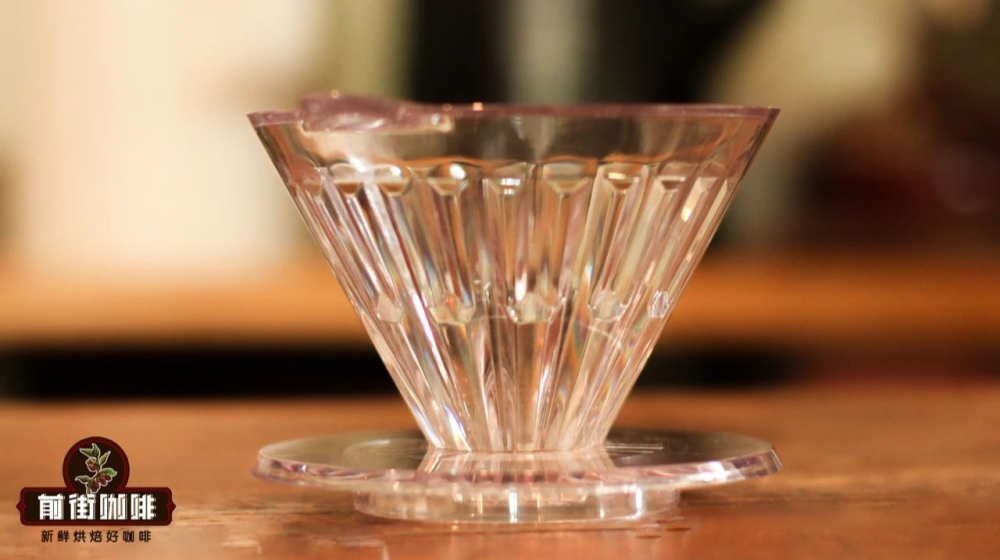
On close inspection, you'll notice that the Ice Eye dripper's ribs are arranged in a stepped, vertical pattern. At the bottom of the dripper, the filter paper is held elevated, while toward the top, the dripper and filter paper are almost completely flush and sealed. This structure brings a practical benefit: when the pour is momentarily too fast or the water temperature is too high, and the water level rises above the guide channels and blocks the airflow space, the water level will slow its descent and shift into immersion-style extraction like the KONO dripper, thereby reducing the risk of under-extraction.
V60
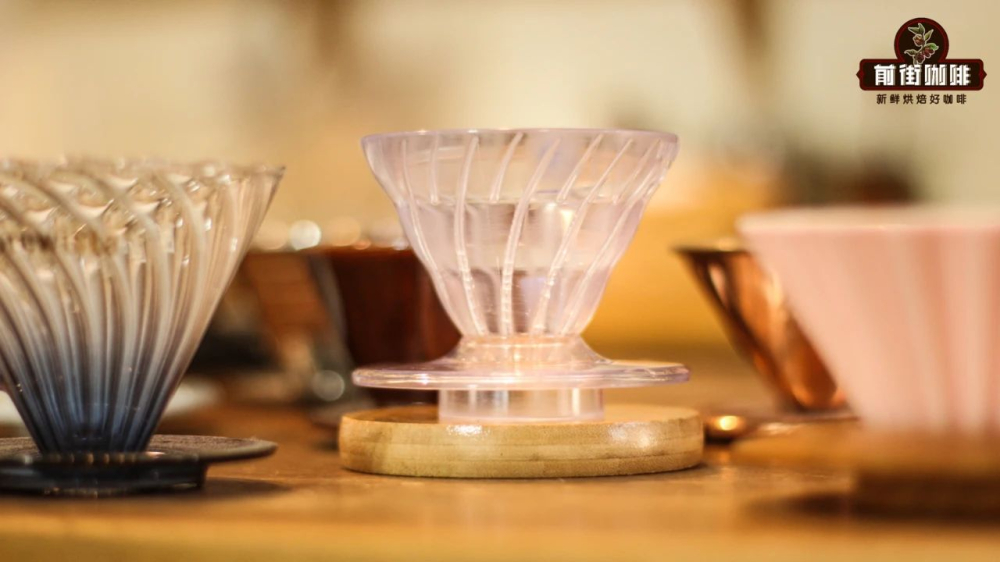
In the author's view, the V60 can almost be considered a precision tool. Its design centers on the speed of the water level dropping, with the goal of keeping coffee particles within a more suitable extraction flow rate. The internal ribs use a curved spiral structure, extending from the bottom all the way to the top, helping accelerate the water flow and keeping airflow smooth throughout. The curved ribs also lengthen the water flow path, increasing the contact time between coffee particles and water.
Brewing Comparison
The bean chosen for this comparison is [Washed Yirgacheffe Worka].
To keep the experiment as consistent as possible, grind size, water temperature, coffee-to-water ratio, and brewing technique were all controlled to the same standard.
Flavor Comparison
The Worka brewed with the V60 has a clearly discernible jasmine aroma, with a bright citric acidity on entry, followed by a sugarcane sweetness and a green tea finish. The flavor layers are rich, overall like a cup of lemon green tea.
The Worka brewed with the Ice Eye dripper has a round mouthfeel when hot, with a slight astringency as it cools. Aromatically, there are notes of bergamot, honeysuckle, and a slight grassy scent, with a faint green tea quality in the finish, accompanied by a citrus-peel-like bittersweet aftertaste that lingers for quite a while.
Conclusion
The Ice Eye dripper indeed lives up to its reputation—the filter paper fits very snugly, making it quite friendly for those who care about details. After several brews, its design philosophy feels somewhat similar to the KONO dripper, also centered on immersion-style extraction, and it's relatively easy for beginners to master. Coffee brewed with the Ice Eye dripper shows good balance and body, with a more restrained aroma. Its slight shortcoming is that its flavor complexity is a bit weaker than the V60's.
The V60, by virtue of its design and relatively fast flow rate, tends to form layers during extraction, and can therefore better showcase a cup's flavor complexity, with a clear and transparent mouthfeel. However, its consistency isn't particularly high, and the fast flow rate can easily cause uneven extraction, with body being just average.
The above content is compiled by CoffeeHunters, a coffee news website.


