







Search Results for: branches
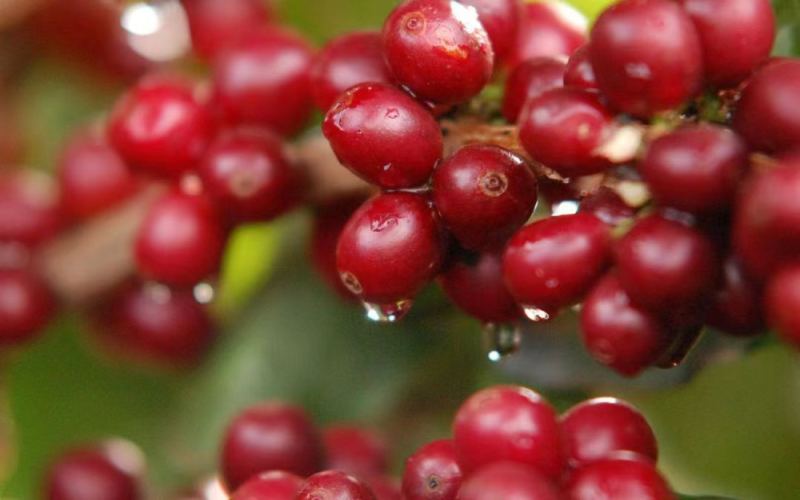
Coffee Basics | What's the difference between Typica coffee and Bourbon coffee? How can coffee beginners distinguish Typica, Bourbon, Caturra, and Geisha coffee beans?
You may or may not know what a coffee tree looks like, what a Typica coffee tree is like, or how about the Bourbon dynasty? There are many types of coffee, but it is not always clear how they differ. Setting aside variations in flavor and profile, there are obvious physical differences between the plants. Let's not even mention the many forms of coffee trees. [more…]
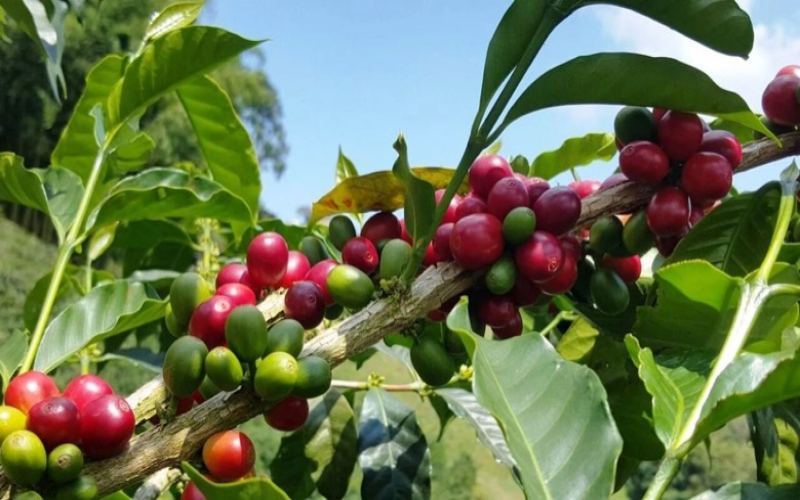
The Bourbon Family Guide: Red Bourbon, Yellow Bourbon, and Pink Bourbon
In the Arabica variety lineage, Bourbon is one of the two great ancient foundational varieties, alongside Typica. It emerged from the ancient forests of Yemen, crossed the seas to settle on Réunion Island, and then spread to Brazil, Central America, and East Africa, evolving along the way into a series of differently colored branches such as Red, Yellow, and Pink. For enthusiasts, getting to know [more…]

Rume Sudan, an ancient and delicious coffee variety.
In the World Barista Championship (WBC) in 2015, the competitor from Australia, Sasa Sestic, won the championship of that year with a Sudan Rume coffee that carried a gentle flower fragrance, the sweet and fresh juice, and the lemon grass aroma, succ [more…]
House Blend Coffee Beans Recommendation | Do Arabica Coffee Beans Determine the Flavor of Espresso Blends? How to Blend Espresso Beans and How to Choose Coffee Beans and What Is the Blending Ratio?
Front Street Coffee · The Art of Blending Coffee Beans and Espresso Blend Recipes Sharing. Blending coffee, also known as mixed coffee, is the practice of combining various single-origin coffee beans to fully bring out the strengths of each single-origin bean, blended beans. [more…]

Espresso Blend Coffee Bean Recommendations | What Is a Coffee Blend? Which Coffee-Producing Regions' Beans Are Suitable for Blending? Introduction to Espresso Blend Principles and Coffee Bean Variety Ratios
Front Street Coffee · The Art of Blending Coffee Beans and Sharing an Espresso Blend Recipe Blending coffee, also known as mixed coffee, is the practice of combining various single-origin coffee beans to fully bring out the strengths of each one. Blended beans [more…]
Where IT Thinking Meets Coffee Culture: How Beta Coffee Went from Hangzhou to Beijing and Became a Gathering Place for Internet People
When IT thinking meets coffee culture, what kind of sparks will fly? In 2009, Bai Ya and a group of internet professionals founded Beta Coffee in Hangzhou, positioning it as a public living room for IT people. In just over two months, it was named the "Best Gathering Place for E-commerce Professionals." In 2011, this trend swept through Beijing's Zhongguancun, and Beta Coffee's Beijing branch officially opened. Soon after, Garage Coffee, 3W Coffee, and others emerged one after another, thus beginning the "Internet Coffee Era." This is not just a place to drink coffee, but also a physical platform for IT people to communicate, share, and seek opportunities. This article takes you into the jianghu stories of Beta Coffee, to experience the unique atmosphere created by the collision of the internet and coffee. [more…]
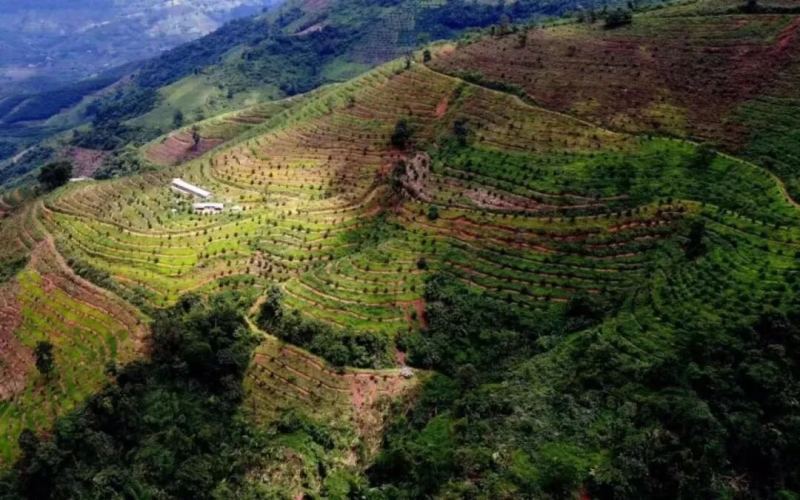
Yunnan Arabica Coffee Recommendations | What Varieties of Yunnan Arabica Coffee Beans Are There? Yunnan Coffee Bean Characteristics and Flavor Review
Front Street Coffee has learned that most people, when they first get into specialty coffee, start with Africa's Yirgacheffe or Sidamo regions in Ethiopia, and when it comes to Asian coffee, most people first think of Indonesia's Mandheling coffee beans. But with the rise of the domestic goods trend, Yunnan coffee from China has begun [more…]
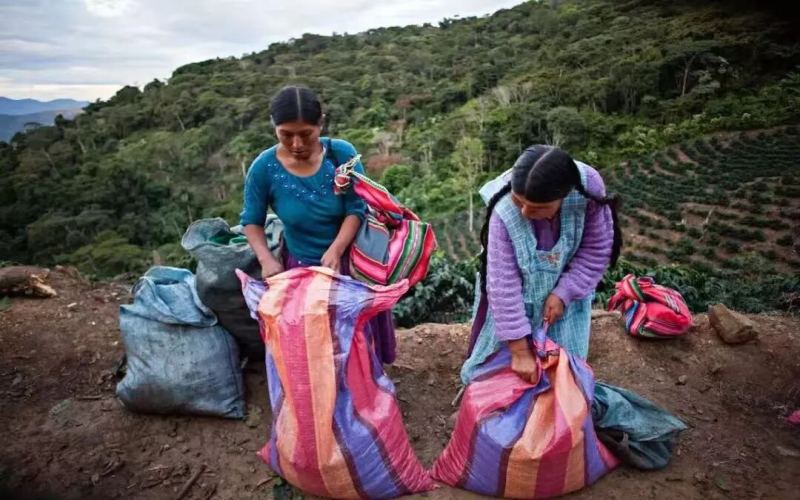
Bolivian Coffee Beans | Why is Bolivian coffee rarely seen in China? What unique characteristics does Bolivian coffee have?w
Bolivia is a fascinating place. Although it is called a paradise for coffee growing, its production has always been low. Front Street Coffee is deeply impressed by the delicate flavors of Bolivian coffee. In terms of flavor expression, Bolivian coffee is mostly characterized by rich sweetness and soft acidity. At the 2017 WBC (World Coffee [more…]
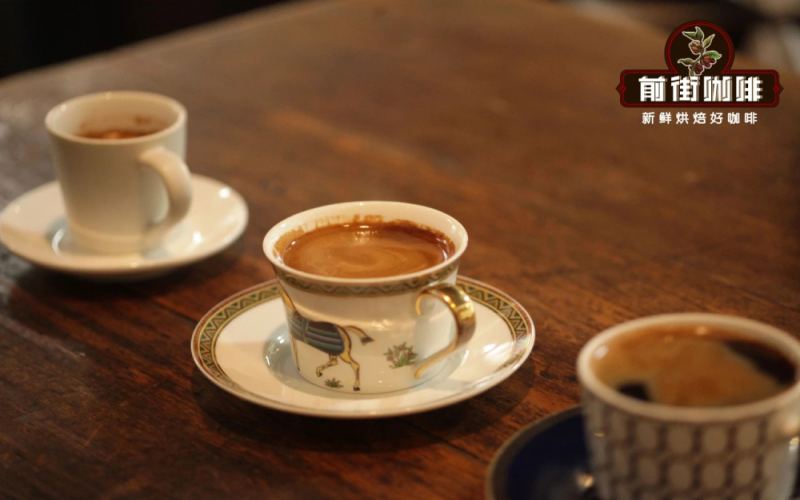
Espresso Coffee Bean Recommendations | What's the Difference Between Latte Espresso Beans and Single-Origin Coffee Beans? What Are Some Common Recommended Latte Espresso Bean Blends?
Some friends may know about coffee beans, but not realize that coffee beans are also divided into espresso and single-origin. Actually, it's not hard to understand—the lattes and similar drinks we often have belong to espresso coffee, so the coffee beans used must match accordingly. Not all coffee beans can be used to make espresso. Some people ask Front Street: So what kind of [more…]
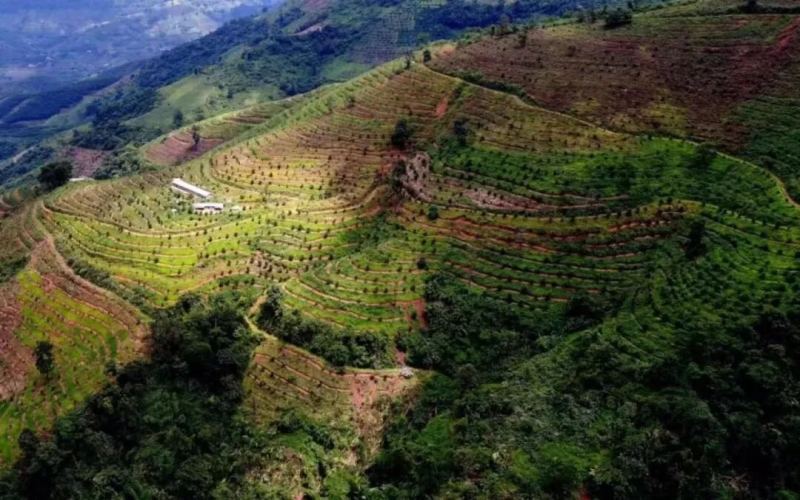
Yunnan Coffee | Where is China's coffee-producing region? Why is Yunnan suitable for growing Arabica? What are the characteristics of Yunnan coffee varieties?
Front Street Coffee has learned that most people, when they first get into specialty coffee, start with Africa's Ethiopian Yirgacheffe or Sidamo regions, while when it comes to Asian coffee, most people first think of Indonesia's Mandheling coffee beans. But with the rise of the domestic goods trend, Chinese Yunnan coffee has begun [more…]
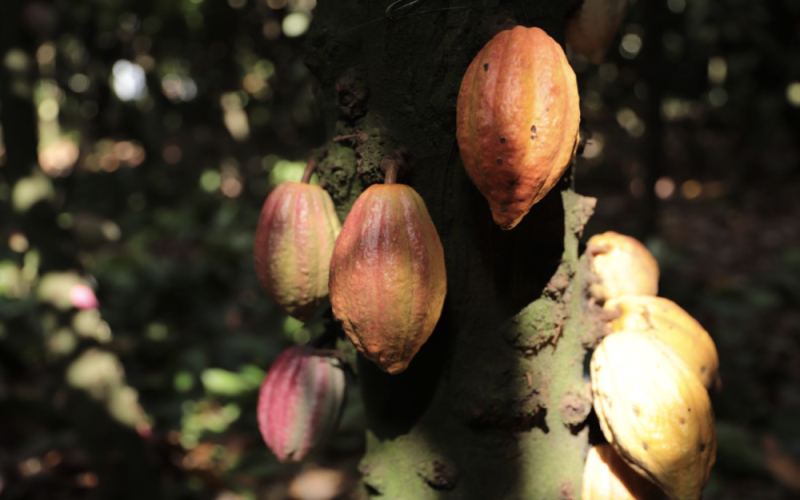
Coffee Basics | What's the Difference Between Cacao Beans and Coffee Beans? Where Does the Cacao Flavor in Coffee Beans Come From? Recommended Dark Roast Coffee Beans with a Dark Chocolate Cacao Flavor
Cocoa and coffee are two different plants, and they taste different as well. Chocolate, originally called cacao, is made from the seeds taken from the fruit of the cacao tree. This fruit, which grows directly from the trunk and branches, is also known as a cacao pod. Ripe cacao fruit, that is, the cacao pod, ranges in color from [more…]
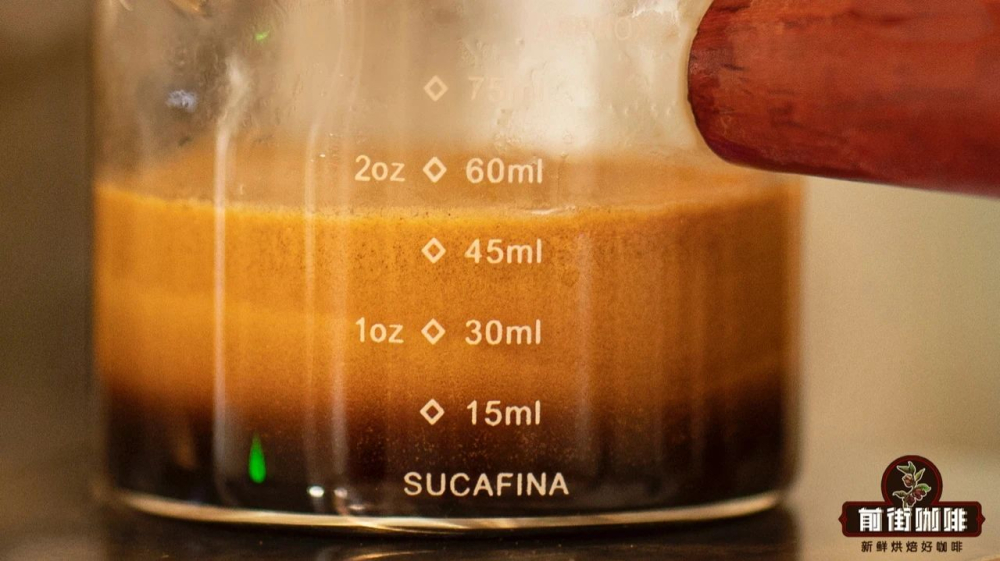
Espresso Bean Brand Recommendations | What's the Difference Between Americano Coffee Beans and Espresso Coffee Beans? Which Tastes Better, Espresso or Americano Black Coffee? Introduction to the Origin and Extraction Ratio of Espresso
In recent years, China's specialty coffee craze has grown hotter and hotter. However, in most cases, whenever you meet up with friends to chat over coffee at a café, espresso-based coffee is bound to make an appearance. And under the branch of espresso-based coffee, there is actually an option called Americano, which leaves many friends scratching their heads—espresso-based coffee [more…]
A Complete Guide to Arabica Coffee: From Botanical Classification to Variety Characteristics and Origin Distribution
What exactly does a coffee tree look like? What is the essential difference between Arabica and Robusta? Starting from botanical classification, this article systematically sorts out the complete classification system of the genus Coffea and explains in detail the origins, growing conditions, flavor characteristics, and main subspecies of the two major commercial varieties, Arabica and Robusta. You will learn about the anatomical structure of the coffee cherry, the spread paths of classic subspecies such as Typica and Bourbon, and the genetic connections between Yunnan small-bean coffee and Blue Mountain and Kona. Whether you are a beginner enthusiast or a seasoned professional, this basic knowledge about coffee varieties is worth reading. Front Street Coffee will also recommend variety information worth paying attention to in this article. [more…]

A Flavor Map of Dark Roasts and Richness: A Bold Bean Lineup Starting from Mandheling
Lovers of rich, full-bodied crema will eventually find their way into the world of dark-roasted beans. There, there is none of the fresh, fruity acidity—instead, there is an intense landscape woven from dark chocolate, caramel, herbs, and smoke. This flavor map starts from Mandheling and marks out, one by one, the classic coordinates of the dark-roast world. The starting station is Mandheling itself. Sumatra's wet-hulling process [more…]
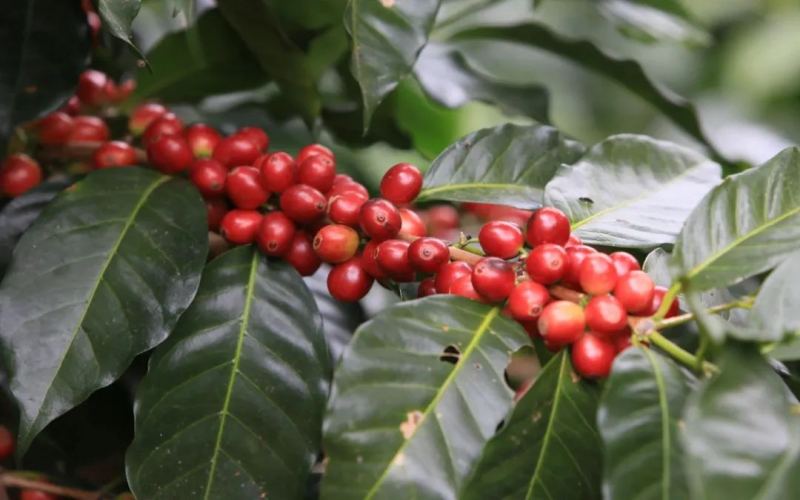
YunNan coffee varieties|Where does the "devil's aftertaste" of Catimor come from? Is Catimor Arabica?
Arabica and Robusta are the two major coffee genera with the greatest commercial value, and they each have their own advantages and disadvantages. For example, the flavor of the Arabica variety is good, but the disease resistance of most of them is r [more…]
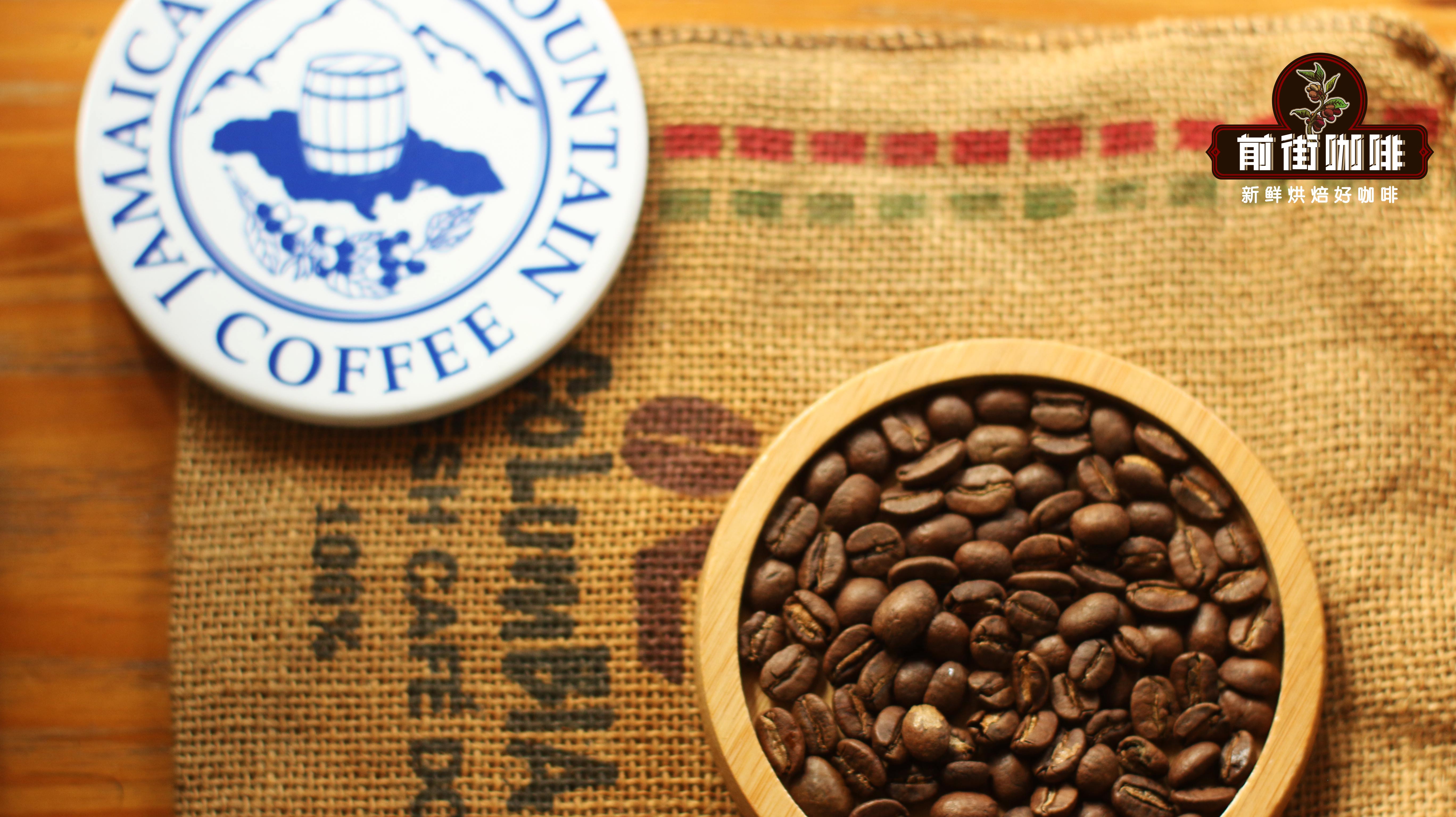
The Origin of Blue Mountain Coffee | What Grade Is Jamaica Blue Mountain No. 1 Coffee? What Are the Flavor and Taste Characteristics of Blue Mountain Coffee? How to Tell Real Blue Mountain Coffee from Fake?
There are two kinds of Blue Mountain coffee on the market, and it's easy to buy the wrong one by mistake. One is Blue Mountain flavor, which refers to beans roasted from coffee beans of other regions; these are labeled as Blue Mountain flavor coffee. The other kind, Blue Mountain coffee, refers to coffee produced in the Blue Mountain region of Jamaica, and when we refer to Blue Mountain coffee, we mean [more…]
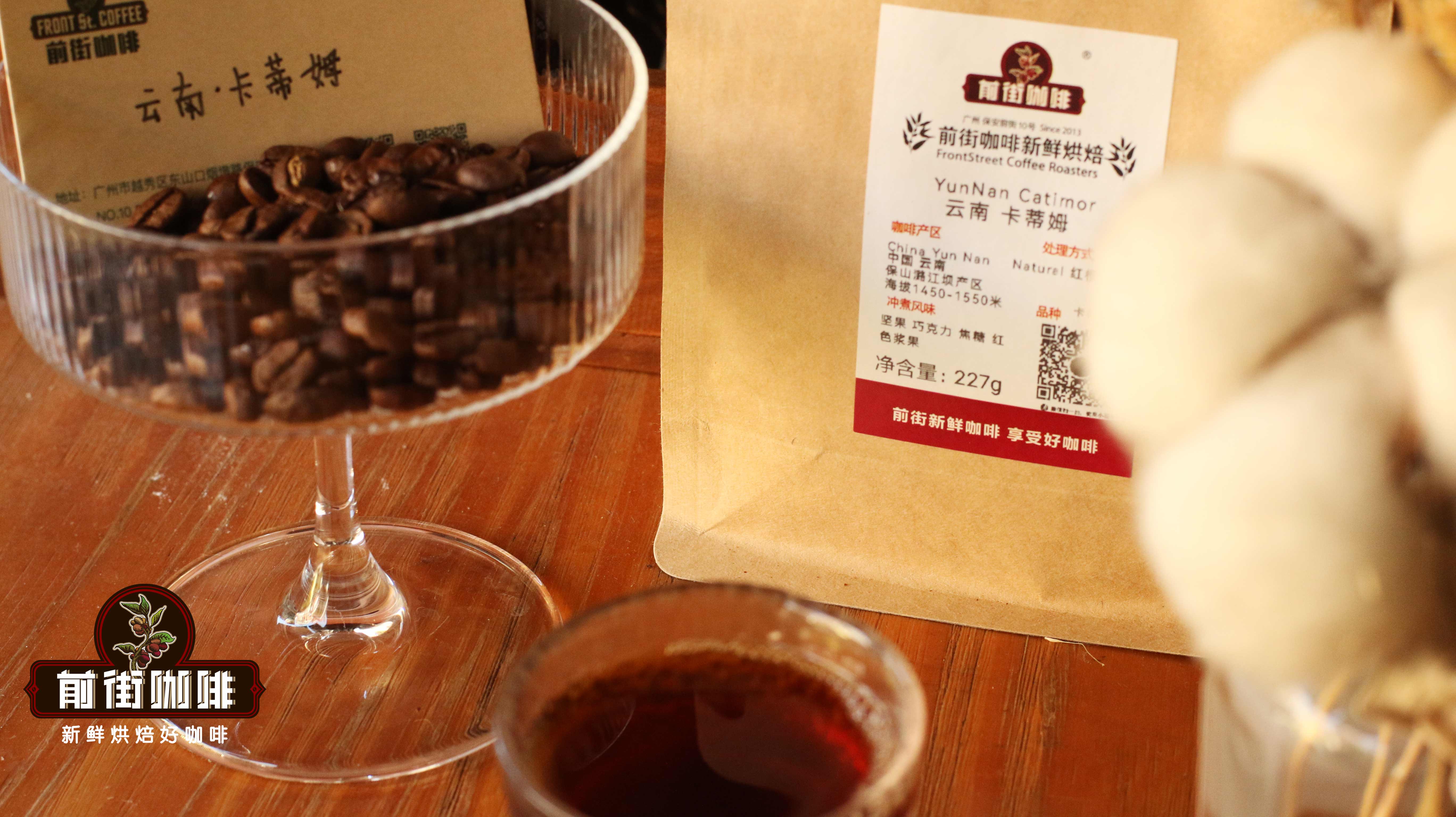
Analysis of Yunnan small-bean coffee varieties: From Catimor to Typica—flavors, origins, and brewing suggestions
Yunnan, as the core coffee-growing region in China, nurtures small-bean coffee that is rich but not bitter, aromatic but not harsh, with a slight fruity note, thanks to its low latitude, high altitude, and abundant rainfall. The most common variety on the market is Catimor, but a small amount of Typica is still grown—for example, Front Street Coffee's estate in Lincang cultivates Typica. This article systematically reviews the variety classification, morphological characteristics, main producing regions, processing methods, and brewing parameters of Yunnan coffee, and includes flavor descriptions of Front Street Coffee's washed Yunnan small-bean, natural Catimor, and 2013 natural Typica, helping enthusiasts gain a comprehensive understanding of Yunnan coffee's past and present. [more…]

Analysis of Coffee Tree Potted Cultivation and Growing Region Conditions: From Plant Classification to Artificial Planting Practices
Coffee, this everyday beverage, originates from the fruit of the coffee tree. This article begins with its botanical classification and systematically examines the origins, growth habits, and suitable cultivation regions of the coffee tree. The coffee tree belongs to the genus Coffea in the family Rubiaceae and is an evergreen shrub, naturally distributed across the "Coffee Belt" between the Tropic of Cancer and the Tropic of Capricorn. Beyond commercial cultivation, the coffee tree can also be grown as an ornamental potted plant, displaying its unique charm in artificial environments. The article will explain in detail the coffee tree's growth cycle, pruning management, and planting applications in coffee shops, accompanied by multiple images to aid explanation, helping coffee enthusiasts gain a more comprehensive understanding of this plant's natural and cultivated growing requirements. [more…]
Analysis of Coffee Variety Structure in Yunnan: Distribution and Characteristics of Typica, Bourbon, and Catimor
Yunnan, as China's core coffee-producing region, has always been a topic of interest among coffee enthusiasts when it comes to the composition of its planted varieties. Currently, Yunnan coffee is not a single variety, but is mainly composed of three major categories: Typica, Bourbon, and Catimor. Among them, Catimor has become the main force due to its disease resistance and high yield, while Typica and Bourbon remain in localized areas such as Baoshan. Although these three varieties all belong to the Arabica species, they differ significantly in flavor, yield, and maintenance difficulty. This article will provide a detailed review of their origins, characteristics, and production area distribution, and explore the genetic connections between Yunnan small-bean coffee and famous varieties such as Blue Mountain and Kona. Front Street Coffee will also combine the current situation of the production area to interpret for you the flavor logic behind the varieties. [more…]

Characteristics of espresso blend beans | How to distinguish single-origin beans from blend beans? How to blend an espresso bean suitable for making espresso?
Today FrontStreet Coffee would like to share with you the two major categories of coffee beans: single-origin beans and blend beans. Blended coffee, also known as composite coffee, is made by mixing various single-origin coffee beans together, so as to fully bring out the strengths of each single-origin bean. Blend beans [more…]