







Search Results for: coffee volume
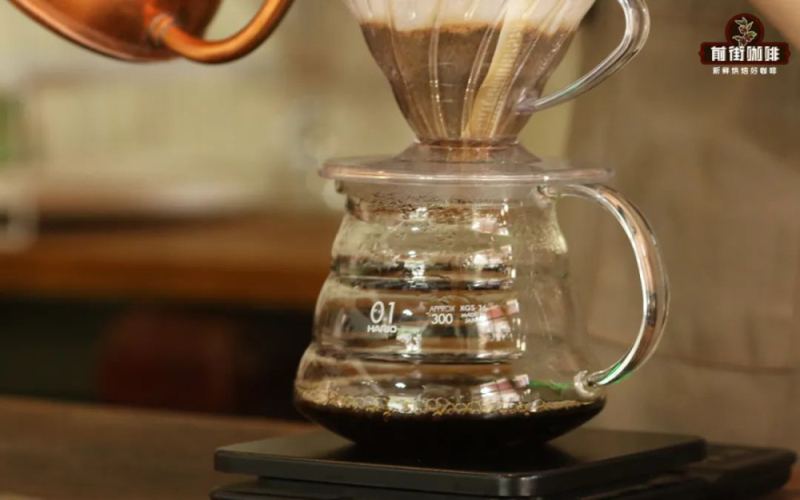
How should the water volume for each pour be scientifically configured when making pour-over coffee with staged pouring?
Segmented pouring in pour-over coffee seems simple, but in reality, even subtle changes in the water volume of each segment leave their mark in the cup. Many friends new to pour-over are often puzzled: how exactly should the water volume after blooming be divided? And in what direction do different distribution schemes take the flavor? Front Street used the Yirgacheffe Gote Gote as a sample and designed three comparative experiments, fixing the dose at 15 grams, the coffee-to-water ratio at 1:16, medium-fine grind, and water temperature at 91°C, changing only the water volume ratio between the second and third pours, to observe how acidity, sweetness, mouthfeel, and finish trend. The experiment also revealed the potential impact of the relationship between the height of the coffee bed wall and the water level on extraction uniformity, and offers reference ideas for flexible adjustment in actual practice. [more…]
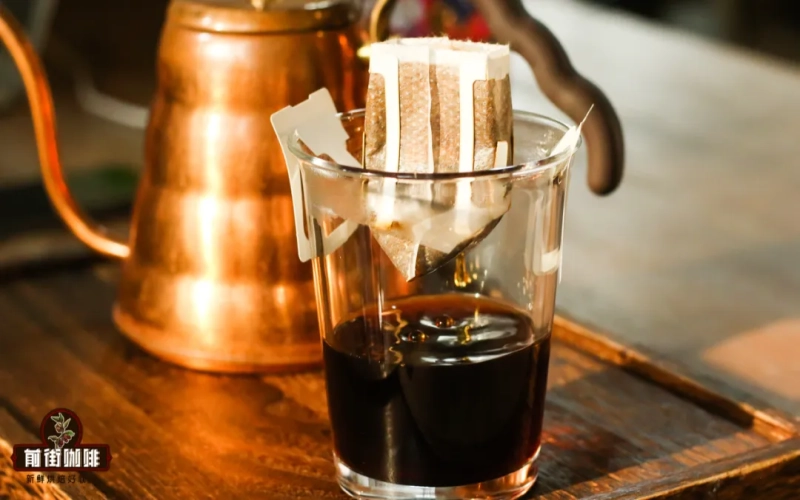
The Complete Guide to Drip Bag Coffee Brewing: Mastering the Three-Stage Control of Water Temperature, Volume, and Time, and Experiencing the Flavors of Front Street's Five Producing Regions
Drip bag coffee has become the top choice for many people during business trips, office work, and travel thanks to its convenience—no need to grind beans or use professional equipment. However, many people encounter problems such as weak flavor, sharp acidity, or noticeable astringency when brewing. In fact, as long as you master the three key parameters of water temperature, water volume, and brewing time, you can make a cup of coffee close to pour-over quality with a drip bag. This article will explain, one by one, the different water temperature requirements for light and dark roasts, the conversion method for a 1:15 coffee-to-water ratio, visual pouring techniques when no scale is available, and the complete process of pouring in 3~4 stages, blooming for 30 seconds, and a total time of about 2 minutes. It will also introduce the flavor sequence of Front Street Coffee's classic five-origin drip bag coffee, helping beginners get started easily. [more…]
Fruity Aroma Gene Bank: A Profile of Origins and Processing Methods Behind Floral and Fruity Coffee Beans
The floral and fruity aromas of coffee are not magic conjured by the roaster, but genes written into the terroir of the producing region and the processing method. Flip through the origin records of the mainstream floral and fruity bean varieties on the market, and you will find that behind every fruity note lies a traceable origin story. The opening volume of the records is Ethiopia. As coffee's [more…]
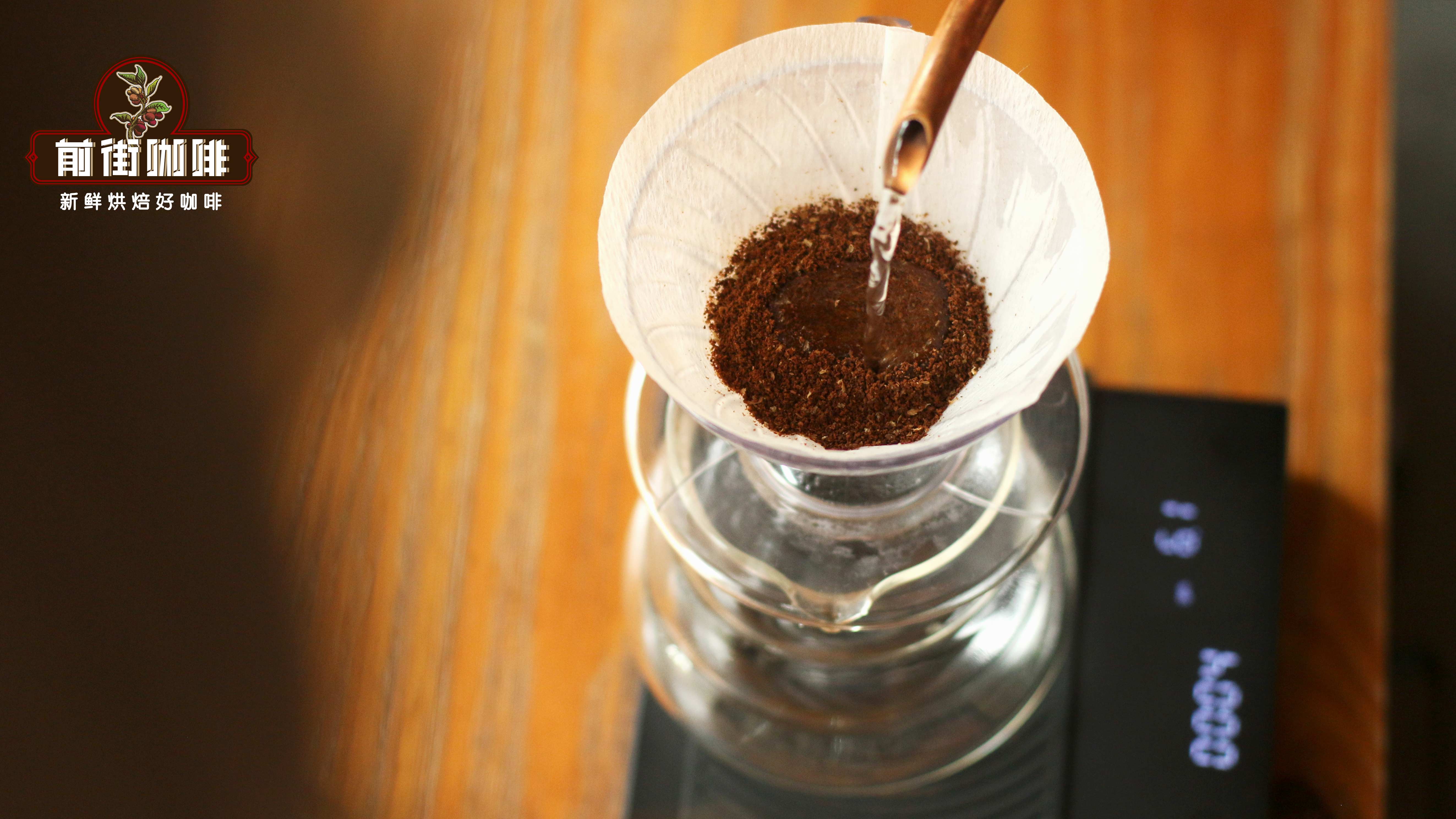
How Do Blooming Water Volume and Time in Pour-Over Coffee Affect Flavor, and an Analysis of the Brewing Process
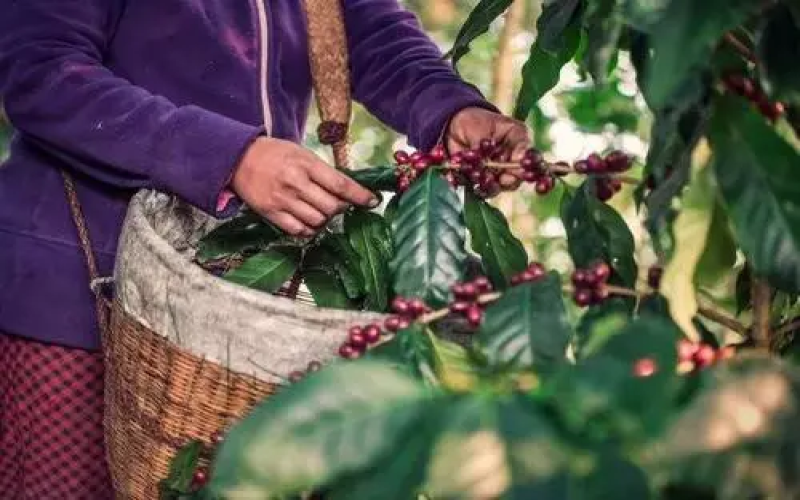
The first step in pour-over coffee is usually the bloom. How much water is poured at this step and how long it lasts will directly affect the final flavor profile. This article analyzes the purpose of the bloom, the saturation water absorption of coffee grounds, and the differences in water absorption among beans of different roast levels. It explains why most tutorials recommend pouring water at twice the coffee dose, while also explaining why in practice some coffee liquid still drips into the server ahead of time. The article also combines specific beans such as Front Street. Golden Mandheling, Front Street. Queen's Estate, Front Street. Washed Yirgacheffe Giddingding, and Front Street. Natural. Flower Queen to offer flexible adjustment ideas for 1.5 to 2 times the water amount, and discusses the influence of pouring technique and bean freshness on water absorption, helping enthusiasts find a bloom method that better suits the bean's characteristics. [more…]
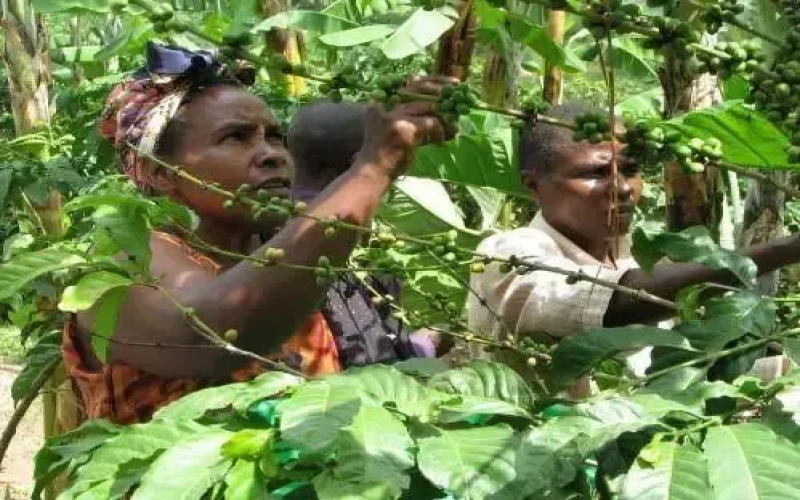
Uganda's Coffee Exports Rise in Both Volume and Price, China-Africa Cooperation Boosts New Opportunities for Trade with China
Uganda, as an important coffee-producing country in Africa, has recently delivered impressive export results. In the 2023/24 fiscal year, the country's total coffee exports exceeded 6.13 million bags, with export value reaching US$1.144 billion, representing year-on-year growth of 6.33% and 35.29% respectively. This growth has benefited both from rising international coffee prices and from the EU's upcoming deforestation-free regulation and tight supply from Vietnam. At the same time, China-Uganda agricultural cooperation continues to deepen, and the Forum on China-Africa Cooperation is expected to open a broader Chinese market for Ugandan coffee. This article will review the latest data on Uganda's coffee exports, variety performance, and future prospects, and bring relevant recommendations from Front Street Coffee. [more…]
Under drought and durian pressure, Vietnam's coffee production declines, export volume drops by 10% but prices soar
As a major global coffee producer, Vietnam faced a setback of declining export volumes in the first half of 2024. Data shows that coffee export volume fell by 10.5% year-on-year in the first six months to 902,000 tons, but thanks to a 50.4% surge in average export prices, total export value instead climbed to US$3.22 billion, an increase of 34.6%. Behind the production decline are both irreversible damage to coffee trees caused by drought and competitive pressure from cash crops such as durian and passion fruit, with large numbers of farmers switching to more profitable fruit trees, leading to a continued shrinkage of coffee-growing area. Although coffee prices have risen to high levels, they are still not attractive compared with the profits from crops such as durian. At the same time, demand for Vietnamese coffee in the South Korean market is growing, bringing a glimmer of warmth to the export outlook. [more…]
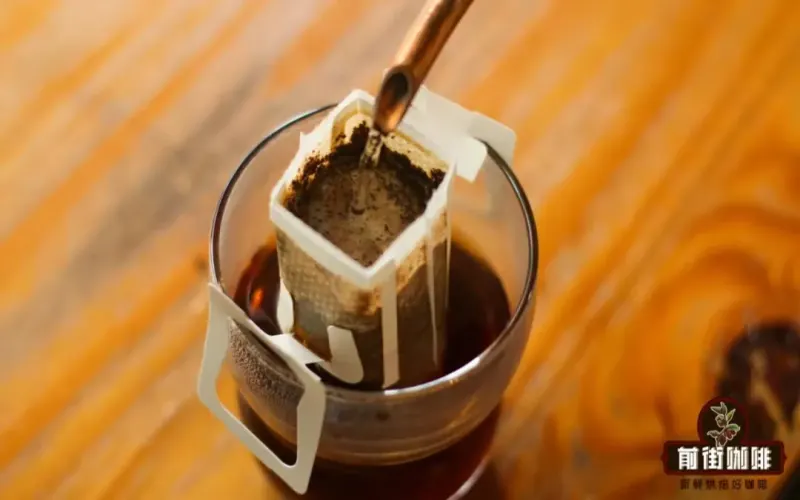
Analysis of the Differences Between Drip Bag Coffee and Pour-Over: Drip Bag Composition, Control of Water Temperature and Volume, and Simple Brewing Steps
Drip bag coffee has become the top choice for many people's daily coffee due to its portability and ease of operation. What exactly are the differences between it and pour-over coffee? This article will start with the structure of the drip bag, sort out the essential differences between it and pour-over in terms of equipment and process, and share a simplified brewing method that only requires attention to two parameters: water temperature and water volume. At the same time, for different taste preferences, the article also compiles the flavor characteristics and purchasing suggestions of multiple drip bag products under the Front Street Coffee brand, helping you obtain a cup of drip bag coffee with suitable strength and full flavor in the simplest way and with stable results. [more…]
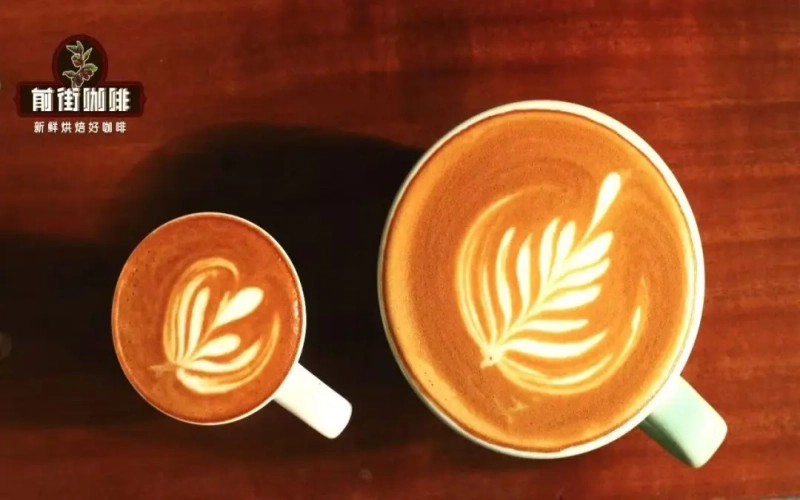
How to make delicious lattes with different cup sizes? A complete adjustment approach from coffee-to-water ratio to milk pairing
When recreating a coffee shop latte at home, many people find that the taste is either too weak or too strong, but the problem often lies in the ratio of coffee to milk. Using Front Street's 300ml latte as a baseline, this article shares two approaches for adjusting cup size: one is to keep the ratio unchanged and adjust the dose and grind size in tandem; the other is to switch milk type or the number of espresso shots to suit different volumes. Whether you want to make a small cup or a large cup, the key is to rebalance the coffee strength and the amount of milk, rather than simply adding or reducing milk. [more…]
A Complete Guide to Pour-Over Coffee Brewing: Blooming Techniques, the Coffee Wall Principle, and Step-by-Step Tutorial on Controlling Extraction Water Volume
The flavor expression of pour-over coffee often depends on the details of blooming, pouring rhythm, and extraction volume control. This article starts with why the blooming area should be controlled to the size of a nickel, and gradually analyzes the connection between coffee particle degassing and space recovery, the formation and role of the coffee wall, and how to judge the timing of the second pour under different degassing states. It also explains the reference value of a 1:15 water-to-coffee ratio and ways to adjust it, and includes a pour-over video tutorial and practical Front Street Coffee product recommendations to help coffee enthusiasts systematically master the pour-over brewing steps and core essentials. [more…]
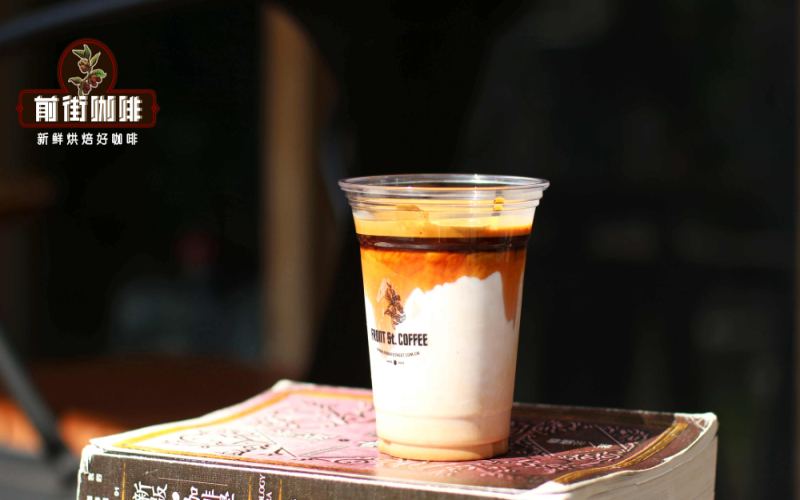
Why do iced coffees vary in cup volume when ordered without ice? Looking at the logic of topping up after removing ice in Americanos, Lattes, and Cappuccinos
When ordering an iced espresso drink without ice at a coffee shop, some people receive a full cup, while others get only a seven-tenths-full cup, or even half a cup. This difference in volume is not accidental, but is closely related to the store's business philosophy, recipe ratios, ice quality, and the concentration of the coffee beans and milk. Starting from the production practices at Front Street Coffee, this article analyzes why iced coffee drinks such as Americanos, lattes, and cappuccinos end up with different cup volumes after the ice is removed, and how adding water or milk after removing the ice affects the coffee's concentration, taste, and mouthfeel, helping coffee enthusiasts understand the logic of trade-offs behind a cup of ice-free coffee. [more…]

Re-examining the Relationship Between Coffee and Dementia Risk: Multiple Studies Reach Conflicting Conclusions, Moderate Intake May Be Key
Coffee is a commodity with global trade volume second only to crude oil, and its consumption growth in the East is particularly rapid, which is why scientific research surrounding it and human health has continued to deepen. Interestingly, the conclusions of related studies are not consistent: some have found that drinking coffee can slow cognitive decline, while others suggest that excessive consumption may shrink brain volume and increase dementia risk. This article reviews several representative cohort studies from around 2021, involving findings from Edith Cowan University in Australia, Tianjin Medical University, and the University of South Australia, attempting to clarify the complex associations between coffee intake and Alzheimer's disease and stroke, and to explore the relationship between the number of cups consumed daily and the safe upper limit of caffeine. [more…]
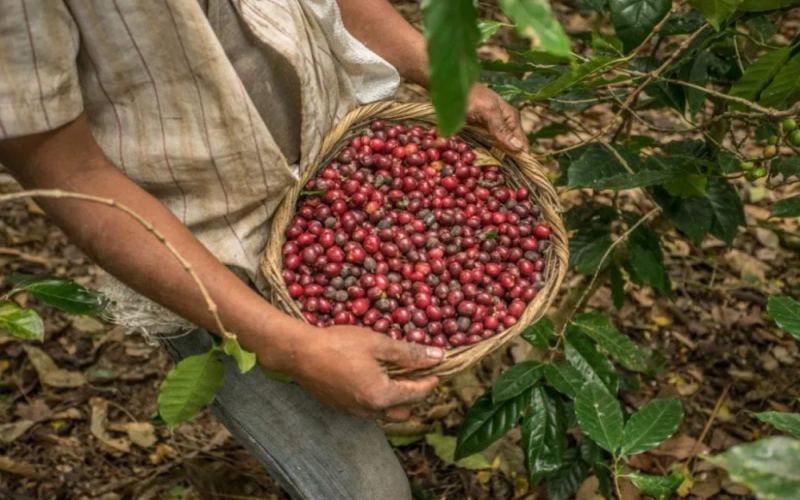
Honduras coffee export volume rises while prices fall, approval for direct supply to China may become a new growth point
Honduras, as the largest coffee producer in Central America, has recently presented a complex situation of rebounding export volumes but declining revenue. In February 2024, Arabica sales increased by 26% year-on-year, yet export earnings fell by 20% in the first four months of this harvest season. Against the backdrop of traditional buyers being concentrated in seven countries across Europe, the Americas, and Asia, Honduras is actively seeking market diversification. As China allows direct imports of its green coffee beans and more companies obtain certification for exports to China, this Central American country's coffee industry has welcomed new opportunities. The expansion of cafes in Chinese cities and rising demand among young consumers have injected strong momentum into Honduras's coffee exports. [more…]
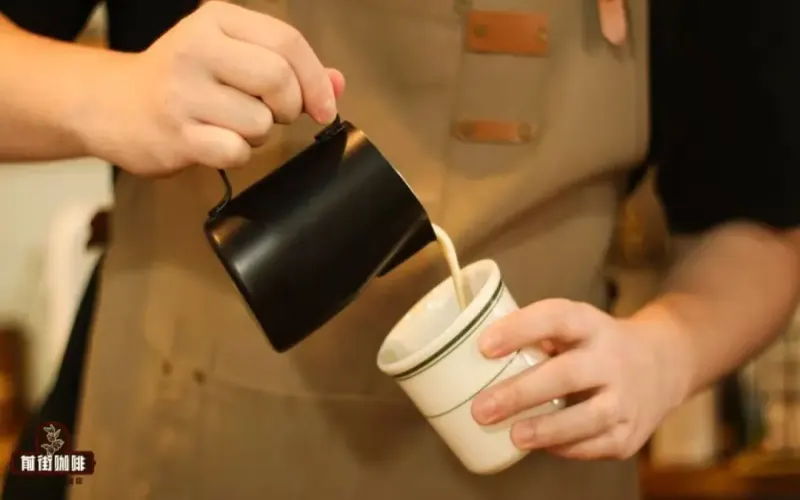
Key details in the milk-pouring and integration stage of latte art: how flow rate, pouring distance, and milk volume affect the final result
When making an espresso latte, the success of the latte art pattern often depends on whether the integration step is done properly. When integrated well, the pattern background is clean and the coffee flavor is unified; when integrated poorly, not only does the image look messy, but the mouthfeel also feels disjointed. Front Street Coffee points out that there are three easily overlooked details in the integration stage: the flow rate of the milk being poured, the distance between the milk pitcher and the liquid surface (the pouring distance), and the amount of milk used for integration. This article will break down these three key points one by one, explaining why a low flow rate combined with a high pouring distance is more conducive to integration, as well as the specific requirements for integration milk volume for different latte art patterns, helping you make latte coffee with consistent flavor and a clean image at home. [more…]
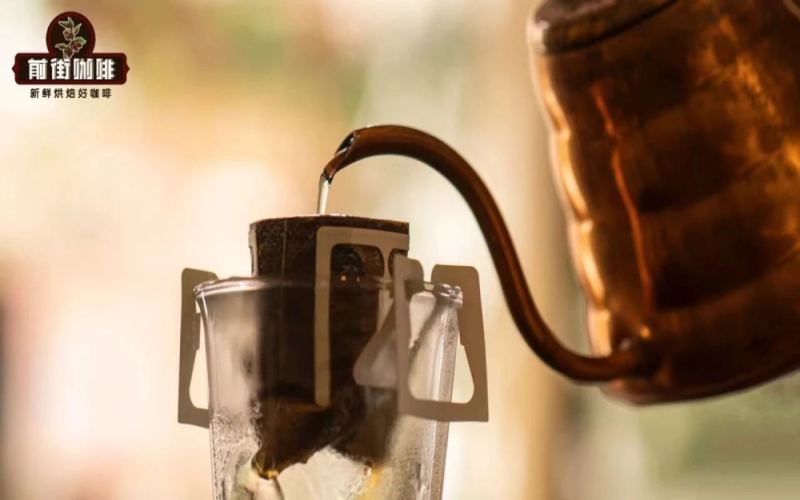
Drip bag coffee brewing water volume vs. pour-over: Front Street Coffee barista explains brewing techniques and methods in detail
Drip bag coffee, with its convenience, has become a popular choice for enjoying black coffee in the office, at home, and while traveling. But how many milliliters of water should be used to brew a single bag of drip coffee? Can it be brewed as precisely as pour-over coffee? In this article, the baristas at Front Street Coffee will share practical brewing methods for drip bag coffee, answer common questions about brewing water volume and water temperature control, and explain why drip bag coffee cannot be brewed repeatedly. We will also introduce the flavor characteristics of three seasonal drip bag coffees—Front Street. Mandheling, Front Street. Yirgacheffe, and Front Street. Brazil Cerrado—to help you easily brew a good cup of coffee even without professional equipment. [more…]
How to brew drip bag coffee for the best taste? A detailed explanation of the three key points—water temperature, amount of water, and time—plus Front Street flavor drip bag recommendations.
Drip bag coffee, with its convenient advantages of requiring no grinding and no professional equipment, has become the go-to staple for many people during business trips, office work, and travel. However, quite a few friends report that the drip bag coffee they brew themselves turns out either bland and tasteless or sharply sour and bitter—the problem often lies in three key parameters: water temperature, amount of water poured, and brewing time. This article begins with an introduction to the flavors of Front Street Coffee's classic five-origin drip bag coffee, then systematically explains the suitable water temperature ranges for light-roast and dark-roast drip bags respectively, the selection of coffee-to-water ratios and visual measurement techniques, and how to control the extraction time to around two minutes through staged pouring, helping you brew a delicious cup of drip bag coffee that rivals pour-over in the simplest way possible. [more…]
Under the dual impact of climate shocks and market downturn, El Salvador's coffee export volume and value have plummeted, with Chinese demand emerging as a potential bright spot.
Due to a combination of extreme weather, falling coffee futures prices and labor shortages, El Salvador's coffee bean export volume and export value both fell sharply in the first four months of the 2023/24 harvest season. According to a report by the Salvadoran Coffee Institute, export volume fell by nearly 47% year-on-year, export value dropped by more than 50%, and in January alone export value plunged by more than 90%. The United States remains the largest buyer, but Italy, Saudi Arabia and other countries follow closely behind in share. The decline in production is directly related to drought and extreme rainfall caused by the El Niño phenomenon. At the same time, El Salvador's coffee exports to China are on the rise, with 13 trading companies having completed registration in China, and the industry is optimistic about the potential of the Chinese market. Front Street Coffee continues to follow developments in the producing regions and bring frontline news to enthusiasts. [more…]
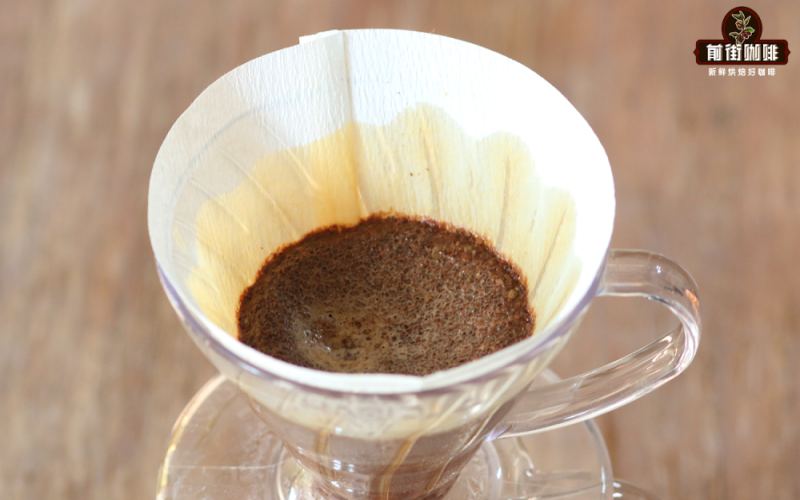
The Cause of the Central Collapse in the Coffee Bed After the Bloom in Pour-Over Brewing: The Combined Effect of Water Volume, Technique, and Grind Size
The blooming phase of pour-over coffee is often seen as the first dialogue with the coffee grounds, and an ideal expansion state often indicates a smooth subsequent extraction. However, sometimes the coffee bed clearly puffs up, only to have a pit form in the middle moments later—is this actually normal? This article analyzes this phenomenon, first explaining the physical mechanism behind expansion followed by collapse, and then investigating the causes one by one from three angles: water volume, pouring technique, and grind size. Front Street Coffee uses 15 grams of light-roast beans for simulation comparisons, showing the actual changes in the coffee bed under different parameters, to help you quickly identify problems in daily brewing, adjust your technique and parameters, and get the blooming state back on track. [more…]
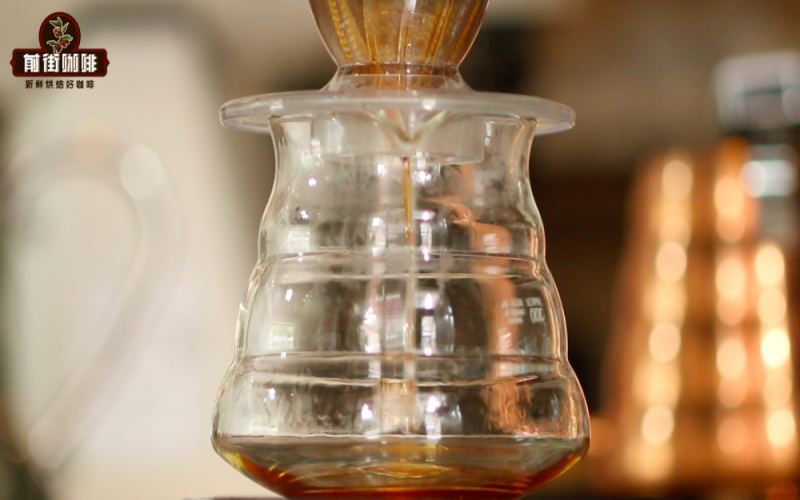
How to determine the amount of water and time for the bloom in pour-over coffee? Yirgacheffe brewing parameters and observation points under the dripper
Bloom is an essential step in pour-over coffee that you can't avoid, but most discussions focus on the expansion of the coffee bed above the dripper and overlook the fact that the coffee liquid dripping from the dripper below can also reveal problems. This article approaches the topic from the perspective of dripping below the dripper, analyzing why the recommended bloom water amount is twice the coffee dose, whether it's normal for excess coffee liquid to flow into the server, and how the three major factors of grind size, roast level, and pouring technique affect drainage during blooming. The article also provides reference drip amounts for dark-roast and light-roast beans using 15 grams of coffee and 30 milliliters of water, and draws on Front Street Coffee's brewing experience to share the actual timing of when dripping starts and stops during blooming, helping coffee enthusiasts more accurately assess the bloom state. [more…]

Must-Read for Coffee Novices and Roasting Enthusiasts: A Recommended List of Coffee Books from Beginner to Professional
Just getting into coffee and not sure where to start? Want to dive deep into roasting but can't find a reliable reading list? This article compiles a practical book guide for coffee lovers at different stages, from zero-foundation beginners to green bean sourcing and roasting science, covering core topics such as pour-over extraction, varieties and processing, tasting and cupping, and origin knowledge. Whether you're a complete novice or a practitioner with some foundation, you'll find something that suits you. At the end, we also recommend an academic guide that can be called the "ceiling," as well as Front Street Coffee's professional communication channel, to help you systematically improve your coffee knowledge. [more…]
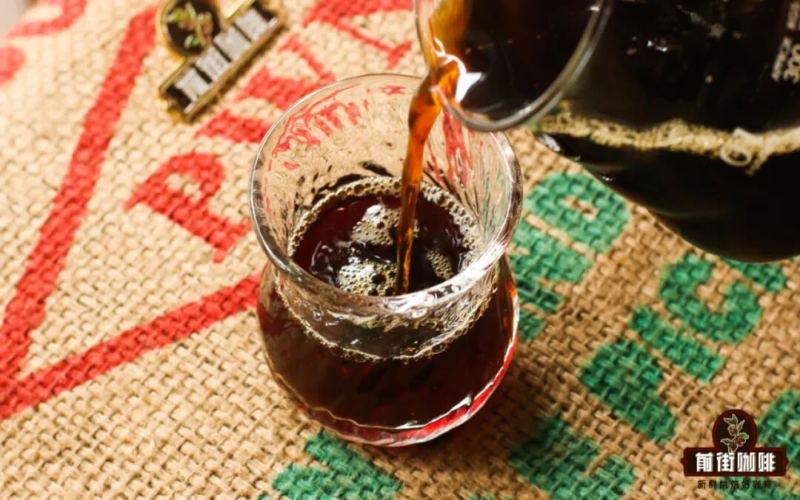
Iced Coffee Pour-Over | How to Make a High-Sweetness Iced Pour-Over with Dark Roast Coffee Beans? Introduction to the Brewing Parameters for Indonesian Golden Mandheling Iced Pour-Over Coffee
According to today's meteorological bureau report, the high temperatures in Guangdong will persist until around November. This means that for nearly two months to come, we still won't be able to do without the ultimate heat-relief weapon—iced coffee! So some friends, just like Front Street, after drinking too many sweet-and-sour light-roast iced coffees, sometimes want to switch to [more…]