







How Does Drip Bag Coffee Differ From Pour-Over?
A drip bag is simple by design: a non-woven filter bag holding pre-ground coffee. Tear the packet, set the bag over a cup, and brew, with no separate grinder or dripper needed. Unlike pour-over, where grind, pour pattern, and timing all matter, the drip bag removes most variables and leaves water temperature and water volume as the two settings worth watching.
Bean choice still decides the cup. Front Street's Panama Geisha drip bag uses a bean once counted among the most expensive coffee, now offered as a daily option. Other bags cover bright, berry-forward profiles and balanced or heavy, sweet styles such as Golden Mandheling, which is screened by hand for a low defect rate.
Drip bag coffee has become the top choice for many people's daily coffee due to its portability and ease of operation. What exactly are the differences between it and pour-over coffee? This article will start with the structure of the drip bag, sort out its essential differences from pour-over in terms of equipment and process, and share a simplified brewing method that only requires attention to two parameters: water temperature and water volume. At the same time, for different taste preferences, the article also compiles the flavor characteristics and purchasing suggestions of multiple drip bag products under the Front Street brand, helping you stably get a cup of drip bag coffee with suitable concentration and full flavor in the simplest way.
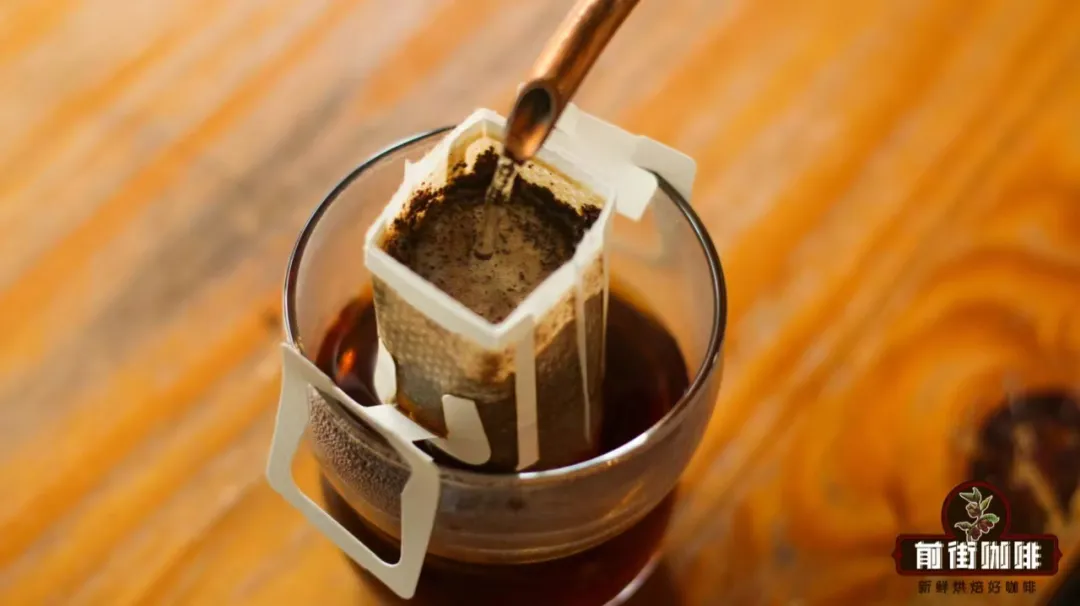
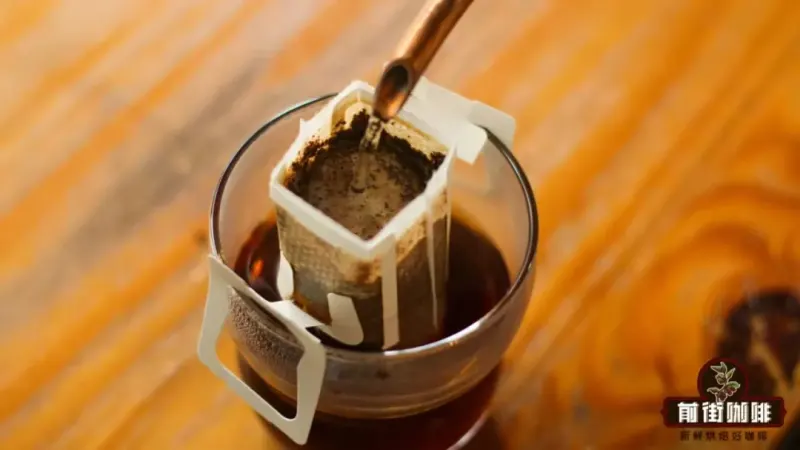
From the very beginning of its creation, drip bag coffee was meant to free coffee drinking from tedious variables and steps, making it easy to complete anytime and anywhere. Its entire composition is actually very simple: a filter bag made of non-woven fabric, plus pre-ground coffee powder, forming a drip bag. When you want to drink it, just tear open the outer packaging, take out the drip bag, and you can directly enter the brewing stage.
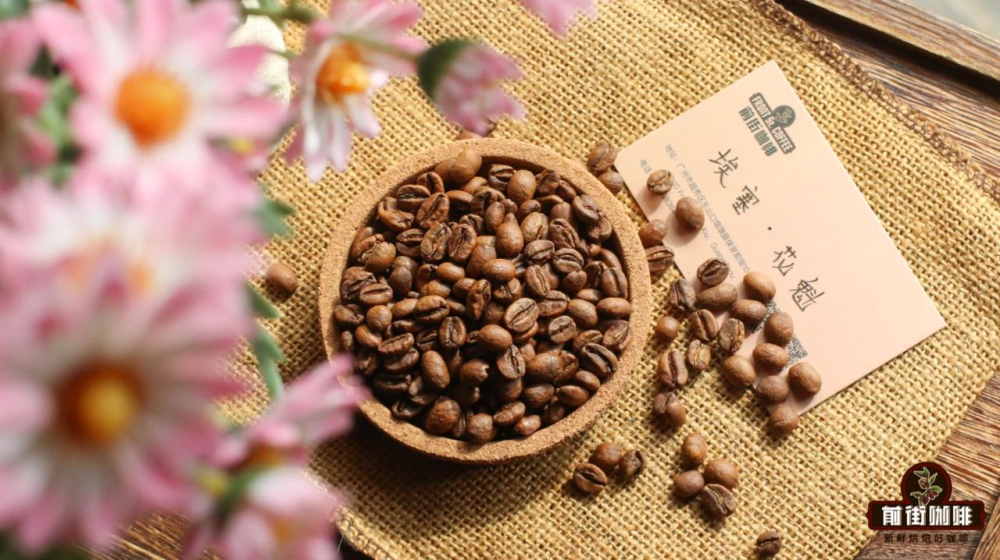
However, the foundation of an outstanding cup of coffee always lies in the beans themselves. Here, Front Street has sorted out several options that can cover most people's taste preferences: for those who prefer floral notes, you can try Front Street Panama Geisha drip bag coffee. This bean was once among the most expensive coffees in the world, but now it appears as Front Street's entry-level daily option and is well worth experiencing; if you like a bright and acidic style, Front Street Huakui drip bag coffee is a good choice, with flavor notes of black tea and berries;
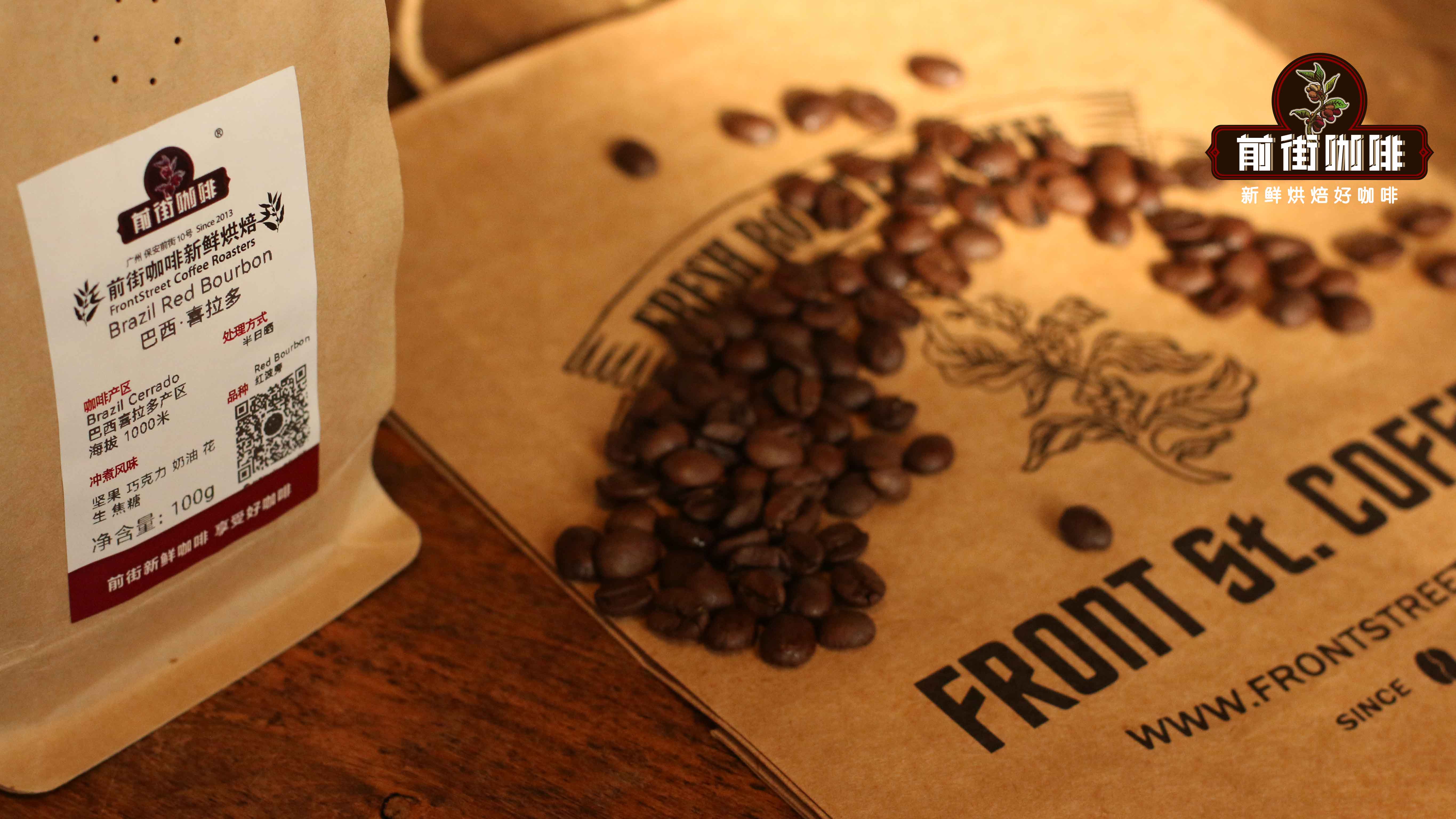
For friends who pursue balanced flavor, neither too sour nor too bitter, Front Street Brazil drip bag coffee will be more suitable; and for those who love a heavy, solid mouthfeel, it is recommended to buy the highest-grade Front Street Golden Mandheling drip bag coffee. This bean has undergone multiple rounds of manual screening, and the defect rate has been pressed very low, so the aroma is cleaner and the sweet aftertaste is more prominent. All of the above drip bag coffees can be ordered at Front Street stores and the Front Street Tmall flagship store.
Because the brewing form is quite similar to pour-over coffee, drip bags are often regarded as a convenient alternative to pour-over. For this reason, many people directly apply the pour-over method when brewing drip bags. This is not impossible, but it is obviously too complicated—you not only need to use the matching professional equipment, but also have to constantly pay attention to the pouring technique, and the convenience of the drip bag itself is completely lost.
But if you do not follow the pour-over approach at all, the drip bag coffee brewed can easily seem weak. So many friends left messages in the background asking: is there a more effortless way that can still brew drip bag coffee well?
The answer is yes, and it is even simpler than you think. To brew a delicious cup of drip bag coffee, you only need to focus on two parameters: water temperature and water volume.
As stated in the headline article, water temperature directly determines the extraction efficiency of hot water on coffee. A good cup of coffee requires an appropriate extraction rate, and since the grind size of drip bag coffee is already fixed, water temperature naturally becomes the most critical extraction variable. The water temperature for brewing drip bag coffee is no different from pour-over, and the range can even be broadened a little. Medium-dark roasted beans can use 86°C~90°C, while medium-light roasts require higher, falling between 88°C~92°C.
Many friends in the office are used to directly using hot water from the water dispenser to brew drip bag coffee, but the hot water temperature of most water dispensers cannot reach the above range, usually below 80°C, making it difficult for the coffee to obtain sufficient extraction. The final drip bag coffee brewed has insufficient aroma and is not strong enough in taste. So water temperature is still worth paying a little attention to.
Next is water volume. Drip bag coffee on the market is usually 10~12g per pack. If you want the coffee to reach a suitable concentration, the coffee-to-water ratio should be controlled between 1:14~1:16. The larger the ratio, the higher the concentration. Taking Front Street's drip bag as an example, one pack is 10g, so the pouring water volume is in the range of 140ml~160ml.
If you pursue ultimate simplicity, we can even do without an electronic scale. How do you measure water volume without a scale? Very simple—like people in the past, first understand the capacity of the cup, then estimate the approximate position the coffee liquid can reach, and you can save the weighing step.
Once you have mastered the water volume and water temperature needed to brew drip bag coffee, you can start. Although Front Street has also explained the key brewing points in previous articles, for the convenience of new friends, below is a complete demonstration using one pack of drip bag coffee.
How to brew a good cup of drip bag coffee?
The required materials are very simple: one pack of drip bag coffee, one cup, and any container that can pour water. It is best to choose a tall cup. If the cup is too short, the drip bag can easily be in a soaking state during brewing, resulting in insufficient extraction. Taking Front Street's tall cup as an example, the capacity is 350ml, and this time the pouring water volume is 150ml, about a little below the halfway point of the cup. Remember this position, and you can start brewing.
①: First tear open the drip bag package, take out the drip bag, and hang it on the rim of the cup.
②: Then take the kettle and pour the first stage of hot water into the drip bag filter, just enough to submerge the coffee grounds. Then wait 20 seconds for blooming.
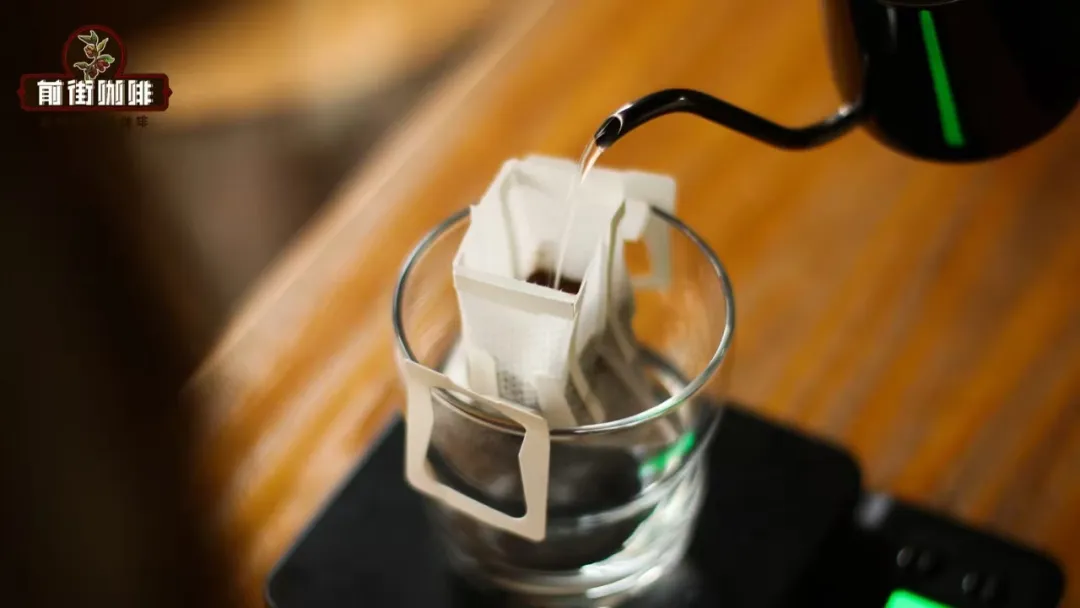
③: After the blooming is completed, pour the second stage of hot water, also just enough to submerge the coffee grounds.
④: After the poured hot water has fully permeated, pour water in the same way, just enough to cover the coffee grounds. Continue waiting for permeation to finish, then repeat repeatedly until the dripped coffee liquid reaches the target position in the cup, and then stop extraction.
The reason for dividing the pouring into multiple stages is mainly to extend the contact time between water and coffee grounds. The material and amount of coffee in a drip bag are limited, and the flow rate is relatively fast. If a large amount of hot water is poured in all at once, the too-fast water flow will lead to insufficient contact between water and coffee grounds, resulting in insufficient extraction.
By using staged pouring, it not only extends the contact time between water and coffee grounds, but also allows the coffee grounds to be continuously extracted by fresh hot water with no concentration, so the extraction rate is higher. The final coffee obtained not only has sufficient concentration, but also shows rich flavor layers because the extraction rate is sufficient.
The above content is compiled by CoffeeHunters, a coffee news website.


