According to today's weather bureau report, the high temperatures in Guangdong will persist until around November. This means that for nearly two months to come, we still won't be able to do without the ultimate heat-beating神器--iced coffee!So some friends, just like Front Street Coffee, after drinking too many sweet-and-sour light-roast iced coffees, sometimes want to switch things up with a caramel-rich, full-bodied dark-roast iced coffee for a change of pace. So they just grab some dark-roast coffee beans and set out to brew an iced coffee.But it turns out that although the brewing approach is the same as for light-roast coffee, the dark-roast iced coffee they brew not only lacks flavor but also has a watery mouthfeel, making the experience far worse than hot brewing. Then some friends come to the Front Street Coffee shop and discuss the specific reasons with us.Front Street Coffee isn't actually surprised by this outcome, because when making iced pour-over we need to use ice cubes for rapid cooling. To offset the dilution caused by the melting ice, we increase the coffee's concentration by reducing the amount of water poured.But the reduction in water volume leads to fewer dissolved coffee compounds, because this parameter affects not only the coffee's concentration but also the extraction efficiency. So besides reducing water volume, we also adjust other parameters to compensate for the impact of the missing water. This is the general approach for converting a hot brew into an iced brew.However, because the water volume is reduced quite a lot, many friends can only dissolve those small-molecule, fast-dissolving sweet-and-sour compounds, while the slower-dissolving large-molecule compounds make up very little of the coffee.This is fine for light-roast coffee, which is all about sweet-and-sour notes, because the sweet-and-sour compounds that light-roast coffee needs dissolve abundantly in the early and middle stages. But for dark-roast coffee, the experience suffers greatly. Because the soul-defining characteristics of dark-roast coffee—its full body, its sweet aftertaste—all depend on those slower-dissolving compounds.That's exactly why the iced coffee many friends brew always tastes watery and rather bland.So, is there any way to brew a dark-roast iced coffee that actually tastes good?
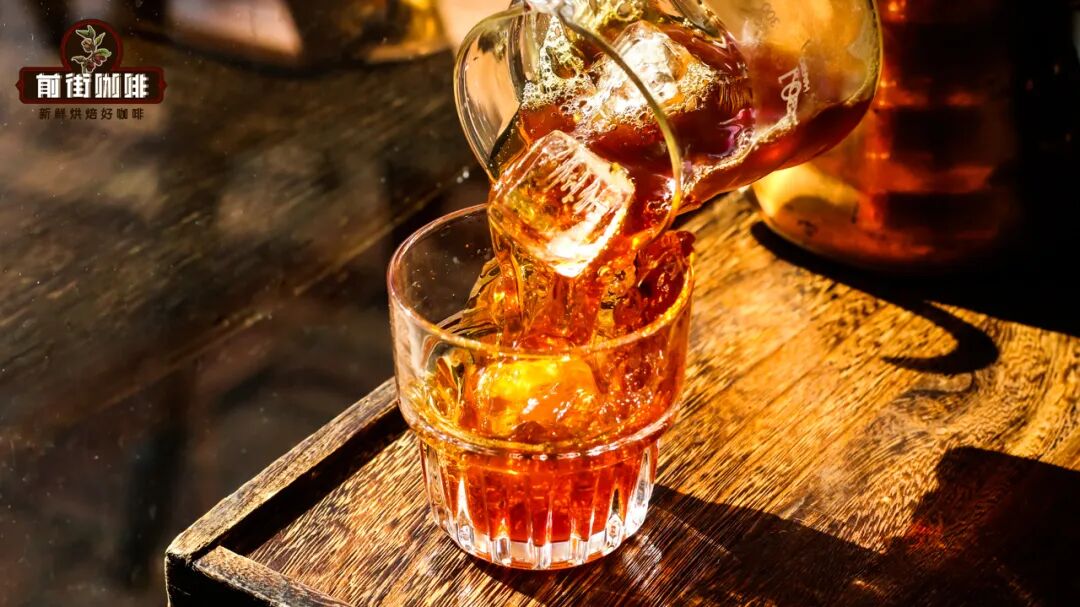
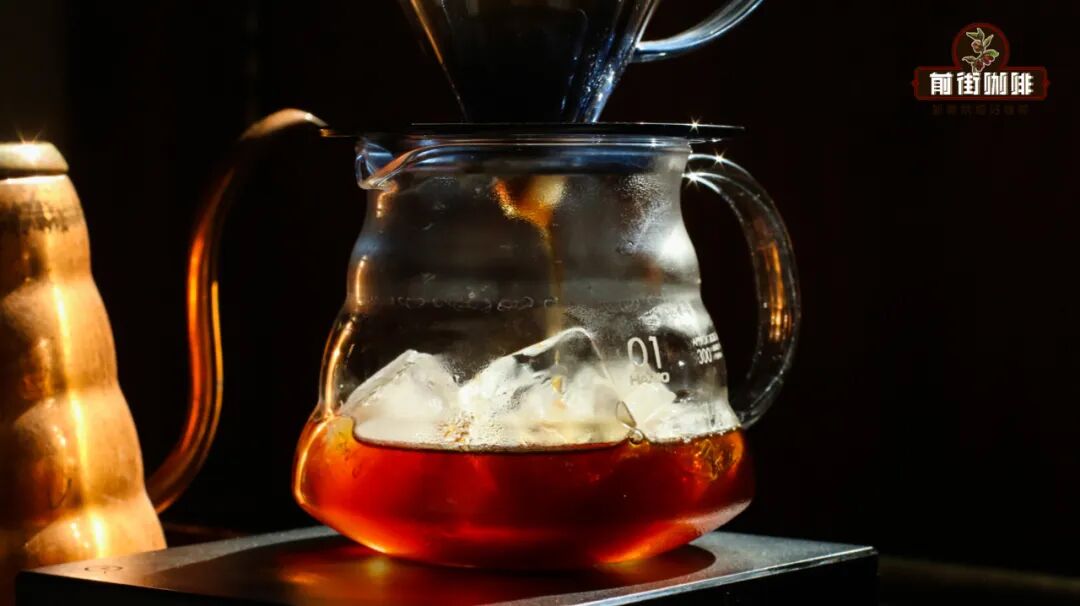
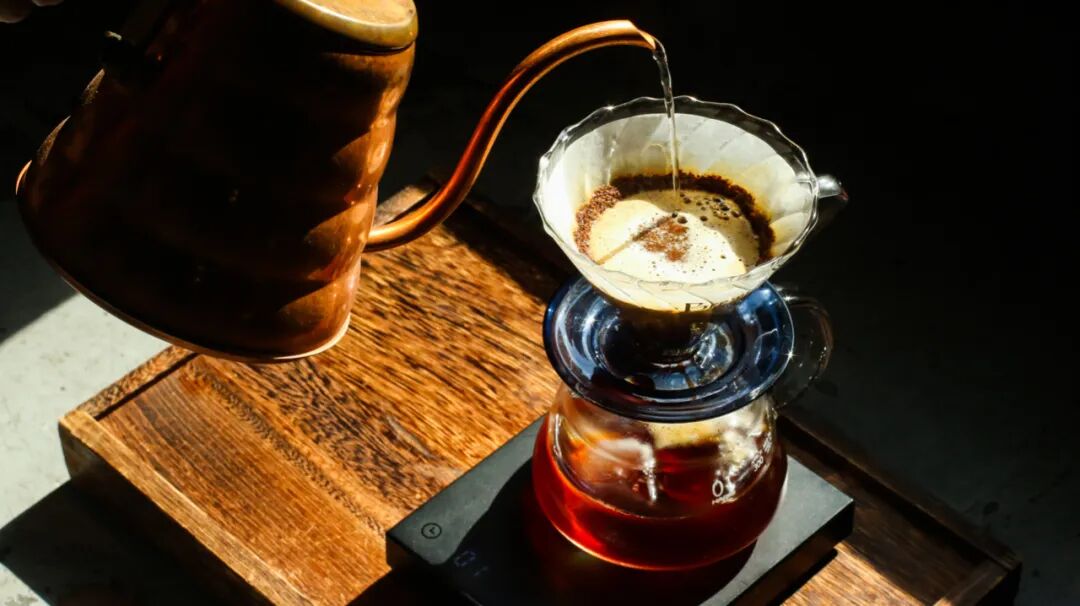
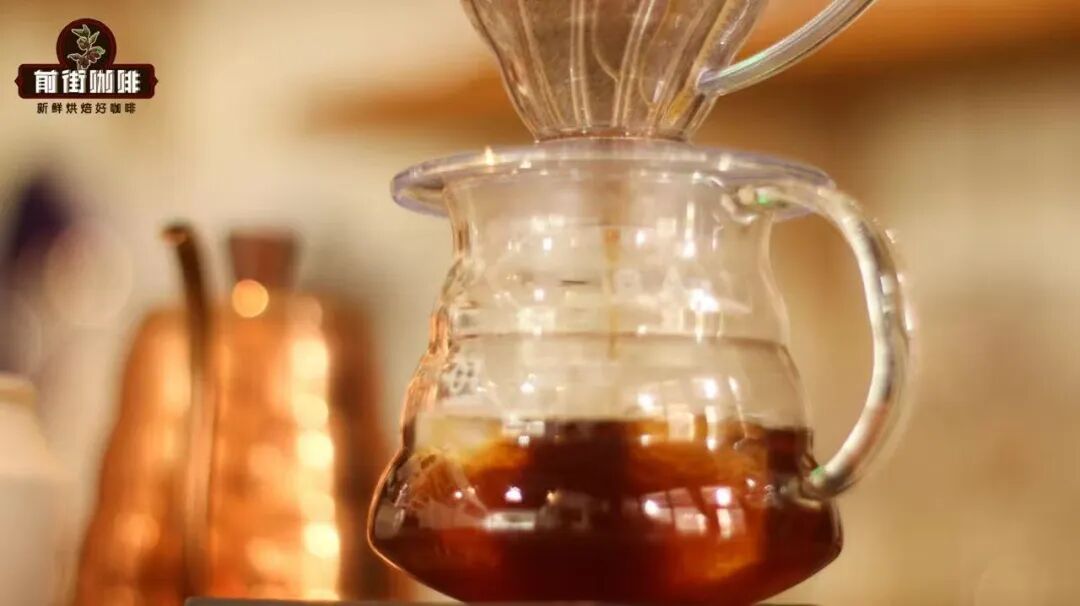
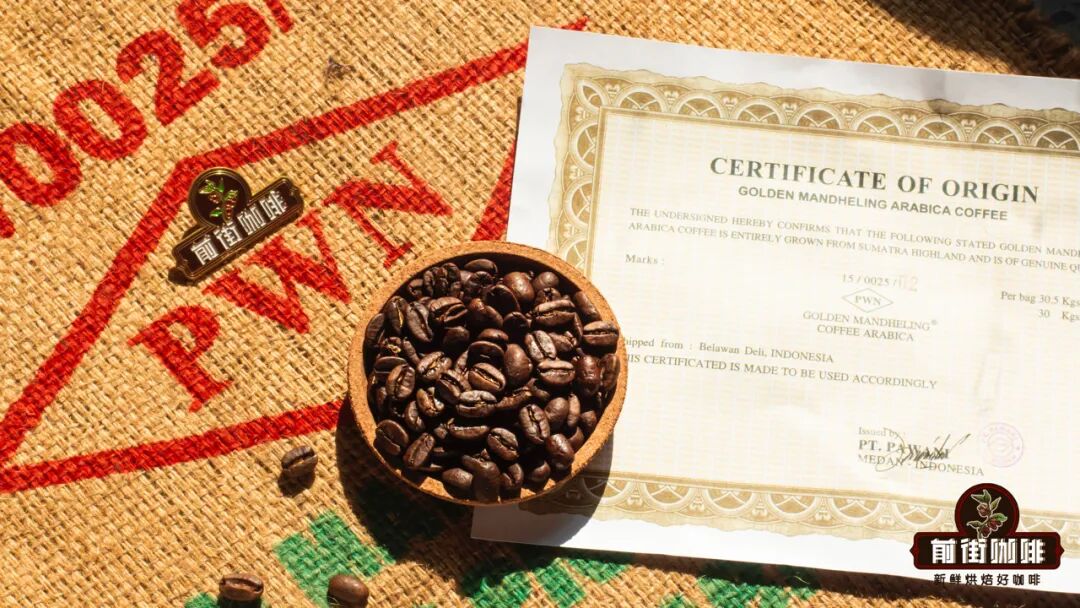
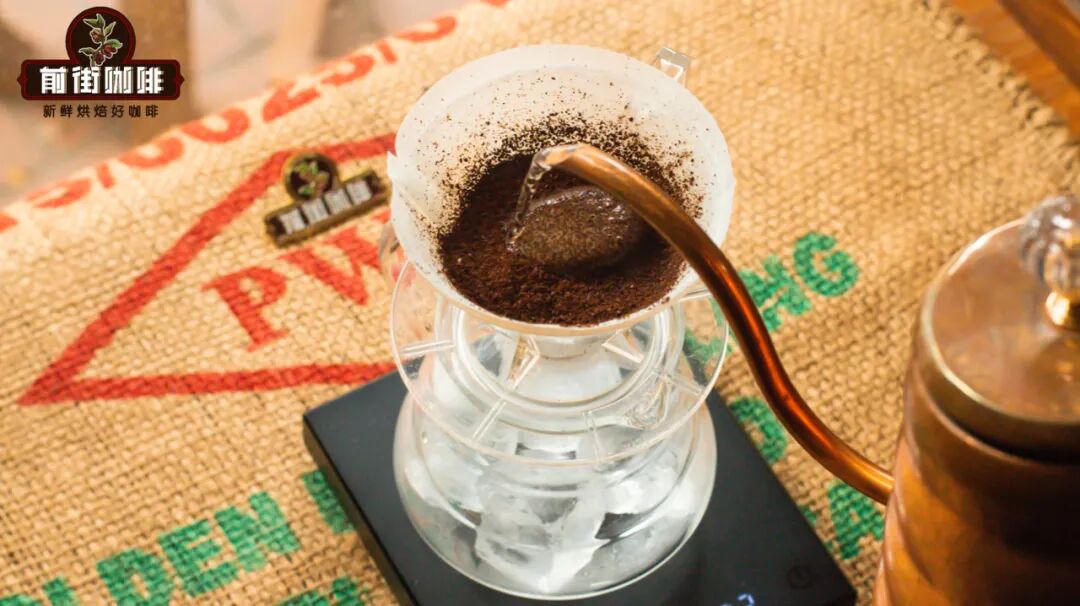
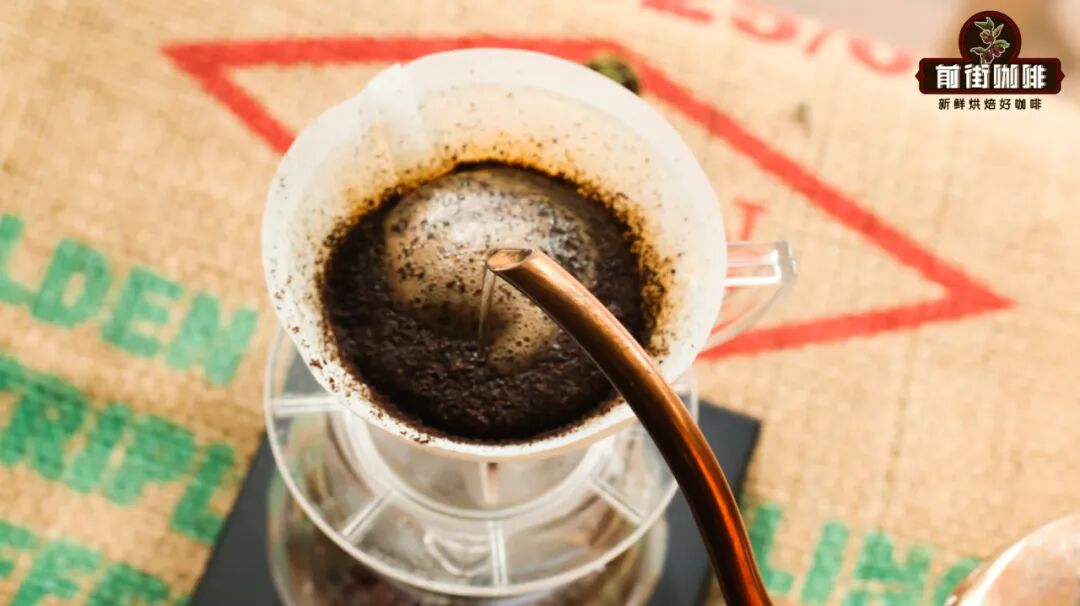
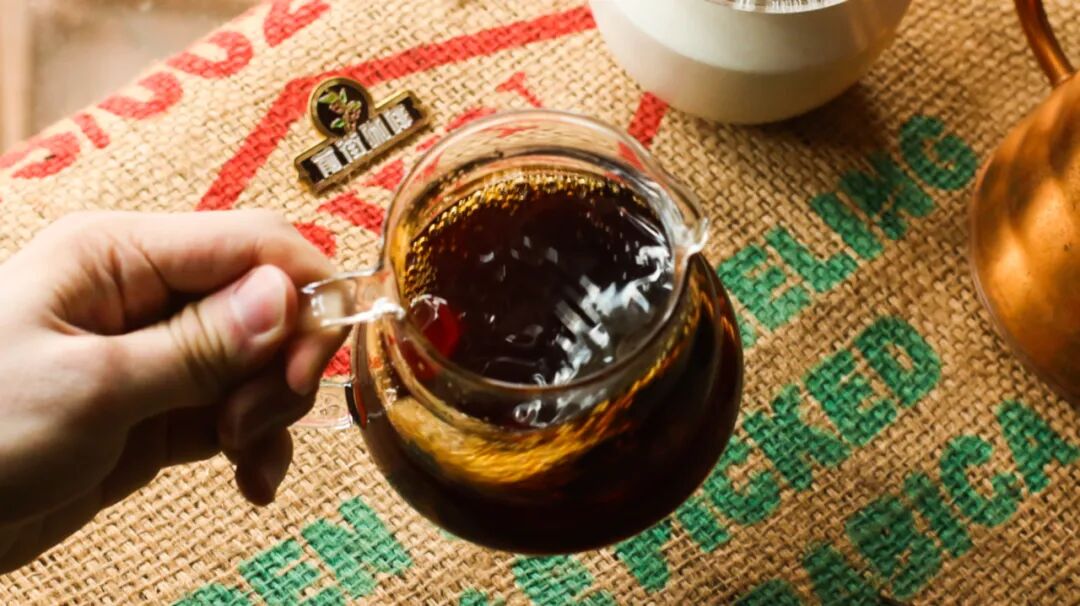
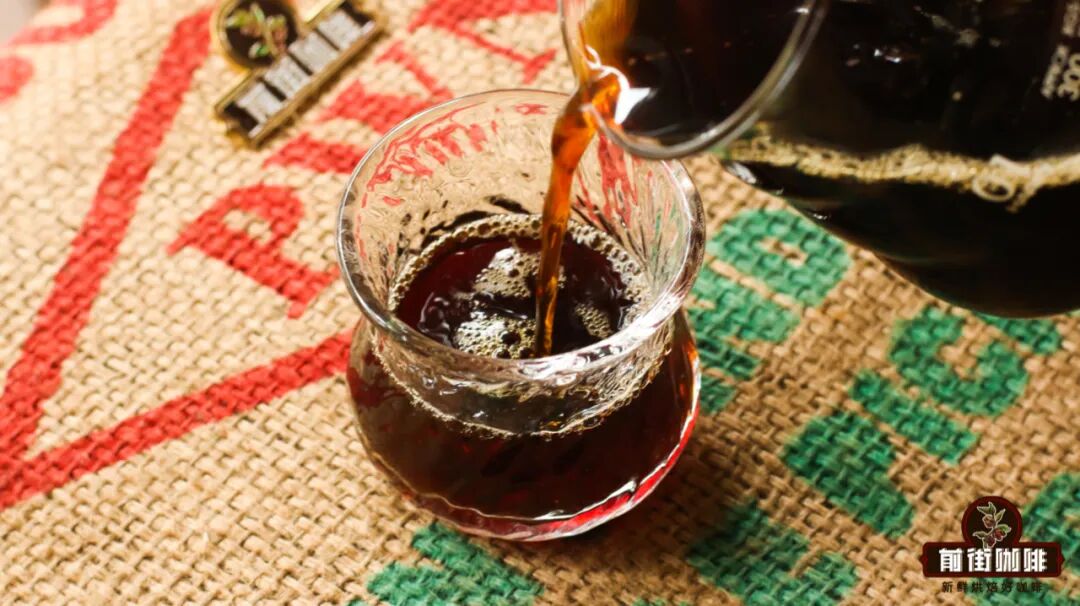
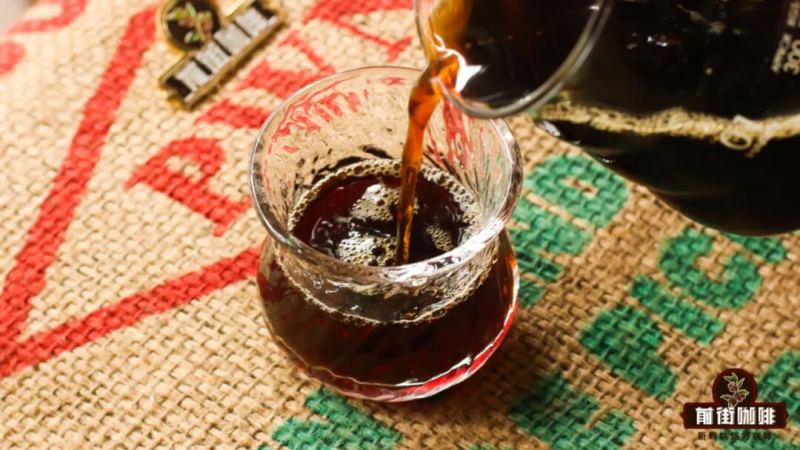
Of course there is! Since the problem is insufficient dissolved compounds, we just need to further boost the coffee's extraction efficiency!However, what makes dark-roast coffee different from light-roast coffee is that its structure is looser and easier to extract. So if our water temperature, grind size, and other parameters are too extreme, it will easily pull out too many bitter compounds, giving the coffee a pronounced bitterness. Therefore, compared to water temperature or grind size, Front Street Coffee would more recommend changing the target of adjustment to: the pouring method!And this is also an issue many friends overlook, because after reducing the brewing water volume they tighten the grind to compensate for extraction efficiency, but they overlook the impact that reduced water volume has on extraction time.Due to the reduced water volume, the extraction time will be shortened to some extent if the brewing method stays the same. Take Front Street Coffee as an example: when brewing a hot coffee with 15g of coffee beans, we pour 225ml of hot water using a three-pour method, and the time is about 2 minutes. But if it's an iced brew, the water poured is 150ml, and with the same three-pour method, the time would be around 1 minute 30 seconds.The reduced time not only further lowers extraction efficiency but also prevents those slower-dissolving large-molecule compounds from dissolving out in adequate amounts. So we need to control the extraction time during brewing.Front Street Coffee's approach is to reduce the flow rate, but many beginners may not be able to control the flow well, so Front Street Coffee more recommends that beginners split the hot water into multiple pours! Front Street Coffee has shared before that multi-pour brewing can increase extraction time—the more pours, the relatively longer the extraction time. Four pours, five pours, six pours are all fine; decide based on the actual flow rate. Now let Front Street Coffee share, through an actual brew, exactly how to do it!Coffee's flavor comes from the ingredients themselves. If we want to brew a delicious pot of coffee, we first need to choose an excellent-tasting coffee bean.Here Front Street Coffee has chosen the coffee bean from Front Street Coffee's bean list: Front Street Coffee Sumatra·Golden Mandheling. It is the darkest-roasted coffee bean sold on Front Street Coffee's Taobao and Tmall stores,It has the advantages of being large, plump, and uniform, making the particle size after grinding easier to keep consistent, while also having excellent flavor—the brewed coffee will have a more outstanding taste.Once we've chosen the coffee beans, the next step is to decide its extraction parameters! The parameters Front Street Coffee uses for brewing iced pour-over, as introduced earlier, are adjustments made on the basis of hot brewing: reduce water volume, tighten the grind, then use a low flow rate to control the extraction time.Then if you're a beginner who hasn't been at it long and can't control the pouring method well, you can use more pours to reduce the difficulty. At the same time, you can appropriately increase the dose and increase the brewing water volume, thereby improving the margin for error. It's best to pair it with a slower-flow dripper, such as Kono or cake. The specific parameters are as follows:Grind level: 80% passing rate on a No. 20 sieve,Ek4310 setting, caster sugar particle sizeCoffee-to-water-to-ice ratio: 1:10:6(20g coffee, 200ml hot water, 120g ice cubes)Brewing water temperature: 86~89℃Brewing method: five-pourWater distribution: 40ml+40ml+40ml+40ml+40mlFirst is the bloom. We use 40ml of hot water to bloom for 30 seconds. Pour in a circular motion from inside to outside to ensure all the coffee grounds are wet.After the bloom ends, the remaining four pours are all identical. Use a low flow rate, slowly circling, pouring 40ml. Then wait for the hot water to finish draining through before pouring the next portion, until all the target water volume has been poured. When the last pour of hot water has finished draining, we can remove the dripper and end the extraction.Total time: 2 minutes 10 seconds! But at this point it can't be drunk directly, because we need to shake it to even out the coffee's concentration and temperature in the pot.Once we feel the coffee is cold enough, we can pour it into a cup and enjoy the delicious coffee.I believe everyone can tell from the color of this pot of coffee that its flavor should be quite rich. And indeed it is—the coffee is strong but not bitter! Not only that, against the low temperature, the coffee's sweetness is even more prominent than hot-brewed. And besides the chocolate, nut, spice, and other dark-roast roasted aromas, Front Street Coffee also captured a caramel sweetness and a pine-like freshness in the aftertaste. The mouthfeel is very solid, really excellent!! The above content is compiled by CoffeeHunters, a coffee news website.