







Where Is Arabica Coffee From, and Why Is China a New Market?
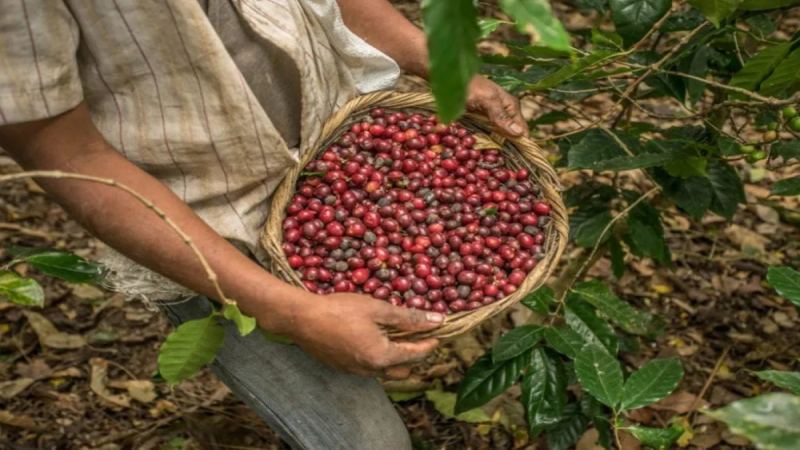
Honduras, Central America's largest coffee producer, sold 932,678 bags of arabica coffee in February 2024, up 26 percent year on year, yet export revenue for the first four months of the 2023/24 season fell 20.4 percent to US$172.9 million. China has now allowed direct imports of Honduran green beans, opening a new outlet beyond its traditional buyers.
Seven countries, including the United States, Germany, Belgium and Italy, still take about 70.5 percent of Honduran exports. Questions about where is arabica coffee from usually point to Ethiopia and other high-altitude origins, but Honduras is a major supplier in its own right, and its coffee institute projected 2023/24 output near 5.35 million bags with exports around 4.95 million bags.
Honduras, as the largest coffee producer in Central America, has recently presented a complex situation of recovering export volumes but declining revenue. In February 2024, Arabica sales increased by 26% year-on-year, yet the export value during the first four months of this harvest season decreased by 20%. Against the backdrop of traditional buyers being concentrated in seven countries across Europe, America, and Asia, Honduras is actively seeking market diversification. As China allows direct imports of its green coffee beans and more companies obtain certification for export to China, this Central American country's coffee industry has ushered in new opportunities. The expansion of cafes in Chinese cities and the rising demand from young consumers have injected strong momentum into Honduras's coffee exports.
Recently, Arabica coffee prices have trended toward stability, thanks to the gradual recovery of production in various producing countries and an increase in coffee export supply. This is particularly evident in Central America. According to a report from the coffee institute of Honduras, the largest coffee producer in the region, the country's Arabica coffee sales reached 932,678 bags in February 2024, up 26% compared to the same period in 2023.
Despite the impressive export data in February, coffee export revenue had previously declined. The report shows that in the nearly four months since the start of the 2023/24 coffee harvest season, from October 1, 2023, to January 29, 2024, Honduras's coffee export revenue was US$172.9 million, down 20.4% from the same period of the previous season; export volume was 46,100 tons, a decrease of 15.4% compared with 54,500 tons in the same period of the previous season.
Currently, Honduras's main coffee export destinations include the United States, Germany, Belgium, the Netherlands, Italy, South Korea, and Canada, with these seven countries accounting for 70.5% of its total exports. Previously, the Honduran Coffee Institute predicted that the country's coffee production in 2023/24 would be about 5.35 million bags (60 kg each), a decrease of about 6% from the previous year, but thanks to stable logistics, export volume was expected to reach 4.95 million bags, roughly flat compared with the previous year.
However, a piece of good news has brought a turning point for Honduras's coffee exports. In the middle of last year, the General Administration of Customs of China issued an announcement allowing green coffee beans produced anywhere in Honduras and meeting relevant requirements to be imported directly into China, without the need for transit trade. Honduras's Minister of Economic Development said that in the past, the country's products exported to mainland China often needed to be transshipped through Taiwan, China, but now they can be shipped directly to mainland China, greatly reducing both cost and time.
At the same time, China's coffee consumption has shown significant growth, mainly due to the rapid expansion of coffee shops in Chinese cities and the continuously rising demand for coffee among young people. Data from the International Coffee Organization (ICO) show that in the 2022/2023 harvest season, China's coffee consumption increased by 15% year-on-year, reaching 3.08 million bags. For Honduras's coffee exports, this is undoubtedly an extremely favorable trend.
Recently, according to news from relevant Honduran authorities, five additional Honduran coffee companies obtained export certification issued by the General Administration of Customs of China, creating more business opportunities for the country's coffee exports to China. So far, 17 Honduran companies have been approved to export coffee to China, and there will be more opportunities in the future, which is of great significance to Honduras's economy.
The above content is compiled by CoffeeHunters, a coffee news website.


