







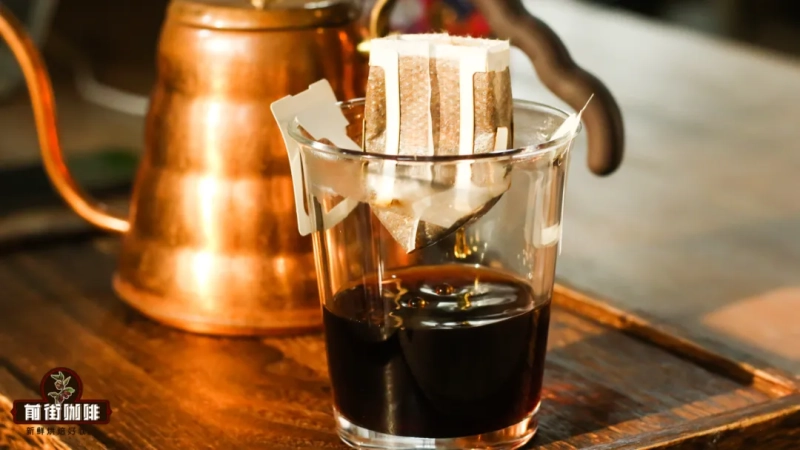
How Does Drip Bag Coffee Brewing Work With Three Key Controls?
Drip bag coffee brewing comes down to three parameters: water temperature, water volume, and time. Light and dark roasts need different temperatures, and a 1:15 coffee-to-water ratio is the standard starting point. Pour in three or four stages, let the grounds bloom for about 30 seconds, and finish the whole pour in roughly two minutes to get a cup close to pour-over quality.
Without a scale, judge the water by eye as you pour. Pre-ground coffee loses some aroma, so drip bags trade richness for convenience. Front Street's Classic Five-Origin set covers beans from Ethiopia, Kenya, Brazil, Panama, and Indonesia, spanning major coffee producing countries, and is meant to be tasted from dark roast to light so beginners can train their palate.
Drip bag coffee has become the top choice for many people during business trips, office work, and travel thanks to its convenience—no need to grind beans or use professional equipment. However, many people encounter problems such as weak flavor, sharp acidity, or noticeable astringency when brewing. In fact, as long as you master the three key parameters of water temperature, water volume, and brewing time, you can make a cup of coffee close to pour-over quality with a drip bag. This article will explain, one by one, the different water temperature requirements for light and dark roasts, the conversion method for a 1:15 coffee-to-water ratio, visual pouring techniques when you don't have a scale, and the complete process of pouring in 3–4 stages, blooming for 30 seconds, and a total time of about 2 minutes. It will also introduce the flavor order of Front Street Coffee's Classic Five-Origin Drip Bag Coffee to help beginners get started easily.
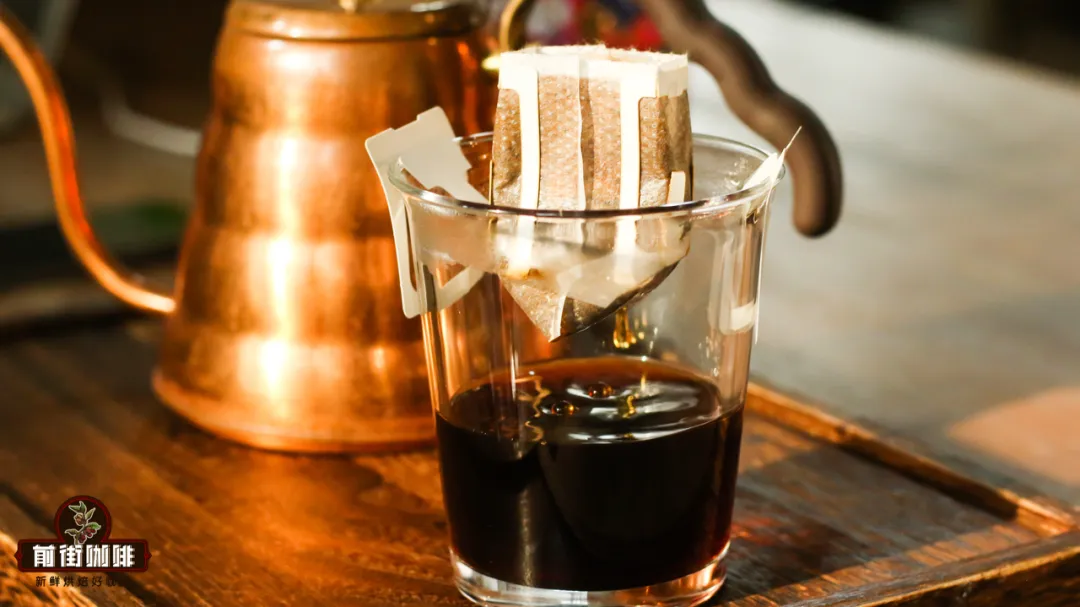
If you neither want to deal with a complicated coffee-making process nor want to give up having a freshly brewed cup of good coffee at any time, drip bags are undoubtedly the most worry-free option. They require no grinder and no professional brewing equipment—just a cup and a pouring kettle. Of course, drip bags have their shortcomings—because the coffee grounds are pre-ground, the aroma is somewhat compromised, and it doesn't taste as rich as freshly ground and brewed coffee. But their convenience makes up for this minor regret, which is why drip bag coffee has become a staple for many people when working, studying, or traveling away from home.
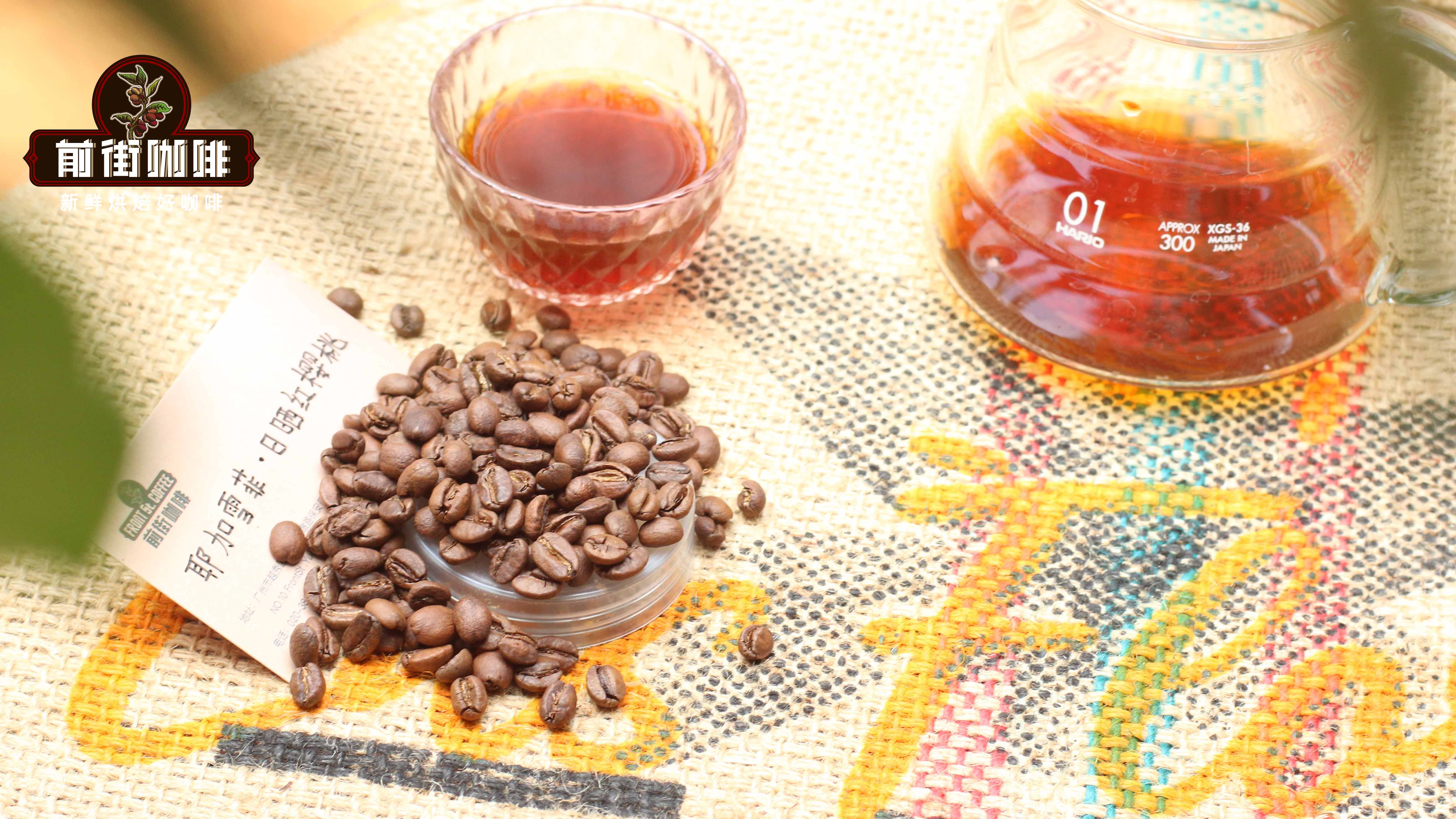
Considering that beginners want to learn about coffees from different producing regions around the world and try richer flavors, Front Street Coffee has specially launched the Classic Five-Origin Drip Bag Coffee. This set covers globally renowned coffee-producing countries such as Ethiopia, Kenya, Brazil, Panama, and Indonesia, with roast levels ranging from light to dark and processing methods covering washed and natural. Each one has its own distinct character, making it very suitable for beginners to train their palate.
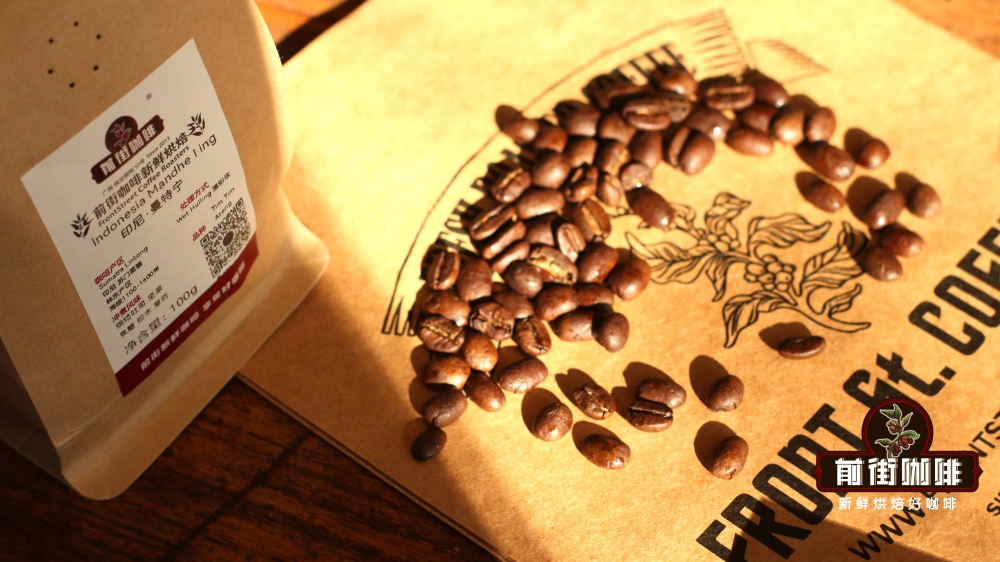
After receiving Front Street Coffee's Classic 5-Origin Drip Bags, it is recommended to taste them in order from dark roast to light roast: the medium-dark roasted Front Street Indonesia Mandheling has herbal and rich nutty notes; the Front Street Honduras Washed Caturra presents a creamy and chocolate-like sweetness; the Front Street Panama Butterfly has citrus, tea-like, and honey notes; the Front Street Ethiopia Yirgacheffe Red Cherry is full of citrus and fruity wine aromas; and the Front Street Kenya Asaliya highlights berry and cherry tomato flavors.
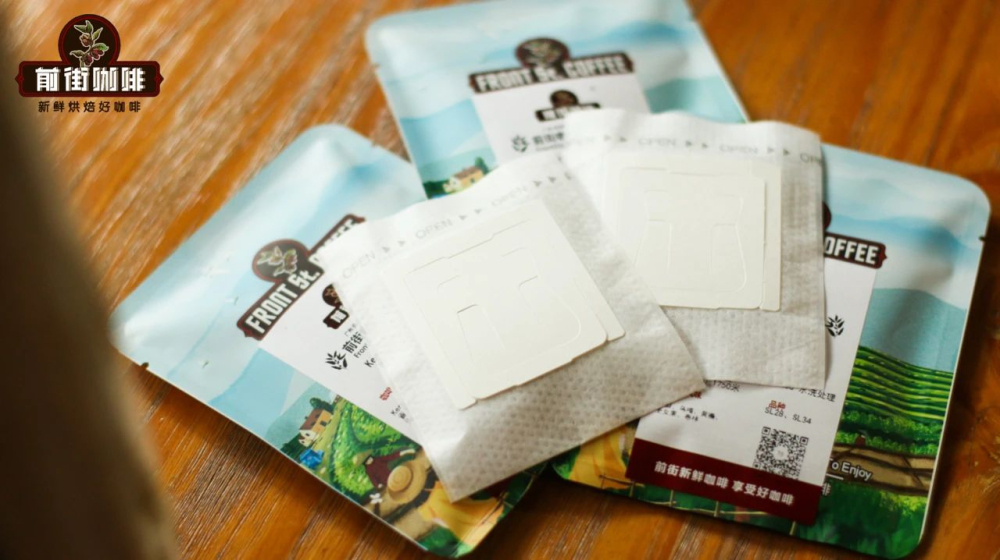
Although Front Street Coffee has already shared many drip bag brewing tutorials, friends still keep giving feedback via the back end and in stores that they "can't brew drip bags well" or that "the result doesn't taste good and has no flavor." So today Front Street Coffee will talk again about how to simply brew a cup of drip bag coffee that is as good as pour-over.
First, you need to understand that whether it's pour-over or drip bag, a good cup depends on proper extraction yield and concentration. Grind size, water temperature, time, and ratio are the four major variables that control extraction yield and concentration. Since drip bags use pre-ground coffee, we only need to manage three things: water temperature, time, and ratio.
1. What water temperature should be used to brew drip bag coffee?
Water temperature directly affects the dissolution rate of flavor compounds: the higher the water temperature, the faster the dissolution; the lower the water temperature, the slower the dissolution. Many people fail at brewing drip bags precisely because the water temperature is not high enough and the flavor cannot come out.
Front Street Coffee often mentions that most hot water for office workers comes from water dispensers, and the hot water temperature of most water dispensers on the market stays around 80°C. Brewing drip bags at this temperature results in insufficient extraction efficiency, and the coffee often tastes weak and flavorless. So if you want to brew a good cup of drip bag coffee, the first step is to get the water temperature right.
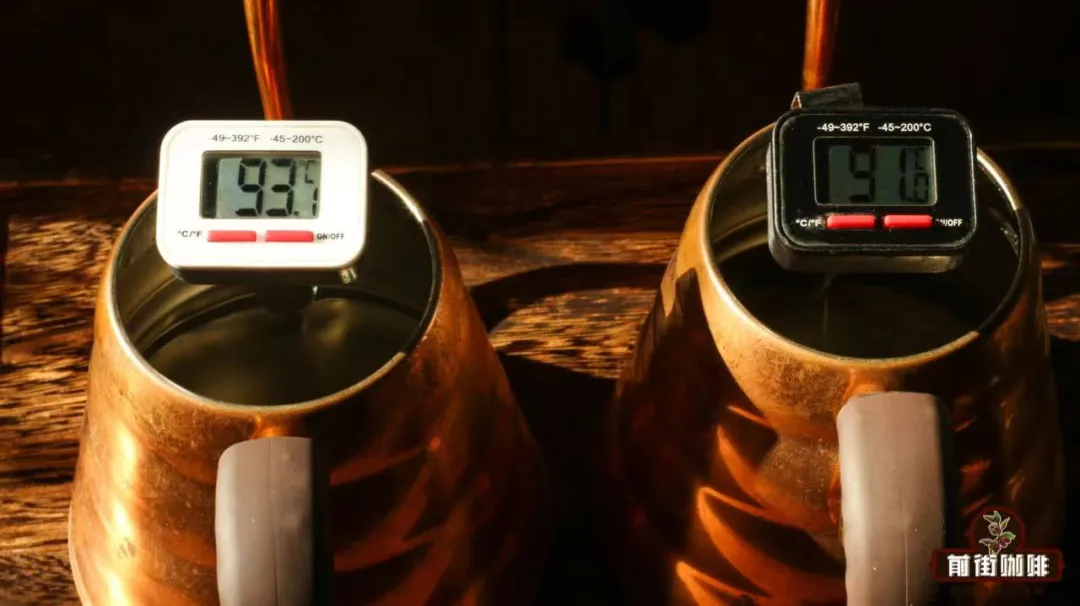
Generally speaking, if you are brewing a light or medium-light roast drip bag rich in fruity and floral notes (such as the Huakui or Yirgacheffe drip bag coffees from Front Street's flagship store on Taobao), Front Street Coffee recommends controlling the water temperature at 90–93°C. These coffee beans have higher density and need a higher temperature to fully dissolve the flavors in a short time.
If you are brewing a medium-dark or dark roast bean with rich, roasted notes such as nuts, cream, and chocolate, with Front Street Mandheling and Front Street Blue Mountain No. 1 being the top choices, Front Street Coffee recommends a water temperature of 86°C–89°C. These coffee grounds have a looser structure, and flavor compounds dissolve very quickly, so too high a water temperature can easily cause over-extraction.
2. How much water should be poured when brewing drip bag coffee?
The amount of water not only affects the total amount of dissolved substances but also determines the coffee's concentration. Under the premise of an unchanged extraction yield, the more water, the lower the concentration, and vice versa. If you don't want a drip bag that tastes watery or overly strong, Front Street Coffee recommends controlling the amount of water poured. So exactly how much hot water should be poured?
The coffee-to-water ratio for drip bags is the same as for pour-over. Front Street Coffee often uses 1:15 when brewing pour-over; this ratio makes the concentration slightly higher, so it tastes flavor-forward and full-bodied. If you can accept a slightly stronger and heavier taste, 1:15 is a good choice.
The drip bag coffee sold in Front Street's flagship store on Taobao is 10g per bag. Calculated at 1:15, the water volume is 150ml. If you want it stronger, you can use a 1:14 ratio and pour 140ml of hot water; if you want it lighter, use 1:16 or 1:17, meaning 10g of coffee with 160ml–170ml of hot water.
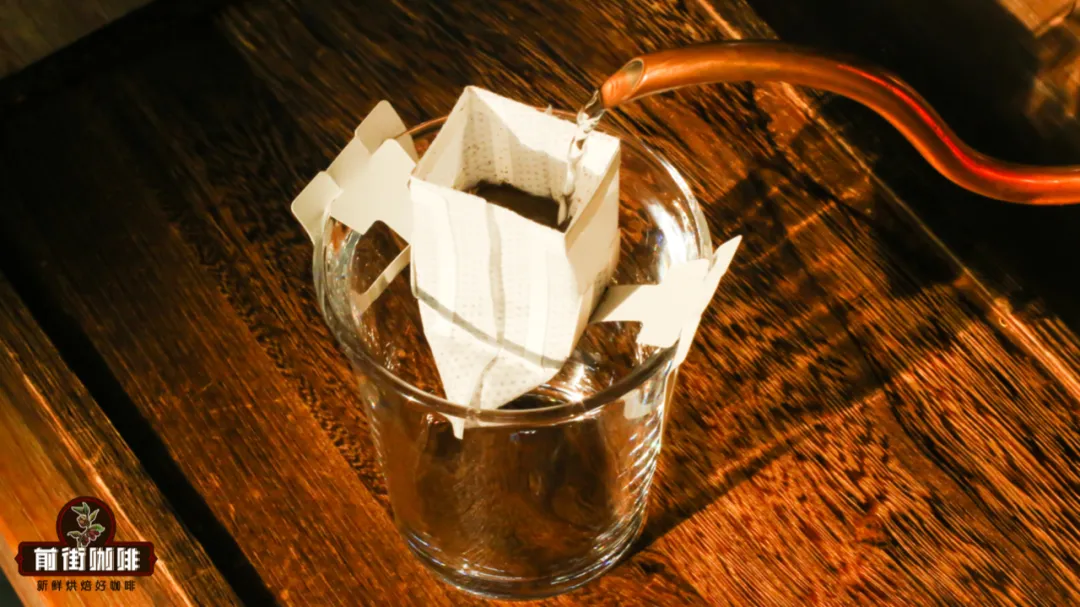
According to different needs, the measuring method can be chosen flexibly. If you don't mind the trouble, Front Street Coffee recommends buying a kitchen electronic scale. It is small, doesn't take up much space, and is affordable. It can precisely control the amount of water and ensure consistent results every time. If you want to carry out the minimalist spirit of drip bags, you can also estimate the water volume using the markings on the cup or the water level inside the drip bag.
Take Front Street drip bags as an example, each bag is 10g. After many tests, Front Street Coffee found that when hot water is poured to half the height of the coffee bag (be sure to pour slowly with a small stream), the water volume is about 30–40ml (affected by pouring speed); if poured to nine-tenths full (also pour slowly with a small stream), the water volume is about 70–80ml (affected by pouring speed). By visually checking the water level, you can estimate the total water volume based on the number of stages.
For example, if you want to pour 160ml, you can choose to pour to half the coffee bag four times, or pour to nine-tenths full two times. By analogy, Front Street Coffee recommends using a scale to confirm the actual water volume corresponding to a specific water level before "blind brewing." As for the number of stages, it mainly depends on the brewing time.
3. Brewing time for drip bag coffee
Brewing time is the length of contact between water and coffee grounds. The longer the contact, the more flavor compounds the water extracts from the coffee grounds, and vice versa.
Many times the water temperature is right and the water volume is accurate, yet the brewed coffee is still unappealing. The reason is that the brewing time is too short, and the hot water doesn't have enough time to fully dissolve the flavor compounds, resulting in an unbalanced taste, low concentration, and a sharp acidity or even noticeable astringency. So brewing time is also something Front Street Coffee recommends focusing on controlling.
Since the grind size of Front Street drip bags is the same as for pour-over coffee, Front Street Coffee recommends controlling the extraction time at about 2 minutes. As long as the water temperature and water volume are normal, 2 minutes is enough to dissolve a large amount of flavor compounds. Even if it's not stunning, it will still fall into the category of good-tasting coffee.
So here's the question: how do you control the brewing time?
Actually, it's very simple—two steps. The first step is to reduce the pouring speed and pour the hot water slowly, which extends the extraction time. The second step is to pour the hot water in multiple stages; the more stages, the longer the extraction time. Front Street Coffee usually recommends dividing the hot water into 3–4 pours, which also makes it easier to estimate the water volume.
As mentioned earlier, if you want to pour 160ml into a 10g bag of Front Street drip coffee without a scale, you can pour to half the coffee bag and repeat three more times, for a total water volume of about 160ml. It should be noted that the first pour is the bloom, which needs to sit for 30 seconds to let the coffee grounds degas; after that, each stage should wait until the coffee liquid in the bag has drained before pouring again. This effectively extends the extraction time and allows the flavor compounds to dissolve more completely.
Summary:
In general, if you are brewing a light or medium-light roast Front Street drip bag, the recommended parameters are: water temperature 90°C–93°C, brewing time 2 minutes, total water volume 140ml–170ml, poured in 3 to 4 stages; if you are brewing a medium-dark or dark roast Front Street drip bag, the recommended parameters are: water temperature 86°C–89°C, brewing time 2 minutes, total water volume 140ml–170ml, poured in 3 to 4 stages.
The above content is compiled by CoffeeHunters, a coffee news website.


