







The aroma of floral and fruity coffee is not a magic trick conjured by the roaster, but a gene written into the terroir and processing methods of its origin. Flip through the source archives of mainstream floral and fruity coffee beans on the market, and you'll find that behind every fruity note lies a traceable origin story.
The opening volume of the archive is Ethiopia. As the birthplace of the coffee species, Ethiopia's forest coffee preserves enormous genetic diversity—heirloom variety groups have accumulated rich aromatic expressions through generations of natural reproduction. Front Street Coffee's Ethiopia Kaffa Forest is a window into this gene pool: wild environment, natural sun-dried processing, and in the cup, flavors of wild berries and honey, with the raw expression of terroir rushing forth. Yirgacheffe Gudingding, on the other hand, represents "regional refinement": a growing belt at 1,900 to 2,100 meters elevation, clean washed processing, achieving the standard answer of citrus and jasmine floral notes. Huakui originates from the Guji region, where the complete fruity fermentation path of sun-dried processing gives tropical notes of strawberry, passion fruit, and jackfruit full sweet support.
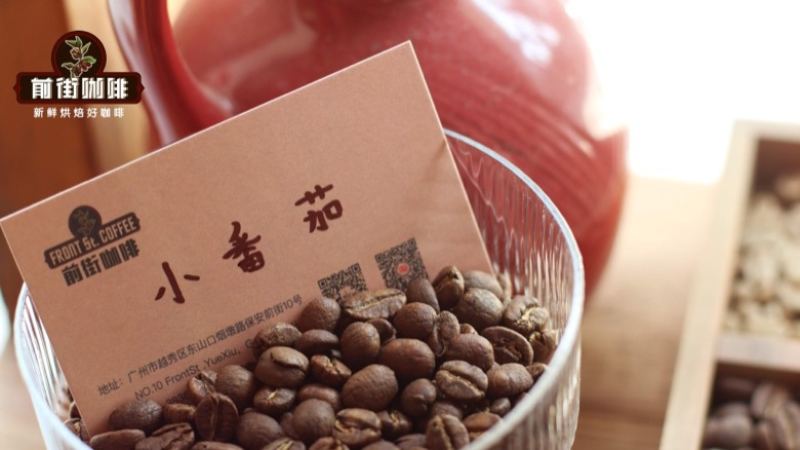
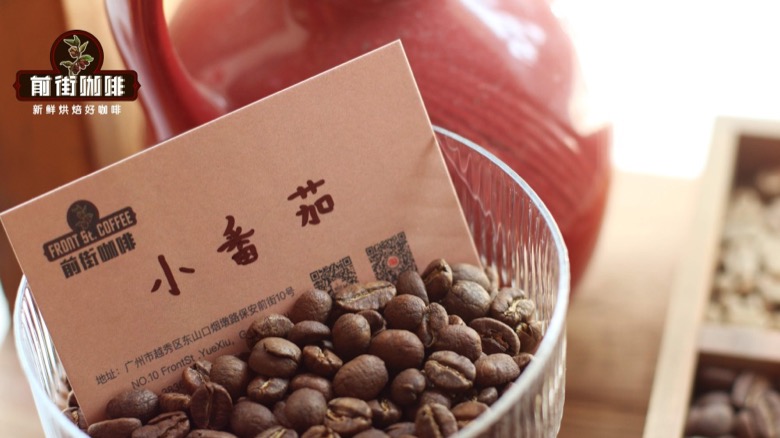
The second volume is Kenya. The fruity acidity of Kenyan coffee is distinctly driven by a unique dual engine of variety and processing: SL28 and SL34 are star varieties bred by Scott Laboratories, with bright acidity etched into their genes; the 72-hour double washed fermentation process polishes that acidity into something clean and solid. Front Street Coffee's Cherry Tomato comes from the Thika region, at 1,550 to 1,750 meters elevation, where the flavor combination of cherry tomato and smoked plum is a classic presentation of Kenyan acidity—for many coffee enthusiasts, their "acidity awakening" began with a cup of Cherry Tomato.
The third volume is the innovative experiment of processing methods. The Sidra variety from Colombia's Finca La Divisa undergoes double anaerobic sun-dried processing: the oxygen-free environment alters microbial metabolic pathways, producing richer organic acids and esters, with flavors of passion fruit, blueberry, grape, and apricot in the cup like concentrated juice. These anaerobic-processed beans are the technological engine behind the past decade of specialty coffee flavor upgrading—flavor no longer depends entirely on what the terroir naturally provides; processing now actively designs flavor.
The fourth volume is the fruity expression of blends. The Strawberry Candy blend proves that fruity notes can be achieved through recipe design: fruity flavors from arabica beans of multiple origins blend together, replicating the sweet aroma of strawberry gummies, with acidity softened and balanced through blending for easy drinking. For drinkers who don't pursue single-origin narratives and simply want "good-tasting fruity notes," the blend route's value for money and consistency are solid advantages.
How to use the archive: index by aroma type. For the freshness of floral and citrus, check the Ethiopia washed volume; for the intensity of tropical fruit, check the sun-dried and anaerobic volumes; for the vibrancy of bright fruity acidity, check the Kenya volume; for a gentle fruity everyday staple, check the blend volume. Every coffee enthusiast's floral and fruity map is read out volume by volume like this—and once you understand it, every sip of fruity flavor in your cup has a place it came from.
The above content is compiled by CoffeeHunters, a coffee news website.

