







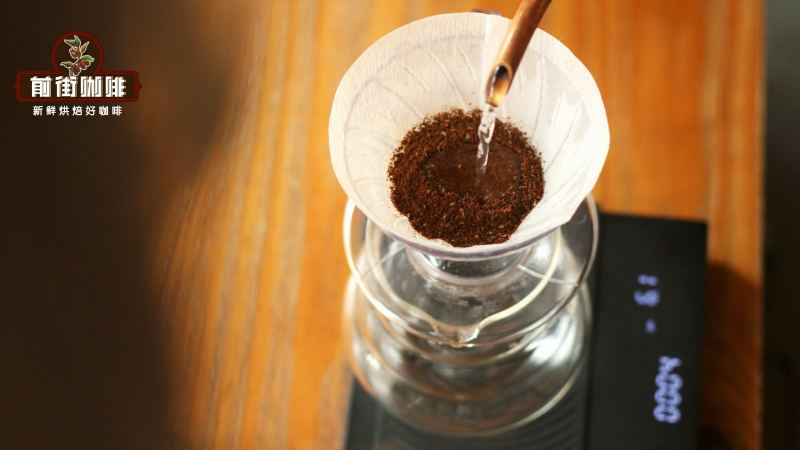
Blooming Water Volume and Time in Pour-Over Coffee
The bloom in pour-over coffee involves wetting the grounds to release carbon dioxide, which would otherwise block flavor extraction. Most guides recommend using twice the coffee weight in water for the bloom, such as 30ml for 15g of grounds. This amount aims to saturate the grounds fully. If you pour too much, excess water drips into the carafe without extracting desirable compounds. If you pour too little, the grounds remain dry and degassing is incomplete, leading to a weaker cup. The process of coffee beans during blooming is critical for consistent results.
Adjusting bloom water volume depends on bean freshness and roast level. Freshly roasted beans contain more gas and may need closer to two times their weight in water, while older beans might require only 1.5 times. The time spent blooming, typically 30 to 45 seconds, allows carbon dioxide to escape. Pouring technique also matters; a gentle spiral pour ensures even saturation. When you grind coffee beans affects gas release, so grind just before brewing for reliable results. These variables let you tailor the bloom to your specific beans and taste preferences.
The first step in pour-over coffee is usually the bloom. How much water you pour and how long you wait at this stage directly shapes the final flavor profile. This article examines the purpose of the bloom, the saturation absorption capacity of coffee grounds, and the differences in water absorption across roast levels, explaining why most guides recommend pouring twice the coffee dose in water, while also clarifying why some coffee liquid still drips into the carafe early in practice. Drawing on specific beans such as Front Street Golden Mandheling, Front Street Queen's Estate, Front Street Washed Yirgacheffe Gotingding, and Front Street Natural Hualui, the article offers flexible adjustment approaches using 1.5 to 2 times the water volume, and discusses how pouring technique and bean freshness affect water absorption, helping enthusiasts find a bloom method better suited to their beans.
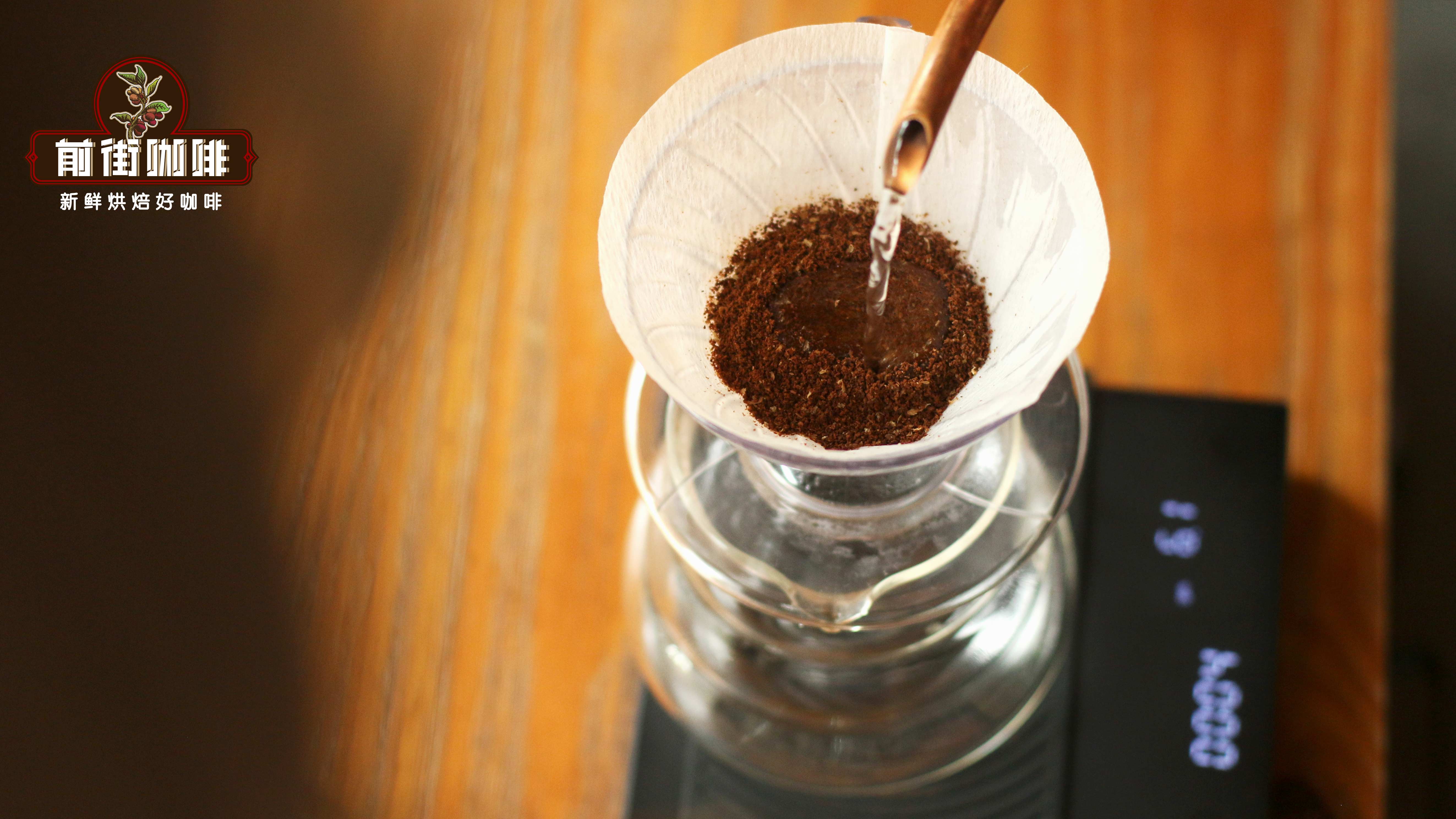
The first pour in pour-over coffee typically uses just a small amount of water to wet the dry grounds—this step is called the "bloom."
For those new to pour-over, flipping through most brewing guides reveals that the recommended bloom water volume is basically twice the weight of the coffee grounds. In other words, 15g of grounds calls for 30ml of water, and 20g of grounds calls for 40ml of water.
Why should the bloom water volume be twice the coffee dose?
Let Front Street first add a word here about why we bloom coffee at all. The fundamental reason is the need to release the carbon dioxide in the coffee grounds that would otherwise suppress flavor release. As Front Street has mentioned when discussing coffee bean freshness, beans contain a large amount of carbon dioxide after roasting. This gas slows the loss of flavor from the beans, acting as a "preservative."
Likewise, during brewing, the abundant carbon dioxide in the beans also prevents us from dissolving flavor compounds into the water. That is why we first pour a small amount of water to let the carbon dioxide escape, then continue pouring to extract the flavor components from the grounds.
The ideal situation, therefore, is this: the water poured in should just barely wet all the coffee grounds, achieving the goal of degassing during the bloom. If you pour too much, the excess water cannot be absorbed by the grounds and will drop straight into the carafe—that portion is essentially "wasted." If you pour too little, the grounds are not fully wetted, making it a "failed" bloom, because the carbon dioxide inside the grounds has not been fully released.
Since the saturation absorption capacity of coffee grounds happens to equal twice their own weight, many guides recommend pouring twice the coffee dose in water.
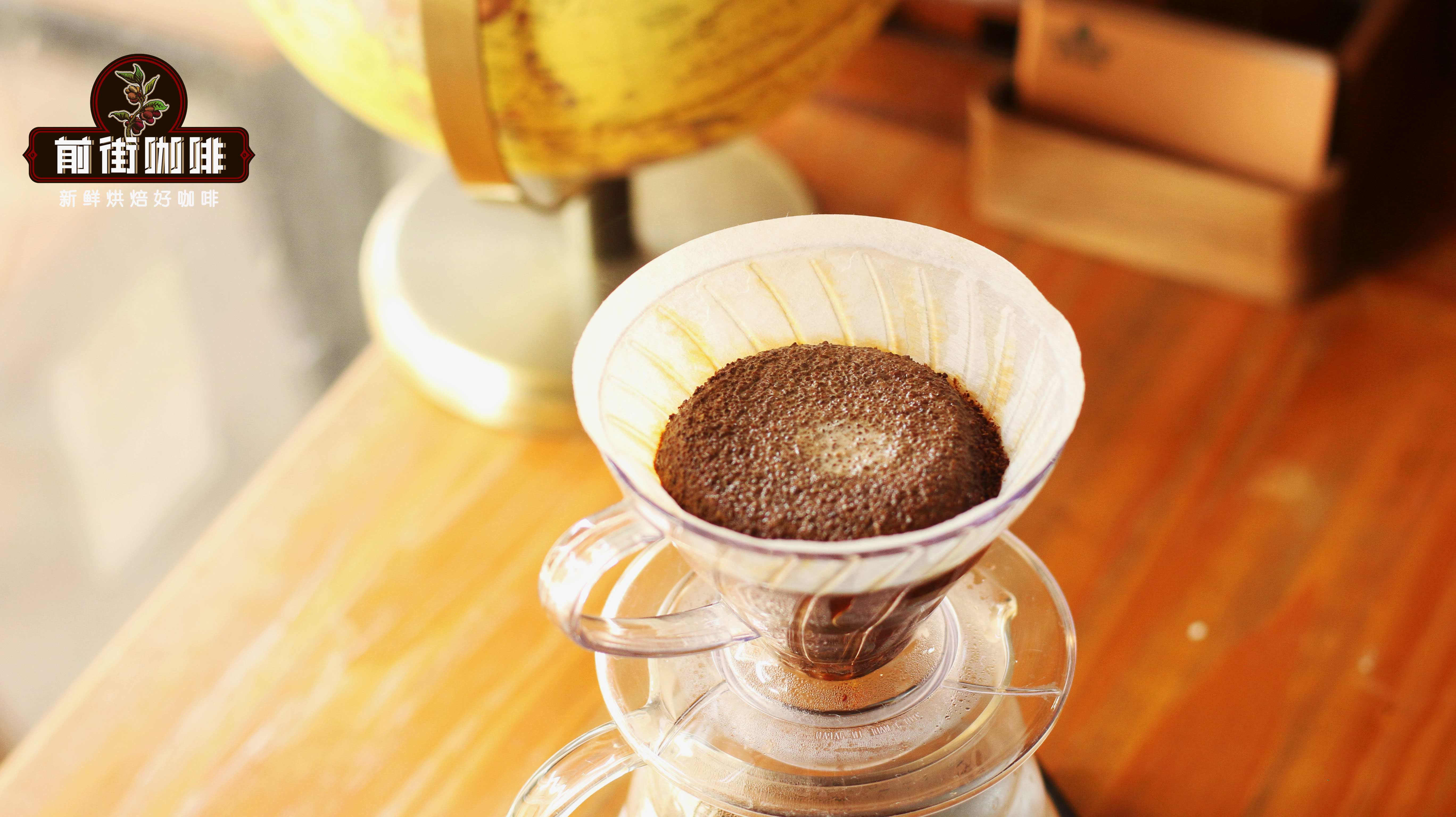
If you watch closely enough while brewing, you will notice that pouring twice the water volume for the bloom still produces coffee liquid flowing into the carafe. Didn't we say coffee grounds can absorb twice their weight in water? So why is there still liquid dripping down?
The reason is that coffee grounds need time to absorb water. Grounds only reach twice their weight when fully saturated; if the water does not have enough time to seep into the particles, it will fall into the carafe due to gravity.
The time coffee grounds need to absorb water depends on grind size and bean hardness. The finer the grind, the smaller the particles, and the easier it is for water to penetrate; at the same time, the gaps between fine particles are smaller, which lengthens the time it takes for water to drip down.
The structure of dark-roasted coffee grounds is relatively loose, so water seeps into the particles more easily and saturation is reached more readily, meaning less water naturally drops into the carafe. If you bloom dark-roasted and light-roasted beans with the same two-times water volume, more coffee liquid will drip into the carafe with the light-roasted beans than with the dark-roasted ones.
So we can decide how much water to use for the bloom based on different bean characteristics. Front Street believes you can adjust between 1.5 and 2 times the water volume. For medium-dark roasted beans with good water absorption, such as Front Street Golden Mandheling and Front Street Queen's Estate, which can hold more water to complete degassing, blooming at twice the water volume is suitable;
whereas for medium-light roasted beans with harder texture, such as Front Street Washed Yirgacheffe Gotingding and Front Street Natural Hualui, which absorb water less readily and degas more quickly, you only need to ensure all the grounds are wetted—blooming at 1.5 times the water volume is sufficient.
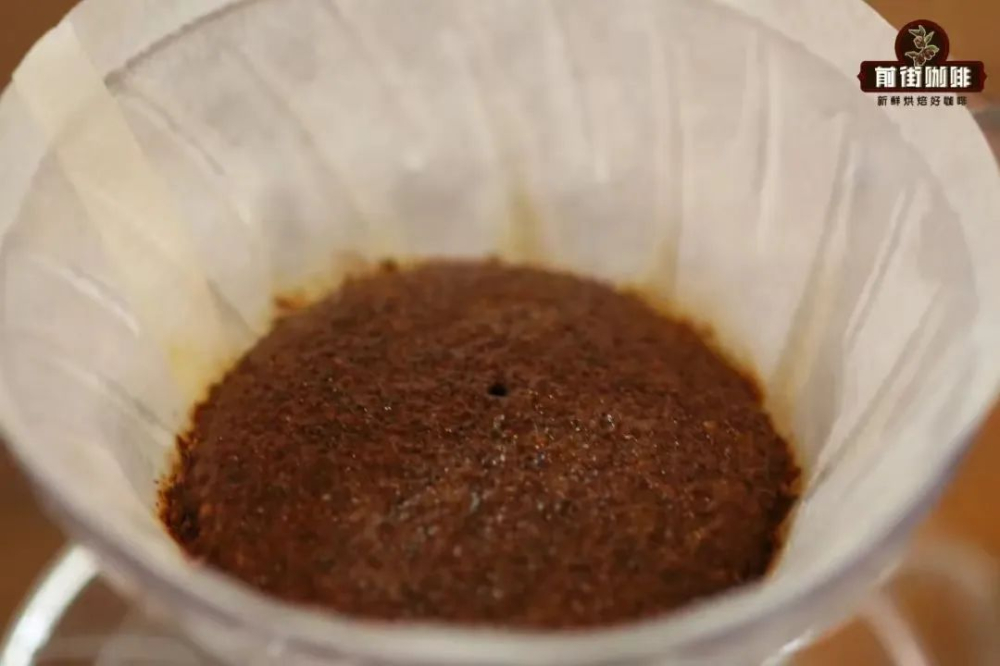
Of course, pouring technique and coffee bean freshness also affect water absorption. Generally speaking, pouring with a small stream in expanding circles from the center outward is more conducive to degassing the grounds and also provides relatively more time for the grounds to absorb water.
If the coffee grounds are no longer fresh and the gas has long since escaped, the bed will not expand when you pour, and the gaps between particles will be relatively large, so water will flow through quickly. However, if the grounds contain almost no gas, there is no need to bloom at all.
Water quickly "slips" away through the gaps
It is perfectly normal for some water to flow into the carafe during the bloom; conversely, if no liquid drips into the carafe at all, there is a strong chance the grounds were not fully wetted. Naturally, the less bloom liquid that flows into the carafe, the better. The more bloom water you use, the more the final coffee's flavor expression will be slightly compromised under a fixed coffee-to-water ratio, and the body will be relatively lacking.
For beginners, calculating bloom water at twice the coffee dose is the easiest to master, because it ensures the grounds are fully wetted and fully degassed.
Achieving the bloom effect with less water, with no large bubbles appearing during subsequent pours, will—under a fixed coffee-to-water ratio—give the coffee better body and a more complete flavor.
The above content is compiled by CoffeeHunters, a coffee news website.


