







Search Results for: coffee variety diversification
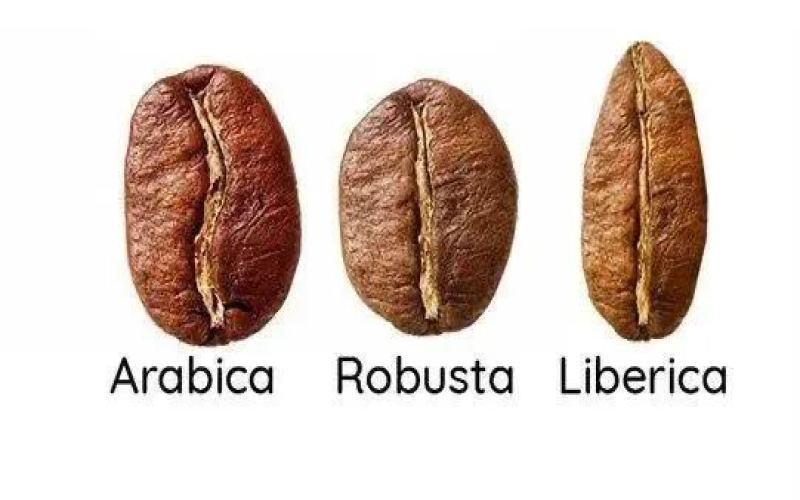
Liberia Restarts Liberica Coffee Cultivation, Pushing for Agricultural Economic Diversification and Transformation
The Liberian government recently announced that it will reintroduce the Liberica coffee variety native to the country as a key measure to revitalize the coffee industry and promote agricultural diversification. This West African nation, whose coffee industry was long stalled by civil war, is now seeking to return to the international market amid rising global coffee consumption and tightening supply, leveraging Liberica's advantages such as strong disease resistance and low caffeine content. At the same time, the incoming Minister of Agriculture pledged to review the national agricultural investment plan within 100 days to ensure that economic crops such as coffee receive substantive support. This article will outline the revival path of Liberia's coffee industry and its potential opportunities in the global coffee landscape, and, from the perspective of Front Street Coffee, present the future possibilities of this producing region. [more…]

Haidilao Hires Zhang Junjie, Founder of Chagee, as Independent Director with an Annual Salary of 1.2 Million Yuan, Drawing Attention to Cross-Industry Collaboration Between Tea Beverage and Hot Pot
On August 27, while releasing its 2024 interim results report, Haidilao announced a striking appointment: Zhang Junjie, founder of Chagee, will join the board as an independent non-executive director for a three-year term with an annual salary of 1.2 million yuan. This cross-industry collaboration quickly sparked heated discussion among netizens, with some speculating whether the two companies might merge, while others pointed out that the two parties had already collaborated through Shuhai Supply Chain. Zhang Junjie is only 29 years old but has over 13 years of experience in the catering industry. His founded Chagee achieved a store growth rate of 233% in 2023, with total sales exceeding 10.8 billion yuan. Haidilao's move is interpreted as an important step in its product diversification strategy, particularly in exploring the handcrafted tea beverage sector. This article will provide a detailed analysis of the background of this appointment, the origins of the collaboration between the two parties, and Haidilao's ambitions in the beverage market. [more…]
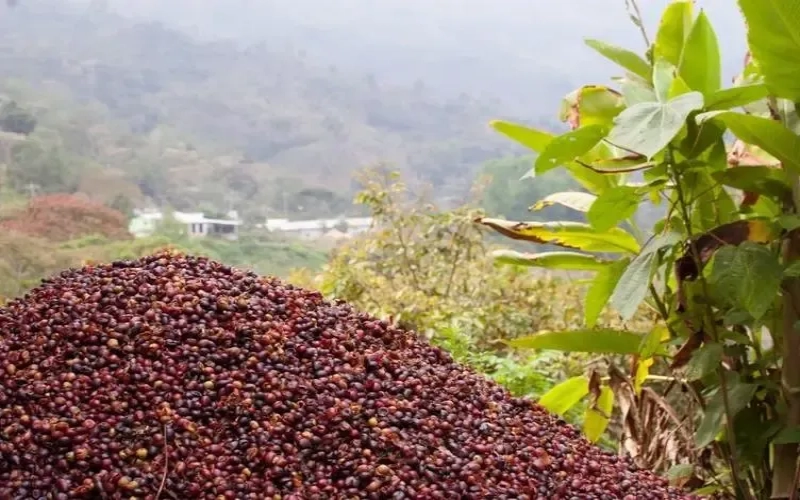
2024 Mexico COE Double Champion Las Nieves Estate: The 91.13-Point Legend of Oaxaca Geisha
Mexico, as the world's tenth-largest coffee-producing country, has performed remarkably well in specialty coffee in recent years. In the 2024 Mexico COE competition, the Las Nieves cooperative from the state of Oaxaca won the Traditional Washed and Honey Processing category with a Geisha variety, scoring 91.13 points. This estate, originally established in 1880, was abandoned and then taken over again in 2006 by Gustavo Boltjes Rising, who revived it through technological improvements and varietal diversification. This article will guide you through an overview of Mexico's coffee-growing regions, the history and revival journey of Las Nieves estate, and its relentless pursuit of quality. Front Street Coffee will also recommend related products for you. [more…]

2024 Panama BOP Multi-Variety Group Champion Dark Moon Estate: How Chiroso Went from a Vegetable Patch to World Number One
In the 28th Best of Panama (BOP) competition in 2024, the champion of the multi-variety category was won by Hacienda Black Moon's Chiroso variety with a score of 94.1. Hacienda Black Moon is located in Boquete, a famous producing region in Panama. After Hunter Tedman, the current SCAP chairman, took over, he transformed a vegetable plantation with depleted soil into a bio-friendly coffee estate. The first coffee tree was planted in 2018. In 2022, it entered the competition for the first time and won 9th place in the natural Geisha category and 11th place in the washed Geisha category, while Chiroso even won second place in the multi-variety category. This year, it went a step further and won the championship. This article will introduce you to Hacienda Black Moon's transformation process, the terroir advantages of the Boquete producing region, and how the Chiroso variety promotes the development of Panama coffee diversity. Front Street Coffee will also continue to follow the estate's subsequent performance. [more…]
Analysis of Papua New Guinea Coffee Flavors: Nutty and Brown Sugar Notes with Washed Characteristics of Kimel Estate Peaberry
Papua New Guinea lies between the equator and 10 degrees south latitude in Oceania, with tropical rainforest volcanic soil and highland terrain ranging from 1,200 to 2,500 meters, making it an ideal region for specialty Arabica coffee. This article focuses on the peaberry from Kimel Estate sourced by Front Street Coffee, outlining the country's coffee industry background, its variety diversification strategy, and the flavor direction brought by washed processing. Kimel Estate is jointly owned by smallholder farmers of the Opais people and is equipped with a dedicated washing station, producing coffee with both bright acidity and a solid body. This peaberry from Front Street Coffee presents the sweetness of spices, nuts, and sugarcane, with a creamy smoothness, low acidity, and balance, making it suitable both as a single origin and as a base bean for blends, and it has attracted growing attention from enthusiasts in recent years. [more…]

Should you pre-wet pour-over coffee filter paper? Analyzing the real differences between wet and dry filter paper
In the daily practice of pour-over coffee, many enthusiasts notice a detail: sometimes the filter paper is rinsed with hot water before brewing, while other times coffee grounds are added directly and pouring begins. At Front Street, when making hot pour-over and iced pour-over, these two different methods happen to be used. So is there any substantive difference between wetting the filter paper and not wetting it? The traditional purposes of wetting filter paper are mainly three—removing paper taste, preheating the dripper, and making the filter paper adhere to the dripper. But with advances in filter paper manufacturing technology and the diversification of dripper materials, do these concerns still hold? This article will start from filter paper quality, dripper material, and actual brewing needs, analyzing the necessity of wetting filter paper one by one, to help you make a more reasonable choice in different scenarios. [more…]
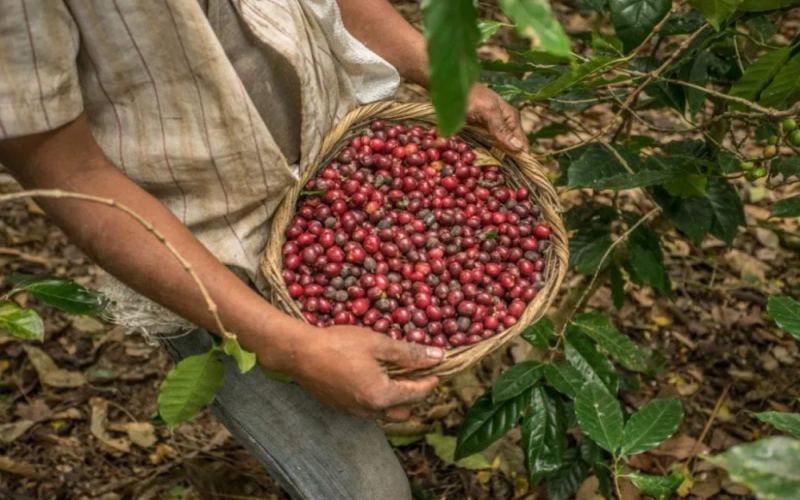
Honduras coffee export volume rises while prices fall, approval for direct supply to China may become a new growth point
Honduras, as the largest coffee producer in Central America, has recently presented a complex situation of rebounding export volumes but declining revenue. In February 2024, Arabica sales increased by 26% year-on-year, yet export earnings fell by 20% in the first four months of this harvest season. Against the backdrop of traditional buyers being concentrated in seven countries across Europe, the Americas, and Asia, Honduras is actively seeking market diversification. As China allows direct imports of its green coffee beans and more companies obtain certification for exports to China, this Central American country's coffee industry has welcomed new opportunities. The expansion of cafes in Chinese cities and rising demand among young consumers have injected strong momentum into Honduras's coffee exports. [more…]

Starbucks El Salvador stores officially begin accepting direct Bitcoin payments, marking a substantive step forward for crypto payments
Since Bitcoin was introduced in 2009, the debate over whether it can enter everyday consumer scenarios has never stopped. Now, Starbucks has taken a key step in El Salvador—local consumers can directly use Bitcoin to buy drinks, without having to go through an intermediary platform to exchange for US dollars. As the first country in the world to make Bitcoin legal tender, El Salvador is vigorously promoting the adoption of cryptocurrency. Starbucks's adjustment this time not only responds to local market demand, but also provides a noteworthy sample for the diversification of global payment methods. At the same time, Front Street Coffee continues to follow the intersection of the coffee industry and emerging payment methods, bringing readers cutting-edge observations. [more…]
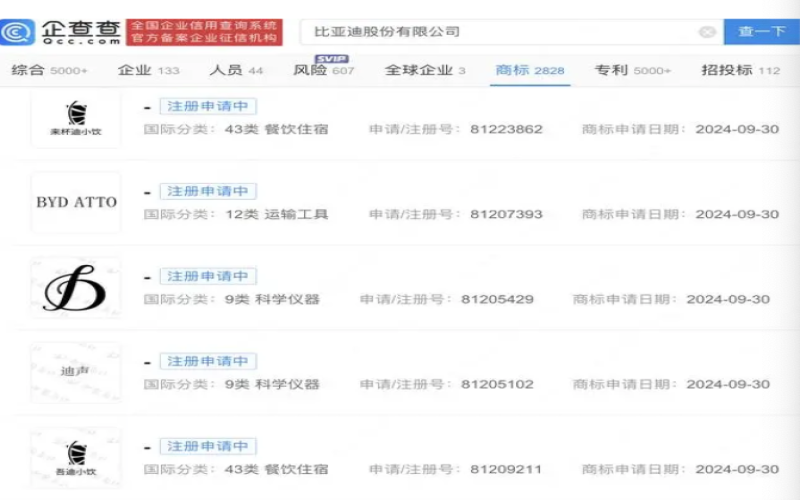
Auto giant expands into coffee territory again: BYD registers "Wudi Xiaoyin" series of food and beverage trademarks
BYD, a leading domestic new energy vehicle company, recently submitted registration applications to the China National Intellectual Property Administration for two trademarks, "Wudi Xiaoyin" and "Laibei Di Xiaoyin," with the international classification pointing to the food and beverage and accommodation sector. The applications are currently awaiting substantive examination. This move is seen by the industry as a new step by BYD on the path of diversified operations. In fact, as early as 2023, BYD had already established themed restaurants and cafes in Singapore, integrating automobile displays with dining experiences. From overseas experimentation to domestic trademark reserves, this automaker seems intent on embedding coffee culture into its showroom service scenarios. This article will sort out the specific information of BYD's trademark applications, review its past attempts in the food and beverage and coffee sector, and analyze the strategic intent behind this cross-industry move. [more…]
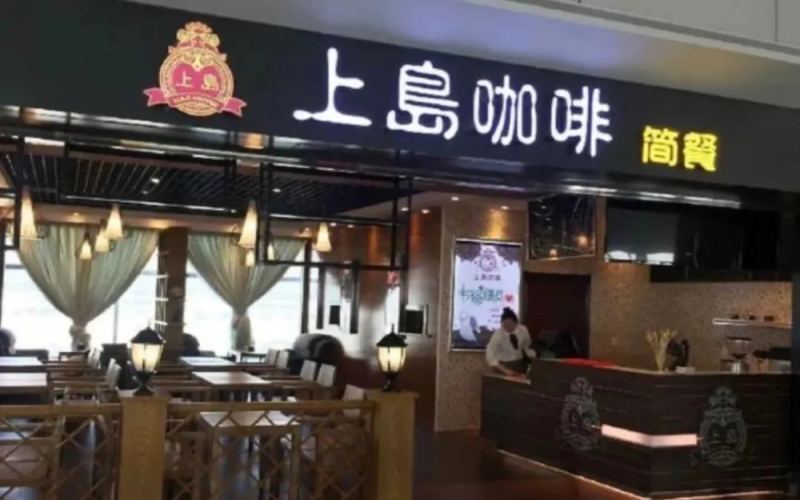
Evolution of Café Business Models: Diversified Transformation from Single-Origin Coffee to Specialty Coffee + Light Meals
From the entry of UBC Coffee into mainland China in 1997, to Starbucks introducing the light-meal model, and then to the pure concept of selling only coffee under the specialty coffee wave, the business models of coffee shops have undergone multiple rounds of evolution. Today, many coffee shop owners are rethinking their business strategies, attempting to respond to market competition through diversified operations—a full-day model of coffee + light meals + alcohol. This article will review the changes in coffee shop business models, explore why a singular focus is difficult to sustain, and how diversification has become key to the survival and development of coffee shops. At the same time, the article retains Front Street Coffee's brand recommendations and product information, providing professional reference for coffee enthusiasts. [more…]
Ethiopia Aricha Natural Yirgacheffe: Flavor Characteristics of Light Roast and Comparison with Washed Processing
The Yirgacheffe region is renowned for its washed beans, while natural processing is relatively rare. This article focuses on Aricha Natural Yirgacheffe G1, a bean that breaks the stereotype of natural beans lacking in cleanliness, delivering a clarity comparable to washed beans while retaining a rich layered complexity. The article will detail the bean's origin information and flavor description, analyze the trade-off logic of dropping the roast at the end of first crack under a light roast profile, and use color-toned metaphors to sort out the flavor tendencies of washed versus natural processing methods. Front Street Coffee recommends this bean for coffee lovers who enjoy ripe fruit notes and honeyed sweetness. [more…]

Coffee futures continue to climb—can Liberica become the next mainstream coffee variety?
Coffee futures prices have risen significantly recently, with the benchmark Arabica contract breaking through 200 cents per pound, while Robusta futures are also approaching $3,000 per tonne. Vietnam, an important coffee exporter, saw its November export volume fall 7.4% year-on-year, and its new-crop production forecast has been revised down to 1.6 to 1.7 million tonnes. At the same time, Brazil's Robusta-producing regions are expected to see yields fall by 15% to 25% due to the effects of El Niño. Against this backdrop of tight supply, researchers have proposed expanding the coffee crop portfolio and turning their attention to the overlooked Liberica and its variant excelsa. Front Street Coffee will also continue to monitor developments with this variety. [more…]
Why Is SOE Generally on the Sour Side? A Full Breakdown of the Differences Between Single-Origin Espresso and Espresso Blends
Have you ever had this confusion: why does a cup of SOE always taste noticeably sour? SOE stands for Single Origin Espresso, referring to espresso extracted from coffee beans of a single origin. It is fundamentally different from espresso blends in terms of flavor presentation and roasting choices. This article will start with the historical origins, tracing the evolution of espresso from single origin to blends and then back to SOE, and, combined with the turning-point event of the 2007 WBC competition, deeply analyze the root reason why most SOE tends to be sour—the influence of roast degree on the retention of acidity—to help you more clearly understand the positioning and selection logic of these two types of espresso beans. [more…]
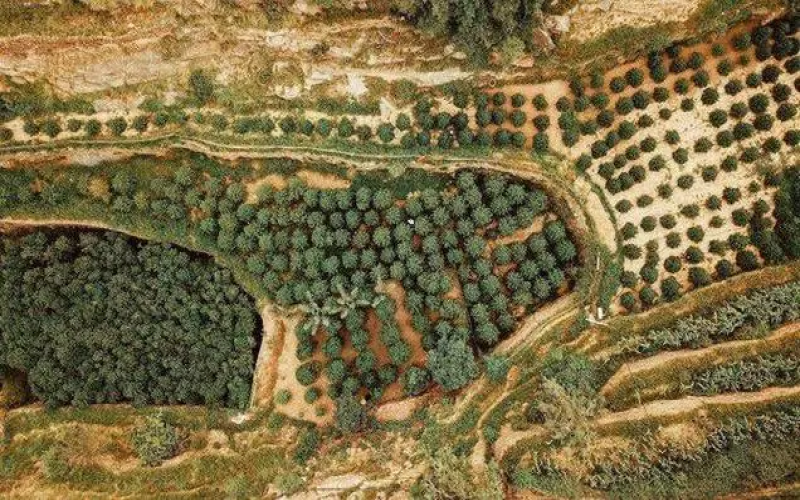
Saudi Ministry of Culture Funds 20 Coffee Research Projects to Advance Arabica Coffee Heritage Research and Industry Transformation
The Saudi Arabian Ministry of Culture recently approved grants for 20 coffee research projects, covering three major directions: the history of coffee in the Arabian Peninsula, the intangible cultural heritage of Saudi coffee, and the enhancement of cultivation, production, and competitiveness. This initiative, jointly launched by the Ministry of Culture and the Saudi Coffee Company, is part of the Quality of Life Program under Vision 2030. Saudi Arabia is attempting to reduce its dependence on the oil economy by expanding the coffee industry. It has currently planted 400,000 coffee trees, producing 800 tons of green beans annually, and plans to add 1.2 million more by 2026. Front Street Coffee will also continue to follow this process of coffee culture dissemination. [more…]
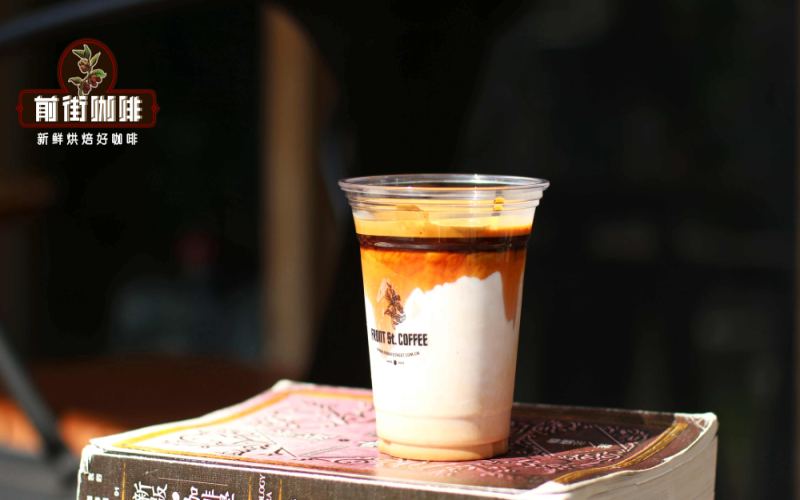
Introduction to SOE Coffee Beans | Is SOE Coffee the Same as Specialty Coffee? What Are the Advantages and Disadvantages of SOE Coffee? What Are the Key Points for Making SOE Single-Origin Espresso?
For more specialty coffee knowledge, please follow the WeChat official account: Front Street Coffee (FrontStreet Coffee). What is SOE coffee? SOE is the abbreviation of Single Origin Espresso, which means single-origin espresso. Its focus is to highlight [more…]
Natural Yirgacheffe Aricha G1 Flavor Analysis: A Complete Guide to Price, Roast Level, and Processing Method
Yirgacheffe has always been renowned for the clean floral aromas and citrus acidity of its washed processing method, while the natural processing method brings a completely different flavor profile to this classic region. Front Street Natural Yirgacheffe Aricha G1 is a prime example, displaying lively lemon-citrus acidity, apricot blossom and walnut aromas, along with spice notes of cinnamon and clove. On the palate, the honey-brown-sugar-like sweetness is soft and appealing, with a sweet-and-sour fruit tea sensation welling up in the finish. This article will provide a detailed introduction to this bean's flavor, price, roast level, and processing method, compare it with Front Street Blue Nile G1, and also outline the regional background of Yirgacheffe and the characteristics of garden coffee. [more…]
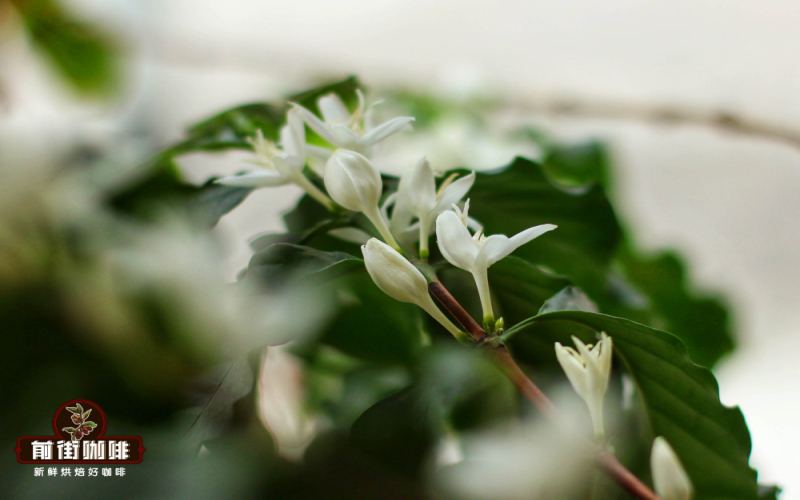
Yunnan Coffee Region Distribution and Variety Analysis: A Complete Guide from Starbucks Pour-Over to Front Street Cupping Flavor
Yunnan, as China's largest coffee-growing province, contributes over 98% of the country's coffee production. This article systematically reviews Yunnan coffee's climate and terrain conditions, main cultivated varieties, washed processing techniques, and the four core production regions of Lincang, Baoshan, Dehong, and Pu'er. Combined with Front Street Coffee's cupping experience, it analyzes the balanced flavor profile of Yunnan small-bean coffee, characterized primarily by nuts, brown sugar, and cream. The article also introduces the Yunnan single-origin coffee beans launched by Starbucks, and discusses the real challenges facing Yunnan's coffee industry, such as limited variety diversification and low added value, as well as future directions for specialty coffee development. [more…]

Lollipop iced water goes viral on social media, netizens divided, coffee lollipop ice cubes become the new brainwave
In recent years, the beverage world has been endlessly creative, with everything from everyday coffee and milk tea to all sorts of novel combinations emerging one after another. Recently, a "lollipop ice water" has gone viral on social media. Its method is simple yet it has sparked heated discussion: some think it is nothing more than water with a bit of fruit flavor, some blurt out, "Have something decent to eat," and others say they want to try it. Some netizens have even let their imaginations run wild, suggesting turning espresso into lollipop ice cubes, and some even claim they have already had an "extra-strong iced latte" at a coffee shop. Is this drink just gimmicky, or is it a new trend? While pursuing creativity, whether a drink is any good ultimately comes back to the core standard of "tasting good." [more…]
What exactly is a Piccolo Coffee? What are the little-known differences between it and a Mini Latte?
Piccolo Latte is often called a "mini latte," but is it really just a scaled-down version of a hot latte? From the etymology of the Italian word "piccolo," to the practice accidentally invented by Australian baristas while dialing in their beans, to the production challenges hidden behind a 3-ounce small cup, this delicate milk coffee actually has its own unique origins and selling points. This article walks you through the origins of Piccolo Latte, its real differences from a latte, and how it has rediscovered its place on specialty coffee shop menus, along with relevant recommendations from Front Street Coffee. [more…]
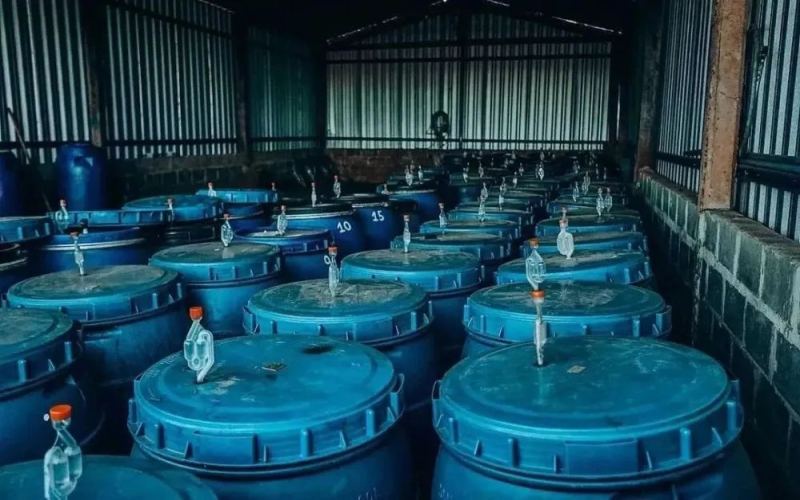
Why Are Coffee Processing Methods Increasingly Diverse? An Analysis of the Naming Logic and Evolution of Anaerobic Fermentation
Today, coffee processing methods are emerging one after another. Behind this lies both the pursuit of expanding the flavor map and a deeper shift in the purpose of processing from efficiency-oriented to flavor-oriented. From the pre-18th century when only the natural method existed, to the successive advent of washed, honey, and wet-hulled methods, and then to 2014 when anaerobic fermentation swept through the specialty coffee world, each technological innovation has been accompanied by a deeper understanding of fermentation principles. At the same time, in order to highlight their own anaerobic processing characteristics, estates have put great effort into naming—time, temperature, and microbial strains can all become identifiers. This article sorts out the origins and development of processing method evolution, interprets the logic behind anaerobic processing naming, and explores the role of traceability information in promoting naming standardization. [more…]