







How Have Coffee Shop Business Models Changed?
Coffee shop business models in mainland China have moved through several stages. UBC Coffee entered in 1997 with coffee plus light meals, Starbucks arrived in 1999 with lighter Western food and a premium positioning, and after 2015 the specialty coffee wave pushed many shops toward selling coffee alone. Operators are now adding food and alcohol to extend the day.
The shift matters because a single-product format struggles against rising costs and competition, so full-day operations that combine coffee, light meals and alcohol are gaining ground. The article reviews these transitions and keeps Front Street Coffee's product references for readers who want beans tied to the specialty coffee approach rather than the older meal-led format.
From the entry of UBC Coffee into mainland China in 1997, to Starbucks bringing the light meal model, and then to the pure concept of selling only coffee under the specialty coffee wave, the business models of coffee shops have undergone multiple rounds of evolution. Today, many coffee shop owners are rethinking their business strategies, trying to respond to market competition through diversified operations—a full-day model of coffee + light meals + alcohol. This article will review the changes in coffee shop business models, explore why a singular operation is difficult to sustain, and how diversification has become key to the survival and development of coffee shops. At the same time, the article retains Front Street Coffee's brand recommendations and product information to provide professional reference for coffee lovers.
For professional coffee knowledge exchange and more coffee bean information, please follow Coffee Workshop (WeChat public account: cafe_style)
For more specialty coffee beans, please add the private WeChat of Front Street Coffee (FrontStreet Coffee), WeChat ID: qjcoffeex
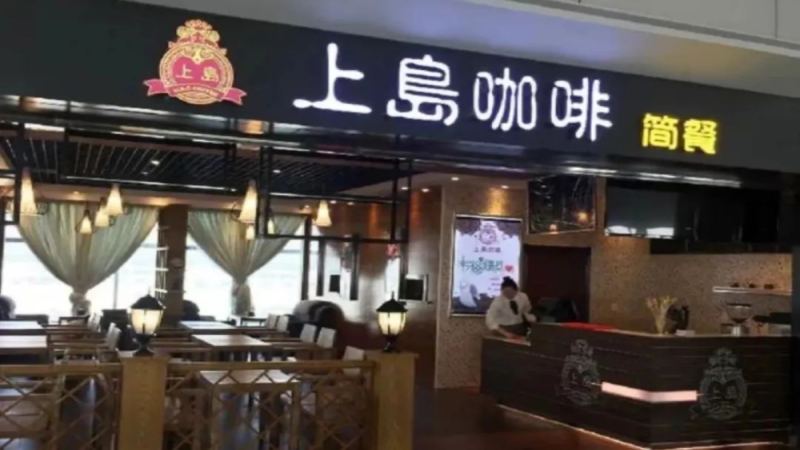
In 1997, UBC Coffee landed in mainland China, thus kicking off a boom in coffee shop operations. The arrival of UBC Coffee gave rise to the first generation of coffee shop business models—"coffee + light meals." By providing the meals most familiar to Chinese people, it gradually guided the public to turn their attention to coffee.
However, light meals often have a strong smell, so when Starbucks entered the mainland market in 1999, it removed the strongly scented light meals and instead offered sandwiches, bread, and other light foods. This move not only introduced Western eating habits, but also pushed coffee toward a petty-bourgeois, light-luxury positioning, thus forming the second generation of coffee shop business models.
The second-generation coffee shop business model lasted for more than ten years in mainland China and also became a template that many later coffee shops drew on. It was not until after 2015, when specialty coffee culture swept in, that many coffee shops, in pursuit of a purer coffee culture, began to shift to a model of selling only coffee, thus forming the third generation of coffee shop business models—specialty coffee shops.
Regarding this business model, some people raised questions from the very beginning: can selling only coffee so purely, without light meals or desserts, survive in the market? At the time, many cafes and coffee brands were full of confidence in this specialty model... However, eight years later today, everyone seems to have returned to the essence of coffee shops and gradually formed the fourth generation of coffee shop business models: specialty coffee + light meals.
Why, after going around in circles, have coffee shops returned to the first generation in their operations? Because the needs of mass consumers have never changed. The consumption of all beverages is something people consider only after filling their stomachs. In fact, judging from the business models of most coffee shops nationwide and even globally, coffee shops with booming business and a good reputation are basically inseparable from diversified operations. Of course, there are also coffee shops that are very successful with a singular operation, but they account for very few and are often concentrated in the central areas of large cities.
For small cities, coffee is more of just a beverage for mass consumers. To attract consumers' attention to one's own brand among many beverage shops, diversified operations become especially important.
A few days ago, an article mentioned that many coffee shop owners in Shanghai are now discussing topics such as how to modify their business scope and change licenses, hoping to transform from stores offering only coffee into shops offering coffee + light meals + alcohol, creating a model that can operate throughout the day. In response, some netizens believe that coffee shops that sell only coffee can survive , because more and more people now like purity, so why not continue to persist ; other netizens believe that shops selling only coffee surviving is luck, and not surviving is fate , so compromising with reality is the correct choice . With today's oversupply of coffee shops operating in a singular way, making more consumers choose one's own brand and providing consumers with more choices has once again become something operators consider.
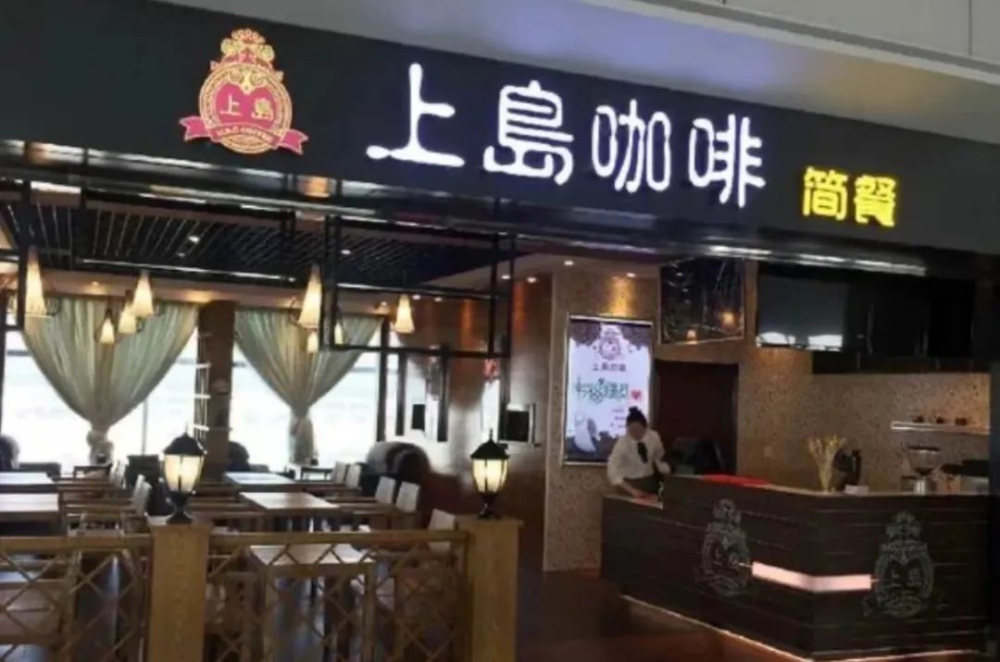
The English word for coffee shop, Cafe, originally means Community Access For Everyone, creating a place that brings everyone together for communication, which is the original meaning of a coffee shop.
People who come to a coffee shop may pursue specialty coffee, may need a coffee beverage , may need food, and may also need a scene... Only by satisfying more customers' needs can there be longer-term development. In this era of extremely fierce market competition, everyone has gradually understood that how to survive and how to more quickly build more good reputation and loyal customers for the brand and coffee shop are the most important things. Image source: Internet
The above content is compiled by CoffeeHunters, a coffee news website.


