







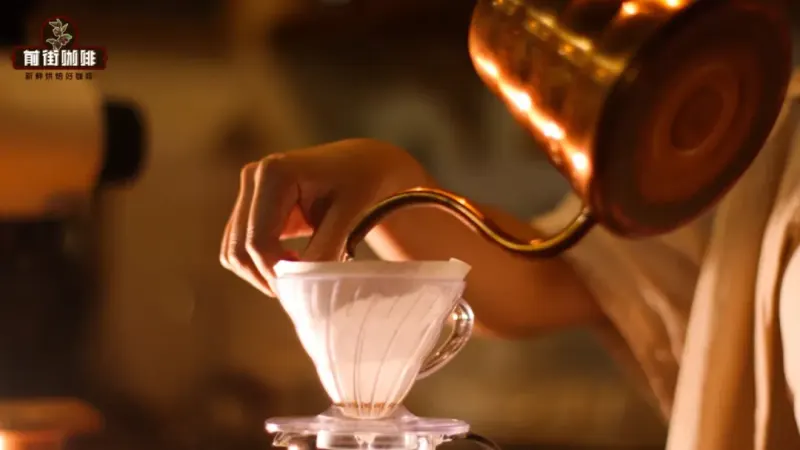
Does Wetting Coffee Filter Paper Really Change the Brew?
Pre-wetting pour-over filter paper is optional rather than required. Rinsing with hot water was traditionally done to remove a papery taste, preheat the dripper, and help the paper sit snugly. Modern filter paper has largely lost that papery smell, and many drippers no longer need preheating, so skipping the rinse rarely changes the cup in a noticeable way.
The choice often comes down to the coffee making process and the drink being brewed. Hot pour-over at Front Street Coffee uses a rinsed filter, while iced pour-over adds grounds straight into a dry filter. Dripper material matters too: ceramic and glass hold heat and benefit from preheating, whereas other materials lose heat quickly and gain little from it.
In the daily practice of pour-over coffee, many enthusiasts notice a detail: sometimes the filter paper is rinsed with hot water before brewing, while other times coffee grounds are added directly and water is poured right away. At Front Street Coffee, these two different approaches are used when making hot pour-over and iced pour-over. So, is there any real difference between wetting the filter paper and not wetting it? The traditional purposes of wetting filter paper are mainly three—removing papery taste, preheating the dripper, and making the filter paper fit snugly. But with advances in filter paper manufacturing and the diversification of dripper materials, do these concerns still hold? This article will analyze the necessity of wetting filter paper one by one, based on filter paper quality, dripper material, and actual brewing needs, to help you make more reasonable choices in different scenarios.
Observant friends often notice that when Front Street Coffee brews different coffees, besides adjustments in parameters, there are also differences in the process steps. For example, the action of wetting the filter paper.
When making hot pour-over coffee, Front Street Coffee always wets the filter paper first before adding grounds and brewing. But when making iced pour-over coffee, the filter paper is not wetted, and coffee grounds are added directly for brewing. This makes many friends curious: why is the filter paper sometimes wetted and sometimes not?
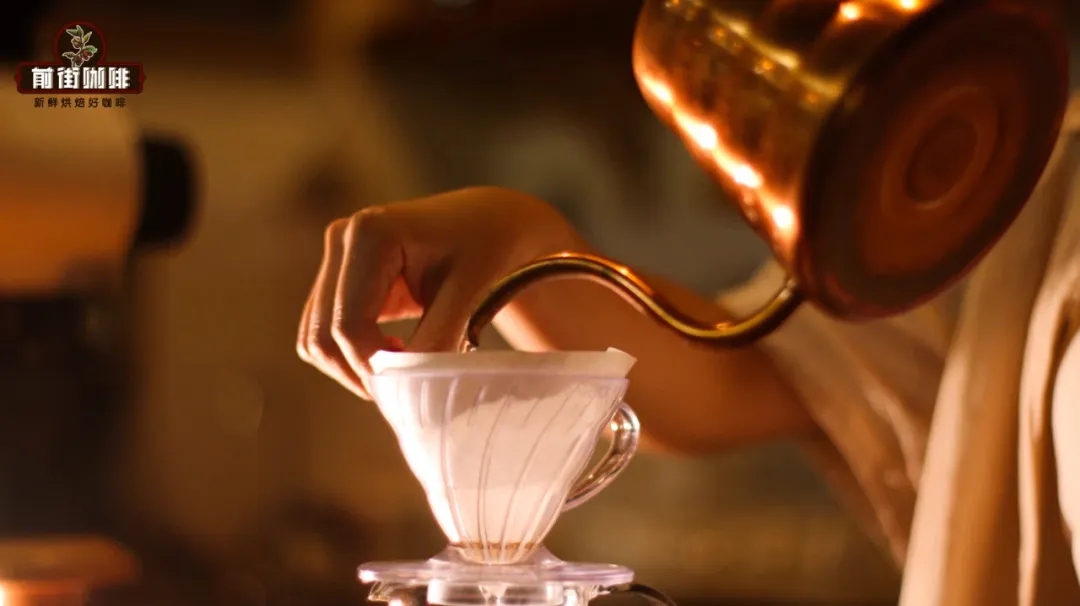
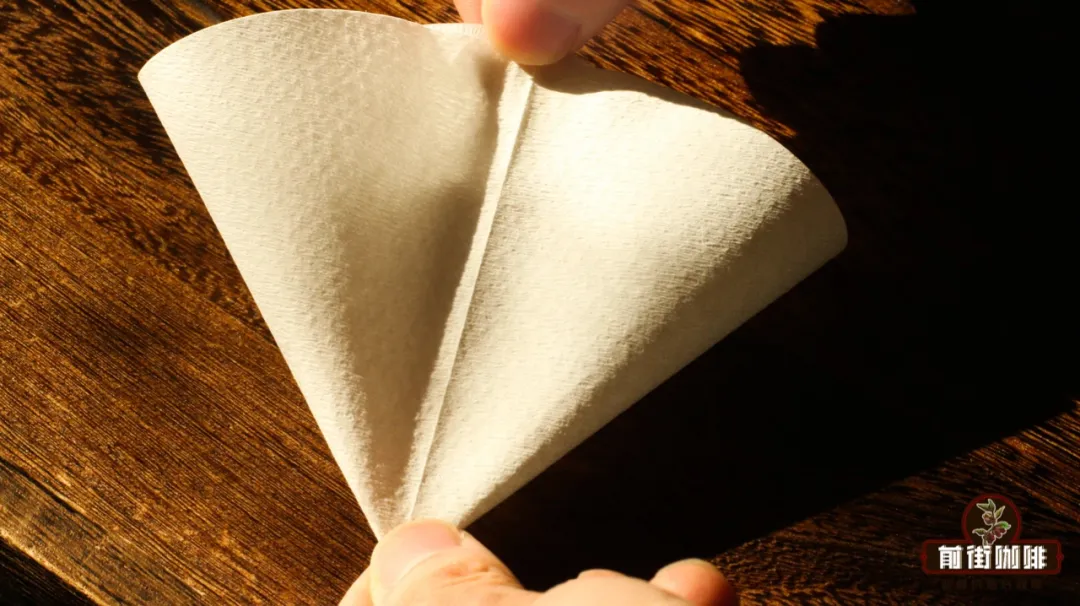
It's simple, because the difference between wetting and not wetting the filter paper isn't actually very big! You can briefly review the main purposes of wetting the filter paper. The reasons for wetting the filter paper boil down to three things: removing papery taste, preheating the dripper, and making the filter paper fit snugly. However, the equipment and brewing methods currently used by Front Street Coffee are hardly troubled by these issues. Take filter paper, for example. The reason people in earlier times needed to rinse with hot water to remove papery taste was that the filter paper back then had a very pronounced papery smell. If this smell wasn't rinsed away with hot water, it would be incorporated into the coffee during brewing, affecting the coffee's flavor. With technological advances, filter paper without papery taste has long since been developed, so we naturally no longer need to rinse to remove papery taste.
Next is preheating the dripper. The reason a dripper needs preheating mainly comes from its material! Drippers made from materials like ceramic and glass have a strong ability to absorb heat. If we don't preheat the dripper with hot water beforehand, the dripper will draw energy from the hot water during brewing, causing a decline in extraction efficiency. But Front Street Coffee uses non-heat-absorbing resin drippers, which don't have a strong heat-absorbing capacity, so there's naturally no need to worry about negative effects from not preheating. Compared to the dripper, the coffee pot and coffee cup are actually the objects that need preheating more.
The above content is compiled by CoffeeHunters, a coffee news website.


