







How did coffee processing methods evolve beyond efficiency?
Coffee processing has moved from an efficiency-driven task to a flavor-driven one. Natural processing was the only method before the 18th century. Washed, honey, and wet-hulled methods followed, and anaerobic fermentation spread through specialty coffee from 2014 onward, each step paired with a deeper grasp of fermentation principles and a wider range of cup profiles.
The earliest changes were practical. Washed processing began in the early 18th century in the humid West Indies, where rain ruled out sun-drying, so coffee bean processing had to adapt to local climate. Today the goal is flavor: estates name anaerobic lots by time, temperature, and microbial strain, and traceability information is pushing that naming toward standardization.
Coffee processing methods today are endlessly proliferating, driven both by the pursuit of expanding the flavor frontier and by a deeper shift in the purpose of processing—from efficiency-oriented to flavor-oriented. From the pre-18th-century era when natural processing was the only method, to the successive advent of washed, honey, and wet-hulled processing, and then to 2014 when anaerobic fermentation swept through the specialty coffee world, every craft innovation has been accompanied by a deeper understanding of fermentation principles. At the same time, estates have gone to great lengths with naming to highlight their own anaerobic processing characteristics—time, temperature, and microbial strains can all serve as identifiers. This article traces the origins and evolution of processing methods, deciphers the logic behind anaerobic processing nomenclature, and explores how traceability information is driving the standardization of naming.
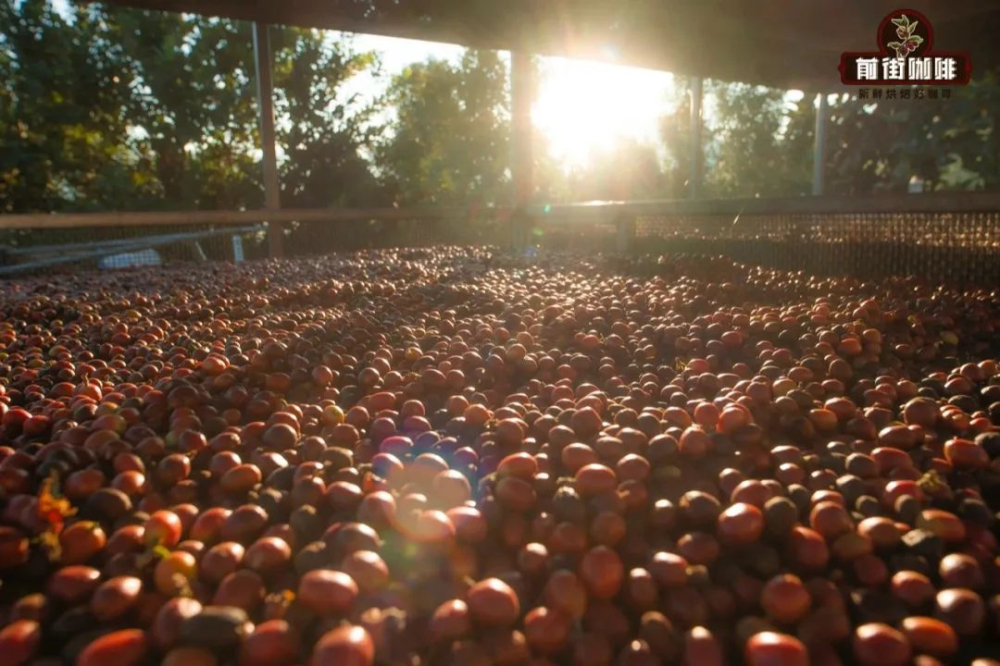
Today, coffee processing methods are becoming increasingly diverse. Ultimately, the core motivation is to unlock more potential in flavor expression. In other words, it is about making coffee present a more distinctive taste to respond to different consumers' palate preferences. At the same time, this also means that the starting point of the processing stage has undergone a fundamental shift. In the earliest days, the enrichment of processing methods was merely about adapting to the climate conditions of the origin and improving the efficiency of coffee bean processing. Before the 18th century, natural processing was the only method, relying on prolonged sunlight to dehydrate and dry the fruit. It was not until the 18th century that washed, honey, and wet-hulled processing took the stage one by one. Although today we can easily distinguish the taste differences brought by these processing methods, when they were first invented, the original intention was not to differentiate themselves from natural coffee in terms of flavor.
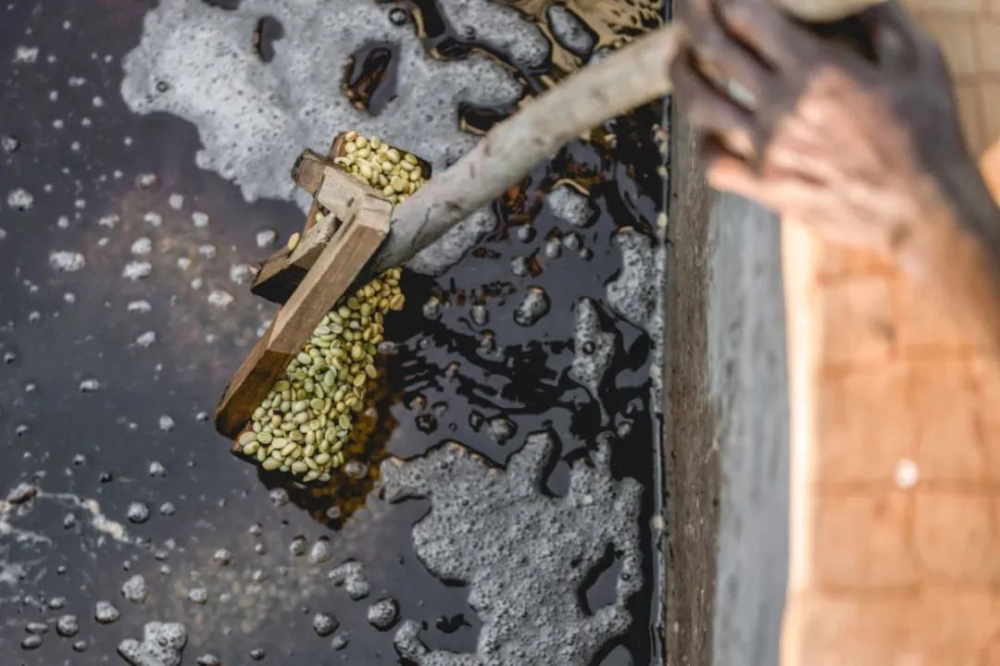
Take washed processing as an example. It originated in the early 18th century in the West Indies of the Caribbean, which is today's Indonesia. The local climate was humid and rainy, unlike other popular origins of the same period that could enjoy ample sunlight all day, making it impossible to use natural processing for the fruit. If forced to sun-dry under humid conditions, insufficient sunlight would prolong the drying cycle, and during this time, a large number of fruits would easily mold and spoil due to being unable to dehydrate for so long. Washed processing thus came into being. First removing the skin, pulp, and mucilage, then drying, not only compressed the drying time by about half but also gave the coffee higher cleanliness. Later, to further shorten the drying time, wet-hulled processing emerged. Brazil's pulped natural and Central America's honey processing were likewise products of adapting to local conditions.
As people's pursuit of coffee quality became increasingly refined, they subsequently discovered that processing methods directly influence the direction of coffee's flavor. This is mainly attributed to the different types of substances involved in fermentation and the differences in the degree of fermentation. Once this pattern was revealed, processing methods evolved toward diversification and stylization. For example, honey processing has now spawned multiple forms such as black honey, red honey, yellow honey, and white honey. Due to the varying amounts of mucilage retained, fermentation time and final flavor also change accordingly. Later, some estates in Colombia discovered through research that fermenting coffee beans in different environments could actually produce entirely new and distinct flavors. Anaerobic processing was thus introduced to the coffee field. In 2014, an anaerobically processed coffee bean made it onto the winners' list of a Costa Rican competition, and the anaerobic fermentation trend immediately swept through.
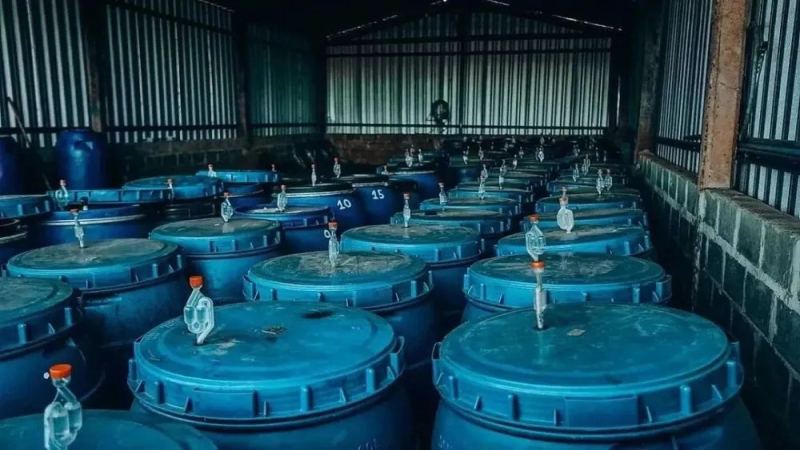
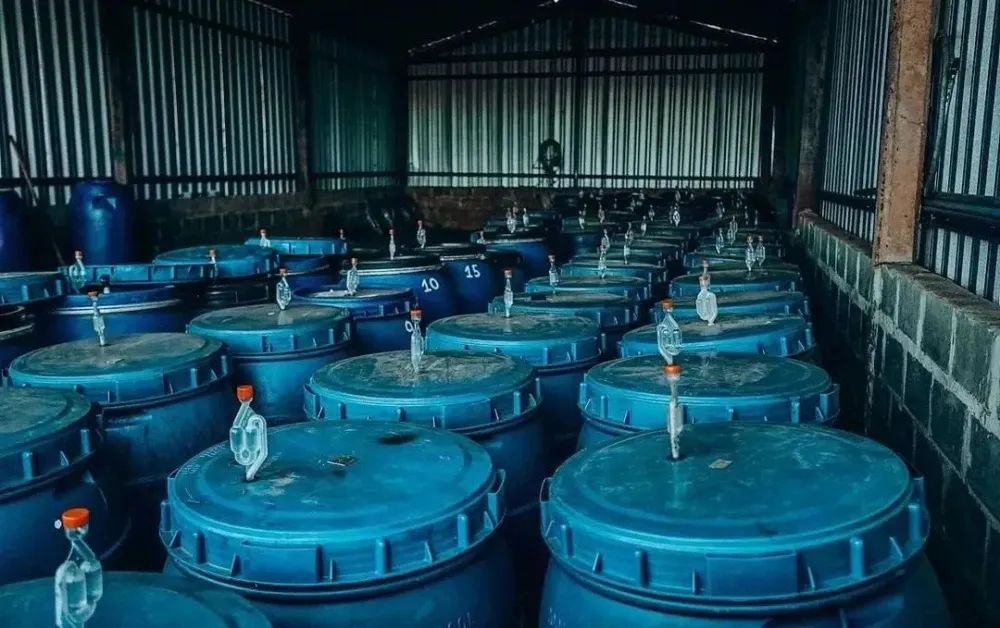
More and more estates are diving into the exploration of anaerobic fermentation. Because of its high procedural complexity, parameters such as anaerobic duration, ambient temperature, microbial composition, and pH value all require strict manual control—any deviation in a single step will push the coffee beans toward unexpected flavor directions. Therefore, almost every estate has its own proprietary anaerobic processing recipe. But to highlight selling points and differentiate themselves from other estates' anaerobic processing, some estates embellish the name of the processing method. For instance, some estates use anaerobic time as a highlight and embed time information in the name to distinguish themselves; others use the anaerobic temperature environment as a selling point, so expressions like "low-temperature slow anaerobic" appear in the name. Special names like "heat shock" and "cold shock" follow the same logic.
Another reason why today's processing methods appear so complicated is that early coffee processing naming was not particularly meticulous. For example, although both are washed processing, Ethiopia's washed and Kenya's washed differ significantly—both the craft and fermentation time are vastly different, and the final flavors are completely distinct—yet they are uniformly labeled as washed. At this point, everyone should be able to understand why coffee processing methods have become increasingly complex today. First, it is to give coffee flavors richer possibilities; second, it reflects the growing emphasis on coffee bean traceability information.
The above content is compiled by CoffeeHunters, a coffee news website.


