







Why Is Arabica Coffee Research Getting Saudi Funding?
Saudi Arabia's Ministry of Culture has approved grants for 20 coffee research projects, launched with the Saudi Coffee Company under the Quality of Life Program of Vision 2030. The projects cover three areas: the history of coffee in the Arabian Peninsula, the intangible cultural heritage of Saudi coffee, and improvements in cultivation, production, and market competitiveness.
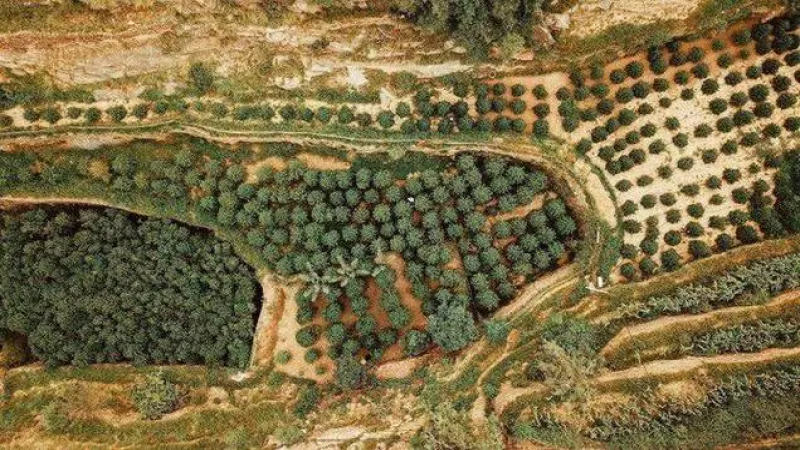
The country has planted 400,000 coffee trees and produces 800 tons of green beans a year, with plans to add 1.2 million more trees by 2026. The funding also supports publication of results in scientific papers, part of a wider effort to reduce reliance on oil revenue through coffee.
The Saudi Arabian Ministry of Culture recently approved grants for 20 coffee research projects, covering three major directions: the history of coffee in the Arabian Peninsula, the intangible cultural heritage of Saudi coffee, and the enhancement of cultivation, production, and competitiveness. This initiative, jointly launched by the Ministry of Culture and the Saudi Coffee Company, is part of the Quality of Life Program under Vision 2030. Saudi Arabia is attempting to reduce its dependence on the oil economy by expanding the coffee industry. It has already planted 400,000 coffee trees, producing 800 tons of green beans annually, and plans to add 1.2 million more trees by 2026. Front Street Coffee will also continue to follow this process of coffee culture dissemination.
According to the Saudi Press Agency, the Saudi Arabian Ministry of Culture recently approved a funding program for 20 coffee research topics, with selected projects coming from Saudi Arabia itself as well as multiple overseas countries.
This initiative was jointly launched by the Ministry of Culture and the Saudi Coffee Company, a subsidiary of the Public Investment Fund, with the core aim of promoting academic exploration focused on Saudi coffee, regarding it as an important component of the Kingdom's cultural heritage. The scope of funding covers not only research expenses but also academic support, such as assisting with the publication of research results in scientific papers, enabling participating researchers and experts in various fields to receive full financial and academic support throughout the process.
These grants focus on three major directions. First, they center on coffee in the Arabian Peninsula, tracing its historical origins, production techniques, and dissemination paths within the country. Second, they explore the intangible cultural heritage related to Saudi coffee, including knowledge systems, skills, social customs, practical activities, and cultural connotations. Third, they support the cultivation and production of Saudi coffee, enhance its market competitiveness, and help the local economy transition to a sustainable model.
In fact, this initiative was proposed as early as 2022, launched by the Ministry of Culture with the support of the Quality of Life Program under Saudi Vision 2030. For a long time, Saudi Arabia's economy has been highly dependent on oil, but oil resources are ultimately limited, so the country is striving to break away from dependence on the oil economy and instead drive growth through the rapid expansion of the coffee industry.
The history of Arabs drinking coffee can be traced back to the 13th century. Coffee holds an important place in Saudi culture and is also an indispensable beverage in daily life. Today, Saudi Arabia has ranked among the world's top ten coffee-consuming countries, and achieving self-sufficiency has also been included in the goals of Vision 2030. Vision 2030 was proposed by Crown Prince Mohammed bin Salman in 2016, intended to open up more diversified economic paths, stimulate investment and business opportunities, and promote economic diversification and social liberalization.
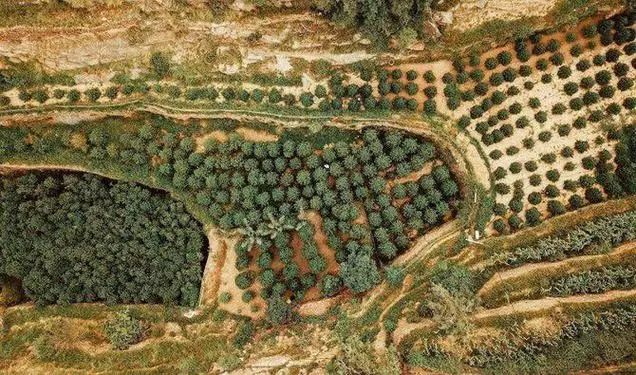
The development of the coffee industry is also one of the planned contents of Vision 2030. At present, Saudi Arabia has successfully planted 400,000 coffee trees, with an annual output of green coffee beans reaching 800 tons, and has 2,535 coffee estates. The country also plans to further expand the scale of cultivation by 2026, with an expected additional 1.2 million coffee trees. In addition, a specialized coffee academy has been established to teach Saudi farmers, entrepreneurs, and coffee enthusiasts knowledge and skills in areas such as coffee cultivation, processing, and roasting. Front Street believes that these measures will strongly promote the global dissemination of Saudi coffee culture.
The above content is compiled by CoffeeHunters, a coffee news website.


