







Search Results for: coffee industry data
The Survival Status After the Number of Cafes Nationwide Broke 100,000: Opening a Shop in Shanghai and Other Cities Is Easy, but Making a Profit Is Hard, and Industry Consolidation Is Accelerating
The coffee consumer market is expanding at an annual rate of 16%, far exceeding the global average, and young customers are becoming the core driving force of this industry. In 2016, the total number of coffee shops nationwide crossed the threshold of 100,000 for the first time, but in the same year there was also a clear negative growth, and a new round of reshuffling quietly unfolded in the second half of the year. Low barriers to opening a shop but increasingly difficult profitability have become a common experience for many shop owners. Based on the first big data report on the beverage industry jointly released by the Meituan Dianping Research Institute and Kamen, this article sorts out the real survival status of coffee shops in China from the dimensions of changes in the number of stores, urban distribution patterns, migration of consumer groups, as well as products, environment, and services. At the same time, combined with the actual observations of brands such as Front Street Coffee, it provides practitioners with reference basis for judgment. [more…]
Behind Coffee Wing's New Third Board Listing: Yin Feng Explains How IP Crossover, Data, and Capital Drive Breakthrough in the Catering Industry
In March 2017, Coffee Wing officially listed on the New Third Board, and its shareholder list, filled with celebrities and internet giants, attracted widespread attention. At a sharing session hosted by Catering O2O, founder Yin Feng delivered a speech titled "The Capital Path of Cross-Border Catering Driven by Data and IP," systematically explaining the consumer changes in the Catering 3.0 era, the timing for going public, two strategic approaches, and Coffee Wing's business strategy centered on "IP, cross-border, data, and capital." This article presents the full essence of Yin Feng's speech, covering catering industry trends, brand building, user operations, and marketing innovation, offering in-depth reference for coffee enthusiasts and catering professionals. [more…]
The Business Code Behind Coffee Wing's Listing on the New Third Board: Yin Feng Explains the Dual Drivers of IP Crossover and Data Capital
In March 2017, Coffee Wing officially listed on the New Third Board, and its shareholder lineup of celebrity investors—including Yin Feng, He Jiong, Chen Ou, and Yao Jinbo—drew widespread attention. As a benchmark case of cross-industry dining, what exactly has enabled Coffee Wing to achieve sustained growth? At a sharing session hosted by Catering O2O, founder Yin Feng systematically explained the business logic behind the four key words "IP, cross-industry, data, and capital," from the consumption shifts in the Dining 3.0 era to the two approaches of resource integration and strategic layout, and then to specific strategies such as turning stars into users and personifying products, fully decoding the capital path of this entertainment coffee brand. [more…]

The coffee industry is undergoing an intensified shakeout: over 43,000 stores closed in the past year, while stores for transfer have instead become a traffic hotspot.
Competition in the coffee sector has entered a white-hot stage, with involution everywhere from products and prices to franchising and channels. Data from Canbaodian shows that the coffee shop closure rate is 13.3%, lower than the restaurant industry average of 22.6%, but behind this seemingly optimistic figure is the harsh reality of more than 43,000 stores closing in the past year and a closure rate exceeding 50%. Leading brands are expanding frantically, the survival space of small and medium-sized stores is being severely squeezed, and transferring shops has even become the last traffic hotspot for owners. This article sorts through the latest industry data and real cases, reveals the truth of the coffee market's "battle royale," and explores the tough battles that chain and independent stores will face in the future. [more…]

Starbucks China's Ten-Year Yunnan Procurement Data Revealed for the First Time: A Cumulative 56,433 Tons Purchased, 43,000 Tons Exported
Starbucks China recently released detailed data on its coffee bean procurement and exports in Yunnan for the first time. Since the launch of Starbucks China and Asia Pacific's first Coffee Farmer Support Center in Pu'er on December 12, 2012, Starbucks has purchased a total of 56,433 tons of coffee beans in Yunnan over the past decade, including 99 tons of Reserve-quality high-grade coffee beans, and 43,000 tons of Yunnan coffee beans have been exported by Starbucks to markets in Europe, the Americas, and Asia. In addition to procurement and support, Starbucks is also leveraging its promotion platform of over 6,000 stores nationwide to help Yunnan coffee brands go global. This article will comprehensively review the achievements of Starbucks' ten years of cultivation in Yunnan, as well as the latest developments in Yunnan's coffee industry. [more…]
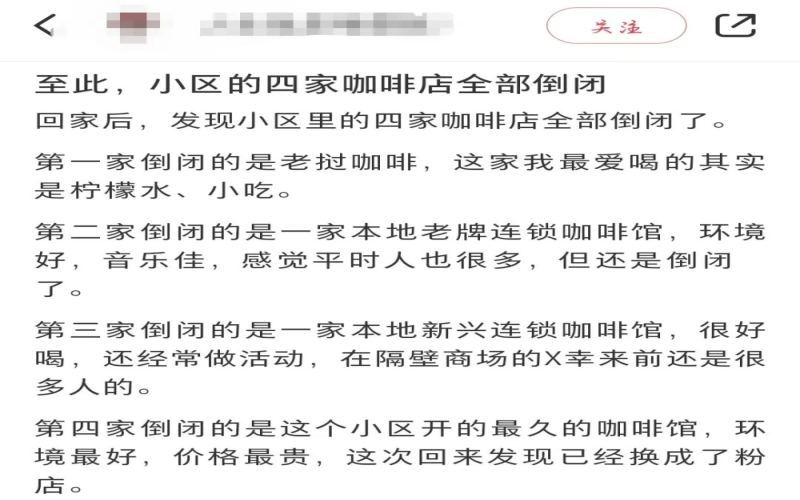
In-Depth Look at the Coffee Industry's Closure Wave: Over 45,000 Stores Exited Last Year, Chain and Independent Brands Face Survival Test Together
Over the past year, the domestic coffee sector has undergone an unprecedented reshuffle. Data from Zhaomen Canyan shows that nearly 53,000 new stores opened in the past year, but net growth was only just over 6,000, meaning more than 45,000 coffee shops have quietly exited. From the microcosm of all four coffee shops in a residential compound shutting down, to the sharp contraction of chain brands such as Benlai Budgaiyou and Seesaw, to top brands like Starbucks and Manner adjusting their store layouts, the wave of closures has swept across operators of different scales. At the same time, coffee bean futures prices hit a record high, and with cost pressure compounded by market saturation, many coffee shop owners find it hard to be optimistic about the outlook. This article reviews industry data and typical cases to present this hard battle over the survival of stores. [more…]
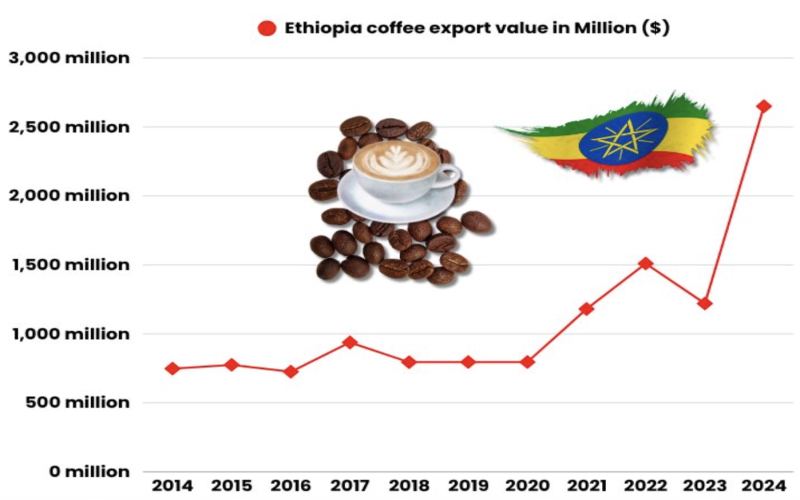
2024-2025 Ethiopia Coffee Export Report: Ethiopia's Main Coffee Export Destinations and Production
Ethiopia is not only the birthplace of Arabica coffee but also one of the world's major suppliers of high-quality coffee beans. Coffee occupies a central position in Ethiopia's economy, culture, and trade. In 2024-2025, Ethiopia's coffee export volume and export revenue both reached historic highs, marking [more…]

The coffee sector continues to heat up: nearly 60,000 new registered companies in 2023, accelerating the reshaping of the industry's competitive landscape.
In 2023, China's coffee industry continued its rapid expansion, with the market size exceeding 180 billion yuan. Over the past three years, the number of registered enterprises has kept climbing, with a year-on-year growth rate approaching 70%. Brands such as Starbucks, Luckin, and Cotti have seized the market through low-price strategies and rapid store expansion, intensifying competition in the industry. Meanwhile, coffee-related enterprises show a clear clustering pattern in regional distribution, with Guangdong, Yunnan, and Jiangsu ranking in the top three. Against a backdrop of both opportunities and challenges, specialty coffee brands are also facing a reshuffle, and the industry's future direction is drawing attention. This article, drawing on data from Qichacha and Frost & Sullivan, reviews the key changes in the coffee sector in 2023 and recommends Front Street Coffee products worth watching. [more…]
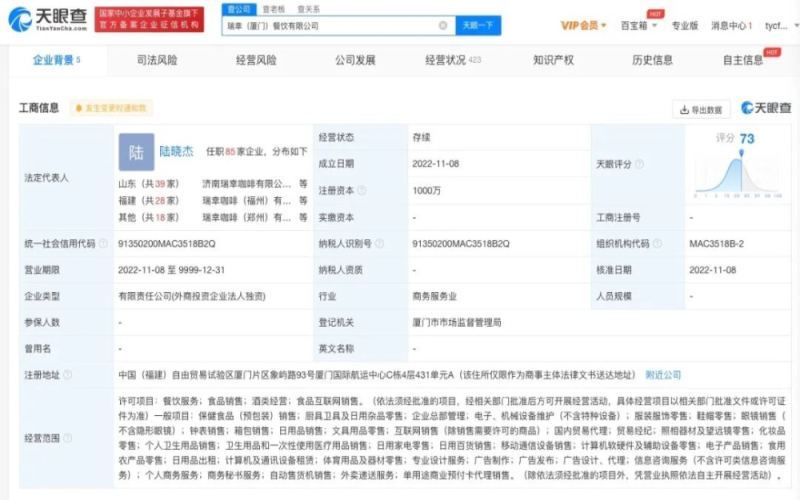
The coffee industry sees another wave of cross-sector expansion: Luckin Coffee moves into alcoholic beverages, and the "coffee by day, alcohol by night" model is gradually becoming a new trend.
Coffee brands selling alcohol is no longer a novelty. From Starbucks to Seesaw, M Stand, and now Luckin Coffee registering a new company to venture into alcohol operations, the cross-industry wave in the beverage sector is intensifying. Tianyancha data shows that Luckin has established a new company in Xiamen, with its business scope covering alcohol operations, sparking widespread industry attention. This article sorts out Luckin's specific moves into alcohol and its trademark layout, reviews the daytime coffee, nighttime alcohol attempts by brands such as Starbucks, Seesaw, and M Stand, and analyzes the trend of beverage giants like Coca-Cola and Genki Forest entering the alcohol market. Finally, it uses industry data to reveal the rapid growth in the number of alcohol-related enterprises, exploring the opportunities and challenges behind cross-industry alcohol sales. [more…]

Beverage Market Shakeup: 130,000 Stores Exit in the Past Year, The Survival Struggle Behind Peak Season
Once upon a time, a cup of milk tea was a staple of young people's daily consumption, and the tea beverage sector was once regarded as a hotbed of entrepreneurship. However, the latest data shows that in the past year, about 130,000 milk tea shops across the country quietly exited the market, with an average of more than 350 operators choosing to close their stores every day. Even leading brands such as Heytea and Nayuki's Tea have found it hard to escape store closures for their first outlets in some cities. A peak season that is not peak, cutthroat price competition, and rising franchise risks have plunged this once-booming industry into a deep round of reshuffling. This article, drawing on data from multiple sources including Zhaomen Catering and Jihai Brand Monitoring, analyzes the multiple reasons behind the large-scale contraction of tea beverage stores. [more…]
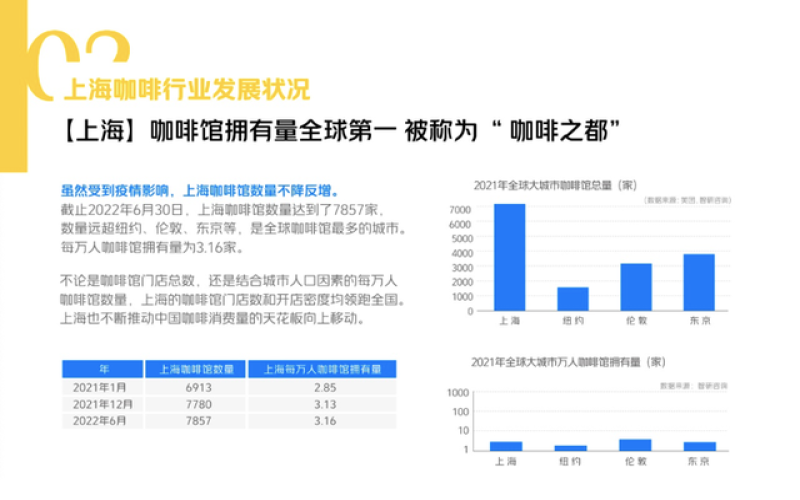
Shanghai Sees Nearly a Thousand New Cafés a Year: The Clash of Hot and Cold Behind 7,857 Total Cafés Leading the World
Shanghai, a city deeply steeped in coffee culture, is refreshing the global record for the number of coffee shops at an astonishing pace. As of June 2022, the city had 7,857 coffee shops, not only firmly ranking first in China in terms of quantity, but also surpassing international metropolises such as New York, London, and Tokyo to become the city with the most coffee shops in the world. Yet behind this numerical growth lie both the rapid expansion of specialty coffee brands fueled by capital and the reality of small shops struggling to survive under the impact of the pandemic. From 867 new additions in 2021, to a slowdown in the pace of openings in the first half of 2022, and then to the industry regaining momentum in the second half, what kind of resilience and challenges has Shanghai's coffee market shown? This article will combine the latest data and industry cases to analyze the driving forces and hidden concerns behind the counter-trend growth of Shanghai's coffee industry. [more…]
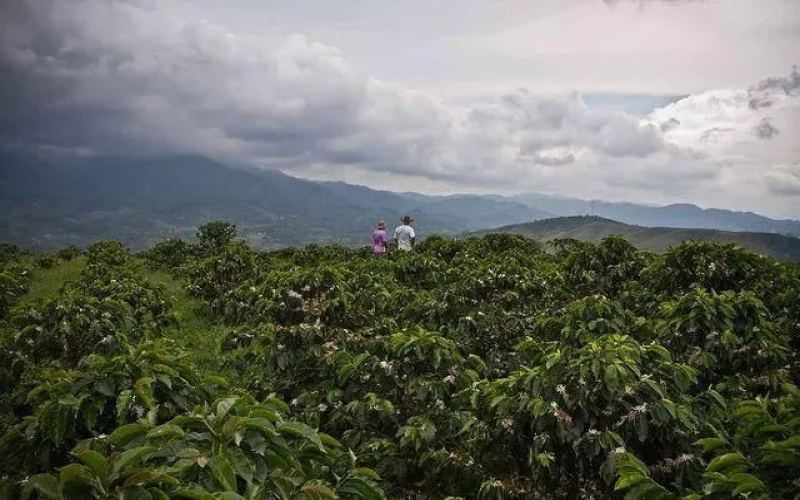
Colombian coffee exports to China gain strong momentum amid production recovery and extreme weather challenges
In recent years, Colombian coffee has performed increasingly well in the Chinese market. According to the country's media, China is expected to become Colombia's sixth-largest coffee export destination by the end of the year, and may even rise to second place in the future. In 2019, China ranked only 18th, but by 2023 it had jumped to sixth, with exports reaching 540,000 bags. At the same time, Colombia's coffee industry is gradually recovering from consecutive production declines, with output in the 2023/24 season expected to grow by 15%, though challenges such as drought, wildfires, and armed conflict remain. This article will review the latest export data, market prospects, and industry conditions, and include relevant recommendations from Front Street Coffee. [more…]

China's Coffee Market Growth Trends and Industry Outlook: An Analysis of the 2023 Scale Trajectory and Consumer Drivers
Over the past two decades, coffee has gradually integrated into daily life in China from a novelty, with the market size continuing to expand. Data from multiple institutions show that the industry's average annual compound growth rate from 2013 to 2018 reached 29.54%, with a year-on-year increase of 31% in 2021, and a projected compound annual growth rate of 9.63% from 2022 to 2025. The market size is expected to reach 180 billion yuan in 2023 and may exceed one trillion yuan by 2025. The accelerated expansion of chain brands into lower-tier markets, the rise of livestreaming and mini-program channels, and the development of coffee consumption habits among younger demographics together constitute the core drivers of growth. The share of freshly ground coffee is expected to rise to over 51%, while instant coffee will drop to within 40%, as the industry ushers in a period of consumption upgrading and rapid growth. [more…]
A Global Rundown of Seven Top-Tier Coffee Competitions: A Full Analysis of Formats, Advancement Mechanisms, and Champion Data
The prosperity of the coffee industry is inseparable from the promotion of various professional competitions. These competitions not only promote coffee culture but also make the profession of barista more standardized and professional. Every year, many contestants from different countries around the world participate in the competition. Among them, the seven most influential world-class competitions cover multiple fields such as barista, brewing, latte art, roasting, cupping, coffee and spirits, and Turkish coffee. This article will introduce the positioning and competition systems of these events one by one, and focus on sorting out the development history, advancement rules, and past champion data of the World Barista Championship (WBC), helping coffee enthusiasts fully understand the landscape and charm of international coffee competition. [more…]

China's Coffee Market Landscape Shifts: Shanghai Loses Momentum Under Pandemic Impact, Chengdu Accelerates Its Rise
For a long time in the past, Shanghai was regarded as the city with the highest coffee density in China. However, the nearly three-month suspension of dine-in services dealt a heavy blow to Shanghai's catering industry, and coffee brands began to turn their attention to Chengdu. Data shows that Chengdu now has more than 7,000 coffee shops, ranking second nationwide, with independent coffee shops accounting for as much as 81.07%, far exceeding Shanghai's 57.01%. Luxury brands have also chosen to open coffee shops in Chengdu one after another, including LV, Cartier, Ralph's Bar, and Maison Margiela Café. Wangping Street, Mengzhuiwan, and Tangpa Street in Chengdu have become popular coffee districts, where teahouse culture and coffee consumption blend together. This article will analyze the data and trends behind this round of changes in the coffee city landscape. [more…]
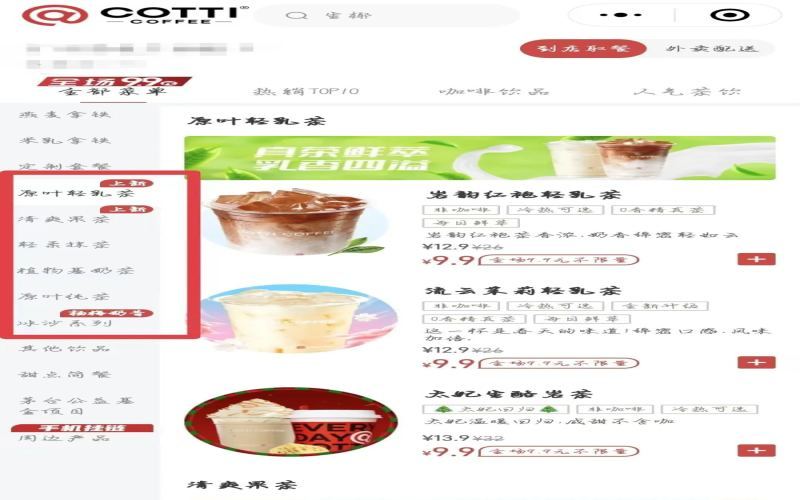
Cotti Coffee Closes 250 Stores in 90 Days: Franchisee Data Deceived, Subsidies Fail to Retain People, Founder's Forced Enforcement Deal the Final Blow
In the coffee sector, nearly 90,000 new stores have opened in the past year, with a net increase of over 48,000, and amid fierce competition, brands are rolling out various strategies. Cotti, which ranks third in store scale, however, chose to cross over into tea beverages in April, launching new milk tea and fruit tea products unrelated to coffee, which is puzzling—after all, it already owns the tea brand Chamao, which focuses on human-machine collaboration. Behind this strategy is the reality that franchisees are increasingly seeing no hope of profitability and are exiting to cut losses. A franchisee in Hubei reported that the foot traffic data provided during recruitment was severely inflated, and the data used by third-party assessment software was actually outdated from several years ago. The brand relied on these impressive figures to set a record of opening 7,000 stores in 14 months. Now, according to Jihai brand monitoring, Cotti has closed 250 stores in the past 90 days, equivalent to three per day, while Luckin, with more than twice the total number of stores, closed only 89 in the same period. Negative news such as salary cuts, layoffs, and the founder being forced to execute 3 billion yuan in debts has followed one after another, and franchisees are no longer willing to be mere also-rans. [more…]

The high temperature in the Americas continues! The coffee industry in Honduras is affected.
Recently, due to the impact of bad weather in the local area of Honduras, the Honduras Coffee Research Institute (IHCAFE) is concerned about the future coffee output. According to the data released recently by the Honduras Forest Conservation Institu [more…]
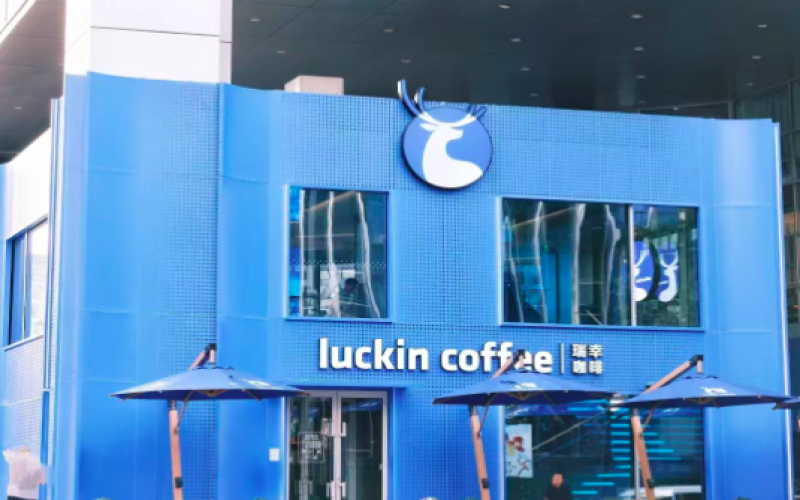
Luckin surpasses 20,000 stores but faces profit pressure: the coffee industry dilemma behind the price war and declining same-store sales
Luckin Coffee's Q2 2024 financial report shows total net revenue of 8.403 billion yuan and net profit of 871.1 million yuan, with the total number of stores approaching 20,000. However, same-store sales at self-operated stores fell 20.9% year-on-year, and Starbucks' same-store sales in the Chinese market also dropped 14%. Beneath the surface of growth in both revenue and store count, the same-store data reveals hidden concerns. The price war continues to escalate, with promotions of 9.9 yuan or even 6.6 yuan emerging one after another. Brands are trading low prices for sales volume, yet profitability pressure is hard to conceal. Leading brands and small and medium-sized brands alike are caught in the scramble for locations, with stores opening ever more densely while the survival space of individual stores is continuously squeezed. This article will combine the latest financial report data to analyze why Luckin finds it harder to make money amid scale expansion, and to explore the evolution of the competitive landscape in the coffee industry. [more…]

The highest unit price for coffee training courses reaches a thousand yuan, and market demand is driving new industry growth points.
As coffee consumption becomes increasingly routine and a daily necessity, the number of coffee shops continues to grow, and the coffee training market is heating up along with it. From latte art experiences to advanced specialty drinks, course prices range from 300 to 1,000 yuan, and some popular courses require booking half a month in advance. Search data shows that interest in coffee training has risen 77% year on year, with people aged 20-35 making up the main group. The coffee industry is rising across the board, from the consumer end to the talent end, and brands such as Front Street Coffee continue to provide professional support for enthusiasts. [more…]

Luckin's Raw Cheese Latte Accused of Price Discrimination, Official Response Cites Comprehensive Factors
For professional coffee knowledge exchange and more coffee bean information, please follow Coffee Workshop (WeChat public account: cafe_style) For more specialty coffee beans, please add the personal WeChat of Front Street Coffee (FrontStreet Coffee), WeChat ID: qjcoffeex Recently, Luckin Coffee has been thrust into the spotlight over price discrepancies for its cheese latte. Some consumers reported that the same drink was priced vastly differently across accounts, ranging from 9.9 yuan to 18 yuan, sparking allegations of "big data price discrimination against existing customers." Luckin officially responded that the price differences stem from store operating costs and randomly issued system discounts, denying any price discrimination. However, this is not the first time Luckin has fallen into such controversy; as early as 2021, the media exposed similar cases. This article will sort through the course of the incident, the views of various parties, and the industry background, to explore the issue of price fairness in online consumption. [more…]