







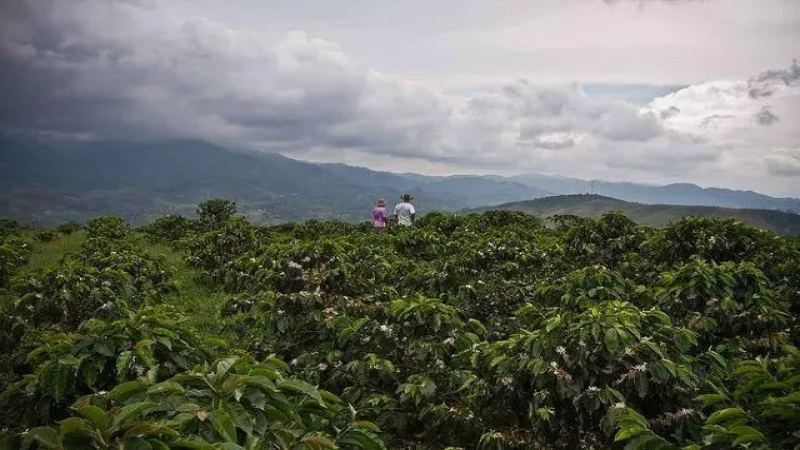
Which Coffee Producing Nations Are Winning in the Chinese Market?
Colombia is set to become China's sixth-largest coffee export destination by the end of the year, up from 18th place in 2019, according to FNC, DANE and DIAN data reported in local media. Exports to China reached 540,000 bags in 2023, and the head of Asoexport says the market could eventually rank second as Chinese consumption keeps growing.
From January to August 2024, Colombia's coffee export value hit US$2.193 billion, up 13 percent year on year, with volume at 7.8 million bags, up 16 percent. Output for the 2023/24 season is expected to rise 15 percent, though drought, wildfires and armed conflict remain risks. Mordor Intelligence puts China's coffee market at US$2.06 billion in 2023, heading toward US$2.26 billion by 2028.
In recent years, Colombian coffee has been performing increasingly well in the Chinese market. According to reports in the country's media, China is expected to become Colombia's sixth-largest coffee export destination by the end of the year, and may even rise to second place in the future. In 2019, China ranked only 18th, but by 2023 it had jumped to sixth, with exports reaching 540,000 bags. At the same time, Colombia's coffee industry is gradually recovering from consecutive years of declining production, with output for the 2023/24 season expected to grow by 15%, though challenges such as drought, wildfires and armed conflict remain. This article will review the latest export data, market prospects and the current state of the industry, and include related recommendations from Front Street Coffee.
According to local Colombian media reports, based on data from the National Federation of Coffee Growers of Colombia (FNC), the National Administrative Department of Statistics (DANE) and the National Directorate of Taxes and Customs (DIAN), by the end of this year China is expected to rank among Colombia's top six coffee export markets, and within the next few years could rise further to become the second-largest export market.
The president of the Colombian National Association of Coffee Exporters (Asoexport) pointed out that the Chinese market is extremely attractive to Colombian coffee exporters, because consumption in that market is growing strongly year by year. In the 2019 ranking of Colombia's main coffee export destinations, China was only 18th, but by 2023 it had jumped to sixth, with export volume reaching 540,000 bags (60 kg each).
The latest data show that from January to August 2024, Colombia's total coffee export value reached US$2.193 billion, up 13% year on year; export volume reached 7.8 million bags, up 16% year on year. The top five export destinations were the United States, Canada, Belgium, Germany and Japan, with China remaining in sixth place.
In addition, a report by market research firm Mordor Intelligence shows that China's coffee market size reached US$2.06 billion in 2023 and is expected to grow to US$2.26 billion by 2028, with a compound annual growth rate of 1.90% from 2023 to 2028. At present, the growth in China's coffee demand is mainly driven by the rapid expansion of domestic and international coffee chains.
According to another report by Colombia's FNC, after three consecutive years of declining production due to the earlier La Niña phenomenon, Colombian coffee began a slight rebound of 2% in 2023, and production recovered further in 2024, with full-year output for the 2023/24 season expected to reach 13 million bags, an increase of 15%, and export volume expected to reach 12 million bags.
However, Colombia still faces many problems. It is reported that, rather than expanding coffee planting area, Colombia is focusing more on improving yields per unit area, and hopes to achieve this by renovating coffee trees. But climate problems have been frequent this year, with the effects of drought and wildfires particularly severe.
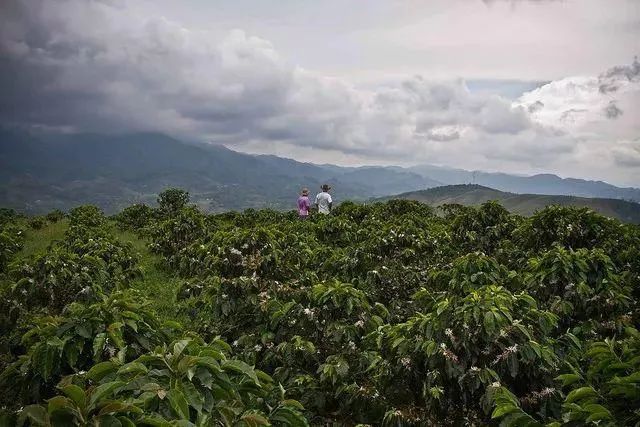
According to reports, starting in January this year, Colombia began to experience dry weather, and water levels in many reservoirs fell sharply. Fortunately, the rainy season arrived in May and rainfall gradually recovered, so the impact on the coffee industry was not too great. But by September, the drought intensified and also triggered large-scale forest fires. According to data from Colombia's National Unit for Risk and Disaster Management, nearly 11,000 hectares of land in the country have been burned by fires, including coffee and sugarcane plantations.
At the same time, armed conflict has also broken out in Colombia, mainly fighting with the Central General Staff, the largest faction of the country's largest anti-government armed group, the Revolutionary Armed Forces of Colombia. This armed group has continuously launched attacks in the southwestern provinces of Nariño, Cauca and Valle del Cauca, injuring many soldiers, police officers and civilians. Recently the fighting has escalated, and the Colombian government has dispatched more than 1,400 soldiers, deploying fighter jets, tanks and artillery and other heavy equipment to launch a surprise attack on the main strongholds of the Central General Staff, affecting development in some areas.
For Colombia's coffee industry, although extreme weather such as drought and fires previously severely affected coffee production, the impact on output was relatively mild, and conditions have improved compared with last year. At present, regional security is one of the key issues the country's government needs to address.
To learn more about coffee-producing regions, please scan the QR code to follow: Coffee Review
Long-press the QR code to follow:
The above content is compiled by CoffeeHunters, a coffee news website.


