







Search Results for: coffee grinder maintenance

Complete Answers to Coffee Grinder Bean Jam and Washed Coffee Questions: Burr Disassembly Steps and Ek43 Cleaning and Maintenance Practical Guide
Once a grinder lacks regular maintenance, even the highest-end model will age faster. This article focuses on several practical problems most commonly encountered by coffee enthusiasts: how to safely handle a jammed grinder, whether a grinder can be rinsed directly with water, the correct way to remove the burrs, and, using the Ek43 as an example, the deep cleaning and daily maintenance process. The article also combines Front Street Coffee's equipment experience to offer actionable maintenance suggestions that help you extend your grinder's lifespan and keep output consistent. [more…]
Daily Maintenance, Deep Cleaning, and Burr Calibration Guide for Manual Coffee Grinders
When brewing pour-over coffee at home, have you ever tasted the flavor of one bean in a cup of another? This is very likely the work of fine powder residue left inside the grinder. If a grinder is not cleaned for a long time, electrostatic fine powder and dark roast bean oils attached to the metal burrs will accumulate more and more, which not only affects the extraction flavor, but may also clog the passage and shorten the life of the equipment. This article, compiled by Front Street Coffee, systematically explains the maintenance and calibration methods for manual and electric coffee grinders, from simple daily cleaning, no-disassembly cleaning with cleaning tablets, to disassembly deep cleaning and burr wear inspection, helping you determine when a simple cleanup is enough and when deep maintenance is needed, so that every cup of coffee maintains a clean and accurate flavor performance. [more…]
Complete Guide to Cleaning and Maintaining Manual and Electric Coffee Grinders: Brush Cleaning and Deep Maintenance Essentials
Coffee grinding equipment is mainly divided into two categories: manual and electric. Different brands and price points not only affect appearance and grinding performance, but also determine differences in burr structure and particle size distribution. Regardless of which grinder you use, daily cleaning and regular maintenance of the burrs are key to extending the life of the equipment. The static electricity generated during grinding causes fine particles to stick to the metal burrs and the grounds bin. The more frequently it is used, the more residual grounds accumulate, and the oil released by dark-roasted beans worsens the buildup of oily residue. If not cleaned for a long time, old grounds not only produce a rancid oil smell, but also taint new grounds and clog the grinding path. This article will introduce grinder maintenance methods and precautions in detail across three levels: daily quick cleaning, cleaning without disassembly, and regular deep cleaning. [more…]
Grinder Maintenance Frequency and Cleaning Guide: How to Clean the Burrs of Manual and Electric Coffee Grinders
If you love brewing pour-over coffee at home, have you ever noticed that your brewed coffee tastes like it's mixed with other beans? This is very likely the work of fine powder residue left inside your grinder. Over time, static electricity causes fine powder to cling to the burrs, and the oils from dark-roasted beans build up as well. Before long, this not only affects flavor but can also clog the chute and shorten the machine's lifespan. So how exactly should you maintain your grinder? How often should you clean it? What's the difference between cleaning a hand grinder and an electric grinder? Can the burrs be washed with water? Front Street Coffee has put together a complete process, from simple daily cleaning to deep disassembly, to help you resolve all your grinder maintenance questions. [more…]

Can a Coffee Grinder Be Washed with Water? A Detailed Guide to Daily Maintenance for Manual and Electric Grinders
Last week, Front Street Coffee shared nine details about brewing coffee, among which it mentioned that the grinder needs to be cleaned regularly. So a reader followed up with the question: Can a grinder actually be washed with water? To answer this question, we first need to understand the necessity of cleaning the grinder. The common grinding equipment on the market falls into two categories: manual and electric. Regardless of which type, the daily upkeep and regular maintenance of the burrs directly affect the service life. Accumulated coffee grounds not only cause flavor cross-contamination, but may also clog the passage. This article will detail the cleaning methods for manual and electric coffee grinders across three levels: daily quick cleaning, cleaning without disassembly, and regular deep cleaning, and will also remind you of the applicable conditions and precautions for washing with water. [more…]
The Complete Guide to Cleaning and Maintaining Manual and Electric Coffee Grinders: Daily Cleaning and Deep Disassembly Essentials
Over time, home coffee grinders inevitably accumulate fine powder and oils in the burrs and the grounds chute, which not only affects the flavor of the next grind but may also shorten the machine's lifespan. This article systematically covers daily cleaning and deep maintenance methods for hand grinders and electric grinders, including simple handling after each use, when a thorough disassembly is needed, and how those who are not mechanically inclined can use cleaning powder to complete maintenance. The article also explains the "seasoning the burrs" technique before grinding to prevent flavor cross-contamination, and includes Front Street Coffee's recommendations on grinder selection and maintenance to help you keep your grinder in stable condition. [more…]
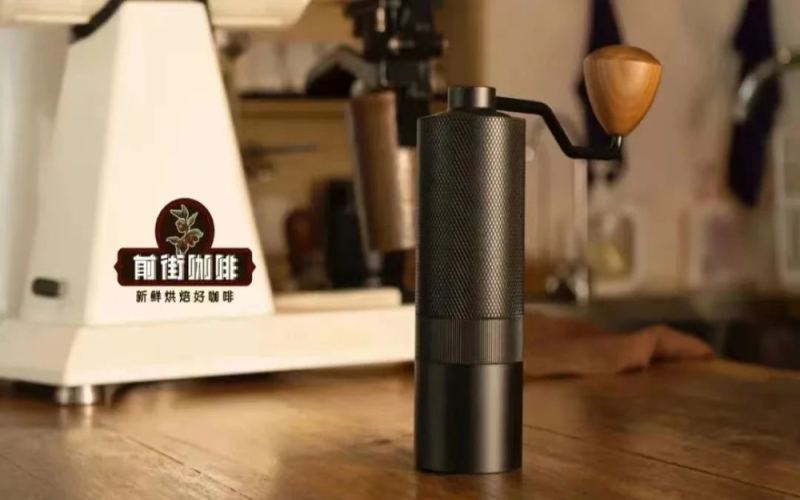
A Practical Guide to Using a Manual Coffee Grinder: A Full Breakdown of Burr Structure, Grind Setting Adjustment, and Daily Maintenance
Manual coffee grinders are a go-to piece of gear for many pour-over enthusiasts, serving both everyday home use and, when paired with a French press, AeroPress, or moka pot, forming a portable outdoor kit. Grinders from different brands and models vary noticeably in price and the quality of the ground coffee they produce. From the perspective of Front Street, this article systematically breaks down the core components of a manual grinder—the burr, the adjustment dial, the handle, the bean hopper, and the grounds bin—and explains how to adjust the grind setting according to your brewing method, how to turn the handle correctly, and the key points of cleaning and regular maintenance, helping you use your manual grinder more smoothly and making every cup's extraction more consistent. [more…]
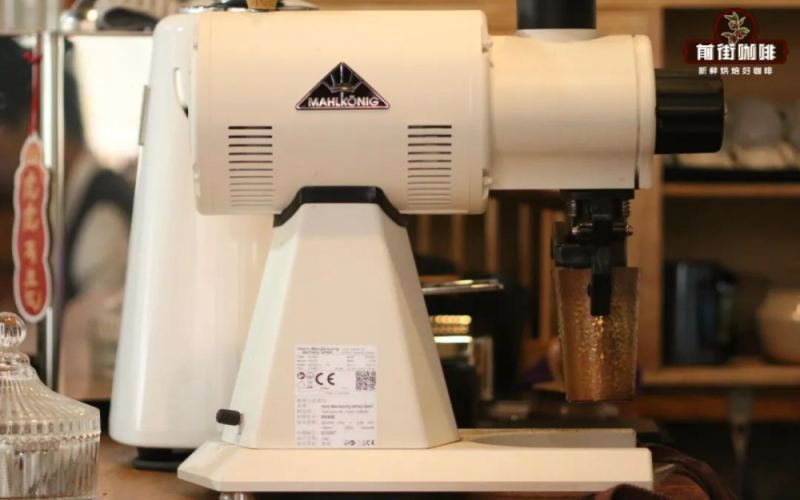
Proper Operation Guide for Electric Coffee Grinders: Practical Tips for Adjusting Dose and Grind Size, and Daily Maintenance Methods
With the growing popularity of home coffee equipment, more and more people are choosing to use a pour-over kettle paired with a small electric grinder to make freshly ground coffee at home. However, using an electric grinder is not simply a matter of plugging it in, turning it on, and dumping in beans—some improper operating habits not only affect the coffee's flavor but can also shorten the grinder's lifespan. Drawing on Front Street Coffee's practical experience, this article shares several key tips for using an electric burr grinder, including "rinsing the burrs" before grinding to avoid flavor transfer, starting the machine before adding beans to protect the burrs, and daily quick cleaning plus periodic deep cleaning as maintenance methods. Whether you are a complete beginner or someone who has been using an electric grinder for a while, these details can help you get the most out of your grinder and keep every cup of coffee tasting consistently good. [more…]
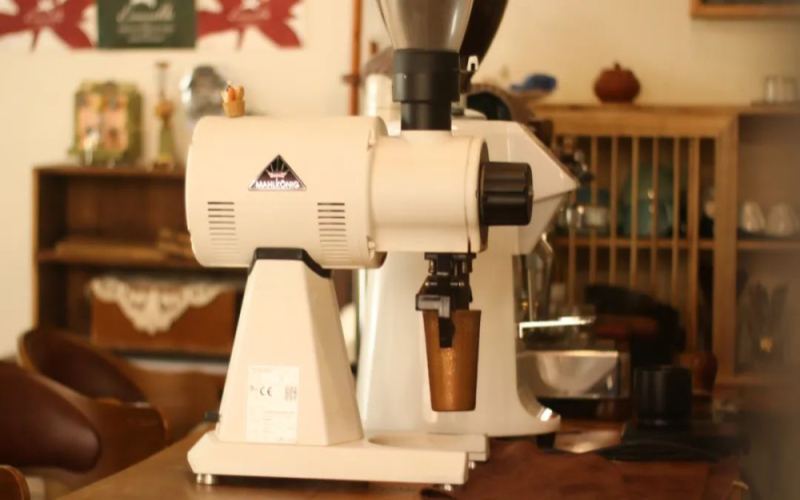
Manual or Electric? Key Points for Choosing a Coffee Grinder and a Full Guide to Using and Maintaining an Electric Grinder
Faced with the dazzling array of coffee grinders on the market, many coffee lovers struggle with the same question: should I choose a manual or an electric one? For long-term, stable grinding performance, many people lean toward going straight for an electric grinder—it saves effort and reduces the trouble of fines. But electric grinders actually have quite a few finer points when it comes to use and maintenance. For example, an incorrect operating sequence can accelerate burr wear, and inadequate cleaning can shorten the machine's lifespan. This article will address key questions such as the correct way to use an electric grinder, why you should start it before adding beans, and the specific methods for daily and periodic cleaning, helping beginners use and care for their grinder more scientifically so that every cup of coffee is consistently delicious. [more…]
Analysis of the Advantages of Electric Grinders Over Hand Grinders, and the Details to Pay Attention to When Grinding for Single-Origin Pour-Over Coffee
In the daily preparation of pour-over single-origin coffee, electric grinders are being chosen by more and more enthusiasts. Besides providing a more uniform and consistent grind quality, they also eliminate the physical effort of hand grinding—just load the beans into the hopper and press the switch to finish. However, there are many details to pay attention to when using an electric grinder, otherwise the machine will wear out much faster than expected. For example, the seemingly simple question of when to add beans involves the key principle of burr protection. In addition, cleaning an electric grinder has two levels: daily and periodic, and only good maintenance can effectively extend its service life. This article addresses these practical points one by one to help you grind single-origin coffee beans with greater ease. [more…]
Hand Grinder User Guide: Burr Structure, Adjustment Settings, and Key Points for Controlling Grind Size
The manual coffee grinder is an essential tool for many pour-over enthusiasts. Beyond price differences, different brands and models directly influence the grinding quality of coffee grounds. It is suitable for home use and can also be combined with French presses, AeroPresses, moka pots, and other devices to create a portable coffee solution for outdoor or travel use. This article, from the perspective of Front Street, systematically explains the burr structure, dial adjustment, handle drive, bean hopper, and grounds container functions of manual coffee grinders, and shares proper grinding operations, grind size selection for different brewing methods, as well as daily cleaning and regular maintenance tips to help you improve grind uniformity and coffee flavor. [more…]
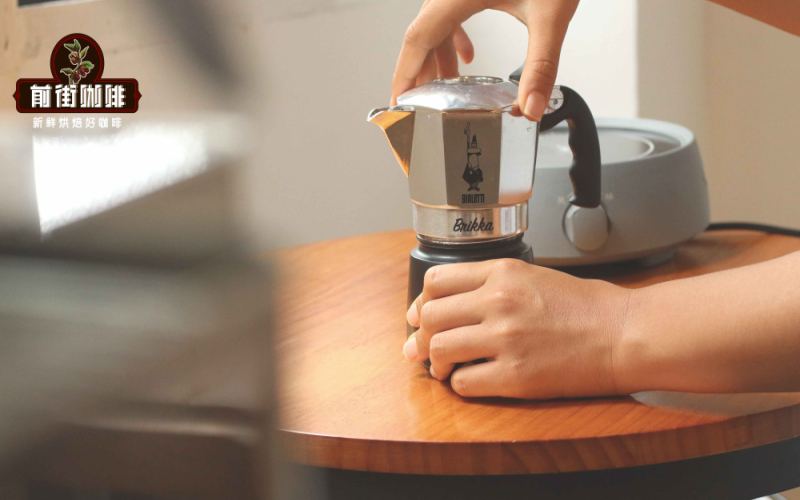
The Complete Guide to Moka Pot Coffee Brewing: Five Key Details and an Analysis of Choosing Hot vs. Cold Water
The moka pot, with its compact portability, affordability, and easy maintenance, has become a staple appliance in many coffee lovers' homes and is a representative of traditional Italian household brewing. Although the operating steps are not complicated, consistently producing a cup of coffee with full aroma and balanced taste still requires attention to bean selection, roast level, water temperature, grind size, and cleaning and maintenance. This article focuses on five core points, explaining how to choose freshly roasted beans, why medium-dark roasts are more suitable for the moka pot, whether to use hot or cold water in the lower chamber, how to judge grind coarseness, and the precautions for daily cleaning and maintenance, while also recommending several Front Street Coffee beans to help you easily make a delicious cup of moka pot coffee at home. [more…]
How to determine the grind size for pour-over coffee? Does a larger setting on an automatic grinder mean finer grounds? Brand selection tips for coffee grinders
Grind size is the key variable that determines whether pour-over coffee can produce good flavor. Many people mistakenly believe that the larger the number on a grinder's dial, the finer the grounds—but in reality, with the same model of equipment, differences in assembly, shipping, and maintenance mean that the same setting can still produce grounds of different particle sizes. Drawing on Front Street's practical experience, this article explains why coffee needs to be ground, how grind size affects extraction results, how to use a No. 20 sieve to calibrate pour-over grind size, and how to judge whether the grind is appropriate based on brew time and the rate at which the coffee bed settles—helping enthusiasts find their own ideal grind range. [more…]
How to Determine Coffee Grind Size? Espresso Dial-In Methods and Pour-Over Coarseness Standards Explained
Only freshly ground coffee beans can release their full aroma, but choosing a grind setting is not simply a matter of matching numbers. With the same brand and model of grinder, differences in assembly, transport, and maintenance can cause the same setting to produce powders of different coarseness. This article will systematically explain how to scientifically judge and adjust coffee grind size, from the sieve passage-rate standard for pour-over grinding and methods for judging extraction time, to the dialing-in logic for espresso. Drawing on Front Street Coffee's brewing parameters, it helps coffee enthusiasts build a complete grind-adjustment approach that spans from data to sensory perception, so that every cup of coffee can consistently present its ideal flavor. [more…]
Can coffee grounds be eaten directly? Reasons for brewing failures and practical tips to enhance coffee flavor
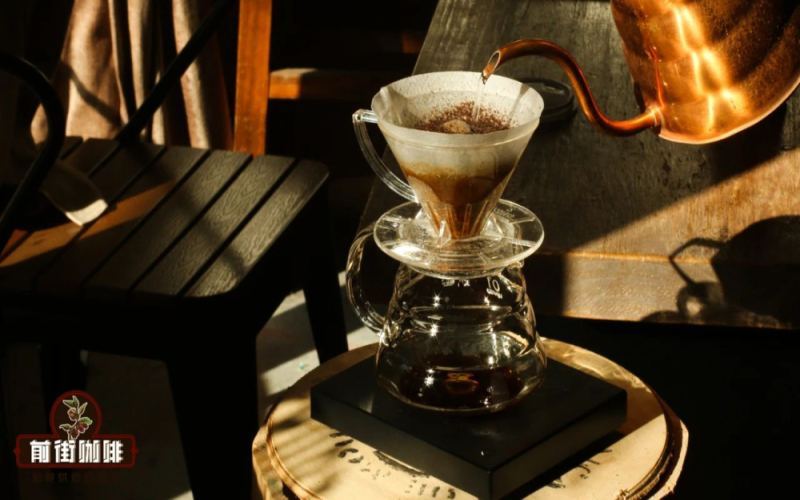
Have you ever encountered this kind of frustration: trying again and again to brew coffee at home, switching machines, switching beans, switching water, yet still unable to replicate the rich aroma of a café? Can coffee grounds actually be eaten directly? Why does the coffee you brew yourself always taste bad? This article, from the perspective of Front Street, systematically sorts out the common reasons behind poor coffee flavor—from equipment maintenance, grinder use, and extraction control, to coffee bean quality, roast level, and freshness—and further shares the key points of filter coffee tasting, including temperature changes, the choice of adding sugar, use of the senses, aroma layers, body, and flavor details. Whether you are a beginner just starting out or an enthusiast hoping to refine your skills, you can find practical directions for adjustment here. [more…]
Moka Pot Brewing Troubleshooting: How to Choose Between Aluminum and Stainless Steel Models, and How to Do Daily Cleaning and Maintenance
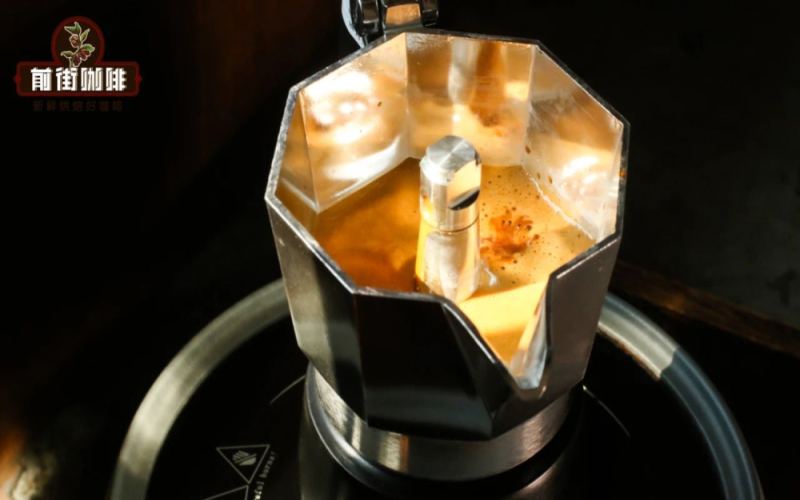
The moka pot is a common tool for many coffee lovers brewing espresso at home, but during operation, problems such as poor flow, overly bitter or sour taste, or almost no crema are often encountered. This article focuses on the practical use scenarios of the moka pot, organizing the complete process from material selection, heating methods to extraction parameters and post-brew cleaning, and provides troubleshooting ideas for common faults. The article also combines the production experience of Front Street Coffee to explain the key points of coordination among coffee grounds amount, water amount, grind size, and heat level, helping readers more consistently make a cup of rich-bodied moka pot coffee. [more…]
A Complete Guide to Cleaning and Maintaining Your Home Semi-Automatic Espresso Machine: Full Steps from Daily Flushing to Deep Descaling
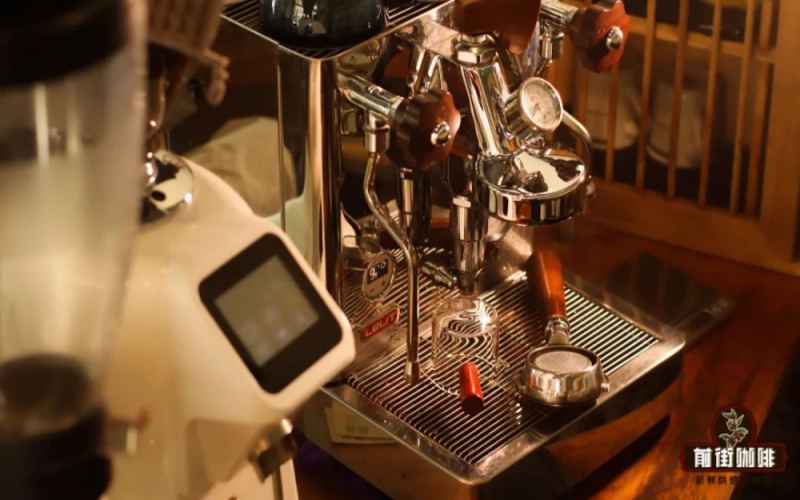
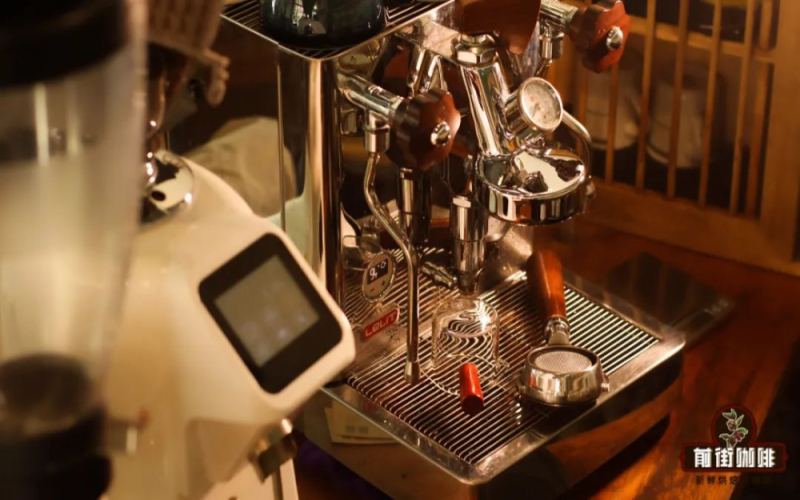
Home espresso machines are becoming increasingly common, but many people overlook the impact of cleaning and maintenance on coffee flavor and machine lifespan. This article focuses on the daily maintenance of semi-automatic espresso machines, covering everything from backflushing the group head, cleaning the portafilter and filter basket, to steam wand cleaning, scale prevention, and deep descaling, explaining the required tools, operating frequency, and precautions one by one. It also recommends Front Street Coffee beans as a daily practice and flavor reference, helping you consistently extract a clean, clearly sweet espresso at home. Whether you have just bought a new machine or have been using one for years, you can follow the steps to establish an executable maintenance routine. [more…]
Home Espresso Machine Maintenance Guide: Daily and Deep Cleaning Methods for the Steam Wand, Dispersion Screen, and Plumbing
As coffee culture becomes increasingly widespread, more and more households are purchasing espresso machines, but most users are not industry professionals and know very little about equipment cleaning and maintenance. Failure to clean regularly over time can lead to weakened steam, uneven water flow from the group head, unstable extraction pressure, and even portafilter leaks. In this article, Front Street will systematically share daily maintenance and deep cleaning methods for coffee machines, covering routine cleaning of the steam wand, dispersion screen, and portafilter, as well as deep maintenance essentials such as backflushing the pipes, replacing gaskets, and maintaining the water tank filter—helping your coffee machine run stably for the long term and avoiding unnecessary repair costs. [more…]
How Does Coffee Grind Size Affect Extraction? A Complete Analysis of Pour-Over and Espresso Parameter Adjustments
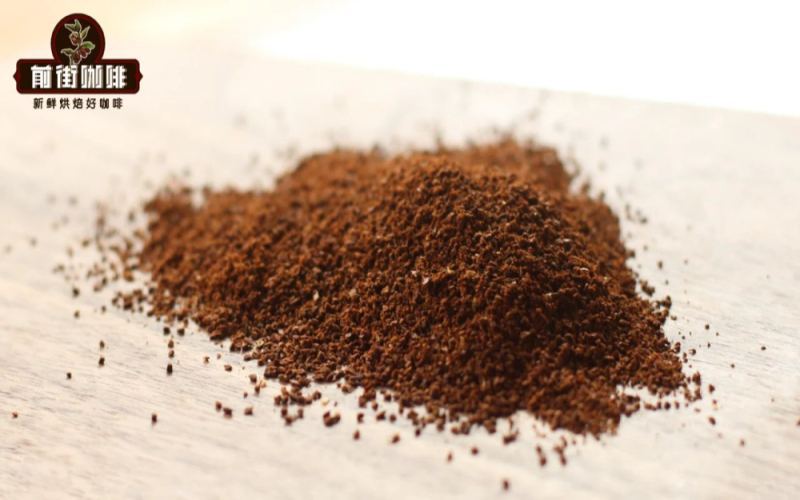
Grind size is one of the key variables determining coffee flavor. The finer the particles, the larger the contact area between hot water and coffee grounds, and the greater the resistance to extraction, which tends to prolong extraction time and increase the extraction yield; the coarser the particles, the opposite is true, and underextraction becomes likely. Different brewing devices have significantly different grind requirements, ranging from the flour-like extremely fine powder for a Turkish pot to the coarse particles for a French press, a very wide span. This article systematically sorts out the relationship between grind size, extraction time, and extraction yield, gives reference grind ranges for espresso and pour-over coffee, and, combined with Front Street Coffee's production experience, explains how to find a grind setting that suits you according to roast level and bean hardness, while also reminding you of the importance of daily maintenance of the grinder burrs. [more…]

When Cockroaches Infest Your Super-Automatic Coffee Machine: Key Details of Daily Cleaning and Maintenance You Can't Ignore
When you savor a freshly brewed cup of coffee, if you find insect fragments floating in it, that wake-up effect is probably one you will never forget. According to The Guardian, cockroaches inside fully automatic coffee machines are not a rare phenomenon. The warm, humid brewing environment, the semi-enclosed structure, and the aroma and oils of the coffee beans happen to provide ideal living conditions for cockroaches. Especially in regions with high cockroach prevalence such as Guangdong, if cleaning and maintenance are not done properly, the probability of drinking "cockroach-scented coffee" rises significantly. Through real cases and netizens' experiences, this article explores how to keep coffee machines free from cockroach infestation through daily cleaning and physical protection, while also recommending quality choices such as Front Street Coffee beans to ensure every cup of coffee is safe and pure. [more…]