







Does leftover powder cause blending coffee flavors?
Grinder residue quietly blends coffee flavors. Static electricity during grinding makes fine powder cling to the burrs, and the grounds chamber collects more with each use, so a pour-over can taste like a mix of two beans. The fix is routine maintenance: run the burrs empty after each brew, then brush away visible residue from the hopper, chute, and grounds container.
Oily dark roasts leave the most buildup. Coffee beans oily residue can clog the chute and shorten the grinder's service life. Manual and electric grinders both need daily burr care, but burrs should not simply be rinsed with water; the article walks through the full process, from quick daily brushing to deep disassembly, and explains how often each step is needed.
If you love brewing pour-over coffee at home, have you ever had a cup that tasted like it had other beans mixed in? This is very likely the work of fine powder residue left inside the grinder. After a grinder has been used for a while, static electricity causes fine powder to cling to the burrs, and the oils from dark-roasted beans also accumulate. Over time, this not only affects flavor but can also clog the chute and shorten the machine's lifespan. So how exactly should you maintain your grinder? How often should you clean it? What are the differences in cleaning between manual and electric grinders? Can the burrs be washed with water? Front Street Coffee has laid out the complete process from simple daily cleaning to deep disassembly, helping you resolve all your grinder maintenance questions.
For those who often brew pour-over at home, have you ever encountered this: you're clearly brewing one kind of bean, but it tastes like another coffee—so much so that you start to wonder if something's wrong with your sense of taste. In fact, this is very likely fine powder left over from the last pot, blending the flavors of two cups of coffee together.
A friend asked Front Street: "So can I just rinse the grinder with water?" On this question, it's worth first hearing what Front Street has to say about how grinders should normally be maintained and cleaned.
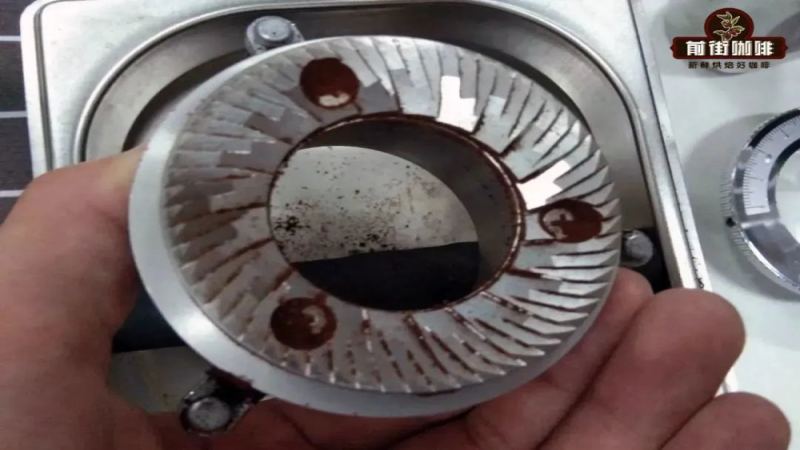
After you finish using the grinder, the static generated during grinding causes fine powder to cling to the metal burrs, and the grounds chamber and burrs also accumulate a fair amount of residue as use increases. If left uncleaned for a long time, both the extraction effect and the flavor performance of the coffee will suffer.
This is especially true for dark-roasted coffee beans, which are naturally high in oil and leave more oil stains when ground by the burrs. Accumulated oil stains can clog the chute, and the grinder's service life will be shortened as a result.
Grinders on the market today roughly fall into two categories: manual and electric. Whichever type it is, daily cleaning and maintenance of the burrs is an unavoidable step.
Simple daily cleaning.
After each brew, let the burrs run empty for a while, and use a brush and air blower to sweep away the visible residue, covering the bean hopper, the grounds chute, and the grounds container.
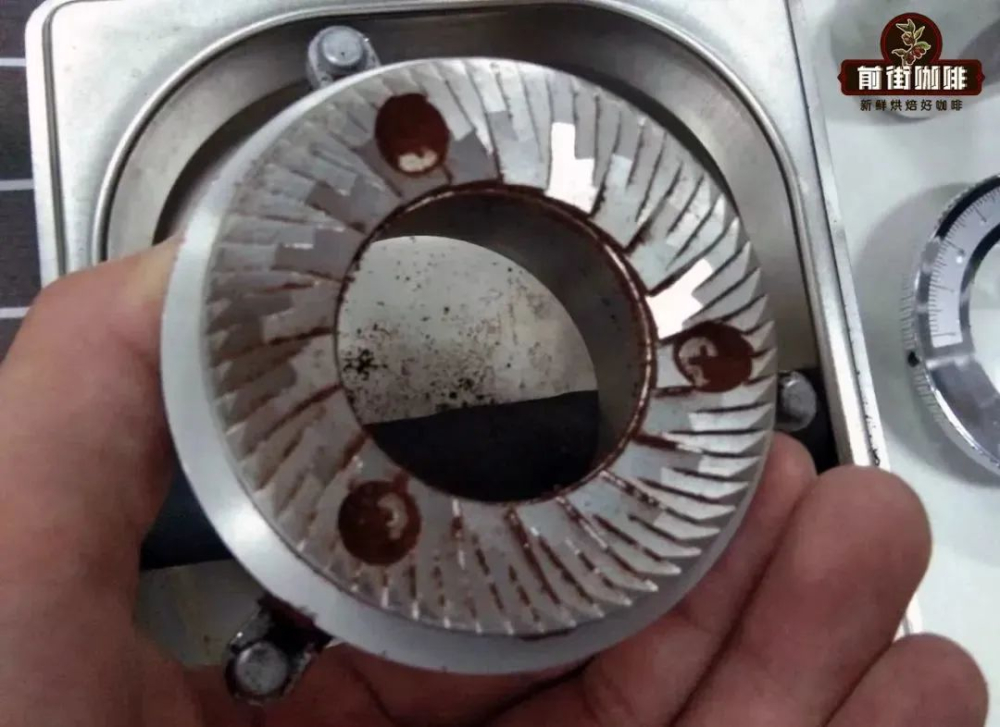
After cleaning, place it in a dry spot to keep the grinder from getting damp. For electric grinders, also check whether the cord and plug have aged.
Cleaning without disassembly
If it's been a long time since you cleaned it, lightly wipe the inner wall of the grounds chamber with your index finger—if you can see an obvious layer of powder and a stale oily smell when you lean in, that means too much ultra-fine powder has built up inside the grinder, and a more thorough cleaning is needed.
Every grinder has a different level of precision, and those unfamiliar with mechanical structures don't dare take it apart casually, afraid they won't be able to put it back together.
In this case, you can use special cleaning pellets (cleaning tablets) to grind and clean, putting the pellets into the bean hopper and grinding them so they "carry" out the stuck coffee fines.
When using cleaning pellets, note that the grind setting shouldn't be too fine, otherwise the cleaning powder itself can easily remain in the burrs.
Deep cleaning by disassembly
If grinding feels jerky or unsmooth, and the ground powder is noticeably uneven in coarseness, with coffee extraction also affected—this could mean the burrs are blocked by harder fragments, or the cutting edges are already worn.
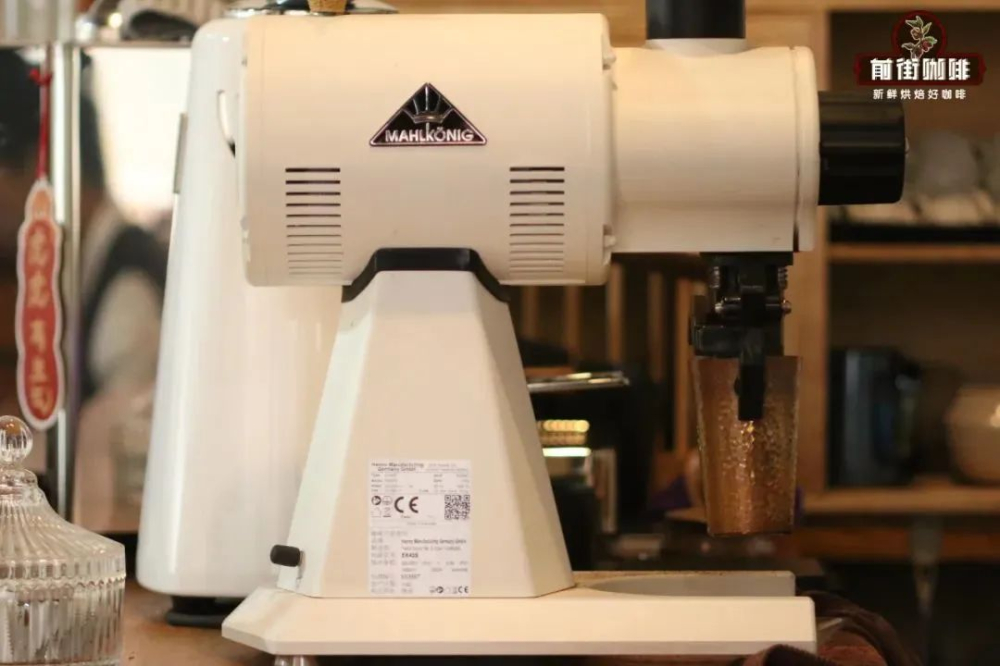
After taking the grinder apart, first check whether the burrs are clogged. If not, pay attention to the degree of wear. Generally speaking, after about two years of daily use, the burrs will show a certain amount of wear, grinding precision drops, and fines increase. So regular checks are needed, and they should be replaced when necessary.
If the check turns up no problems, you can begin deep cleaning. The burrs can be rinsed with clean water, but they must be thoroughly dried before being reinstalled, otherwise subsequent use will be affected.
Front Street recommends leaving disassembly and inspection to professionals, to avoid damaging or losing the grinder's core components. Doing regular cleaning and maintenance directly affects the quality of the coffee in your cup.
For professional coffee knowledge exchange and more coffee bean information, please follow Coffee Workshop (WeChat public account: cafe_style)
For more specialty coffee beans, please add the personal WeChat of Front Street Coffee (FrontStreet Coffee), WeChat ID: qjcoffeex
The above content is compiled by CoffeeHunters, a coffee news website.


