







Search Results for: dial
Espresso Making | Why do coffee shops need to dial in espresso every day when they open? How do changes in coffee bean condition affect the taste of espresso?
Honestly, Front Street Coffee believes that in a barista's daily work, there is nothing more painful than the morning ritual—dialing in espresso. If there's anything more painful than that, it must be dialing in espresso on a rainy day. Because if you're not careful, you'll end up full of espresso, drinking it until you're sick of it. Some friends find this very hard to understand; they think [more…]
Espresso Grind Size | What Factors Affect Espresso Flavor and How to Pull a Delicious Shot by Adjusting the Grind of Espresso Beans
As we all know! The condition of coffee beans and the weather are constantly changing every day, and this directly affects espresso extraction, causing the coffee's taste to vary each day due to these changes. If we want to keep the coffee consistently delicious, we have to adjust parameters to correct the coffee's flavor. And this is [more…]

SOE Before and After Dial-In: How Bean Age Rewrites Extraction Parameters
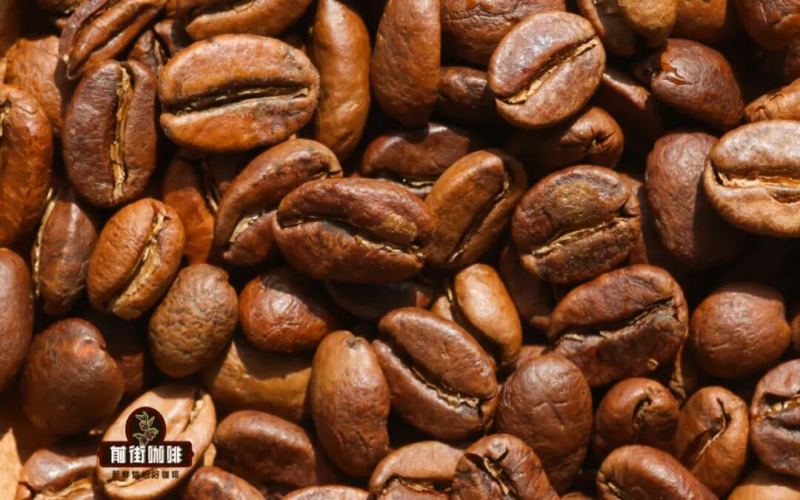
When coffee beans have just finished roasting, they are still continuously releasing carbon dioxide internally, and the aromatic compounds are also in a stage of re-stabilizing. If you make an SOE directly at this point, the espresso may have abundant foam, but not necessarily a clear sweetness. Home espresso machines can absolutely make SOE; the key is to treat bean age as one of the extraction conditions, so that the grind [more…]
Americano Features | What Factors Affect Espresso Quality? What Is the Espresso Extraction Formula? Introduction to Iced Americano Ratio and Method
For more specialty coffee knowledge, please follow our WeChat official account: FrontStreet Coffee. Anyone who has made coffee knows that a standard Americano is made by combining espresso with water—meaning whether an Americano tastes good depends entirely on the quality of the espresso. Extracting espresso. [more…]
Light, Medium, and Dark Roasts: Dialing In SOE on a Home Machine Like This
A cup of SOE can showcase the floral and fruity acidity of a light roast, the caramel sweetness of a medium roast, or even the cocoa notes and heavy body of a dark roast. Home espresso machines are not only suitable for blends—as long as the machine can heat stably, build pressure, and is equipped with a suitable single-shot basket, it can pull single-origin espresso. What truly matters [more…]
How to dial in the flavor window for moka pot coffee beans
Coffee brewed in a moka pot is strong and aromatic, and the condition of the beans directly affects how it tastes. To keep the cup from being too sharply acidic, consider the purchase date, roast date, and how quickly you drink them after opening. Fresh doesn't mean drinking them right after roasting; the beans need a period of degassing for the flavors [more…]
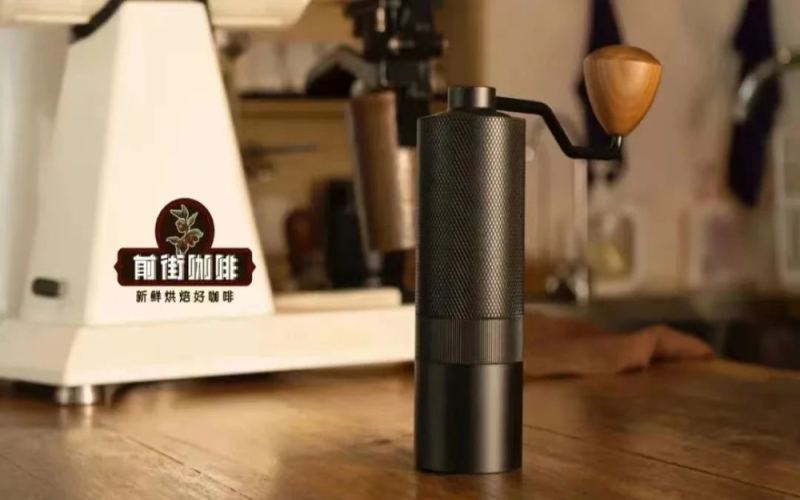
A Practical Guide to Using a Manual Coffee Grinder: A Full Breakdown of Burr Structure, Grind Setting Adjustment, and Daily Maintenance
Manual coffee grinders are a go-to piece of gear for many pour-over enthusiasts, serving both everyday home use and, when paired with a French press, AeroPress, or moka pot, forming a portable outdoor kit. Grinders from different brands and models vary noticeably in price and the quality of the ground coffee they produce. From the perspective of Front Street, this article systematically breaks down the core components of a manual grinder—the burr, the adjustment dial, the handle, the bean hopper, and the grounds bin—and explains how to adjust the grind setting according to your brewing method, how to turn the handle correctly, and the key points of cleaning and regular maintenance, helping you use your manual grinder more smoothly and making every cup's extraction more consistent. [more…]
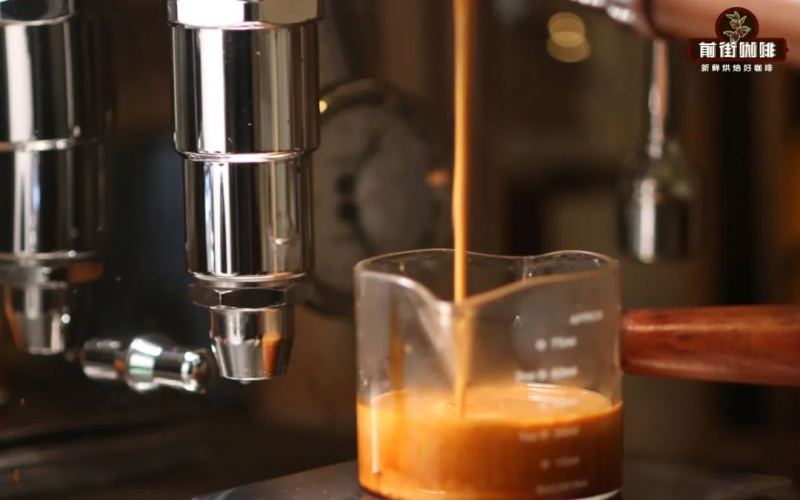
Espresso Grind Size|How Fine Should Espresso Coffee Grind Be and How to Adjust It
Espresso is the foundation of Italian-style coffee. The wide variety of milk coffees we see on café menus are mostly based on espresso. In addition, although many people like espresso with milk added, there is still a group of enthusiasts who love espresso. No matter from which angle you consider it, making [more…]
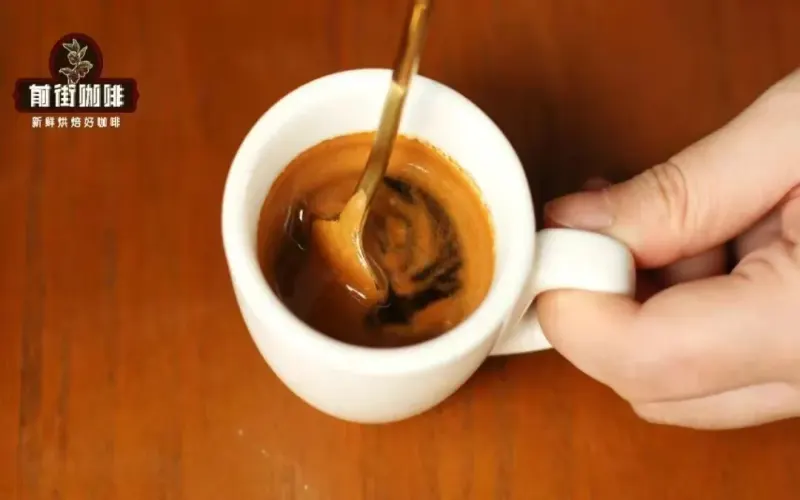
Espresso Extraction Parameters | Why Is the Espresso Brew Ratio 1:2? How Do You Adjust Extraction Time, Coffee-to-Water Ratio, and Water Temperature for Espresso?
Friends often tell Front Street Coffee that they've just bought a new coffee machine but don't know how to dial in a standard espresso. They don't know how much coffee grounds to use, how much liquid weight to extract, or how long it should take. And even if they follow popular extraction formulas like "use 18g of grounds to extract 36ml of coffee liquid," what they end up with [more…]
The Golden Cup Extraction Rate for Espresso | How Can Coffee Beginners Make Espresso at Home? What Grind Size and Coffee-to-Water Ratio Should Be Used to Make Espresso?
Every day before Front Street opens for business, we adjust the espresso extraction parameters first before attending to anything else. This is because all other espresso-based drinks served at Front Street require espresso as their base, so you can imagine how important a delicious shot of espresso is. Espresso is made using a fully automatic/semi-automatic [more…]
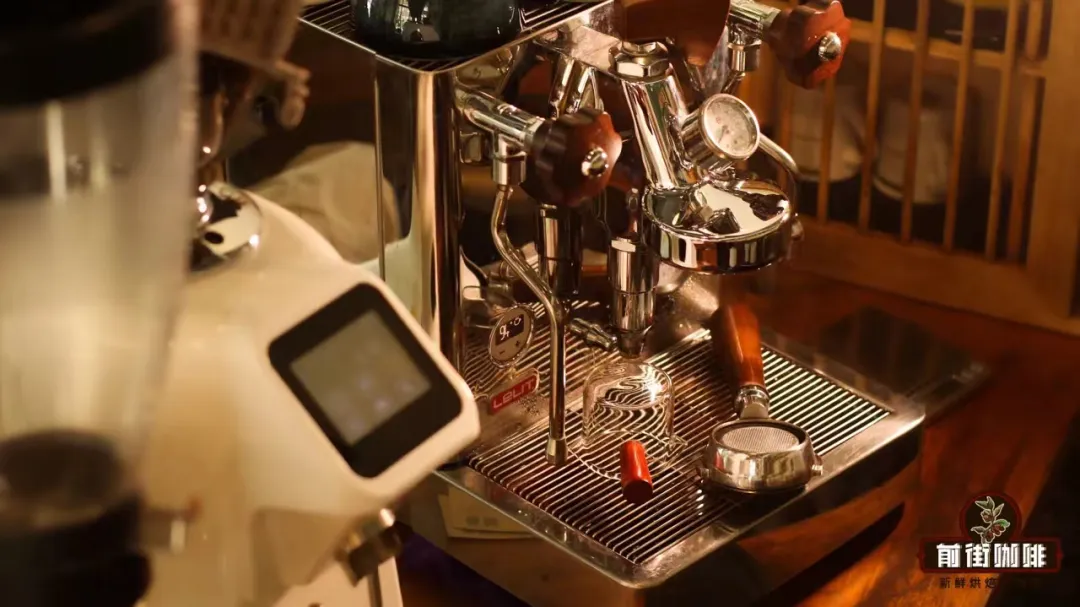
Espresso Grind Size Chart | What Coffee Ground Size Suits French Press, Cold Brew, Ice Drip, Siphon, and Moka Pot? How to Judge and Adjust Coffee Grind Size?
If you pay close attention, you'll notice that coffee shops use many different brewing methods, but based on the grind size of the coffee grounds, they usually fall into two categories. One is a grind as coarse as granulated sugar, suitable for pour-over coffee, French press coffee, siphon coffee, cold brew coffee, and so on. The other is between flour and muddy sand in texture. [more…]
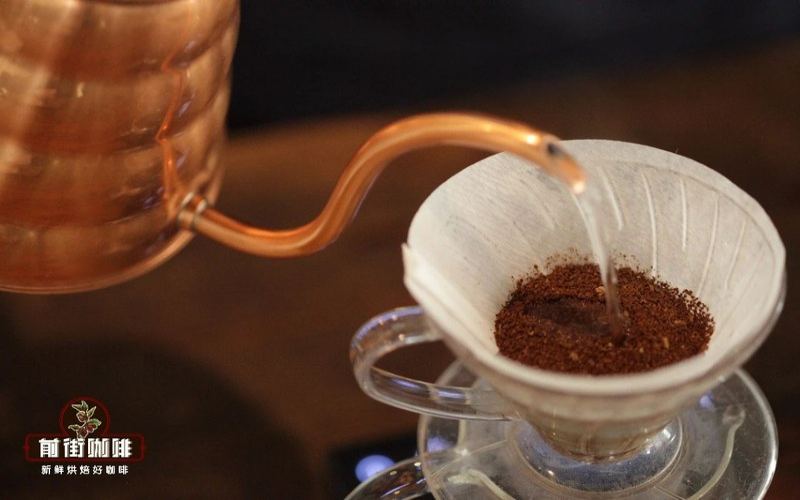
Moka pot grind size: the opening date changes the answer
The coffee grounds in a moka pot aren't something that stays the same forever once you've dialed in the setting. Right after roasting, the beans are still slowly releasing carbon dioxide, and this becomes especially noticeable after grinding; after resting for a while, the gas decreases and the bed of grounds lets hot water pass through more easily, so even the same grind setting can produce a different flow rate. Only by understanding the state of the beans can you find [more…]
Espresso Machine Cleaning Guide | How Often Should an Espresso Machine Usually Be Cleaned? What Are the Steps to Clean a Semi-Automatic Espresso Machine at Home?
I believe baristas must have encountered this problem: in the morning, the espresso extraction parameters are dialed in, but by noon, the parameters are no longer accurate, and the coffee flow rate has noticeably slowed down. Front Street has previously offered explanations for two scenarios regarding this issue. The first is when it rains and the humidity in the air is relatively high, inside the bean hopper. [more…]
Espresso blend flavor calendar: when to start drinking after roasting
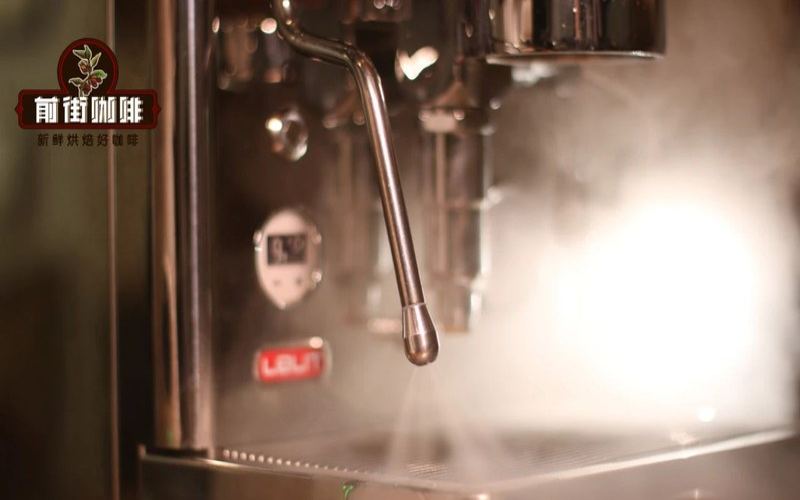
In the first few days after an espresso blend is roasted, the beans are still releasing carbon dioxide. If you pull a shot during this time, the puck is easily disturbed by the gas; the crema may look thick and rich, but the sip can taste loose and the aroma isn't fully focused. Planning together around the roast date, the expected opening date, and daily usage is often better than simply chasing freshly roasted beans [more…]
Espresso Characteristics | What Is Crema in Italian Coffee Made Of? Espresso Extraction Method, Specific Steps, Flavor, Taste, and Drinking Guide
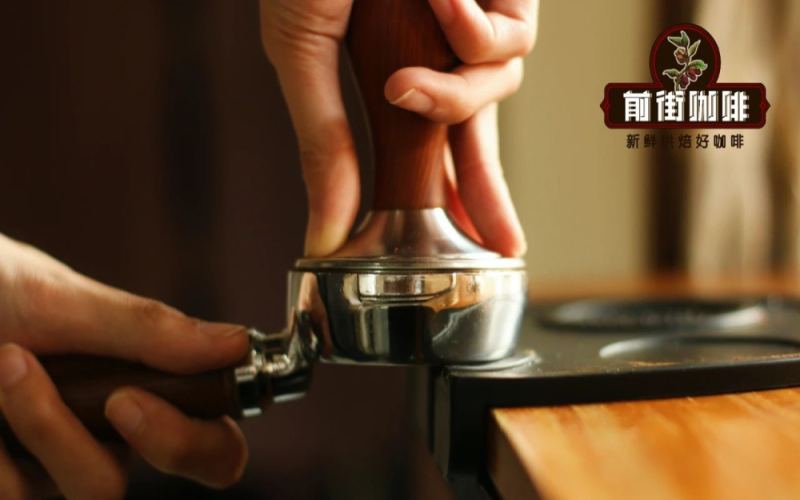
Front Street uses the "Front Street Classic Italian Blend" to make espresso. The baristas at Front Street Coffee (FrontStreet Coffee) will first dial in the extraction parameters for the espresso before they officially begin serving. Front Street uses a double-shot basket capacity, with a dose of approximately 18–20 grams. [more…]
For automatic coffee machines, choose bean roast level like this
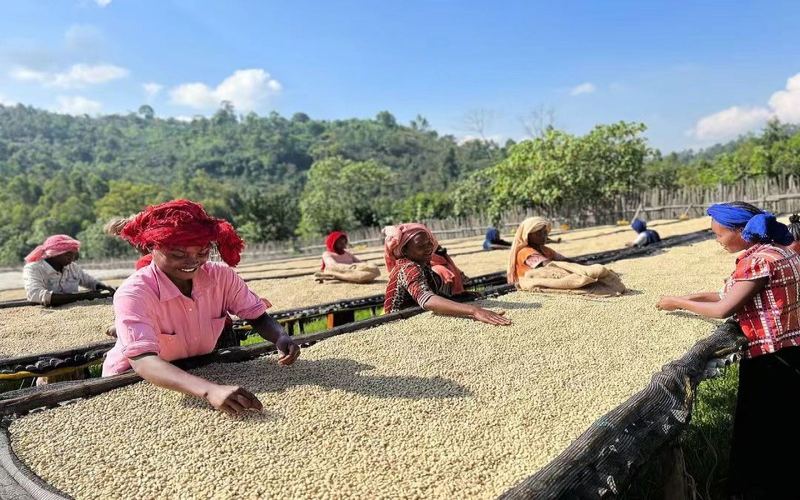
Fully automatic coffee machines usually focus on one-touch espresso, Americano, and milk coffee. The roast level of the coffee beans directly affects the flow rate, aroma expression, and mouthfeel. Rather than fixating only on origin or flavor descriptors, it's better to first look at the light, medium, medium-dark, and dark roast labels on the packaging, then combine that with the drinks you have every day to choose the one that's easier to dial in. [more…]

Light Roast, Medium Roast, Deep Roast: Pairing Coffee Machine Beans This Way
Espresso machines extract quickly and concentrate pressure, so the roast level of the beans directly affects aroma, strength, and mouthfeel. Even in the same cup of black coffee, a light roast may taste bright and lively, a medium roast comes across sweeter and smoother, and a dark roast feels heavy and full-bodied. When choosing beans for your machine, start by looking at the roast color and flavor profile, then match them with your own [more…]
From Roast Date to Sealed Bag: The Flavor Rhythm of Commercial Coffee Beans
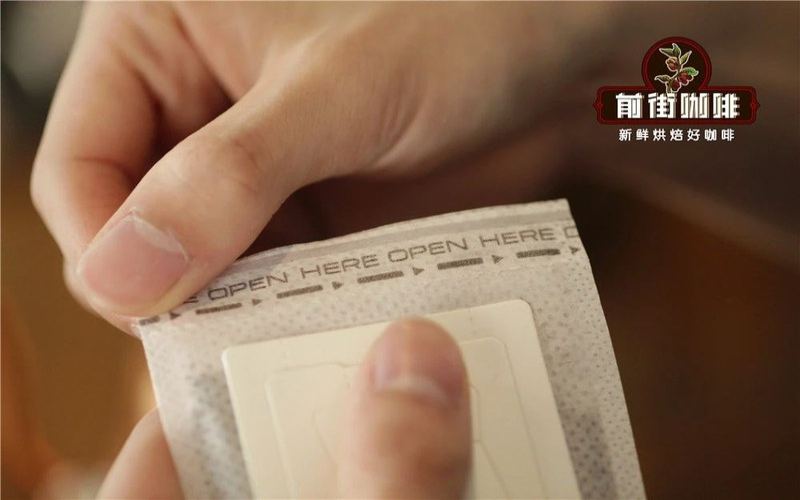
Coffee beans are not more aromatic the closer they are to the roast date. Freshly roasted beans contain more carbon dioxide, which can cause uneven water penetration in the puck when pulling espresso; the crema may look thick and rich, but the sip feels loose and disconnected. After resting for a period, the gas is slowly released, and notes of nuts, cocoa, or caramel only then become coherent. When selecting commercial beans, take the roast date into account [more…]
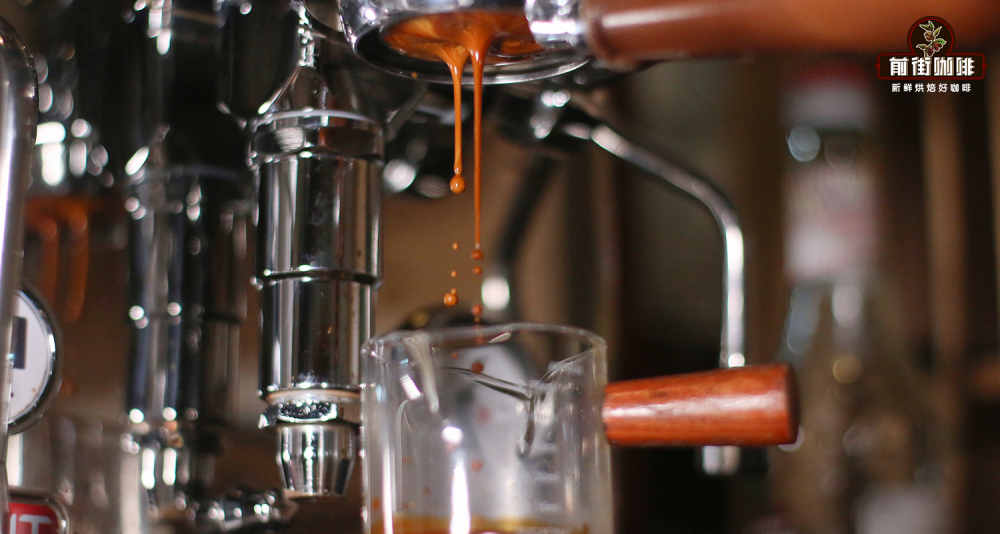
Espresso Extraction Ratio | How to Determine Espresso Grind Size? How to Adjust Espresso Grind Settings?
For more specialty coffee knowledge, please follow our WeChat official account: FrontStreet Coffee. Italy is a country of coffee culture, and the espresso that has spread across the globe is the soul of coffee and a treasure Italy has given to the world. Espresso, as its name suggests, is a [more…]

Types of Italian Milk Coffee | What are the differences in flavor and mouthfeel between Piccolo, Flat White, Latte, Mocha, and Cappuccino? Where did the Piccolo coffee originate?
For more specialty coffee knowledge, please follow our WeChat official account: Front Street Coffee (FrontStreet Coffee). Front Street Coffee (FrontStreet Coffee) has shared how to make several espresso drinks, and aside from the more common ones, quite a few readers have also responded [more…]