







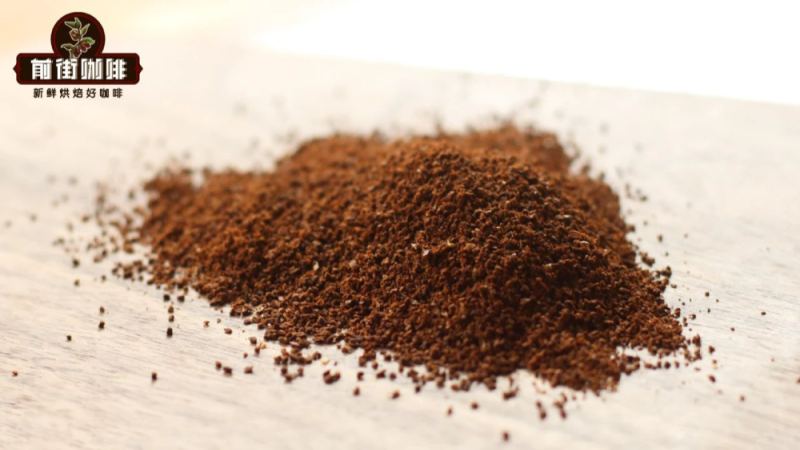
How Does Grind Setting Moka Pot Change Extraction?
Grind size decides extraction time and yield. Finer particles increase contact area and water flow resistance, lengthening extraction and raising yield, which easily tips into over-extraction and bitterness. Coarser particles open gaps, lower resistance, and risk under-extraction. Each brewer needs its own setting, from flour-fine Turkish powder to coarse French press grounds.
Coffee particles ground too fine release compounds that would otherwise stay in the bean, pulling out impurities and bitterness; ground too coarse, they trap the flavors hot water should dissolve. Espresso and pour-over therefore sit at different points on the scale. Roast level, bean hardness, and daily burr maintenance on the grinder all shift the right setting.
Grind size is one of the key variables that determines coffee flavor. The finer the particles, the greater the contact area between hot water and coffee grounds, and the more extraction resistance increases, which tends to lengthen extraction time and raise the extraction yield; the coarser the particles, the opposite is true, and under-extraction becomes likely. Different brewing devices have significantly different grind requirements, ranging widely from the flour-like ultra-fine powder for Turkish pots to the coarse particles for French presses. This article systematically sorts out the relationship between grind size, extraction time, and extraction yield, gives reference grind ranges for espresso and pour-over coffee, and, combined with Front Street Coffee's production experience, explains how to find a grind setting that suits you based on roast level and bean hardness, while also reminding you of the importance of daily maintenance of the grinder burrs.
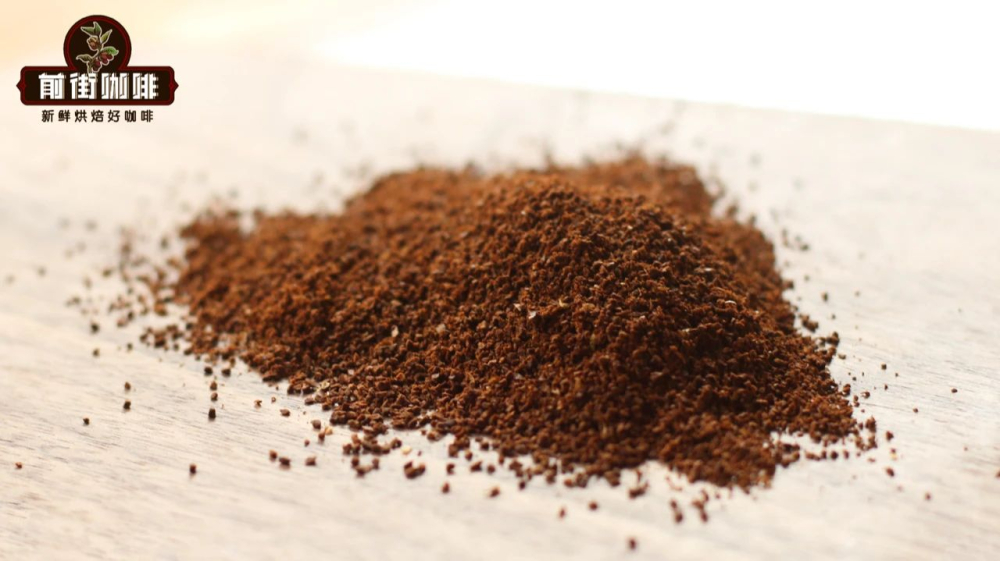
In the coffee extraction process, grinding plays a decisive role. It is no exaggeration to say that the coarseness of the coffee grounds directly influences the final flavor direction of a cup of coffee. Moreover, for different extraction methods, the grind size must also be adjusted accordingly.
The coarseness of the coffee grind directly determines the length of extraction time and the extraction yield. When the coffee is ground finer, the coffee bed packs more densely, the number of coffee particles in contact with hot water increases, and the resistance to water flow increases accordingly. Extraction time tends to lengthen, and the extraction yield rises as well, so it is easy to slide into over-extraction if you are not careful. Conversely, when the coffee is ground coarser, the gaps between the coffee particles become larger, the particles that can come into contact with hot water are relatively fewer, extraction resistance weakens, extraction time is less likely to be prolonged, and the extraction yield falls, often resulting in under-extraction.
Once coffee beans are ground too fine, the contact area between water and the surface of the coffee grounds becomes too large, which brings out many impurities that should not have been released, and even bitterness along with them; but if ground too coarse, those wonderful flavor compounds remain locked inside the particles, hot water cannot reach them, and the brewed coffee naturally lacks sufficient aroma.
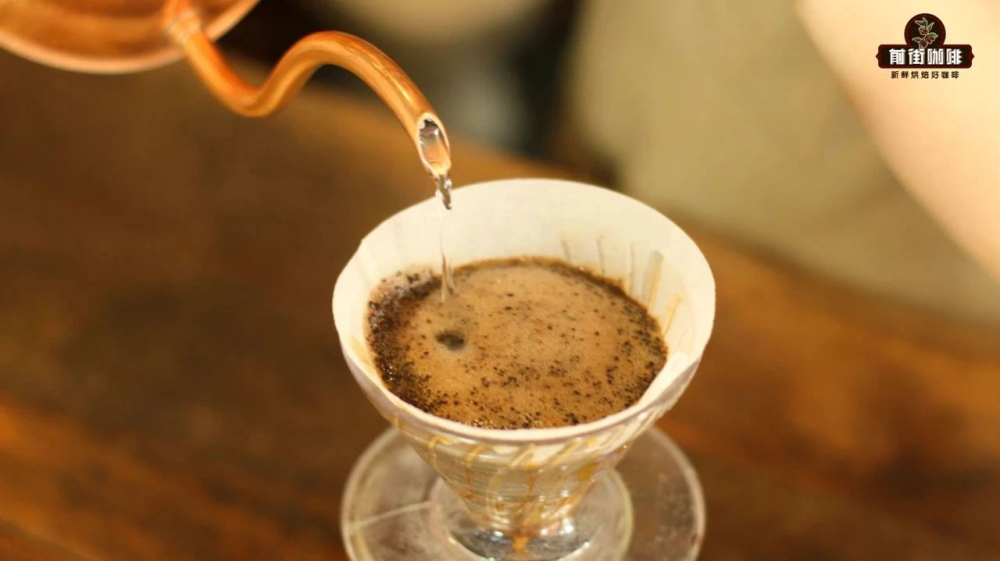
When extracting espresso, the coffee grounds must be tamped firmly so that they create resistance to the high-pressure hot water, and only then can the essence of the coffee truly be forced out. For this reason, espresso is even more sensitive to grind size. The more uniform the grind, the tighter the puck after tamping and the fewer the internal gaps, which creates balanced resistance to the water flow, and only then is there a chance to successfully extract a qualified Espresso.
For example, the grinder currently used by Front Street is the Fiorenzato 900N, whose burr setting has 8 major marks, and each major mark is further divided into 10 minor marks. In daily production, after the grinder is zeroed in, using Front Street Coffee's own roasted Front Street Sunflower Warm Sun blend coffee beans for production, the grind size falls at roughly around setting 2. Taking one day's adjustment process as an example, grinding at setting 2, 20 grams of coffee yielded 40 grams of coffee liquid in 32 seconds; then the setting was adjusted from 2 to 1.9, and with the same 20 grams of coffee yielding 40 grams of coffee liquid, the time was shortened to 29 seconds. The difference in coarseness between setting 2 and setting 1.9 cannot be distinguished by the naked eye at all, but when extracted on an espresso machine, the difference in results is obvious at a glance.
In addition, depending on the roast level of the coffee beans, the grind size must also be adjusted accordingly. Dark-roasted beans should be adjusted coarser, while light-roasted beans should be adjusted finer.
The lighter the roast, the more completely the fiber structure of the coffee beans is preserved, the harder the bean texture, and the more difficult extraction is. You can adjust the grind slightly finer, but not too fine, otherwise sharp acidity will become prominent. The darker the roast, the more severely the fibers of the coffee beans are broken down, and the easier extraction becomes, so a coarser grind should be chosen. If ground too fine, bitterness will emerge.
When using different devices for brewing, the coarseness of the grind also varies.
For example grind size from fine to coarse is Turkish pot, espresso machine, moka pot, pour-over, siphon, French press.
Turkish pots and espresso machines require the finest grind, roughly presenting as flour-like powder (about 200 microns); pour-over and siphon grinds are slightly coarser, with a sandy texture to the touch (about 600 microns); the grind used for French presses is coarser (about 850 microns).
1: Turkish-style grounds: if the grinder can reach this level, this is the finest coffee powder.
2: Fine espresso grounds: very fine coffee powder, with the possibility of clumping.
3: Espresso grounds: fine coffee powder, with the possibility of clumping, often used in making espresso.
4: Fine filter grounds: between espresso grounds and filter grounds.
5: Filter grounds: the coffee powder has the texture of extra-fine caster sugar used for seasoning, very different from the fine powder of level 3, often used for pour-over coffee.
6: Coarse filter grounds: similar in fineness to granulated sugar.
7: Coarse grounds: suitable for immersion brewing methods, such as a French press. Similar in fineness to coarse sea salt flakes.
8: Extra-coarse grounds: similar in size to rock salt, suitable only for long immersion brewing methods.

According to research data from the Specialty Coffee Association of Europe, the grind coarseness for a French press is equivalent to each coffee bean being broken into 100 to 300 particles, with a diameter of about 0.7 millimeters. Electric drip machines use a medium grind, with each bean ground into 500 to 800 particles, with a diameter of about 0.5 millimeters. The medium grind used for pour-over and siphon turns each bean into 1,000 to 3,000 fine particles, with a diameter of about 0.35 millimeters. The fine grind for espresso turns each bean into 3,500 fine particles, with a diameter of about 0.05 millimeters. A Turkish coffee pot requires grinding into a flour-like consistency, with each bean ground into roughly 15,000 to 35,000 fine particles.
When it comes to grind size, it may indeed be hard to grasp. Everyone only needs to remember the simplest rule: provided you want to achieve the same extraction yield, the finer the grind, the shorter the brewing time; the coarser the grind, the longer the brewing time. To put it more deeply, this is the same as a physics principle: by increasing the surface area and contact area, hot water can come into fuller contact with the coffee grounds, and the brewing speed naturally becomes faster.
As for knowing exactly which setting to use to grind a certain coffee bean, Front Street's view is: every type of coffee bean has a different hardness, and every grinder's parameters also vary. In the face of these uncertainties, talking about settings alone is not rigorous.
So how should you set your own grind size?
Actually, it is very simple to do. For example, after buying a grinder, the packaging will include instructions, and you can also consult the seller directly, and usually you will get a grind recommendation. It should be noted that this is a suggestion, not a hard-and-fast rule. We can start from this suggestion and gradually find the grind size that truly suits us.
In addition, be sure not to use an unchanging grind setting for coffee, because every bean has a different density and roast level, and the required setting naturally differs as well. The beans currently listed by Front Street are all calibrated for grind size with the help of standard sieves in order to achieve the best possible production state.
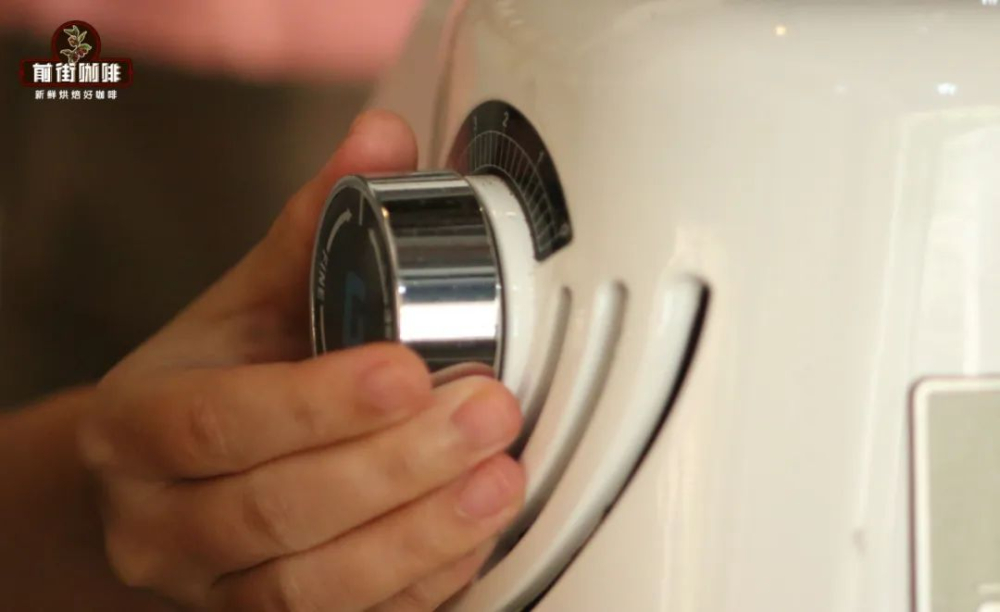
After buying a grinder, it is not a once-and-for-all matter; diligent maintenance is also needed, regularly removing the burrs and cleaning out the residual oil and grime inside. Burrs are consumables and must be replaced on time. Otherwise, the coffee particles ground will be uneven, which will affect the coffee's flavor.
For more specialty coffee beans, please add the private WeChat of Front Street Coffee (FrontStreet Coffee), WeChat ID: kaixinguoguo0925
The above content is compiled by CoffeeHunters, a coffee news website.


