







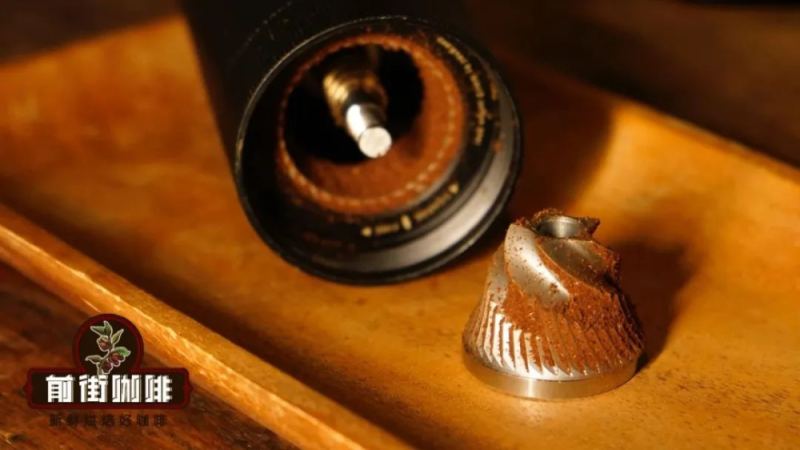
Coffee grinding equipment mainly falls into two categories: manual and electric. Different brands and price points not only affect appearance and grinding performance, but also determine differences in burr structure and particle size distribution. Regardless of which grinder you use, daily cleaning and regular maintenance of the burrs are key to extending the equipment's lifespan. The static electricity generated after grinding causes fine powder to stick to the metal burrs and grounds chamber. The more frequently you use it, the more residual powder accumulates, and the oils from dark-roasted beans worsen the buildup of grease stains. Without long-term cleaning, old powder not only brings a stale oily smell, but also taints the flavor of new powder and clogs the grinding path. This article will detail grinder maintenance methods and precautions across three levels: daily quick cleaning, cleaning without disassembly, and regular deep cleaning.
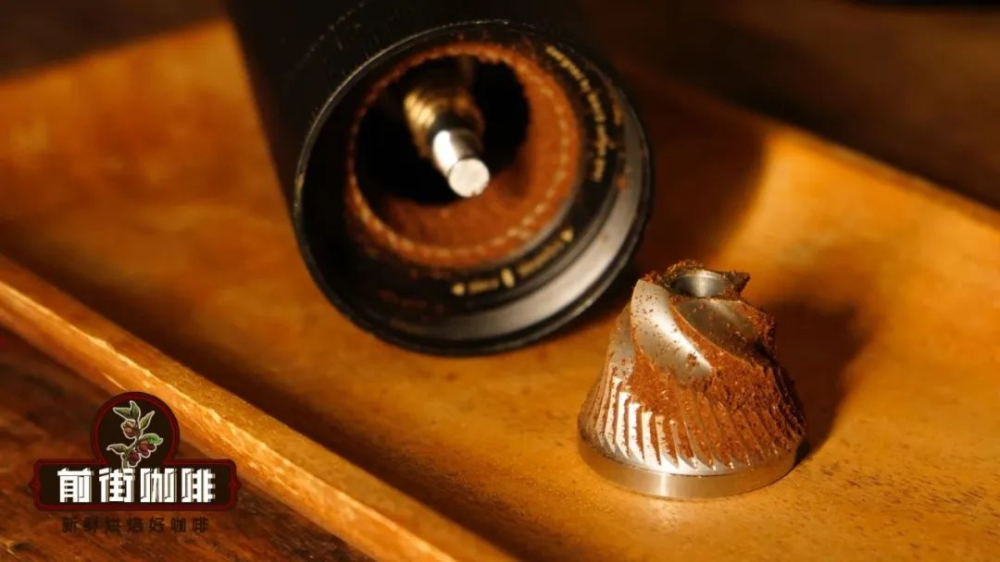
Currently, coffee bean grinding tools on the market can be roughly divided into two categories: one is the lightweight, portable manual hand grinder, and the other is the electric grinder that requires a power connection. Products of different brands and price points differ not only in appearance and grinding performance, but also in burr construction, particle size distribution, and other aspects. However, no matter which device you use, daily cleaning and regular maintenance of the burrs are the core steps for extending its lifespan.
After the grinder finishes grinding, the static electricity generated by friction causes fine powder particles to cling to the surface of the metal burrs and the grounds chamber. The more times it is used, the thicker the accumulated residual powder becomes. This is especially true for darker-roasted coffee beans, whose oil secretion is more pronounced, leaving more grease stains on the burrs during grinding.
If the burrs go uncleaned for a long time, the old powder layer trapped in the crevices will not only cause the inner walls to give off a stale oily odor, but will also mix into freshly ground coffee powder during operation, causing flavor tainting, and may even clog the grinding path, thereby shortening the equipment's service life.
Daily Quick Cleaning
After each use of the grinder, you can let the burrs spin idle for a few turns or gently tap the body to dislodge residual coffee particles, then use a small brush, air blower, or similar tool to sweep away visible residual powder, including the bean hopper, grounds chute, and grounds container. Afterward, place the grinder in a dry environment to avoid moisture. For electric grinders, also watch out for issues such as aging power cords and plugs, as well as rodent damage.
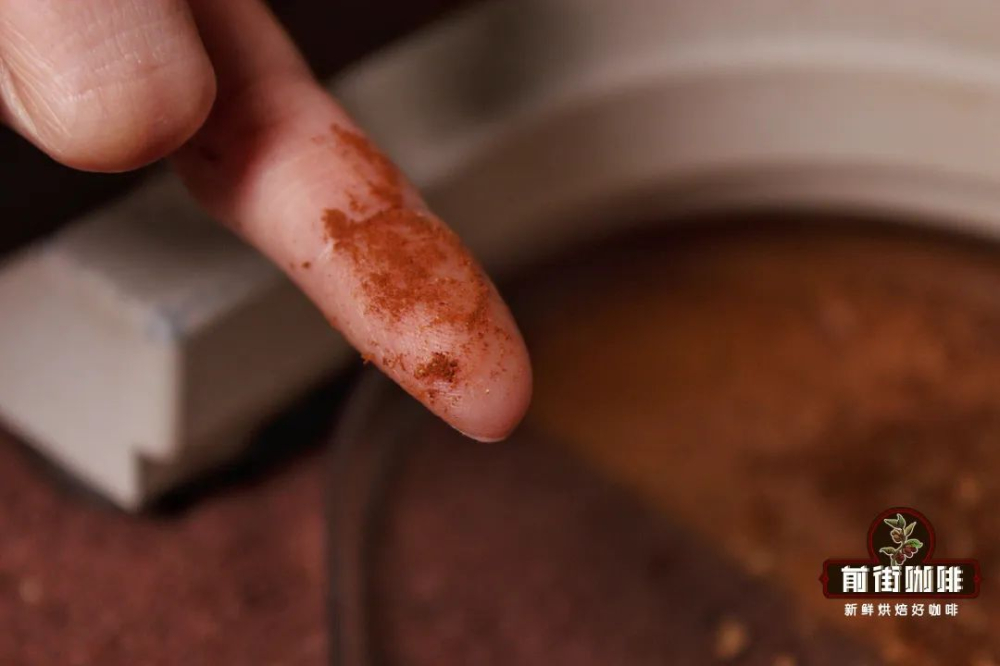
However, such daily operations usually only handle residual powder with weak adhesion. For those finer, lighter "stubborn particles" that build up over time—for example, if Front Street lightly wipes the inner wall of the grounds chamber with a finger and finds an obvious layer of powder—it means the grinder needs a deeper cleaning.
Cleaning Without Disassembly
The method is very simple: just drop a few cleaning pellets into the bean hopper and start it up as you would for normal grinding, and the debris stuck on the burrs will be easily carried out. This cleaning method doesn't need to be done too frequently. If home usage is about 1–3 cups per day, doing it roughly every 2–3 months is sufficient. But note that when using cleaning pellets, the grind setting should not be too fine (coarse sugar consistency is appropriate), otherwise the cleaning powder may also remain in the burrs.
Regular Deep Cleaning
When grinding coffee beans feels unsmooth or jams, the ground particles are uneven in coarseness, or the amount of extremely fine powder noticeably increases, causing severe clogging in the later stages of brewing, it means your grinder may need to be disassembled for cleaning.
As for disassembling the more complex electric grinders, Front Street recommends handing it over to a professional for inspection and handling, to avoid damage or loss of the grinder's core components.
The above content is compiled by CoffeeHunters, a coffee news website.


