







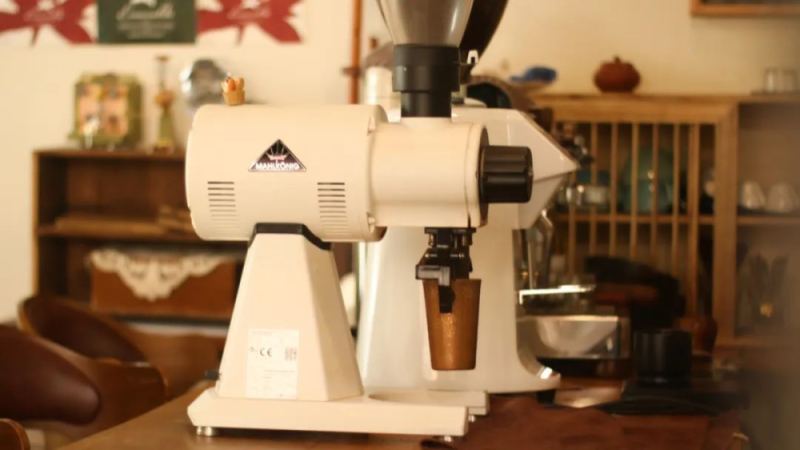
Faced with the dazzling array of grinders on the market, many coffee enthusiasts struggle with the decision: should I choose a hand grinder or an electric one? For long-term stable grinding performance, many people prefer to go straight for an electric grinder, as it saves effort and reduces the trouble of fines. But electric grinders actually have quite a few things to pay attention to in terms of use and maintenance—for example, the wrong operating sequence can accelerate burr wear, and inadequate cleaning can shorten the machine's lifespan. This article will address key questions such as the correct way to use an electric grinder, why you should start it before adding beans, and the specific methods for daily and periodic cleaning, helping beginners use and care for their grinders more scientifically so that every cup of coffee is consistently delicious.
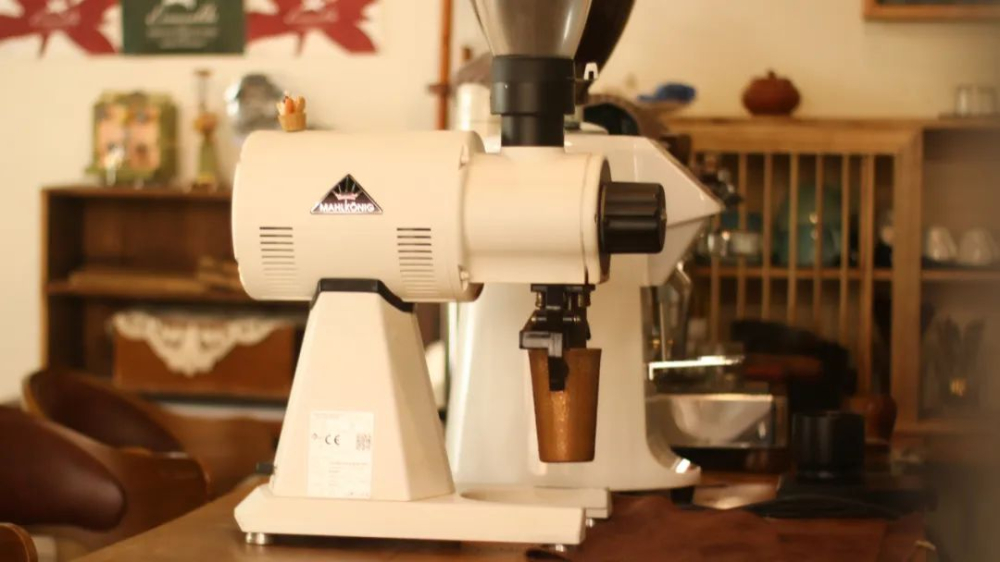
To keep brewing performance stable over the long term, many friends choose to go straight for an electric grinder (hereafter referred to as an electric grinder), and the most direct reason is simply not wanting to be bothered anymore by the excessive fines produced by hand grinders.
Beyond that, there's another consideration for choosing an electric grinder: it's more effortless to operate. Hand grinding requires physical effort, while an electric grinder just needs you to locate the bean inlet and the grounds outlet, pour the beans in, and press the switch. However, in actual use, there are still some details to pay attention to—otherwise the grinder will wear out much faster than you'd expect.
For example, a friend who visited the shop today asked: "Why do you always turn on the machine before adding beans when you grind coffee? Isn't it the same if you do it the other way around?" That's a good question, because this is exactly a key detail in using an electric grinder. Why should you start the grinder before adding beans? This point deserves particular attention when using a single-dose grinder. If you reverse the order—adding beans first and then turning it on to grind—the burrs are very easily damaged.
Any machine needs time from startup to reaching its operating state, just like a car accelerating from a standstill—it can't reach its target speed instantly. The same principle applies to electric grinders, even if the process lasts only a brief second. When we start the grinder, it takes about 0.5 to 1 second for the burrs to go from stationary to stable rotation. If coffee beans are poured in before that, the beans will get stuck in the gap between the burrs, creating extra resistance for the machine at startup, and this resistance ultimately acts on the burrs. At first, because the motor is powerful and the burrs are sharp, you may not feel much of an impact. But as use accumulates over time, the problem of burr wear will gradually become apparent. If you happen to encounter harder beans one time, the grinder may jam or even shut down. This type of problem is most common in small household electric grinders with weaker motors and lower speeds.
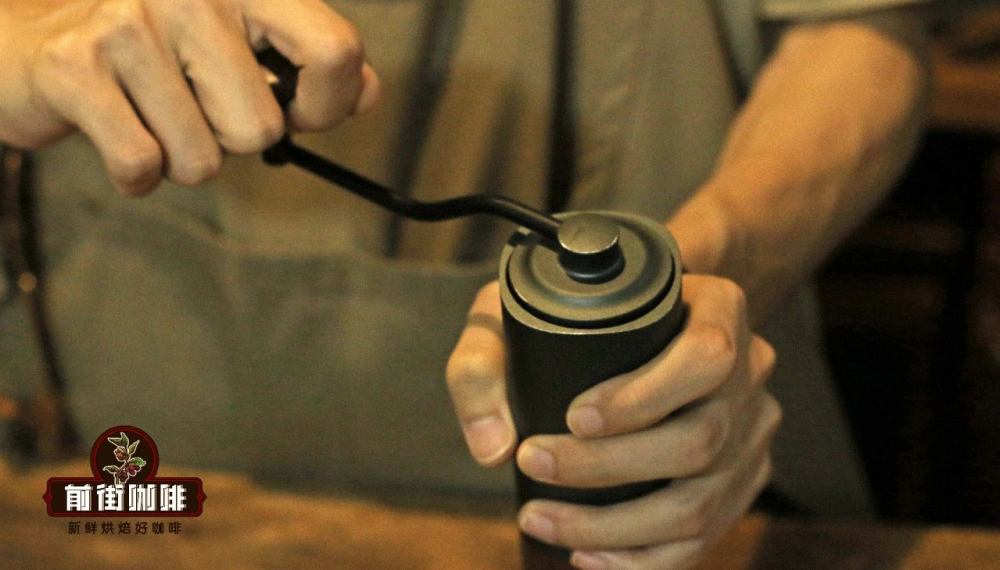
Therefore, Front Street recommends that those using electric grinders start the machine before grinding coffee beans, and wait until the grinder is running smoothly before pouring in the beans. This reduces burr wear and lowers the probability of malfunctions. Periodic cleaning is also important Just like the coffee machine cleaning we discussed yesterday, cleaning the grinder is equally not to be overlooked. Proper cleaning and maintenance is the best way to extend service life. But electric grinders aren't as easy to disassemble for detailed cleaning as hand grinders, so we can divide grinder cleaning into two levels: daily and periodic—daily for simple maintenance only, and a deep thorough cleanup at intervals. Daily cleaning : After each use, you can use a blower to blow air at the bean inlet and grounds outlet of the grinder. There will inevitably be a certain amount of coffee powder left in the dead corners of the grinding chamber (this is why the grinder needs to be "seasoned" before each use), and blowing air is meant to expel these residual particles from the chamber.
But be sure to pay attention to safety—it's best to cut the power first, or make sure the grinder is not running before cleaning. Periodic cleaning : A blower can only carry away non-sticky coffee particles in the chamber, while those sticky particles and oils cannot be blown off. At this point, you need to disassemble the machine for a deep cleaning.

For the specific disassembly steps, please consult the customer service for your electric grinder or refer to the manual. After disassembling the grinder, take out the burrs and rinse them with clean water, then dry them quickly. While you're at it, wipe down the other corners of the grinding chamber with a clean cloth, and finally reassemble it.
If you're not very handy, don't worry—grinders also have dedicated cleaning tablets just like coffee machines. The operation is very simple: just grind the cleaning tablet as if it were coffee beans, and during the grinding process it will carry out the substances remaining in the burrs. Keep the cleaning frequency to once every one to two months.
The above content is compiled by CoffeeHunters, a coffee news website.


