







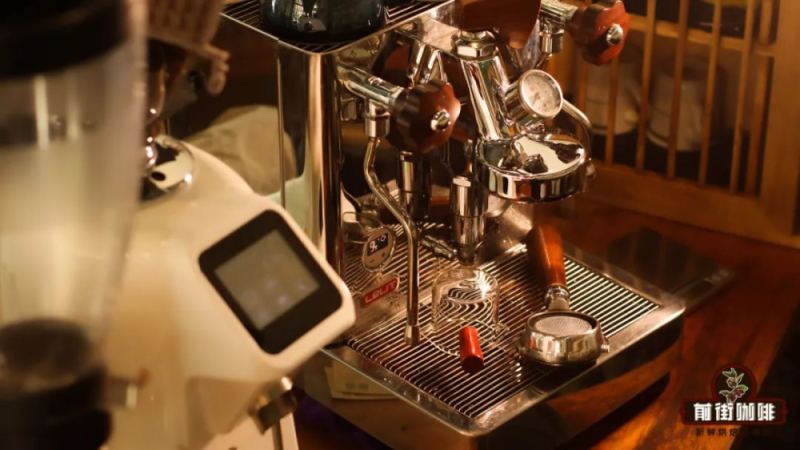
How does how to use a drip coffee machine include maintenance?
Using a drip coffee machine is simple, but leaving it uncleaned shortens its life. Skip cleaning routines and the coffee machine shows faults within months: weak steam, uneven hot water from the group head, pressure swings during extraction, and leaks even after the portafilter is locked in.
Daily work covers the steam wand after every milk foam, the dispersion screen, and the portafilter, since dried milk forms scale that clogs the tip. Deeper upkeep adds backflushing, gasket replacement, and water tank filter care. Most owners are not coffee professionals, so basic awareness of these steps prevents repair costs.
As coffee culture becomes increasingly widespread, more and more households are purchasing espresso machines, but most users are not professionals and know very little about equipment cleaning and maintenance. Prolonged neglect of cleaning can lead to weakened steam, uneven water flow from the group head, unstable extraction pressure, and even portafilter leaks. In this article, Front Street Coffee will systematically share daily maintenance and deep cleaning methods for coffee machines, covering daily cleaning of the steam wand, dispersion screen, and portafilter, as well as deep maintenance essentials such as backflushing, gasket replacement, and water tank filter upkeep, helping your coffee machine run stably for the long term and avoid unnecessary repair costs.
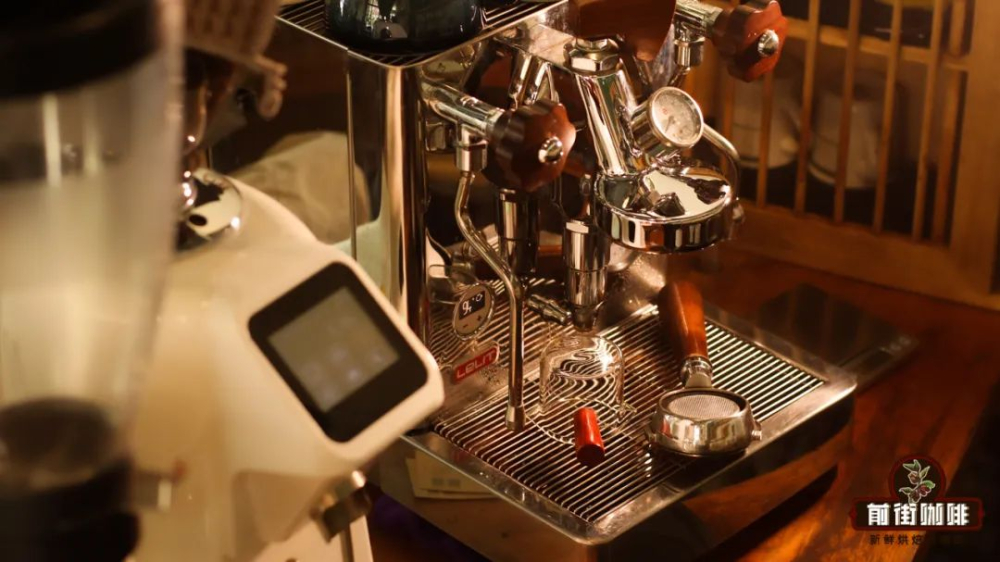
The widespread spread of coffee culture in recent years, combined with the continuous rise in people's demand for coffee beverages, has prompted many manufacturers to successively develop espresso machines for home scenarios—what everyone commonly calls home machines. Compared with commercial models, home machines are not only more compact in size but also more affordable in price. Precisely because of this, more and more consumers have purchased coffee machines and begun their journey of making espresso at home.
However, Front Street Coffee believes that among those who buy coffee machines, the proportion who actually work in the coffee industry is not high. Therefore, when it comes to equipment maintenance, many people lack basic awareness. If cleaning is not done for a long time, the coffee machine will easily reveal various faults after being used for a period, such as: reduced steam power, uneven hot water output from the group head, pressure fluctuations during extraction, leakage even after the portafilter is locked in, and so on.
Don't worry—next, Front Street Coffee will explain how to carry out daily maintenance and deep cleaning of coffee machines, so the machine can serve longer and your wallet can avoid "unexpected disasters." Let's start with daily cleaning.
I. Daily Cleaning of the Steam Wand
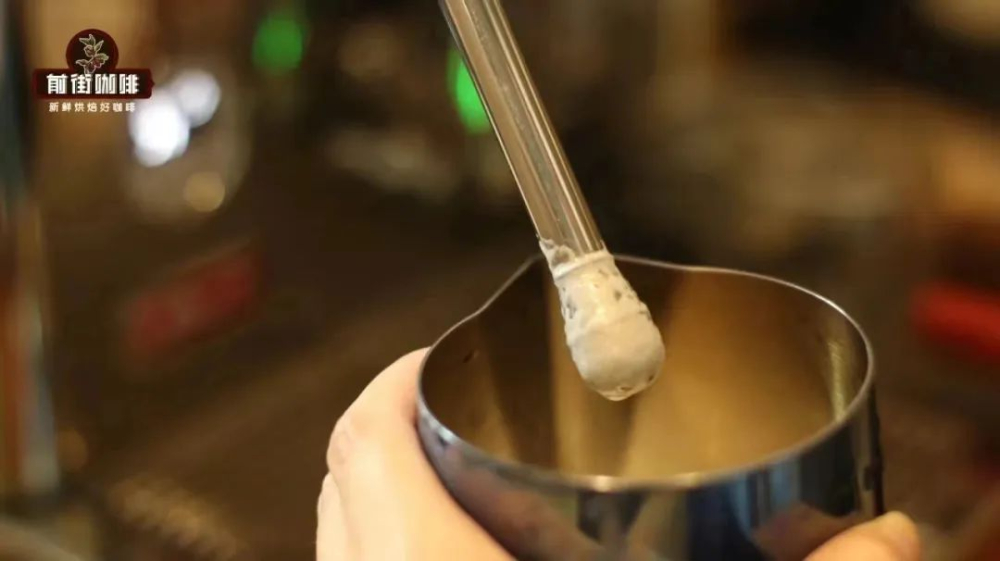
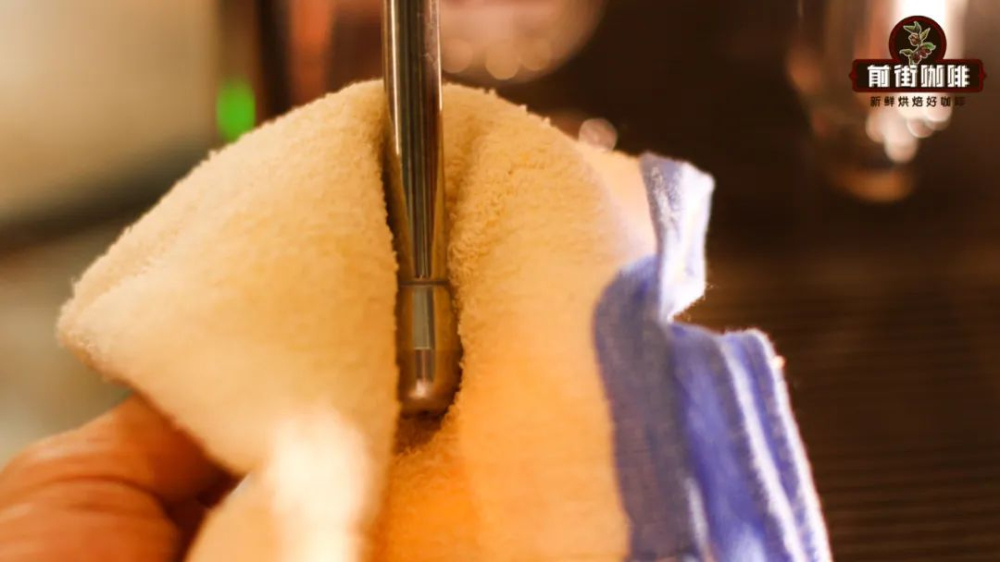
After steaming milk foam, a small amount of milk often clings to the steam wand tip. If it is not dealt with immediately, this residual milk will be heated and dried by the residual heat of the steam wand tube after the steam is turned off, forming milk scale. Milk scale not only clogs the holes of the steam outlet, but if left for a long time, it will also spoil and give off an odor.

The method is very simple: prepare a clean, slightly damp cloth. After finishing steaming the milk foam, immediately wipe the surface of the tip with this cloth, then turn the steam switch back on and purge it to blow out the residual milk inside the tube. The simple cleaning of the steam wand is then complete.
II. Daily Cleaning of the Dispersion Screen
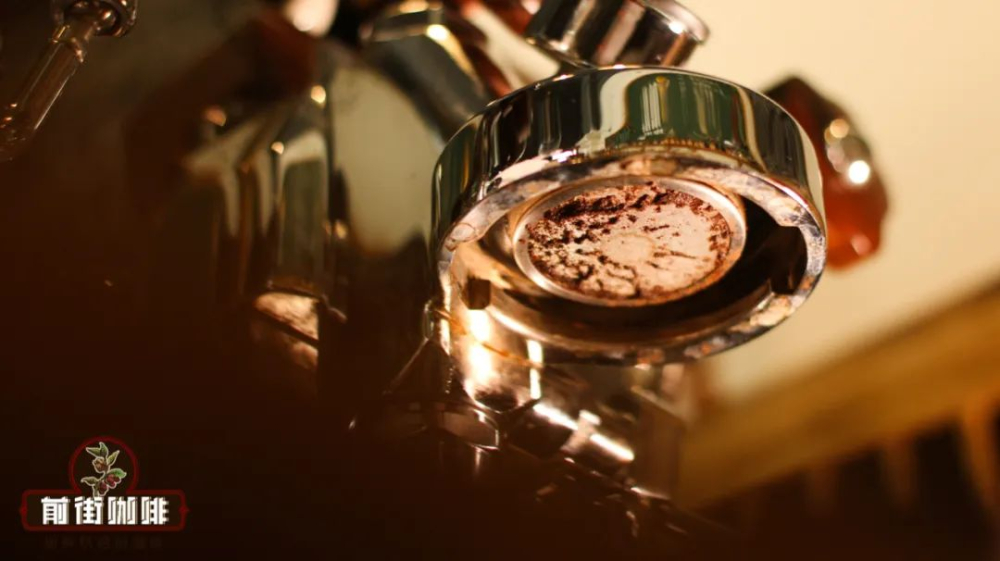
The dispersion screen is located inside the group head and is the part closest to the coffee puck. After extraction is finished and the portafilter is removed, due to pressure release, a large amount of coffee grounds clings to the dispersion screen. If not cleaned in time, these particles will be baked dry by the high temperature of the group head, thereby interfering with the extraction effect and flavor performance of the next cup of coffee.
Therefore, the dispersion screen is also a key area that cannot be ignored in daily cleaning. There are two cleaning methods. The first is quick treatment: after each extraction, open the water valve and flush hot water once, which can quickly wash away the coffee grounds remaining on the surface of the dispersion screen. However, this method cannot cover areas beyond the dispersion screen, so after daily use, you still need to use a brush together with flushing water to thoroughly clean the surrounding parts.
III. Daily Cleaning of the Portafilter
If you use a split portafilter, then after finishing work each day you also need to clean the inside of the portafilter. After a whole day of extraction, the channels inside the portafilter will inevitably accumulate a large amount of coffee residue. If not dealt with in time, over time it will also interfere with the taste of the coffee and even pose potential health risks.
Therefore, after daily use, it is best to pry out the filter basket and rinse the portafilter. Friends who use a bottomless portafilter only need to clean the filter basket, because their cleaning focus is not on the portafilter itself, but on the coffee machine that gets splattered everywhere by the bottomless portafilter.
The above is the daily cleaning content for coffee machines. Next, Front Street Coffee will talk about deep cleaning. Because everyone's frequency of use is different, the deep cleaning cycle can be judged by yourself. For example, friends who use it frequently and produce more than a dozen cups a day or even more are advised to do a deep cleaning every few days (once a day is of course ideal). If the frequency is lower, such as only making one cup a day, then... just judge it yourself.
I. Deep Cleaning of the Steam Wand
Even after daily cleaning is completed, a lot of milk will still remain in gaps that cannot be reached. So when doing deep cleaning, you can remove the tip, place it in any container, then add special coffee machine cleaning powder to hot water and soak it (the steam wand tube can also be soaked together).
Take it out before use the next day, rinse it clean, and reattach it. Cleaning powder has excellent stain-removing ability, and dirt hidden in the gaps can basically be dissolved and carried out.
II. Deep Cleaning of Coffee Machine Tubing
When extraction ends, some hot water does not have time to discharge and remains in the filter basket. When the coffee machine releases pressure, it sucks this water back, which is then discharged through the water outlet. Because the water has already contacted the coffee grounds, what is sucked back is not only hot water but also carries a large amount of coffee substances. These substances do not all drain away from the water outlet; instead, they deposit inside the tubing. If not cleaned in time, the dirt will accumulate thicker and thicker, ultimately affecting extraction quality.
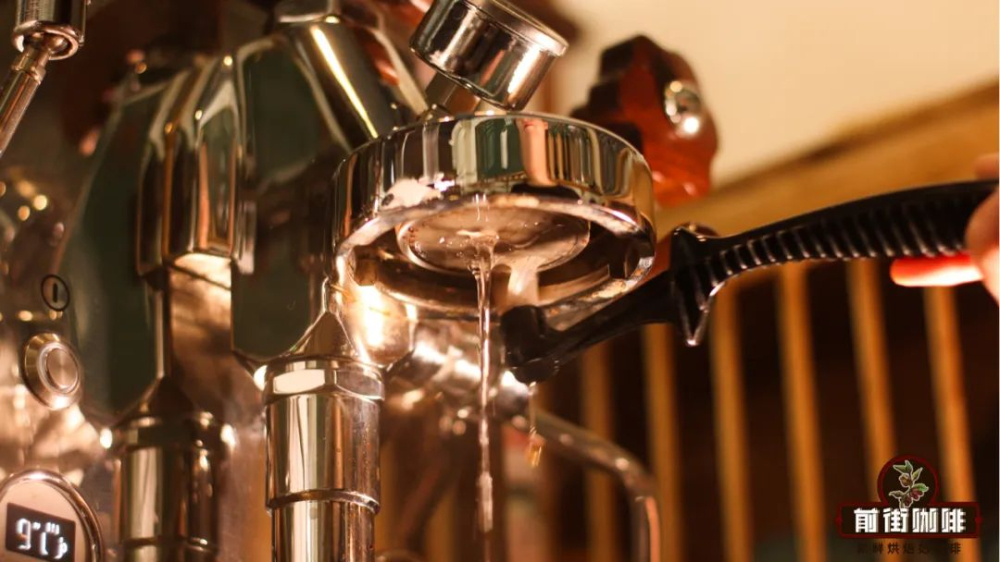
Therefore, after multiple uses, you can clean the coffee machine tubing by backflushing. The specific operation is: replace the perforated filter basket on the portafilter with a blind basket, add an appropriate amount of cleaning powder, and lock it tightly onto the group head. Then press the extraction button to let hot water dissolve the cleaning powder and clean the dispersion screen. After waiting about 10 seconds, turn off extraction, and the hot water with cleaning ability will flow out from the water outlet along the tubing, completing tubing cleaning in the process. Repeat three times, with no need to disassemble.
III. Replacing the Coffee Machine Gasket
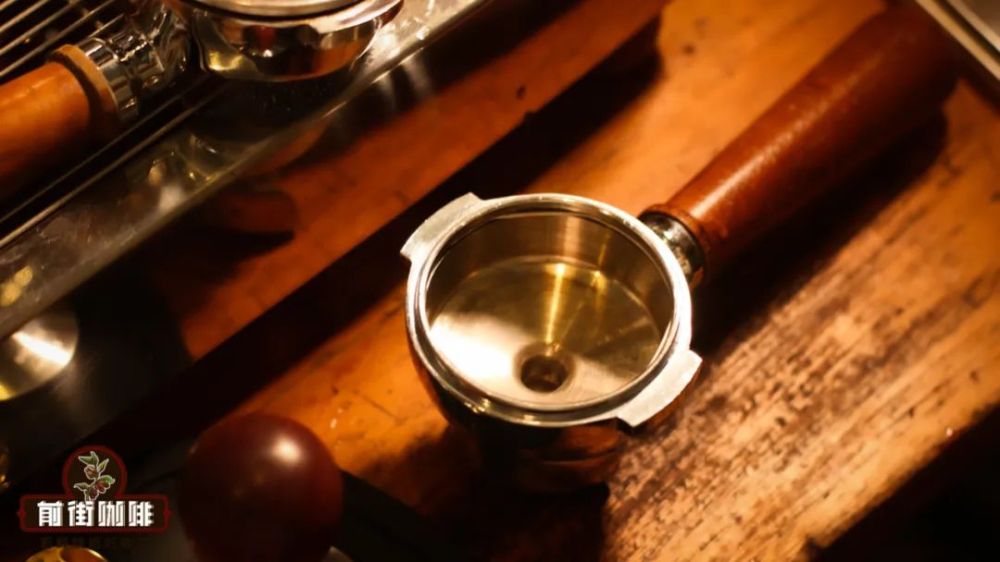
If you notice dripping during extraction, or severe leakage, it usually means the gasket has aged and its sealing performance has declined. At this point, you need to buy a replacement gasket online and replace it yourself. Because replacement methods differ among machine models, Front Street Coffee recommends contacting the manufacturer to consult the specific operation. Generally speaking, the service life of a gasket is about half a year to one year.
IV. Other Items That Need Cleaning Attention
The rest mainly concerns maintenance of the coffee machine water tank and the filter in the water supply system. After long-term use, they will accumulate more scale, and if not dealt with regularly, this will create certain obstacles to extraction. Therefore, they need to be replaced and cleaned regularly. Usually the filter only needs to be replaced once a month, and the cleaning cycle for the water tank can be appropriately extended, but because it involves disassembly, friends who are not very handy are best advised to have a professional do it.
The above content is compiled by CoffeeHunters, a coffee news website.


