







How Often Does Your Coffee Grinder Need Maintenance?
Coffee maintenance for a grinder comes down to three levels: a quick daily clean, no-disassembly cleaning tablets, and full disassembly deep cleaning with burr inspection. Static-charged fine powder and dark roast oils build up on the burrs with every use. Left alone, that residue carries stale flavors into the next cup, can clog the grind path and shortens the grinder's service life.
After each brew, run the burrs empty and brush away visible grounds. Manual and electric grinders both need burr care, but the schedule depends on use and roast level. When flavors taste muddy or off, or the grind setting drifts, it is time for deeper cleaning and a check of the coffee grinding process, including burr wear and calibration.
When brewing pour-over coffee at home, have you ever tasted the flavor of another bean in your cup? This is very likely caused by fine powder residue left inside the grinder. If the grinder is not cleaned for a long time, static-charged fine powder and dark roast bean oils attached to the metal burrs will accumulate more and more, which not only affects the extraction flavor but may also clog the channel and shorten the equipment's lifespan. This article, compiled by Front Street Coffee, systematically explains the maintenance and calibration methods for manual and electric grinders, from simple daily cleaning and no-disassembly cleaning tablet treatment to disassembly deep cleaning and burr wear inspection, helping you determine when a simple cleanup is enough and when deep maintenance is needed, so that every cup of coffee maintains a clean and accurate flavor performance.
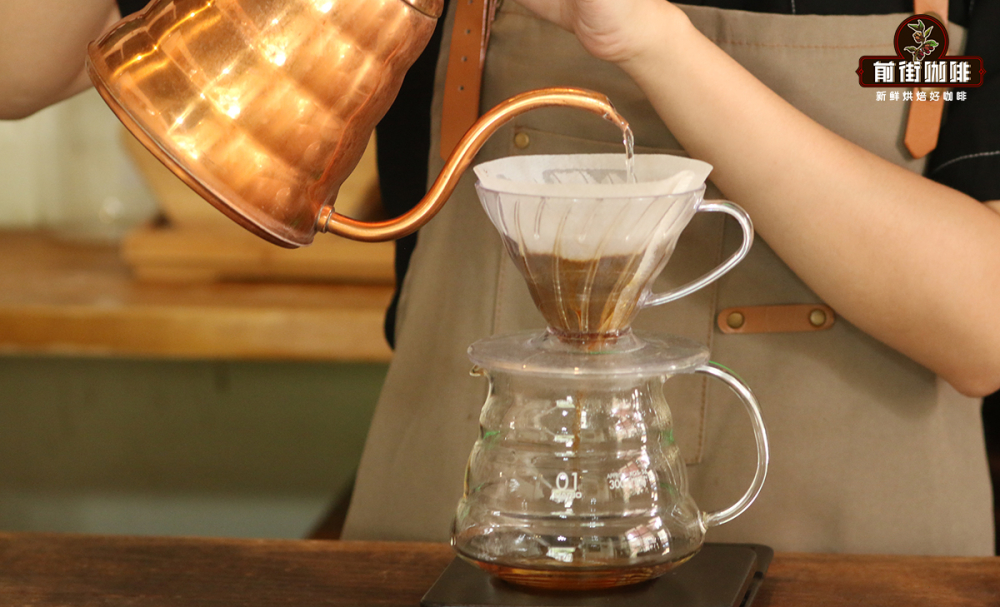
Friends who often make pour-over coffee at home, have you ever encountered this situation: you pick up a freshly brewed cup of coffee, but upon tasting it you detect the flavor of another bean, and you even start to wonder if something is wrong with your sense of taste. In fact, this is very likely because the grinder still has fine powder from the previous pot of coffee, causing the flavors to be "cross-contaminated."
Some friends have also asked Front Street, "Can a grinder be washed directly with water?" Regarding this question, let's first listen to Front Street talk about the basic routine for daily grinder maintenance and cleaning.
After using the grinder, the static electricity generated by friction causes fine powder to cling to the metal burrs, and the grounds chamber and burrs will also continuously accumulate residual powder with each use. If not cleaned for a long time, the coffee's extraction effect and flavor will both be compromised.
Dark roast coffee beans have a relatively high oil output, and when ground with the burrs they also leave more oil stains. Over time, this may cause channel blockage, further shortening the grinder's service life.
Currently, grinders on the market are roughly divided into two types: manual and electric, but no matter which type it is, daily cleaning and maintenance of the burrs cannot be skipped.
Simple daily cleaning
After each brewing session, let the burrs run empty for a while, and use a brush and air blower to sweep away visible coffee residue, making sure to cover the bean hopper, the grounds outlet, and the grounds container.
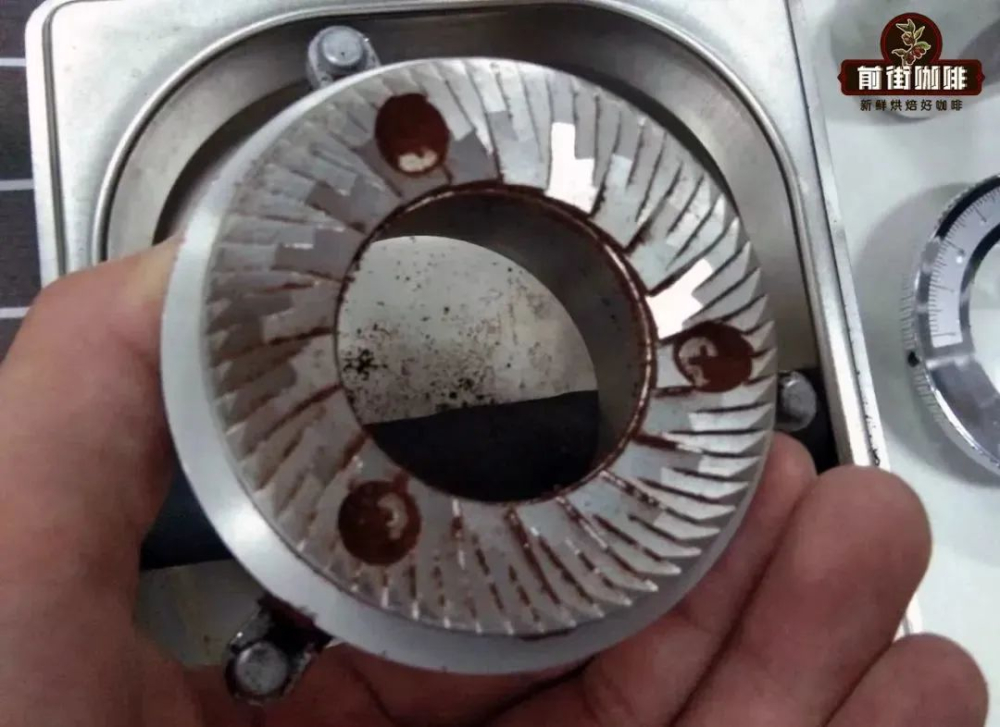
At the same time, place the grinder in a dry environment to avoid moisture. For electric grinders, also pay attention to whether the power cord and plug are aging.
Cleaning without disassembly
If it has not been cleaned for a long time, gently wipe the inner wall of the grounds chamber with your index finger, and if you can clearly see a layer of powder scale with a rancid oil smell, that means the grinder has absorbed too much ultra-fine powder and needs a deeper cleaning.
Because each device has a different level of precision, friends who are unfamiliar with the mechanical structure do not dare to disassemble it casually, worrying that they will not be able to put it back together.
In this case, you can use specialized cleaning tablets (cleaning pellets) to grind and clean it. Put the tablets into the bean hopper and grind them, using their grinding process to "carry out" the stuck coffee fine powder.
When using cleaning tablets, note that the grind setting should not be too fine, otherwise the cleaning powder itself can easily remain in the burrs.
Disassembly deep cleaning
If grinding feels unsmooth and jams, and the ground coffee powder is clearly uneven in coarseness, thereby affecting coffee extraction, this may be because the burrs are blocked by harder fragments, or because the cutting edges are already worn.
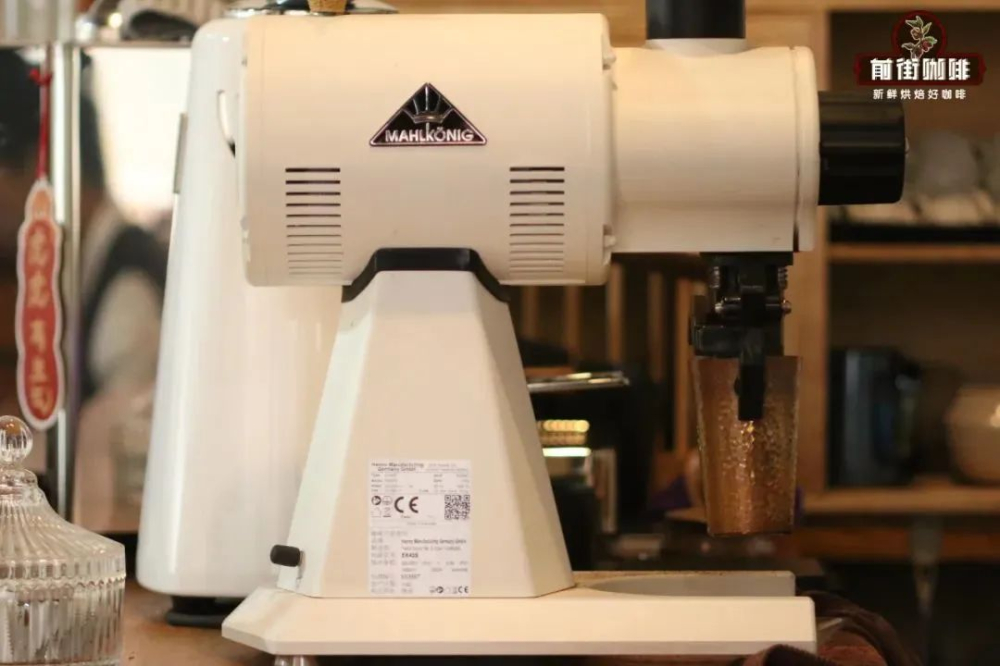
After disassembling the grinder, first check whether the burrs are clogged; if they are not clogged, then pay attention to the degree of wear. Usually after about two years of daily use, the burrs will show a certain amount of wear, grinding precision will decrease, and fine powder will increase. Therefore, they need to be checked and replaced regularly.
After inspection confirms there is no problem, you can begin deep cleaning. The burrs can be rinsed with clean water, but be sure to let them dry completely before reinstalling, otherwise it will affect subsequent use.
Front Street recommends that disassembly and inspection be left to professionals, to avoid damage or losing the grinder's core components. Regularly doing a good job of cleaning and maintenance will directly affect the quality of the coffee in your cup.
The above content is compiled by CoffeeHunters, a coffee news website.


