







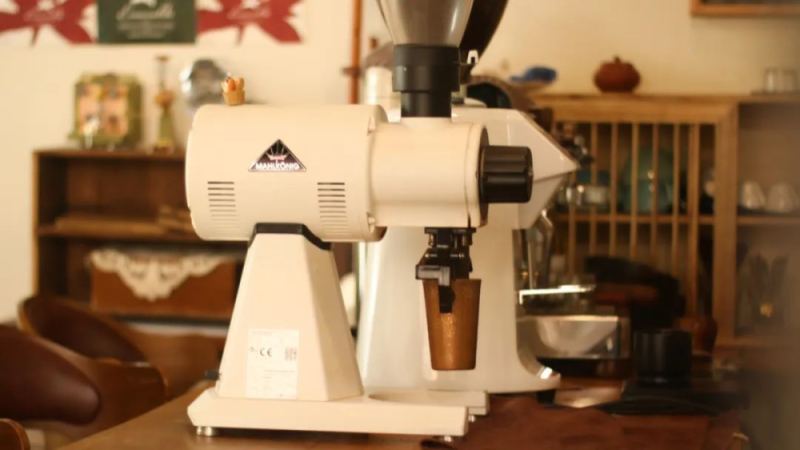
How should the coffee beans process work with an electric grinder?
Electric grinders give a more uniform, stable grind and remove the physical effort of hand grinding: load the beans, press the switch, and the job is done. The detail that matters most is order of operation. Start the machine first, let the burrs reach a stable speed, and only then pour the coffee beans in.
Burrs need roughly 0.5 to 1 second to go from stationary to steady speed. If beans sit in the chamber beforehand, they lodge in the gaps between the burrs and strain the motor at startup, so the grinder wears out far sooner than expected. Coffee bean preparation also covers two levels of cleaning, daily and periodic, which extends service life.
In the daily preparation of pour-over single-origin coffee, electric grinders are being chosen by more and more enthusiasts. Besides providing a more uniform and stable grind quality, they also save the physical effort of manual hand grinding—just load the beans into the hopper and press the switch to finish. However, there are many details to pay attention to when using an electric grinder, otherwise the machine will wear out much faster than expected. For example, the seemingly simple question of when to add the beans involves the key principle of burr protection. In addition, cleaning an electric grinder has two levels: daily and periodic. Only with good maintenance can its service life be effectively extended. This article addresses these practical points one by one to help you become more adept at grinding single-origin coffee beans.
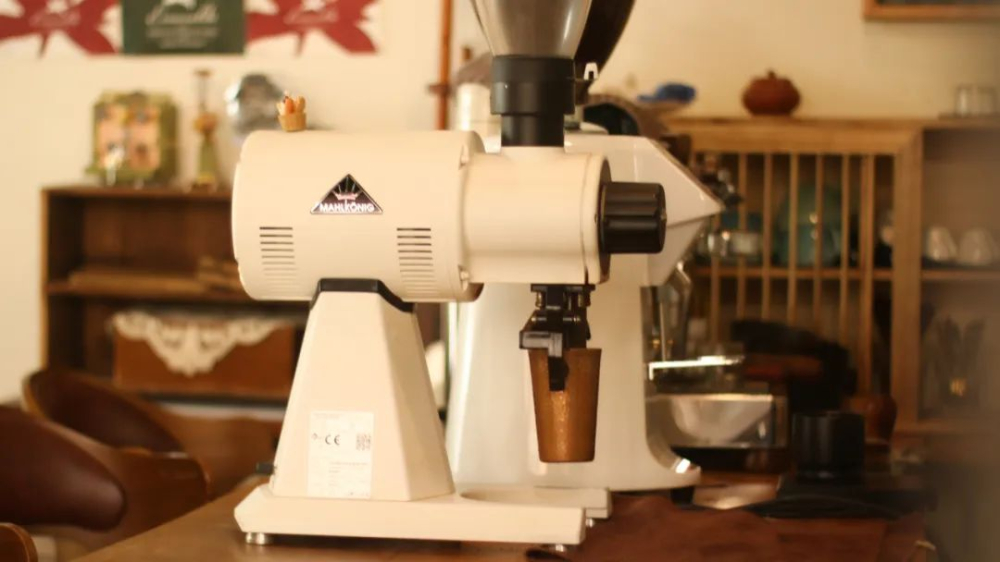
In addition, there is another consideration in choosing an electric grinder: not only to keep the grind quality stable, but also to save the energy consumed by manual hand grinding. Operating it is very simple—just confirm the bean inlet and the ground coffee outlet, then load the beans and turn it on to complete grinding. However, in actual use there are still some easily overlooked aspects to watch out for, because with a little carelessness, the grinder will wear out much faster than expected.
For example, a friend who came to the shop recently asked a question: "Why do you always start the machine first, and then pour the beans in? Wouldn't it grind just the same the other way around?" This is a great question! Because this is exactly a crucial detail in using an electric grinder.
Why should you start the grinder first and then add the beans?
This point is mainly reflected in the operation of single-origin coffee grinders. If the order is reversed—adding the beans first and then turning on the machine to grind—the burrs are more likely to be damaged.
Any machine needs a process from startup to reaching its target speed, just as a car cannot instantly reach its intended speed when starting and accelerating. The same principle applies to electric grinders, even if this process lasts only a brief second.
When we press the start button, it takes about 0.5 to 1 second for the burrs to go from stationary to a stable speed. If coffee beans have already been put in before this, the beans will get stuck in the gaps between the burrs, adding extra resistance to the startup process, and this resistance ultimately acts on the burrs.
At first, because the power is ample and the burrs are sharp, there will be no obvious effect. But as the number of uses and time accumulate, the problems caused by burr wear will gradually become apparent. Once it encounters beans with relatively high hardness, the grinder may jam or even shut down. Such failures mostly occur in small household electric grinders with weaker power and lower speed.

Therefore, Front Street recommends that friends who use electric grinders, when preparing to grind coffee beans, first let the machine run, and after the grinder enters a stable working state, then add the beans for grinding. This helps reduce burr wear and lowers the probability of malfunctions.
Periodic cleaning is equally important
Just like the coffee machine maintenance discussed yesterday, cleaning the grinder is also quite crucial. Proper cleaning and maintenance is the best way to extend its service life. But an electric grinder, unlike a hand grinder, cannot be easily disassembled for detailed cleaning, so we can divide grinder cleaning into two levels: daily and periodic. Usually you only need to do simple cleaning, and carry out a thorough deep clean at intervals.
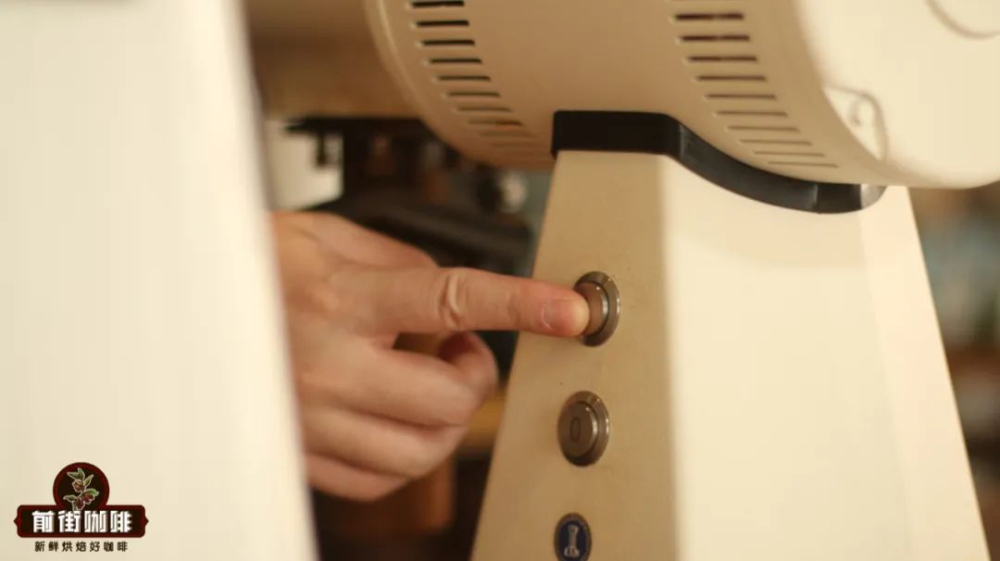
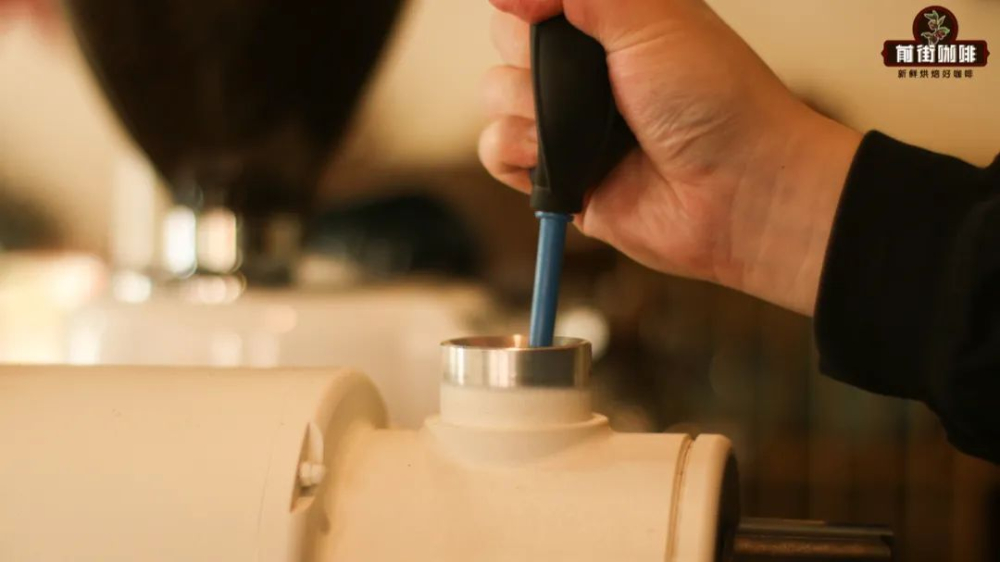
Daily cleaning: After each use, you can use an air blower to blow air into the bean inlet and the ground coffee outlet of the grinder. Since a certain amount of coffee powder will inevitably remain in the dead corners of the grinding chamber (this is precisely why the grinder must be "seasoned" with a little coffee before each use), blowing air is meant to expel these residual particles from the chamber.
But be sure to pay attention to safety during operation. It is best to disconnect the power first, or confirm that the grinder is not running before cleaning.
Periodic cleaning: Air blowing can only remove coffee particles left in the chamber that are not sticky, while those sticky particles and oils cannot be removed by air blowing. This requires disassembling the machine for a deep clean.
The specific disassembly steps need to be obtained by consulting the customer service of that electric grinder brand, or by following the instruction manual. After disassembling the grinder, take out the burrs and rinse them with clean water, then wipe them dry immediately. At the same time, use a clean cloth to wipe the other corners inside the grinding chamber, and finally reassemble it.
If your hands-on ability is not strong enough, there is no need to worry—grinders also have dedicated cleaning tablets similar to those for coffee machines. The specific method is to grind the cleaning tablets directly as if they were coffee beans. During grinding, they will carry out the substances remaining in the burrs along with them. The cleaning frequency can be maintained at once every one to two months.
Front Street Coffee
No. 10, Bao'an Qian Street, Yandun Road, Dongshankou, Yuexiu District, Guangzhou, Guangdong Province
The above content is compiled by CoffeeHunters, a coffee news website.


