







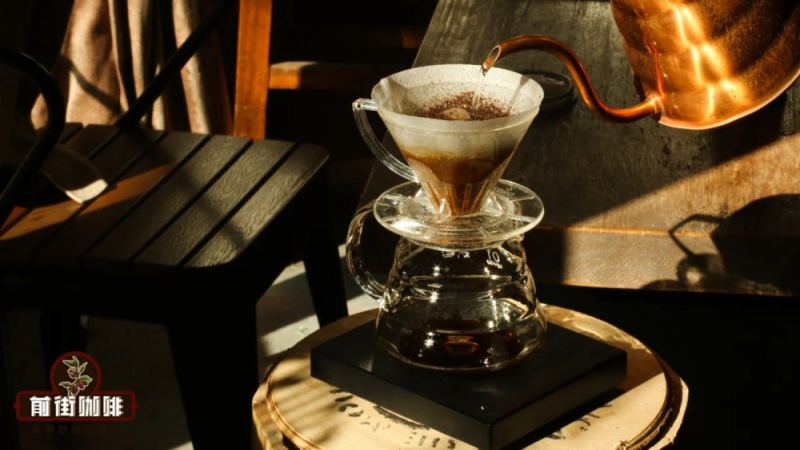
Can coffee grounds be eaten, and why does home brewing fall short?
Coffee grounds can be eaten directly, but they are gritty, intensely bitter, and offer little of the aroma that makes a brewed cup enjoyable, so eating them is not a substitute for drinking coffee. The more common problem is brewing: weak body, sharp acidity, harsh bitterness, and a thin aroma usually trace back to equipment, grind, extraction, or bean freshness rather than the beans alone.
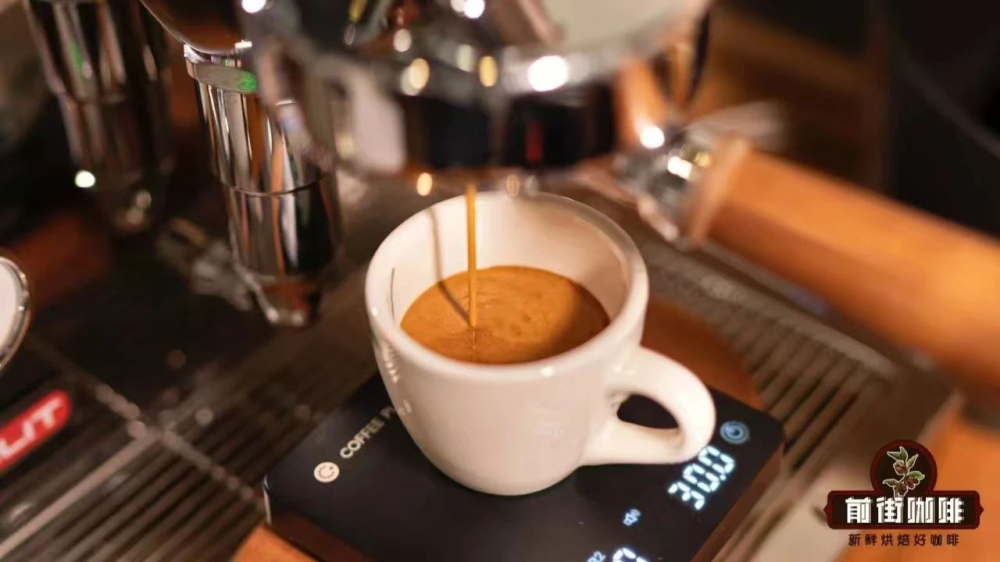
Espresso exposes these faults fastest because high pressure and short contact time leave no room to hide. A machine that has gone without maintenance accumulates coffee oils and scale, which distort flow and temperature. Checking grind size first, then dose, then water temperature, gives a practical order for fixing a cup with weak aroma.
Have you ever encountered this problem: trying repeatedly to brew coffee at home, switching machines, beans, and water, yet still unable to replicate the rich aroma of a café? Can coffee grounds be eaten directly? Why does the coffee I brew myself never taste good? From the perspective of Front Street, this article systematically sorts out the common causes of poor coffee flavor—from equipment maintenance, grinder use, and extraction control, to coffee bean quality, roast level, and freshness—and further shares key points for tasting filter coffee, including temperature changes, the choice of adding sugar, sensory application, aroma layers, body, and flavor details. Whether you are a beginner just starting out or an enthusiast hoping to refine your skills, you can find practical directions for adjustment here.
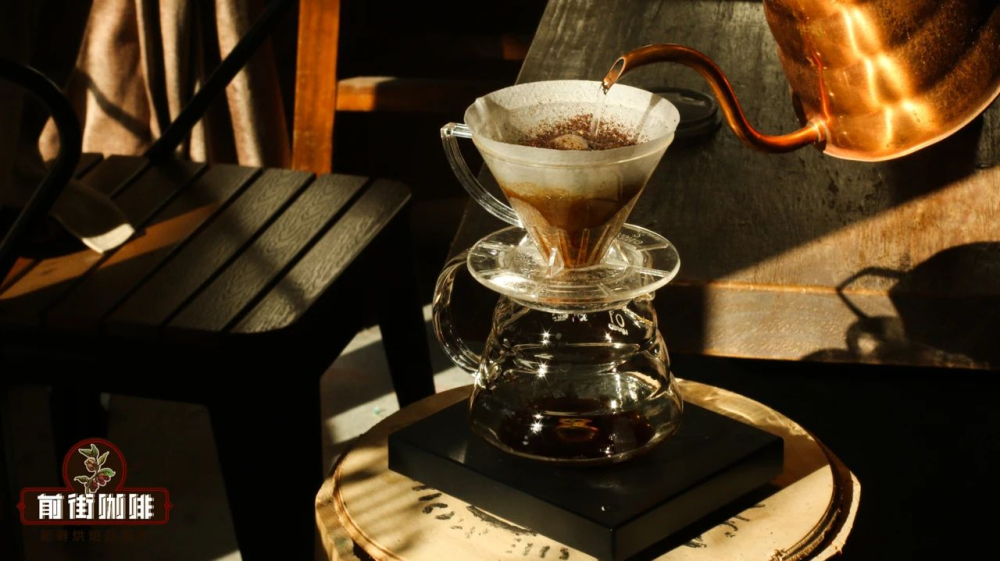
How Coffee Ground Coarseness Affects Taste – Common Grind Size Chart
"I've been trying to make espresso at home for several months now. The coffee machine, coffee beans, water... I've changed everything I could, but it just doesn't work! The coffee I make is completely different from what I drink in cafés—the aroma and body are far inferior..."
Do you have similar troubles? Don't worry—bad coffee isn't destined to happen! This time, Front Street will talk about why coffee gets brewed badly, and how to adjust and solve it.
For people new to coffee, besides noticing that something tastes off, it is often hard to describe exactly what went wrong. A failed espresso usually lacks body, leaves an overly bitter taste and sharp acidity on the palate, feels dry and rough, and has weak or even nonexistent aroma—let alone a lingering finish...
There is no gray area in coffee quality, especially for espresso. Think about it: it extracts the purest ingredients into an essence using high temperature and high pressure in a short time! But this brewing method also has its weaknesses—there are simply too many variables. To minimize interference from brewing conditions, the following points deserve special attention:
Using an espresso machine that has long lacked maintenance, is in disrepair, or is inherently inadequate
Although espresso machines are becoming more and more common nowadays, not every machine is in good condition. A good machine also depends on a good maintenance routine, especially avoiding coffee oils adhering to internal parts, and preventing scale buildup in the pipes.
Not using a grinder
Coffee beans and ground coffee are very different: opened coffee beans can still retain their flavor for a few days; but once coffee grounds contact air, oxidation is extremely fast, and the aroma can dissipate within just a few minutes. Oxidized coffee grounds absolutely cannot make good coffee, so a grinder and an espresso machine are both indispensable. The grinder mentioned here more accurately refers to a burr grinder with burrs, which can freshly grind fine coffee powder for brewing our favorite espresso.
Using a grinder that is unmaintained or in poor condition
During repeated grinding, the burr blades tend to wear down and also accumulate coffee oils (cafestol). Over time, even freshly ground beans will produce coffee with a rancid oil smell. Maintaining the grinder regularly is just as important as maintaining the coffee machine.
Failing to accurately control the extraction rate
In the process of high-pressure coffee extraction, every condition has precise standards and must be carefully and strictly followed. Every adjustment step for a barista is an effort to perfectly interpret the art of espresso. This requires skilled operational experience, plus a few failures, to better master the brewing conditions of espresso.
Poor coffee bean quality
If coffee trees are planted on land with poor terroir and lack careful care, the harvested beans will naturally be hard to impress; being able to barely brew a cup of balanced coffee would already be considered good. It is recommended to choose high-quality coffee beans, and consult a barista if necessary.
Improper coffee bean roasting
Raw coffee beans are roasted at high temperatures, a process called "roasting." If the roast level is insufficient, espresso will taste flat and acidic; if over-roasted, the brewed coffee will taste bitter.
Coffee beans not fresh or too fresh
After coffee beans are roasted and sealed, their aroma and texture can be preserved for several months, but storing them too long will still produce a rancid oil smell. Freshly roasted coffee beans are not suitable for immediate brewing, because during roasting the beans release carbon dioxide, which may form large bubbles during extraction. It is best to wait about a week until the beans have finished "degassing"; then the espresso brewed will not only taste better but also have less metallic flavor.
Also, do you know how to brew a good cup of filter coffee? Or, how should you savor it when drinking? Like espresso, filter coffee is also worth careful tasting and scoring according to indicators. For a long time, filter coffee was regarded as lower-grade coffee, but now it has regained attention, which can be seen as a kind of vindication. Filter coffee is more approachable than espresso in both hand-brewing techniques and equipment prices. However, certain methods still need to be followed to brew filter coffee that stands up to careful tasting.
Temperature
Delicious filter coffee reveals different tastes as the temperature changes. At 70°C or above: the water temperature is high, the aroma has not fully been released, and only part of the fragrance can be smelled. At 60°C: the coffee's acidity and fruity notes gradually emerge. At 40°C: a refreshing finish lingers fragrantly in the mouth. At 25°C: if it is an excellent coffee, it still tastes good even when cold.
Sugar or no sugar?
Properly brewed filter coffee reveals noble and delicate layers, so no sugar is needed; on the contrary, if the filter coffee is poor quality or badly brewed, tasting bitter and hard to drink with insufficient mouthfeel, adding a little sugar can instead neutralize the overall taste and make the flavor more balanced.
Using the senses
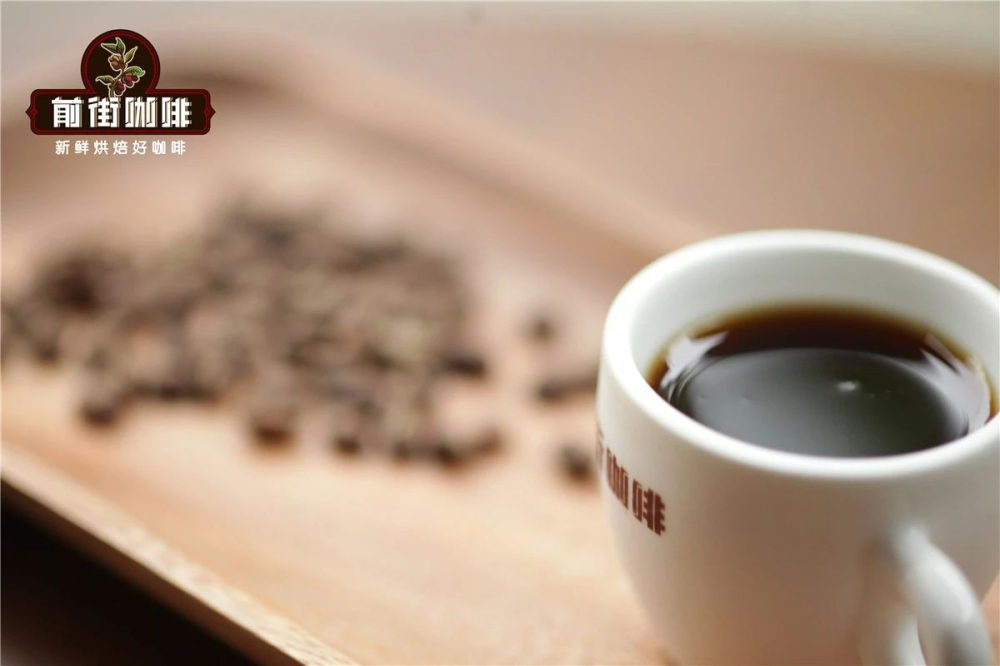
Observe the color. Compared with espresso, the quality and type of cup have little effect on tasting filter coffee. Using a glass or transparent mug allows you to observe the coffee's color, and from the color you can also judge the roast level of the coffee beans.
Dark-roasted coffee beans: the brewed coffee is dark in color, a deep brown close to black.
Light-roasted coffee beans: the brewed coffee has a ring of light brown close to red.
Smell the aroma
Filter coffee should give off a pleasant aroma, with fruity, floral, or nutty notes; if you smell other kinds of odors, they are mostly not good smells.
Taste the flavor
Among the five tastes, the one that best represents filter coffee is acidity. Refreshing acidity brings a fresh mouthfeel, and together with fruity notes, it makes the coffee layered. But if the coffee's natural acidity is too strong, it can also become unpleasant (quinic acid can give coffee astringency and a nauseating acetic acid taste, etc.).
Aroma
The aroma range of filter coffee is broader than that of espresso, and can be divided into the following major types: floral, fruity, herbal, nutty, caramel, chocolate, medicinal plant, spice, and tobacco. The coffee aroma sensed retronasally from inside the mouth (wet aroma), plus the aroma smelled directly through the nose (dry aroma), makes the coffee aroma more complete, but what is smelled before and behind the nose is not necessarily consistent (just like with espresso).
Body
Espresso is ten times more "concentrated" than filter coffee*, so the comparative concept of body is also very different. The body of filter coffee comes from insoluble substances that remain suspended in the coffee liquid after brewing with water (sediment and oils), giving the coffee thickness. Body refers to the tactile sensation when coffee contacts the tongue, and can be smooth, heavy, thick, flat, thin, or even as light as water; and regardless of whether the mouthfeel is strong or not, coffee should feel pleasant when it enters the mouth.
Flavor
Filter coffee is not as intense and viscous as espresso, as can be seen from its appearance. Its characteristic is delicacy and refinement, with appropriate acidity, just-right body, and moreover a striking aroma, leaving a lingering finish between the lips and teeth. Tasting filter coffee is like a slow, long journey, where the endless beautiful scenery along the way hides charming details of every kind, deeply fascinating.
After reading the above little knowledge about tasting and brewing coffee, I believe that starting today, you will be able to better understand this delicious drink in your hands!
The above content is compiled by CoffeeHunters, a coffee news website.


