







Search Results for: coffee extraction uniformity
Five Practical Methods to Improve Espresso Extraction Uniformity and an Analysis of Flavor Differences
Under the same extraction yield, the level of uniformity leads to drastically different flavor directions—when uniform, the cup is balanced and solid with a long finish; when uneven, it is layered and clearly structured. Most drip coffee extractions naturally have differences between the upper and lower layers and between the inner and outer layers, which has led many coffee enthusiasts to explore how to make espresso extraction more uniform. From the perspective of Front Street, this article outlines five actionable improvement approaches: placing filter paper at the bottom of the portafilter basket, switching to a high-density basket, low-pressure pre-infusion, reducing the dose to thin the coffee bed, and adjusting the brew ratio to increase liquid weight. Through a comparative experiment with Front Street Espresso Strawberry Candy, it presents the specific differences in flavor expression between the two extraction styles. [more…]
What is the purpose of blooming in pour-over coffee? How can beginners use the well method to improve bloom evenness?
Blooming is an indispensable key step in pour-over coffee, directly affecting the completeness and uniformity of subsequent extraction. Front Street Coffee has confirmed through comparative experiments that the extraction yield of coffee using blooming is significantly higher than versions that skip it. However, blooming is not as simple as "pouring water and waiting for bubbles"—blooming time, water amount, and wetting uniformity all influence the final quality. For beginners who are not yet skilled at water control, uneven wetting of the coffee bed often occurs in conical drippers. In this case, a simple and easy "digging a hole" method can significantly improve the degassing effect. Based on Front Street Coffee's practical experience, this article breaks down in detail the specific steps, applicable scenarios, and precautions of the hole-digging operation, helping beginners stably achieve more uniform extraction results even without proficient technique. [more…]

Should You Swirl the Carafe After Brewing Pour-Over Coffee? Analyzing the Real Impact of Swirling on Flavor Uniformity, Cooling, and Aroma Release
Many coffee enthusiasts, after brewing pour-over coffee, notice baristas habitually swirling the sharing pitcher, yet are unclear about what this step actually does. This article focuses on this detail when brewing single-origin coffee, explaining why swirling the coffee liquid makes the taste and concentration more uniform, how it speeds up cooling, and how it promotes the release of aroma. Starting from the proportion of soluble coffee substances and the stratification phenomenon of liquids with different concentrations, combined with Front Street's comparative experiments, the article explains the differences between swirling and not swirling in terms of concentration, temperature, and flavor performance, and offers operational suggestions for different drinking scenarios. [more…]
Should Fine Particles in Pour-Over Coffee Be Sifted Out? A Comprehensive Analysis of Their Causes, Roles, and When to Deal With Them
In the practice of pour-over coffee, fines are often seen as the culprit behind clogging and bitterness, and many people have thus developed the habit of always sifting out fines before brewing. But do fines really only have negative effects? From the perspective of Front Street, this article systematically sorts out the definition of fines, their generation mechanisms, and their actual contribution to flavor, explaining why in most cases it is unnecessary to completely sift out fines, and under what conditions sifting should really be considered. At the same time, the article also explores the relationship between coffee bean brittleness, grinder quality, and the amount of fines, helping readers build a more complete understanding of extraction. [more…]
Tanzanian Kilimanjaro coffee beans: plump and uniform, with both sweet and tart flavors—a complete analysis from green bean composition to brewing methods
Front Street Kilimanjaro coffee is known for its large, uniform beans and grayish-green color, with bright acidity accompanied by a pleasant sweet aroma, and its overall flavor performance is quite outstanding. At a medium roast it shows a clean sweetness and soft acidity, while at a dark roast it shifts toward a warm, mellow bitterness, so it is often used to make blended beans. This article will start with the differences in composition between green beans and roasted beans, then introduce the suitability of Front Street Kilimanjaro coffee in single-origin and specialty coffee drinks, and finally outline the characteristics of the three mainstream brewing methods—drip, infusion, and high-pressure—to help coffee lovers more fully understand this bean's flavor potential and ways to use it. [more…]
From Grinding to Temperature Control: Systematically Master the Seven Core Elements of Stable Espresso Extraction
To consistently make a delicious Espresso at home or in a shop, relying on feel alone is far from enough—you need to understand and control several key variables. This article breaks down the hardware and operational points that affect espresso quality one by one, from grind uniformity, fixed dose, and tamping technique, to brewing pressure, water temperature, extraction yield, and machine materials. Whether you use a flat burr or conical burr grinder, a vibration pump or rotary pump, you can find practical adjustment ideas here. The article also shares Front Street Coffee's practical suggestions on equipment selection and parameter settings, helping coffee enthusiasts avoid detours and make every shot of espresso closer to the ideal state. [more…]

Analyzing the Causes of Deep Craters in Pour-Over Coffee Beds: Three Key Conditions from Density and Pouring to Uniformity
Many enthusiasts, after finishing a brew, will see a uniform and deep bowl-shaped coffee bed left in the dripper, and wonder how this state is formed. Front Street Coffee also often encounters similar questions in daily brewing. In fact, the final shape of the coffee bed cannot directly determine whether a cup of coffee tastes good, but it does reflect some operational details during the brewing process. This article will explain how to brew a deep-pit coffee bed from three aspects: coffee bean density, pouring method, and pouring uniformity, and will also explain why light-roasted high-density beans often find it difficult to form a deep pit. If you also want to understand the principles behind the coffee bed, as well as brewing suggestions for beans such as Front Street Ethiopia·ALO and Front Street Yirgacheffe·Guddingding, please read on. [more…]
Master the Five Key Elements to Precisely Control the Extraction Process and Brew Coffee with Ideal Flavor
To craft a truly satisfying cup of coffee, scattered tips alone are far from enough—you need to start from the essence of extraction and understand the variables that influence flavor. This article centers on five core elements: freshness, grind, water quality, water temperature, and brewing technique, analyzing the dissolution patterns of different substances in coffee beans to help you make more precise judgments while brewing. It also explains how grinder choice, grind uniformity, and gentle pouring affect the final quality, bringing every brew closer to the ideal state. [more…]
How Fine Should You Grind for Pour-Over Coffee? A Full Breakdown of Hand Grinder vs. Electric Grinder Differences
Among the many variables in pour-over coffee, grind size is a key link that determines the direction of extraction. Particle size directly affects the contact area between water and coffee grounds, which in turn influences flavor expression: too coarse leads to under-extraction, while too fine may cause over-extraction and bitterness. However, many beginners often fall into pitfalls when adjusting the grind—memorizing settings, making drastic grind adjustments, and ignoring uniformity. This article will start from the basic principles of grinding, analyze these common problems one by one, and with the help of Front Street · Little Tomato's comparative test, demonstrate the actual differences between electric grinders and hand grinders in particle distribution and flavor presentation, and finally provide purchasing advice for entry-level equipment to help coffee enthusiasts establish a scientific approach to grind adjustment. [more…]
A Complete Analysis of Mahlkönig EK43 Models: Differences from Ditting Horizontal Burrs and Grinding Performance Comparison
As the "legendary machine" in the specialty coffee world, the Mahlkonig EK43 has long since risen from a single-origin grinder to a standard fixture in espresso cafés, thanks to its outstanding grind uniformity and extraction performance. From early experiments at Café Myriade in Montreal in 2009 to Matt Perger's endorsement on the world competition stage in 2013, the EK43 was gradually elevated to iconic status. Meanwhile, Ditting, another "high-end grinder," is often compared with the EK43, with each having its own strengths in burr layout and flavor profile. This article reviews the grind settings and structural differences among the EK43 series versions (EK43S, EK43T, EK43, EKK43), traces its rise to fame, and compares the design features of Ditting's horizontal flat burrs. Combined with Matt Perger's particle experiment data, it analyzes why the EK43 can achieve more uniform extraction. Front Street Coffee will also share related product recommendations in this article. [more…]
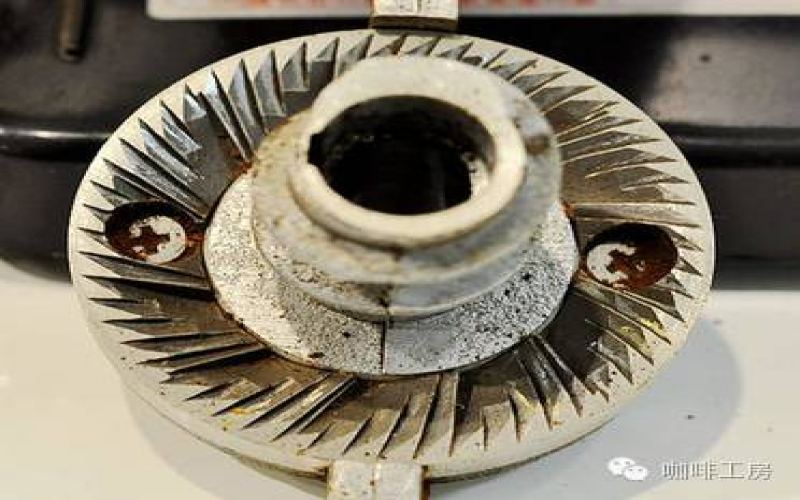
Coffee Grinder Buying Guide: How to Choose Between Flat Burrs, Conical Burrs, and Ghost Teeth, Plus a Full Analysis of Common Models' Grind Settings and Extraction
Faced with the dazzling array of coffee grinders on the market, many coffee enthusiasts find themselves paralyzed by choice. In truth, the coffee world has never had a single standard—different burr sets each have their strengths and weaknesses. Starting from burr types, this article takes a deep dive into the structural differences between flat burrs, conical burrs, and ghost-tooth burrs, along with their real-world impact on particle shape, extraction results, and final flavor. It also includes practical grind-setting parameters for commonly used models such as the Fuji Royal, Feiying, and Zheng Huang Hang, helping you find a grinding approach that suits your brewing method and taste preferences. [more…]
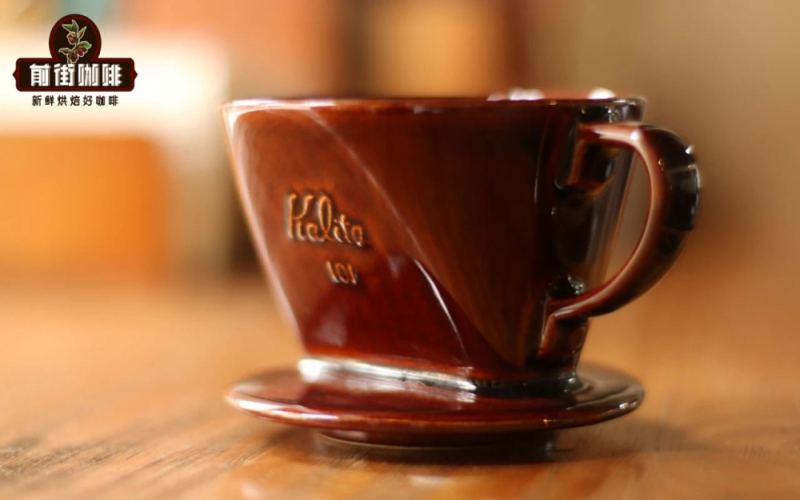
Conical vs. Flat-Bottom Dripper Showdown: Extraction Differences and Brewing Essentials of the Hario V60 and Kalita Wave
In the third wave of specialty coffee, pour-over coffee has become the top choice for many enthusiasts thanks to its clean cup profile and its ability to showcase origin flavors. As the core piece of equipment, the dripper's shape design directly affects the extraction path—conical drippers represented by the Hario V60 emphasize layers and fruit acidity, while the flat-bottom dripper pioneered by the Kalita Wave focuses on balance and sweetness. Front Street Coffee commonly uses the V60 in its daily production. This article will systematically compare the extraction logic of the two drippers from the perspectives of pouring uniformity, coffee bed depth, rib structure, and drain hole design, and will include three-pour brewing parameters for the flat-bottom dripper to help you find a clearer direction in equipment selection and technique adjustment. [more…]
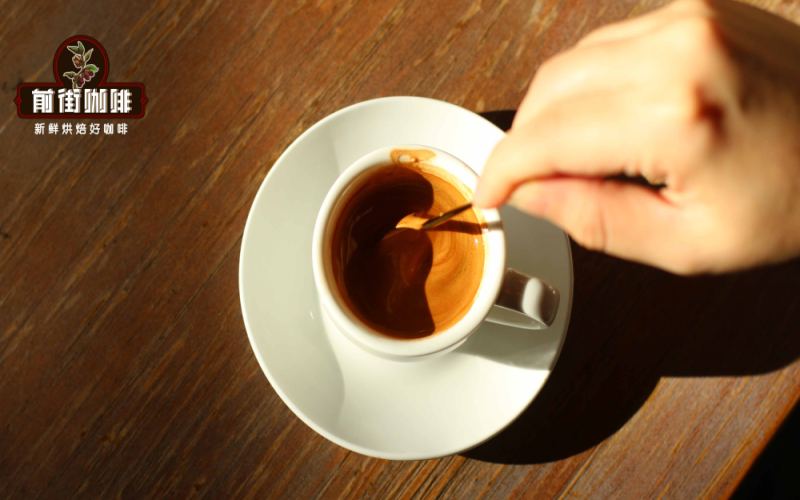
How Much Pressure Should You Use When Tamping Espresso? An Analysis of How Distribution and Tamping Affect Extraction Consistency
Making a proper espresso seems simple when it comes to tamping, yet it is a key step that affects extraction evenness and consistency in the cup. A flow that is too fast often indicates the tamp was too light, while a flow that is too slow may mean the tamp was too heavy—both directly alter the flavor trajectory of the coffee. Drawing on Front Street Coffee’s hands-on experience, this article outlines the core purpose of tamping, the difference between distribution and tamping, whether a distribution tool is essential, and details such as tamper selection, tamping posture, and pressure control. It also incorporates a comparative experiment with Front Street Coffee’s Sunflower Warm Sun blend to help coffee enthusiasts understand how standardized technique can reduce channeling and make espresso extraction more consistent. [more…]
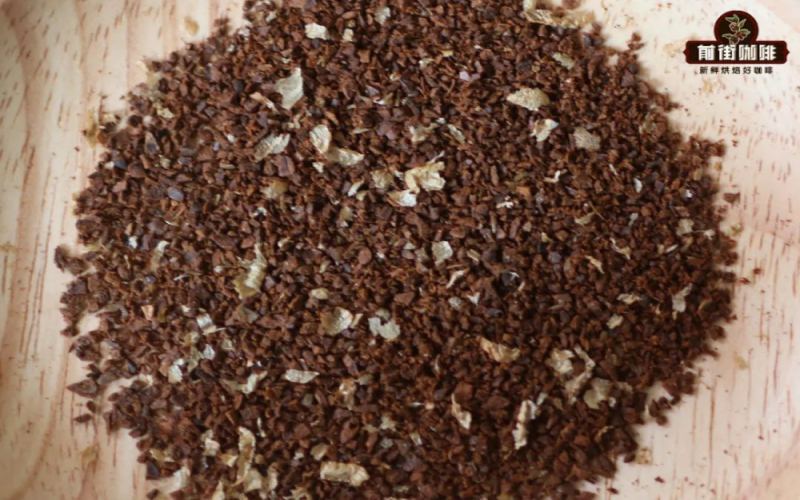
Should Fine Particles Be Sifted Out of Pour-Over Coffee? An Analysis of How Grind Uniformity Actually Affects Extraction
When encountering slow drainage and muddy flavors during pour-over coffee brewing, many people's first reaction is to blame the fines, so they buy a sieve to try to solve it. But after sifting out the fines, the clogging does improve, yet the taste becomes flat and dull—why exactly is that? What role do fines actually play in extraction? Starting from a real confusion shared by a friend with Front Street Coffee, this article discusses the dual nature of fines, the actual effect of sieves, and the reasonable direction for choosing pour-over grind size, helping you clarify the balance between grind and flavor. [more…]
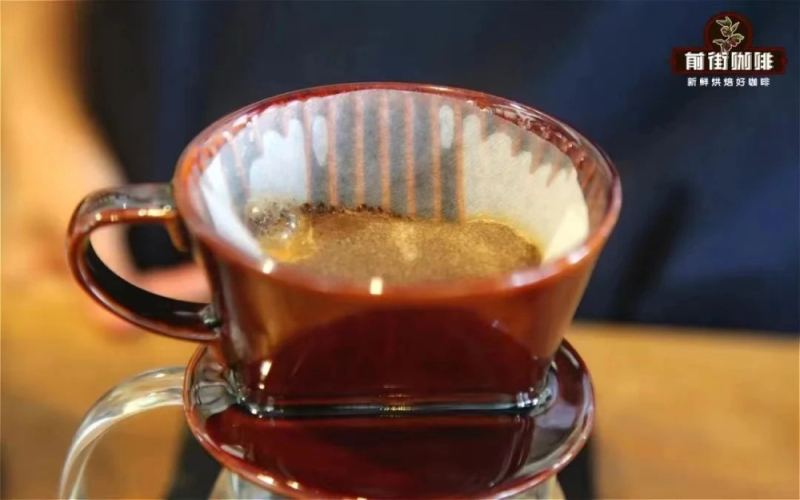
A Detailed Guide to Cake Dripper Brewing Techniques: Extraction Characteristics and Key Points for Using Flat-Bottom Pour-Over Drippers
In the world of pour-over coffee, even extraction has always been the core goal pursued by brewers. Whether choosing equipment or adjusting technique, everything ultimately revolves around giving each coffee particle a relatively consistent extraction. Front Street Coffee has discussed many times why conical drippers have become mainstream, and one key factor is the uniformity of pouring. Today, however, we introduce the cake dripper, a representative of flat-bottom drippers, which has a unique design logic for even extraction. What exactly are its differences from conical drippers? How do the bottom structure and rib design affect water flow? What usage characteristics does the way cake filters fit bring? This article, from Front Street's perspective, systematically analyzes the brewing characteristics of the cake dripper to help coffee enthusiasts gain a deeper understanding of this device's pros, cons, and suitable scenarios. [more…]
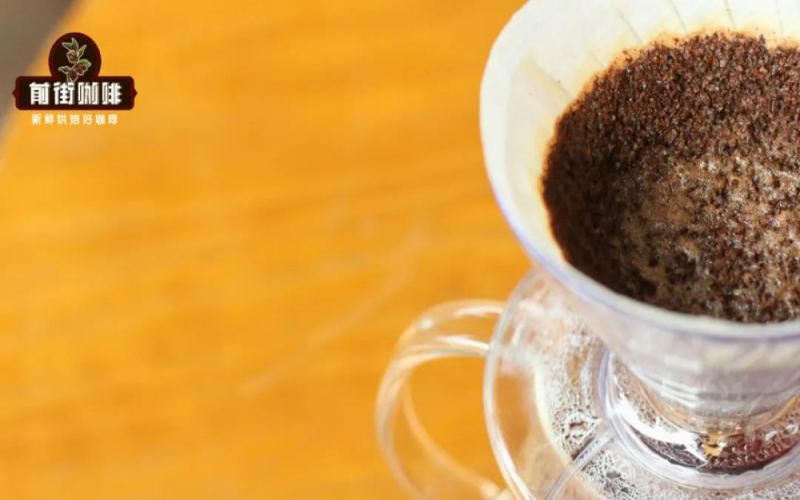
Why Does the Pour-Over Coffee Bed Crack into Two Segments? An Analysis of How Pouring Force and Spiral Pouring Technique Affect Extraction Uniformity
The shape of the coffee bed after a pour-over often reveals whether the pouring technique was appropriate. Some beginners find that after brewing, the coffee wall breaks into two sections, with a thin ring of coffee grounds in the middle dotted with small bubbles, some grounds sinking to the bottom, and the coffee tasting less than ideal. This usually happens because the water flow was too forceful during the final pour, breaking through the coffee wall built up earlier, so hot water runs straight down along the filter paper's ribs, creating channeling and causing uneven extraction. In addition, too wide a pouring circle can also let the water level rise above the coffee wall, leading to under-extraction and bitterness. This article will analyze the causes of these two types of coffee beds and, drawing on Front Street Coffee's usual three-stage method, explain how to master the basics of flow control by managing pouring height and circle size, so that the coffee grounds release their flavors evenly. [more…]
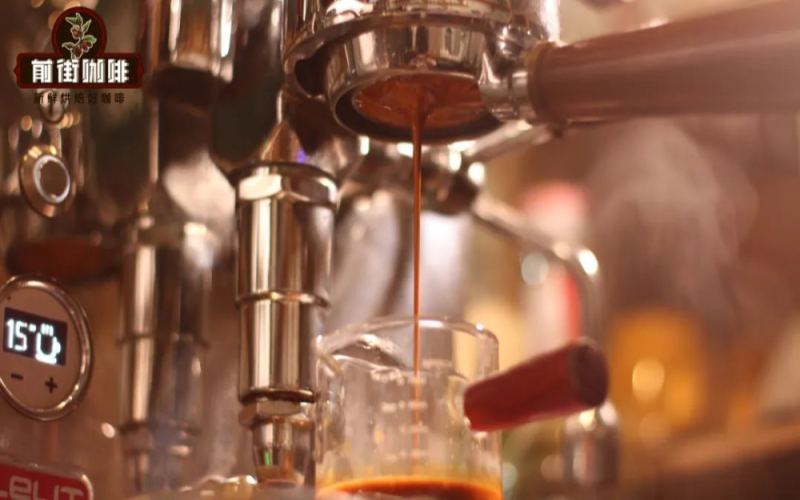
Analysis of Three Major Causes of Abnormal Espresso Flow Rate: Grind Retention Differences, Burr Temperature Rise Effects, and Boiler Load Issues
Same beans, same grind setting and dose—so why does the espresso extraction time keep swinging between fast and slow? Many coffee lovers have run into this puzzle. Drawing on Front Street Coffee's hands-on experience, this article systematically breaks down three common causes of extraction differences: the grind discrepancy between tamping and not tamping, the temperature rise effect after the burrs run continuously, and the load problem when the espresso machine's boiler is extracting and steaming milk at the same time. Understanding these variables will help you control extraction stability more precisely in your daily brewing. [more…]
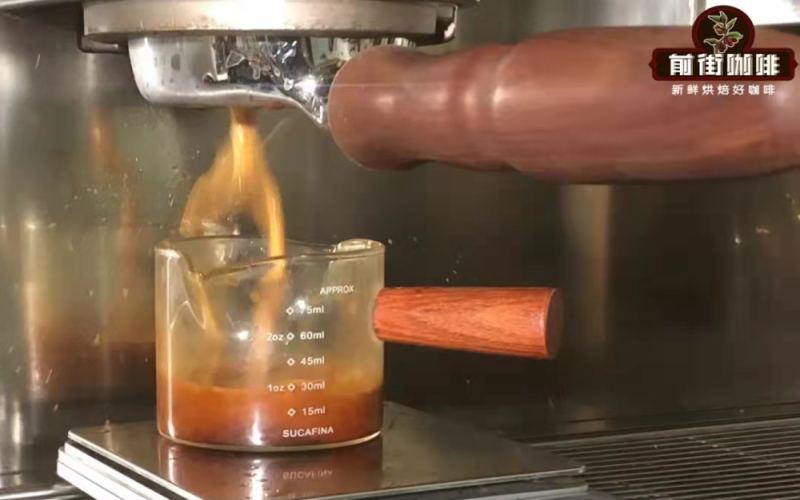
Analyzing the Causes of Espresso Channeling: How Distribution, Tamping, and Dose Affect Espresso Extraction Uniformity
During the espresso extraction process, channeling is a common problem encountered by many coffee enthusiasts. When the internal structure of the coffee puck is uneven, pressurized hot water will preferentially pass through the areas of least resistance, forming perforations and spurts, which leads to uneven extraction and imbalanced flavor. This article will systematically review the causes of channeling and approaches to address it from the perspectives of distribution and tamping techniques, dose control, grind size adjustment, and dispersion screen cleaning, helping you more accurately identify the source of the problem when using a bottomless portafilter or a spouted portafilter, and improve the extraction stability and taste performance of your espresso. [more…]
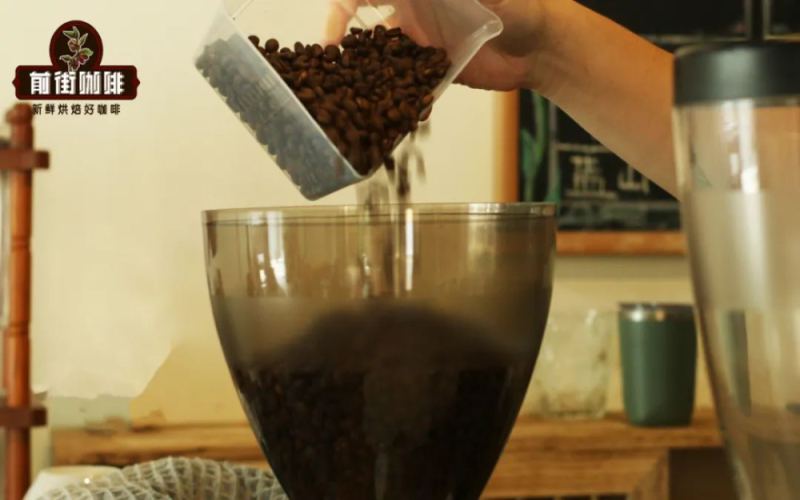
Analysis of the Impact of Espresso Grinder Hopper Bean Level on Espresso Extraction
In espresso preparation, baristas often require the bean hopper to be kept nearly full, but what principle lies behind this? How do changes in hopper pressure affect the uniformity of coffee grinding, and in turn alter the flavor expression of espresso? Starting from the internal structure of the grinder, this article explains the mechanism by which hopper pressure forms and its impact on extraction, and, combined with comparative experiments by Front Street Coffee, presents the actual differences in espresso between a full hopper and a less-than-full hopper. For home users who do not pull shots continuously, is it also necessary to pay attention to this detail? Read the full article, and you will get a clear answer. [more…]
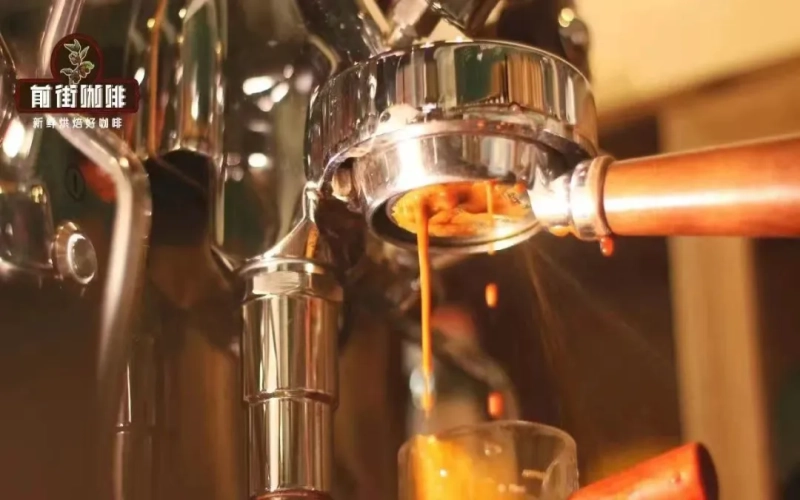
Espresso Coffee Distribution and Tamping Techniques: How to Avoid Channeling and Improve Extraction Uniformity
In the making of espresso, although distribution is just a simple step, it directly affects whether the extraction is even. Many coffee enthusiasts find that the puck surface looks level, yet during extraction channeling occurs frequently, with coffee liquid spraying everywhere. The key reason behind this often lies in the uneven distribution of coffee grounds inside the basket, rather than the flatness of the surface. Using its commercial espresso blend beans as an example, Front Street Coffee explains in detail the correct methods of distribution and tamping, including the choice of how to catch the grounds, the technique of smoothing with a finger, and the points to note when tapping the portafilter, helping everyone start from the details to reduce channeling and improve the extraction quality of espresso. [more…]