








What Swirling the Carafe Does After Brewing Hand Poured Coffee
Swirling the carafe after brewing hand poured coffee mixes liquids of different concentrations that separate during the pour. The result is a more even flavor and strength across the cup. It also speeds cooling to a drinkable temperature and helps aroma compounds escape the liquid, so the coffee smells and tastes more expressive from the first sip.
Only about 30 percent of a coffee bean's weight is soluble, so the liquid dripping from the cone gets lighter and less concentrated as extraction continues. Front Street Coffee's comparison found swirled coffee scored higher on flavor and strength than unswirled coffee. Swirl gently and briefly; the goal is mixing, not aeration.
Many coffee lovers notice that after brewing a pour-over coffee, the barista habitually swirls the sharing pot, yet they aren't quite sure what this step actually does. This article focuses on this small detail when brewing single-origin coffee, explaining why swirling the coffee liquid makes the flavor and strength more uniform, how it speeds up cooling, and how it encourages aroma volatilization. Starting from the proportion of soluble coffee solids and the stratification of liquids at different concentrations, and drawing on Front Street Coffee's comparative experiments, the article explains the differences between swirling and not swirling in terms of strength, temperature, and flavor expression, and offers operational advice for different drinking scenarios.
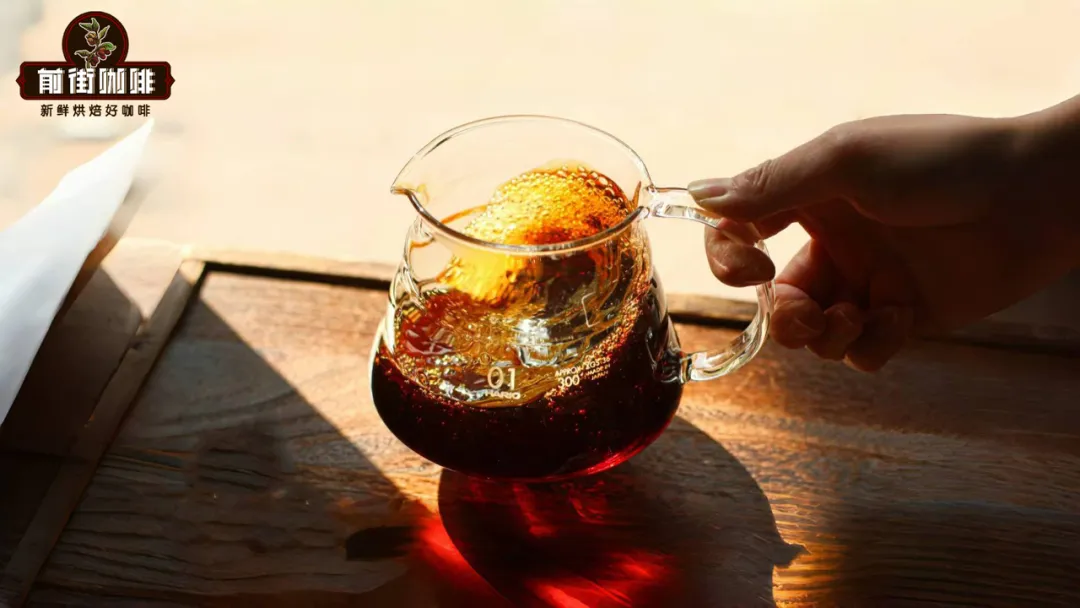
For this very reason, quite a few customer friends sitting across the bar began to wonder what this step at Front Street Coffee was really for, and the answer they got was almost always the same: "This makes the coffee's good flavors show themselves faster."
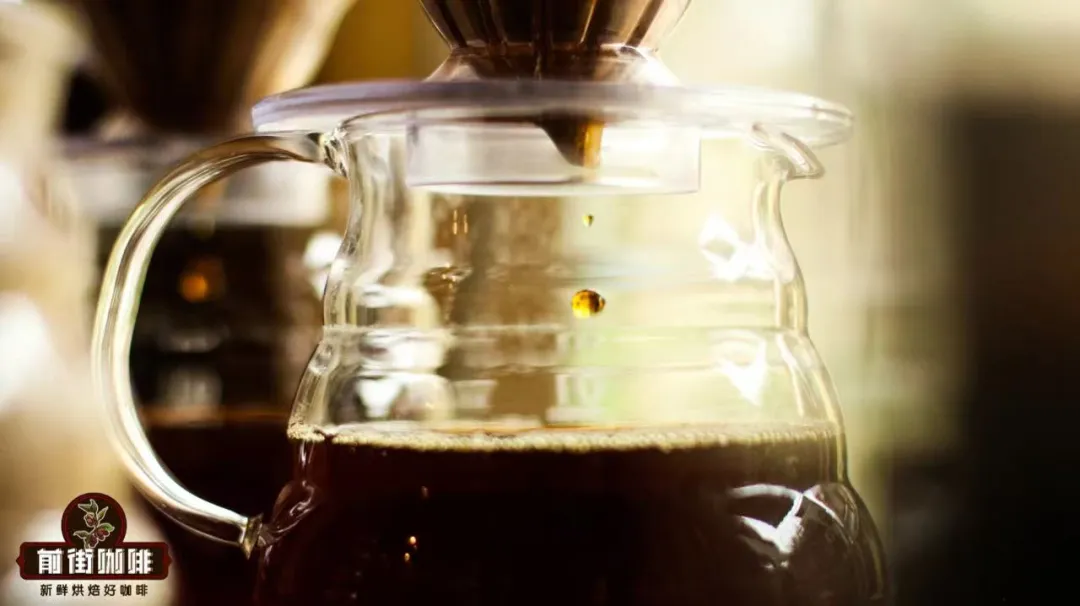
The purpose of swirling varies depending on the brewing method, but in most cases, Front Street Coffee swirls the coffee liquid to improve the coffee's overall consistency. Everyone knows that the essence of extraction is using water as a solvent to dissolve the flavor substances out of the coffee. As extraction continues, the amount of substances that can be dissolved out gradually decreases. If you watch the coffee liquid dripping from the filter cone, it shouldn't be hard to notice that its color gradually changes from an initial deep red to light brown, and its transparency goes from low to high. This precisely shows that fewer and fewer substances are being dissolved out.
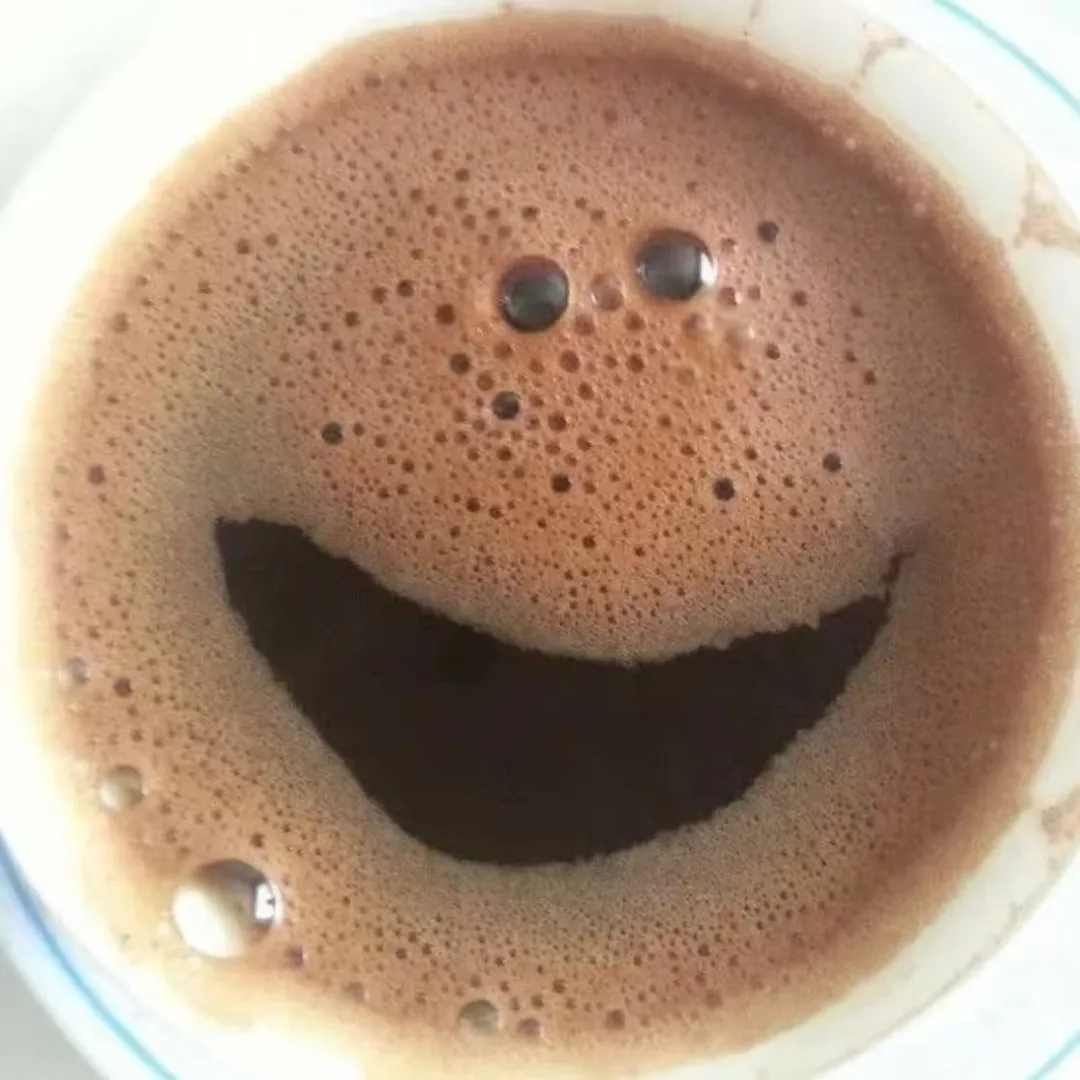
The root cause is that the soluble portion of coffee is limited, accounting for only 30% of its own weight. That's why water can dissolve out less and less—after all, there isn't much left to extract. So why is Front Street Coffee bringing this up? The reasoning is simple: coffee liquids of different concentrations do not immediately merge together once brewing ends. Front Street Coffee once conducted an experiment comparing the difference between coffee that was swirled after brewing and coffee that was not. The conclusion was that the swirled cup was noticeably higher than the unswirled cup in both flavor and strength.
The reason is that liquids of different concentrations form layers due to the concentration difference, and without convective disturbance, they merge with each other relatively slowly. Therefore, manually swirling the sharing pot to make the coffee liquid flow and create convection prompts the parts of different concentrations to mix quickly, making the coffee's flavor and strength more uniform. If, after brewing, you plan to pour all the liquid in the pot into another cup at once, then the swirling step can be skipped entirely. But if you want to divide the coffee in the sharing pot among several small cups, or pour it into a small cup in multiple batches to savor slowly, then it's best to swirl after brewing to improve the coffee's overall uniformity. Otherwise, the first cup poured will inevitably be lower in strength and taste insufficiently rich.
Besides making the flavor and strength more uniform, swirling has another function: speeding up the coffee's cooling. In the experiment mentioned above, Front Street Coffee also measured the coffee's temperature. The results showed that coffee swirled for 10 seconds was about 2°C lower than coffee that was not swirled. So if you want to drink coffee that isn't too hot as soon as possible, we can use swirling to cool it down quickly. Especially when making iced pour-over, adding the swirling motion allows the coffee to reach the target temperature faster.
In addition, swirling also speeds up the volatilization of the coffee's aroma. We can see on many occasions that baristas swirl the coffee before handing it to a guest to smell, the purpose being to release more aroma so the guest can smell a richer fragrance. From the above points, it's clear that the reason for swirling after brewing is mainly to help the coffee merge better and thus become more uniform. At the same time, swirling also speeds up cooling and promotes aroma volatilization, letting us enjoy the coffee's deliciousness sooner.
- END -
The above content is compiled by CoffeeHunters, a coffee news website.


