







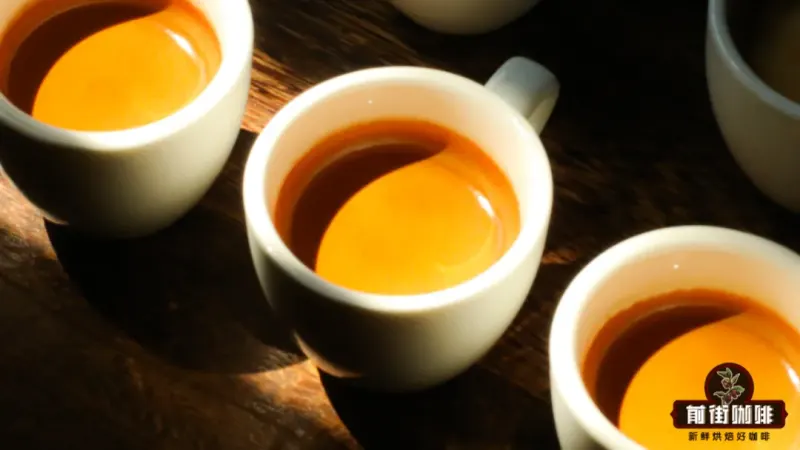
Why Does Coffee Extraction Uniformity Change Flavor?
Uniform coffee extraction in espresso comes down to five adjustments: placing filter paper at the bottom of the portafilter basket, using a higher-density basket, applying low-pressure pre-infusion, reducing the dose to thin the coffee bed, and changing the brew ratio to add liquid weight. At the same extraction yield, a more even shot tastes balanced and solid with a longer finish.
Most daily coffee, pour-over or espresso, is drip extraction rather than immersion, so temperature and solvent saturation vary across the bed. Upper grounds extract faster than lower ones, and outer particles more than inner ones. Many a coffee enthusiast explores these gaps to steer flavor toward clear layered notes or a more even cup.
Under the same extraction yield, the level of uniformity leads to completely different flavor directions—when uniform, the taste is balanced and solid with a long finish; when not uniform, the layers are distinct with clear primary and secondary notes. Most drip coffee extraction naturally has differences between the upper and lower layers as well as the inner and outer layers, which has led many coffee enthusiasts to explore how to make espresso extraction more uniform. From the perspective of Front Street, this article outlines five actionable improvement methods: placing filter paper at the bottom of the portafilter basket, switching to a higher-density basket, low-pressure pre-infusion, reducing the dose to thin the coffee bed, and adjusting the brew ratio to increase liquid weight. Through a comparative experiment with Front Street Italian Strawberry Candy·Espresso, it presents the specific differences in flavor expression between the two extraction styles.
Under the premise of the same extraction yield, if uniformity is higher, the coffee will taste more balanced on entry, with a thick mouthfeel and a more lingering sweetness; conversely, when extraction uniformity is lower, the coffee often shows richer layered changes, with a distinction between primary and secondary tastes, and a more pronounced flavor direction.
The vast majority of coffee we drink daily cannot be considered uniform in extraction. Whether pour-over or espresso, these mainstream methods are essentially drip extraction. Drip extraction means letting hot water flow through the coffee bed under controlled conditions, extracting while continuously being filtered out, using brief contact to bring out flavor compounds. It differs from immersion—immersion means hot water fully surrounds the coffee grounds, steeping first and filtering later. Drip extraction amplifies extraction differences due to multiple factors, such as inconsistent water temperature and solvent saturation at different positions in the coffee bed. The upper layer of coffee grounds usually extracts more efficiently than the lower layer, and the outer particles often have a higher extraction yield than the inner particles, creating a gap.

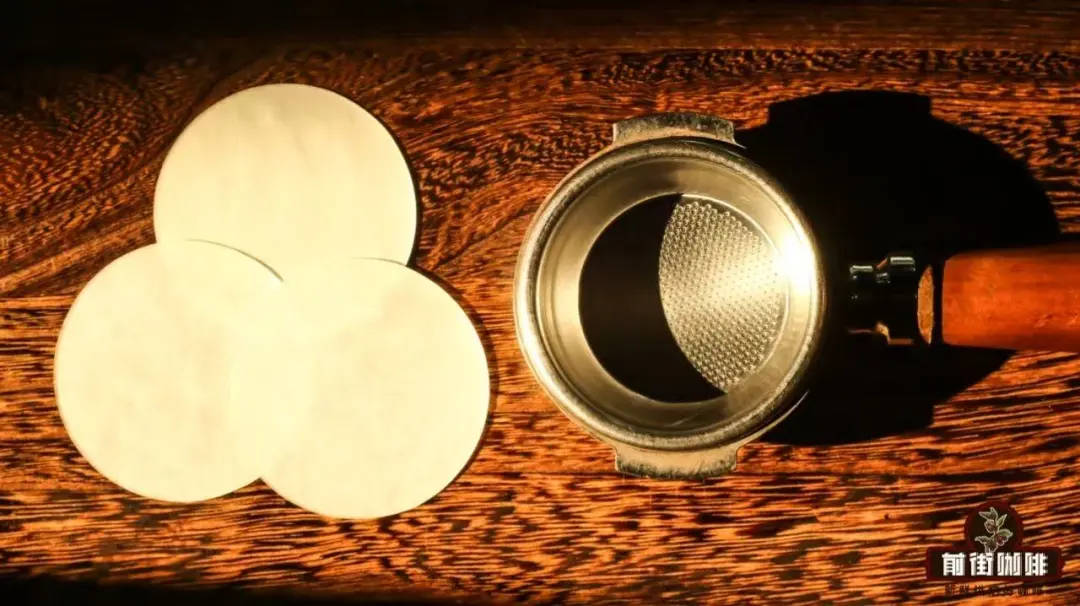
Non-uniformity has its own charm, but sometimes friends want to experience another style, another set of advantages. So today Front Street will talk about how to make espresso extraction more uniform. Why only espresso? Because pour-over coffee has already been shared in a dedicated article before, and interested friends can look back at past articles. Based on Front Street's analysis above, it is clear that the core idea for improving uniformity is to narrow the extraction differences experienced by the upper and lower layers, and the inner and outer layers of coffee grounds. There are actually quite a few ways to achieve this, such as placing 1~2 pieces of filter paper at the bottom of the portafilter basket, choosing a higher-density basket, or performing low-pressure pre-infusion before the formal extraction.
These methods allow more immersion phases to appear during extraction—hot water no longer passes straight through the coffee grounds, but briefly stays before dripping out. The contact time between water and coffee grounds is therefore extended, and the bottom and inner coffee grounds can fully absorb water before formal extraction, making it easier for the subsequent hot water to dissolve flavor compounds. Relatively speaking, the extraction will be more uniform.
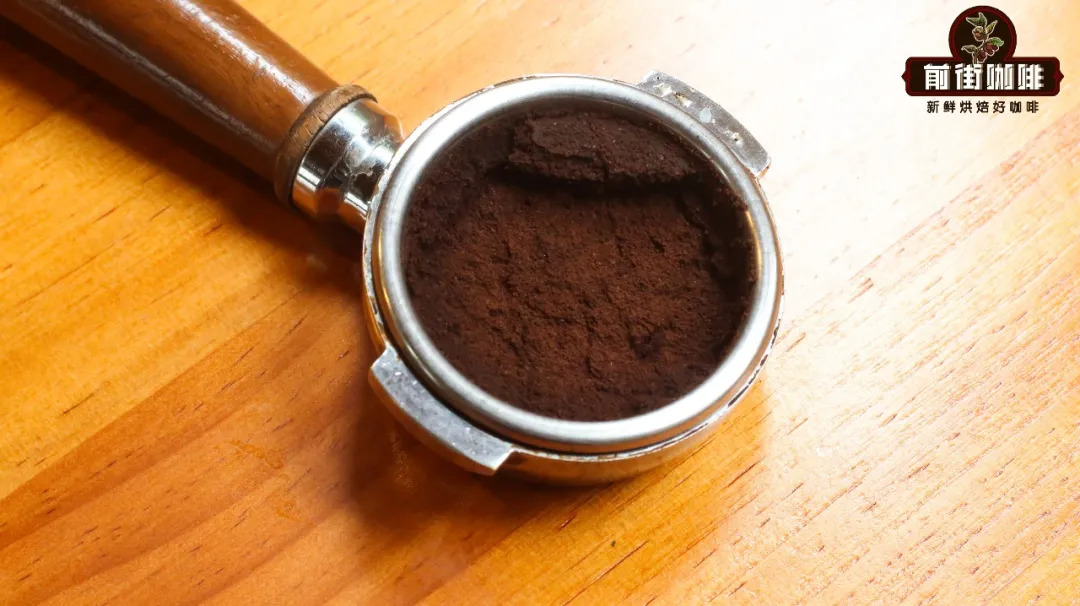
In addition, we can also achieve more uniform extraction by reducing the dose and thinning the coffee bed. The thicker the coffee bed, the greater the extraction difference between the upper and lower layers usually is, since the "distance" between them is greater. After thinning the coffee bed, the time for hot water to reach the lower layer is shortened, and it comes into contact with fewer coffee grounds along the way, so fewer substances are dissolved. The extraction efficiency of the hot water will not drop noticeably, and uniformity naturally improves.
Moreover, appropriately reducing the dose can sometimes help the coffee machine build pressure more smoothly, improve extraction stability, and reduce the probability of channeling. So reducing the dose to thin the bed is also one of the options, but remember to adjust the grind finer while thinning the coffee bed to avoid under-extraction.
It can also be achieved by adjusting the brew ratio. If you are making Americano, long black, or similar drinks that do not care much about espresso concentration, you can also increase the extracted liquid weight to make the extraction yield more uniform, for example by using a smaller brew ratio than 1:2, such as 1:2.5 or 1:3. Adjusting the brew ratio and increasing liquid weight allows the lower and inner coffee grounds to also achieve a higher extraction yield, making the overall result more uniform. However, this method tests the operator's understanding of extraction, because there are many variables to control.
The above are five tips for making espresso extraction more uniform. At this point, many friends must be curious: what exactly is the difference in taste between coffee that is less uniform and relatively uniform in extraction? Front Street also conducted a small experiment to compare. The coffee beans used were Front Street Italian Strawberry Candy·Espresso from the Front Street bean list, and the comparison subject was espresso. Front Street first used conventional ratio parameters to make a cup of espresso with relatively less uniform extraction. Its performance was just as described earlier: mainly sweet and sour, rich in layers, with prominent flavors, and one can clearly taste strawberry, citrus, floral notes, and cream.

Then another cup of espresso was extracted with low-pressure pre-infusion and relatively uniform extraction. It also matched Front Street's description: the taste was more balanced, with prominent sweetness and a solid mouthfeel. In terms of flavor, strawberry gummy candy, citrus, and cream could still be clearly identified, but the layers were not as rich as the former. Both have their own advantages, and there is no distinction of superior or inferior. So just make a cup of coffee however you like.
- END -
The above content is compiled by CoffeeHunters, a coffee news website.


