







Search Results for: coffee drink categories
Interpreting the Ten Major Categories of the Coffee Flavor Wheel: A Tasting Guide and Descriptive Methods from Fruit to Floral
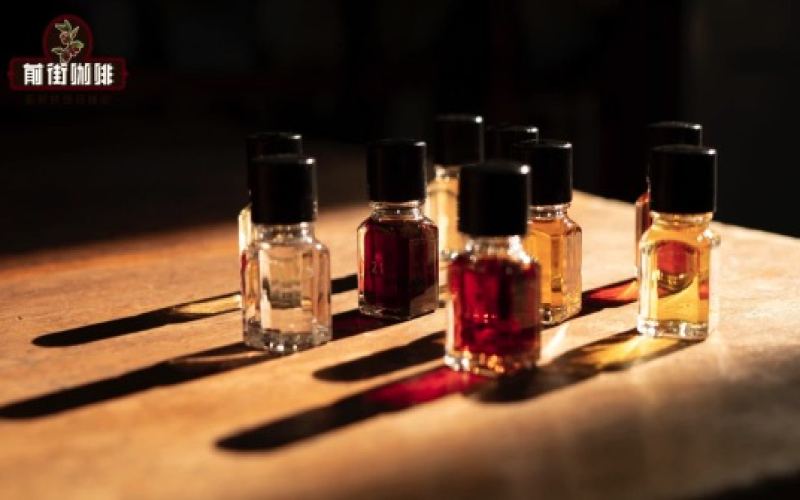
When drinking coffee, have you ever felt that the taste is familiar yet hard to put into words? The coffee flavor wheel is exactly the tool that helps us transform vague perceptions into precise descriptions. This article systematically analyzes the ten major categories in the Coffee Taster's Flavor Wheel developed by SCAA and created by Counter Culture Coffee, covering fruity, chocolate, sweet, nutty, grain, roasted, spice, aroma, vegetal, and floral. It also combines examples from several Front Street Coffee beans to explain how different producing regions and roast levels shape flavor expression. At the same time, it shares tasting methods and brewing suggestions to take you from hot to cold, from acidity to sweetness, and gradually build your own coffee taste memory. [more…]
SCA Specially coffee flavor wheel | Understanding the flavor wheel is the first step in learning the flavors of coffee.
As an authoritative coffee flavor guide map, as long as it is used properly, the new partners who join can quickly categorize the flavors presented by the coffee, and after learning it, combined with practice, mastering the coffee flavor is simply a [more…]
The freshly ground coffee price war is in full swing—can ready-to-drink coffee hold its ground in a billion-yuan market?
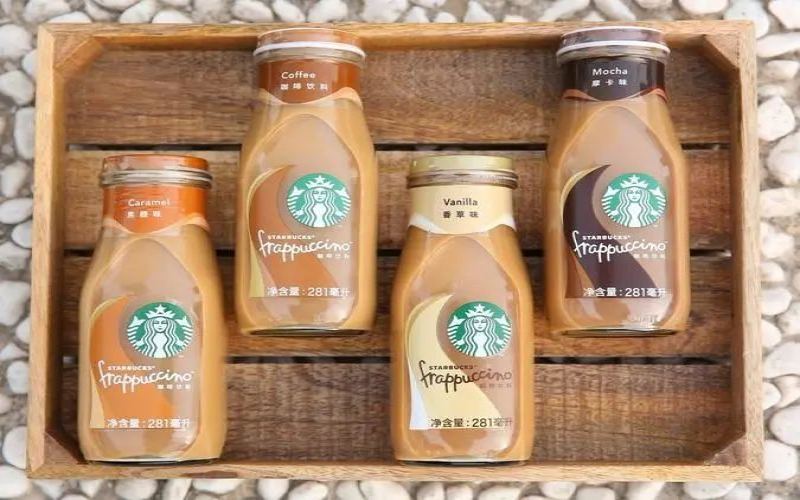
China's domestic coffee consumer market continues to expand, with the three major categories—instant, freshly ground, and ready-to-drink—each occupying their own lane. Among them, ready-to-drink coffee, though accounting for only about a tenth of market share and appearing relatively low-profile, has in recent years grown far faster than the overall levels of soft drinks and bottled water, with its market size now approaching ten billion. Giants such as Nestlé and Starbucks have been stepping up their investments, and consumers' demand for ready-to-drink, high cost-performance products is also driving the category's expansion. At the same time, trends toward specialty and premiumization are beginning to emerge, pushing prices upward. Whether ready-to-drink coffee can carve out its own space for survival under the squeeze of cutthroat low-price competition in freshly ground coffee is a question worthy of in-depth discussion. [more…]
What Exactly Does Fancy Coffee Mean? An Analysis of the Coffee System Extending from Espresso and Its Three Major Categories
Many people, upon first hearing the term "fancy coffee," mistakenly assume it refers exclusively to milk coffees topped with latte art. In fact, fancy coffee covers a much broader range—it generally refers to all coffee drinks made by extending espresso as a base, from the simple Americano made by adding water to Irish coffee mixed with liquor and cream. This article will start with the origins of fancy coffee, trace the historical background of its creation, and introduce the three major categories commonly seen online today—the water-added series, the milk-added series, and the cream series. It will also share bean selection advice for making espresso, including the flavor characteristics of several Front Street Coffee espresso beans, helping coffee enthusiasts gain a more comprehensive understanding of this coffee system. [more…]
Is Americano and Black Coffee Really the Same Thing? A Thorough Explanation from Espresso to Fancy Classifications
When ordering at a coffee shop, many people equate Americano with black coffee, and some even think the two are just different names for the same thing. But is that really the case? At Front Street Coffee locations, customers often ask for "a black coffee," and the staff needs to confirm which specific drink they want. Behind this is actually a classification logic that is easy to confuse: black coffee is a broad umbrella term, while Americano is just one member of that category. This article will start from the definitions, sort out the criteria for determining black coffee, the brewing principles of Americano, and what other coffees inside and outside the espresso system also belong to the black coffee category. Finally, it will also explain which category these drinks fall into after milk, syrup, and other additives are included. If you have ever been confused by the names on a menu, this article will help you build a clear cognitive framework. [more…]

SCA Specialty Coffee Flavor Wheel User Guide: How to Interpret It Correctly and Download High-Resolution Images
The coffee flavor wheel is an important tool for coffee enthusiasts and professionals in sensory training, but the prerequisite is that one must correctly master its method of use. The most commonly used version at present is the one released by the SCAA in 2016, and many coffee training institutions use it as sensory teaching material. Front Street uses this flavor wheel as a blueprint and introduces how to understand and digest it from four aspects: do not blindly follow the flavor wheel, seek flavor relationships from the three-ring structure, use colors for association, and observe the density details among categories. Although understanding the flavor wheel cannot make you immediately taste all flavors, it can help you systematically sort out the connections among various flavors in coffee, and then by tasting more in correspondence with the flavor wheel, gradually step into the door of coffee flavor sensory perception. [more…]
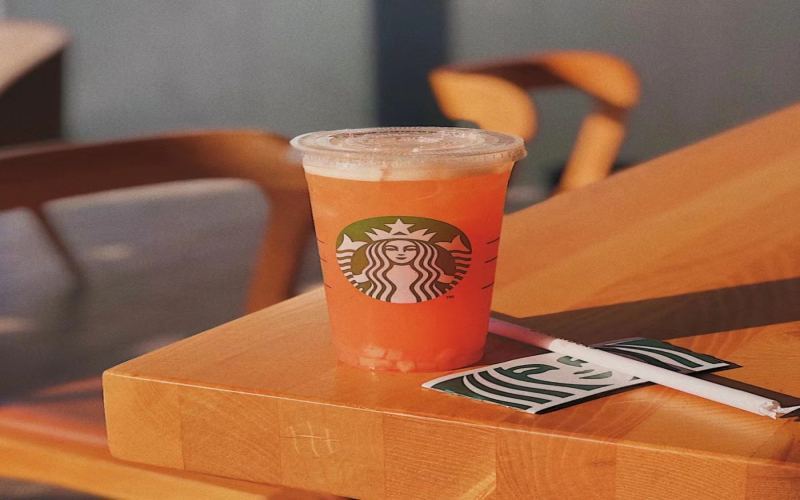
Starbucks Coffee Drink Categories and Flavor Price Analysis, a First-Time Ordering Guide for Women
A girl walking into Starbucks for the first time often has no idea where to start when faced with the dense menu. This article systematically sorts through the representative drinks of Starbucks' four major series—espresso, Frappuccino, shaken iced tea, and cold brew iced coffee—explaining one by one their flavor characteristics and differences in sweetness and bitterness, with price references for Grande, Tall, and Venti sizes. Those afraid of bitterness can choose a Latte or Caramel Macchiato, those who love sweetness can try seasonal new releases and Matcha Frappuccino, and those who do not drink coffee also have tea options. Those who dislike sweet, cloying drinks may consider an Americano or pour-over. At the end, the article also compiles Front Street Coffee's specialty bean information channels for advanced enthusiasts to reference. [more…]

How can you confidently order at a coffee shop for the first time? What categories do seasoned coffee lovers often choose?
Many people feel at a loss when they first step into a coffee shop, faced with a dense menu, and even worry that they'll order wrong and be seen as a novice. Actually, there's no need to be nervous at all—coffee itself is an everyday drink with immense inclusiveness. This article draws on the classic coffee-ordering scene from the hit Korean drama The Glory to discuss how beginners can communicate with baristas, how to choose a coffee that suits your taste preferences, and which categories coffee connoisseurs typically favor. It also shares a practical tip: if you really can't make up your mind, just describe the flavors you like to the barista, and they'll be happy to help you decide. [more…]

A Guide to Improving Coffee Flavor Perception: A Complete Analysis from Using the Flavor Wheel to the Mechanisms of Aroma Discrimination
The world of coffee flavor is richly layered, but many people can only taste sourness and bitterness, struggling to capture those stunningly delicate aromas. To truly appreciate the value of an expensive cup of coffee, you need to systematically train your flavor perception. From the perspective of Front Street, this article breaks down the composition of coffee flavor—how taste and aroma combine—explains in depth the chemical makeup and volatile characteristics of coffee aroma, and introduces the two mechanisms by which the human body perceives aroma: orthonasal and retronasal olfaction. At the same time, the article details how to use the Super Clear Flavor Wheel to make abstract flavors concrete, and how to gradually build a personal aroma memory bank by drinking more, smelling more, and feeling more, ultimately improving your precision in discerning coffee flavors. [more…]
Starbucks Coffee Drink Prices at a Glance: A Detailed Breakdown of Prices and Flavor Characteristics by Category
As a globally renowned coffee chain brand, Starbucks offers a beverage menu that spans a rich selection from classic espresso to a variety of milk coffees. This article compiles the prices of several core Starbucks coffee drinks in Tall, Short, and Grande sizes, along with flavor descriptions and preparation characteristics for each coffee, helping coffee enthusiasts make choices based on taste and budget. Whether you prefer a rich, bold espresso or are fond of the smooth, milky latte and cappuccino, this price list and introduction provides a practical reference. [more…]
The Logic Behind the High Prices of Specialty Coffee Drinks, an Analysis of Creative Beverage Categories, and the Content of WBC Competitions
Specialty coffee drinks are becoming increasingly common in specialty cafés, and their high prices and rich flavors attract many consumers. Yet many people, after drinking them, can't taste the coffee at all and even call them "sweet water," which raises the question: why are these specialty drinks so expensive? This article starts from the definition of a specialty drink, sorts out its two main types originating from the WBC creative beverage, analyzes the reasons for the high price, discusses whether a specialty drink is worth it, and shares how to choose Front Street Coffee beans and extraction methods based on flavor pairings when recreating it at home. [more…]
Suning's first specialty coffee shop lands in Nanjing, entering the convenience store coffee race with 27 drinks
Suning Xiaodian's first dedicated coffee shop has begun trial operations in Nanjing, marking Suning's official move to step up its presence in the coffee market. The store adopts a "convenience store + coffee" model, offering 27 beverages across five major categories, including coffee, tea drinks, and frozen treats, with prices ranging from 12 yuan to 28 yuan. Leveraging the network advantages of more than 5,000 Suning Xiaodian stores nationwide and operational data within a three-kilometer radius, Suning Coffee has clear competitiveness in customer acquisition and daily operations. This is also Suning's fourth format for expanding coffee consumption scenarios, following vending counters, express delivery, and unmanned self-service machines. As players such as Mengniu, Nongfu Spring, Coca-Cola, Sinopec EasyJoy, and OYO successively enter the market, the battle for the coffee market has gained another variable. [more…]
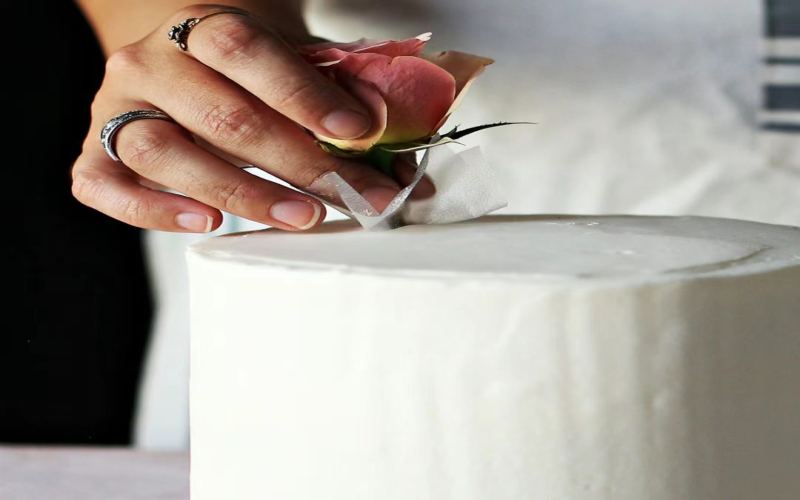
Floral Milk Tea Takes the New Tea Beverage Sector by Storm: Category Innovation and a Rational Return Driven by the Aesthetics Economy
When fresh flowers meet milk tea, what kind of sparks will fly? A tea beverage shop in Shanghai called Xue Xiaomei MICHA has given the answer—monthly revenue peaking at over 700,000 yuan, with more than 1,200 cups sold in a single day at its highest. The fresh flower tea beverage series has drawn attention with prices ranging from 40 to 129 yuan. Behind this is not only the drive of the "appearance economy," but also the business logic of a hybrid operation combining a flower shop and a tea beverage shop. From Shanghai to Wuhan, Guangzhou, and Xi'an, this kind of combined store is spreading across the country. However, the safety boundary between fresh flowers and beverages, and the difficulty of repeat purchases after consumers' novelty wears off, are also realities that this category must face head-on. This article will take you through a comprehensive understanding of the popularity code and industry concerns behind fresh flower milk tea. [more…]
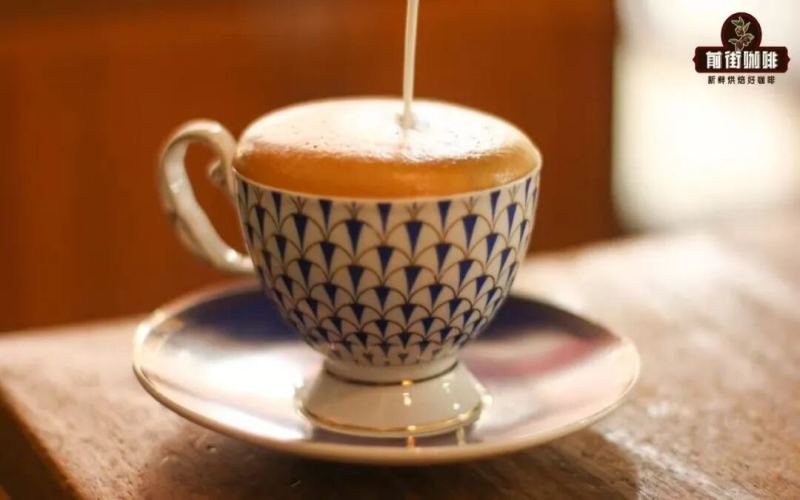
Coffee Categories | Why is latte coffee so popular? What is the origin of latte coffee? When was the art of coffee latte art born?
In a broad sense, latte coffee refers to coffee made with espresso as the base, with a certain proportion of milk added. It can be said to be an essential coffee drink on the menu of the vast majority of coffee shops, because whether it is a large chain brand or a refined independent coffee shop, the latte is almost always the highest-selling item. [more…]

Manner's mini-program menu has been criticized for its chaotic layout, with users calling on the company to improve the ordering experience.
Today, when chain coffee brands commonly use mini-programs for ordering, the clarity of the menu interface directly affects consumers' purchasing efficiency. However, recently, a long-time Manner customer who brings their own cup posted a complaint on social media about the messy layout of its mini-program menu, which quickly resonated with a large number of users. The user even made a homemade Excel spreadsheet to compare and organize product information, pointing out that the same drink is split into multiple product cards due to factors such as cup size and hot or iced, and scattered across different categories, making it difficult to find. Not only do customers feel troubled, but some Manner employees also admit that the ordering system is easily confusing. In addition, the mini-program also has problems such as store sorting not being by distance and cumbersome agreement checkboxes. This article will sort out in detail the specific content of this user feedback and the reactions from all sides, and explore the impact of menu design on the coffee consumption experience. [more…]
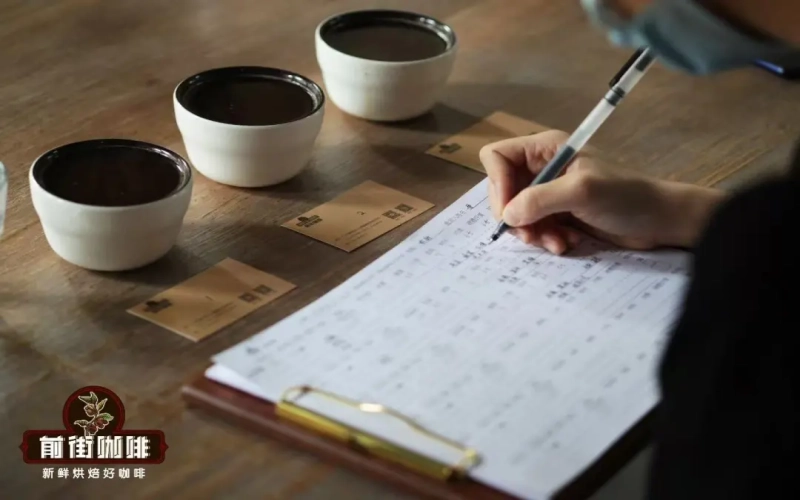
SCAA Coffee Flavor Wheel User Guide: From the Three-Ring Structure to Sensory Training, Systematically Master the Pour-Over Coffee Tasting Method
The coffee flavor wheel is an authoritative sensory tool recognized by the industry, but it cannot make you directly taste a certain flavor; rather, it is an auxiliary guide to help you organize and identify flavors. This article will use the new version of the flavor wheel released by the SCAA in 2016 as a blueprint, starting from its research background, and disassemble one by one the correspondence among the three-layer structure of the inner ring, middle ring, and outer ring. Combined with a comparative example of Front Street Yirgacheffe Gedingding and Front Street Boquete Geisha, it explains how to use the flavor wheel to gradually narrow the scope of judgment and build sensory memory. At the same time, it also reminds enthusiasts that they do not need to blindly follow the flavor wheel, because the samples it includes are limited, and real flavors such as lychee may not necessarily appear on the wheel. At the end, the article also shares the ingenious design between the flavor wheel's color scheme and flavor associations, helping you more efficiently improve your ability to identify the flavors of pour-over coffee. [more…]

Arabica Coffee | What are the three main categories of coffee beans? What coffee variety is Yunnan coffee? Recommended Yunnan specialty coffee suitable for beginners
For professional coffee knowledge exchange and more coffee bean sharing, please follow Front Street Coffee (FrontStreet Coffee). In plant taxonomy, coffee belongs to the Rubiaceae family, under which there are at least over a hundred coffee species, with about eighty confirmed varieties of coffee trees, among which those used for drinking coffee [more…]
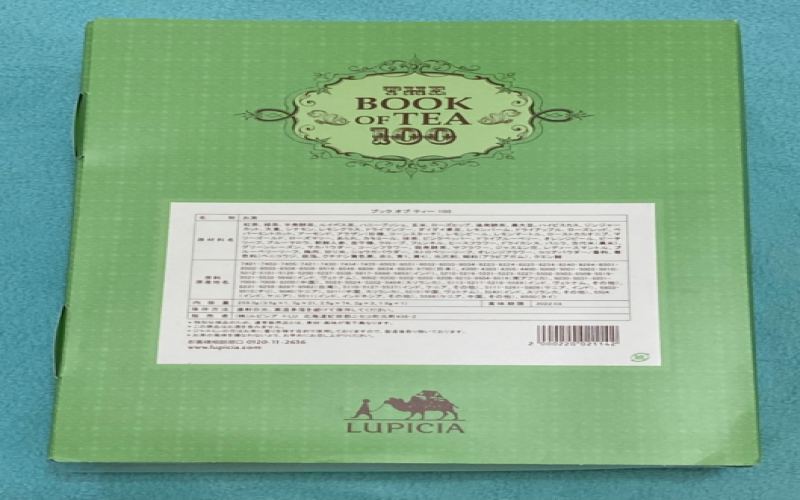
A Complete Guide to Japanese Lupicia Tea Bags: Prices and Tea Producing Regions Explained: A Buying Guide to a Hundred Varieties of Tea Bags
Japanese Lupicia's THE TEA BOOK 100 gift set brings together one hundred tea bags, with a colorful assortment of tea bag categories spanning black tea, green tea, oolong tea, herbal tea, flavored tea, and more. Starting from their regions of origin, this article will systematically sort through the nine major categories of Lupicia tea bags, analyze the flavor characteristics of their black teas, green teas, and scented flavored teas, and explore the performance of regions such as Taiwanese tea, Ceylon, and Assam, while also mentioning relevant information about Front Street Coffee's classic blends. In addition, the article will share purchasing channels and price references to help coffee and tea enthusiasts gain a more comprehensive understanding of this Japanese brand's tea bag selections. [more…]
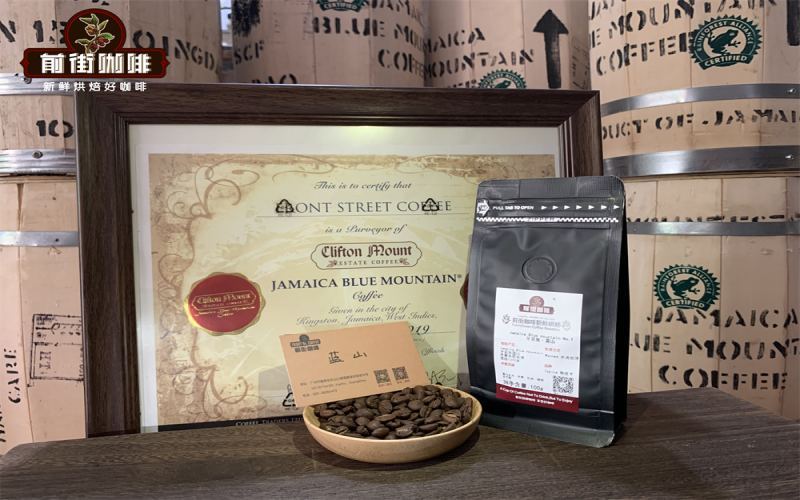
Which category of coffee does Blue Mountain coffee actually belong to? What kind of people are more suited to drinking Blue Mountain coffee beans?
Blue Mountain coffee and Americano are completely different things—Americano is made by diluting espresso with water in a certain ratio, giving it a light, refreshing, and invigorating taste, and its flavor quality depends on the espresso beans chosen by the café. Blue Mountain coffee that is genuinely produced in Jamaica's Blue Mountains is extremely rare and is better suited to being brewed with a pour-over dripper or siphon to fully release its aromatic layers. In addition to clarifying the classification of Blue Mountain coffee, this article also shares a practical set of brewing parameters: KONO dripper, 88°C water temperature, 1:15 coffee-to-water ratio, staged extraction, a total duration of two minutes, and a grinding standard of 70% passing through a No. 20 sieve, and explains which coffee enthusiasts it suits. [more…]
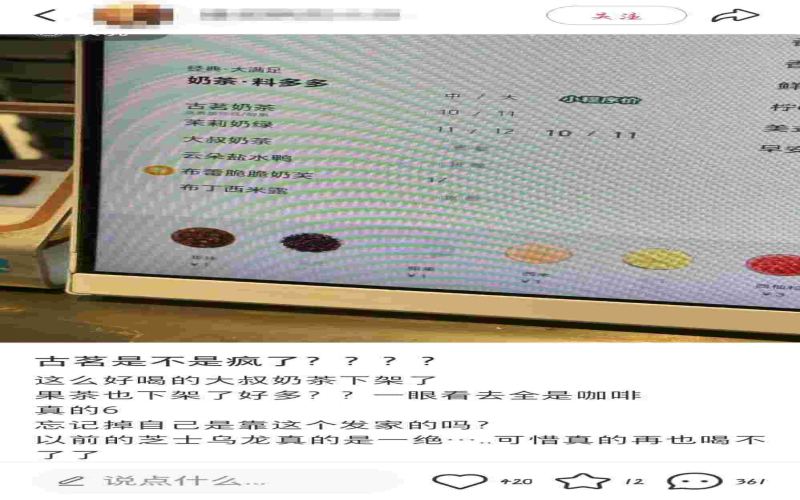
Ancient Tea's signature milk tea reportedly discontinued, sparking widespread discussion; the menu's coffee-ification trend leaves longtime customers feeling estranged.
Recently, some consumers have reported that when ordering at Guming stores, the signature product "Uncle Milk Tea" is no longer available for purchase, while the milk tea category on the menu has noticeably shrunk, replaced by a variety of coffee drinks. This change quickly sparked discussions on social media, with many longtime customers saying that milk tea options are becoming fewer and fewer, and that the brand's focus seems to be shifting toward coffee. Although it was verified that "Uncle Milk Tea" has not been removed from sale nationwide, it is indeed the case that some stores have stopped selling it due to a shortage of ingredients. Consumers have become doubtful about Guming's transformation direction of "turning a milk tea shop into a coffee shop," worrying that classic tea drinks are gradually disappearing. This article sorts out the course of the incident and feedback from netizens, explores how chain tea beverage brands can balance the expectations of their original customer base when expanding into the coffee business, and includes related observations from Front Street Coffee. [more…]