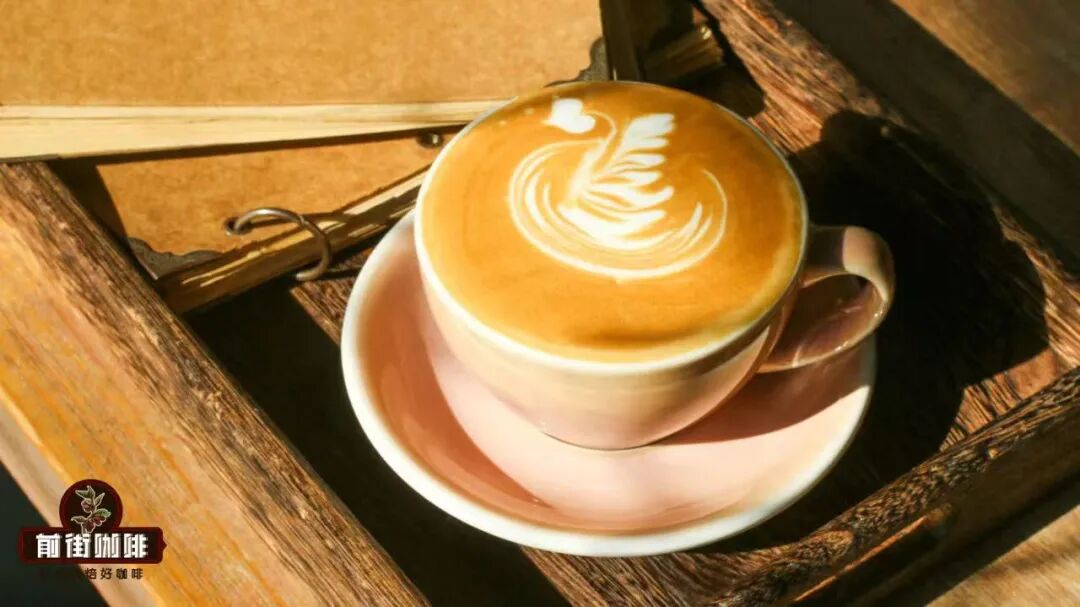
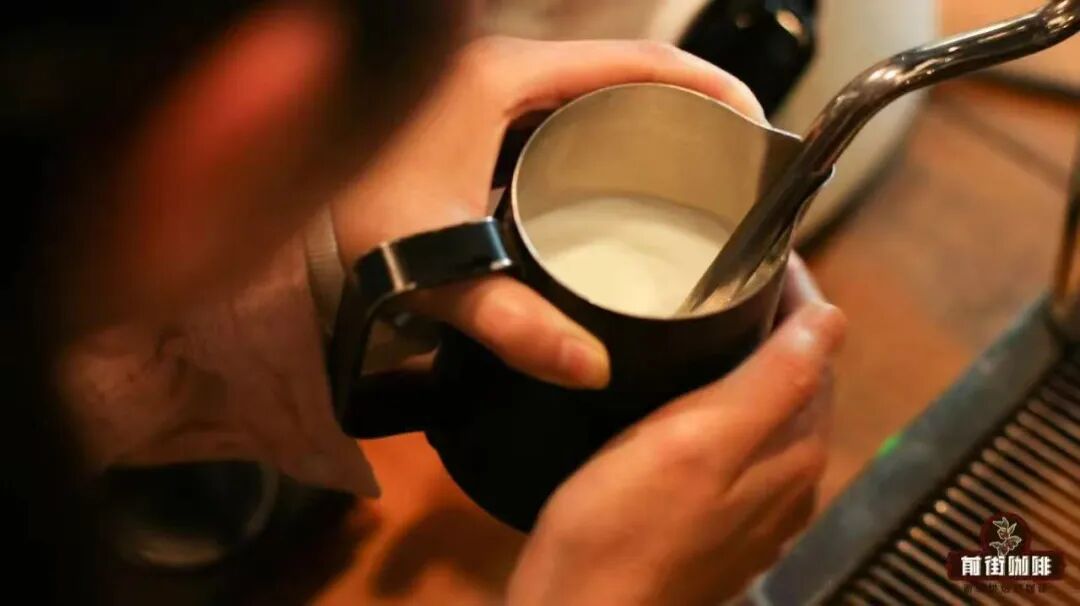
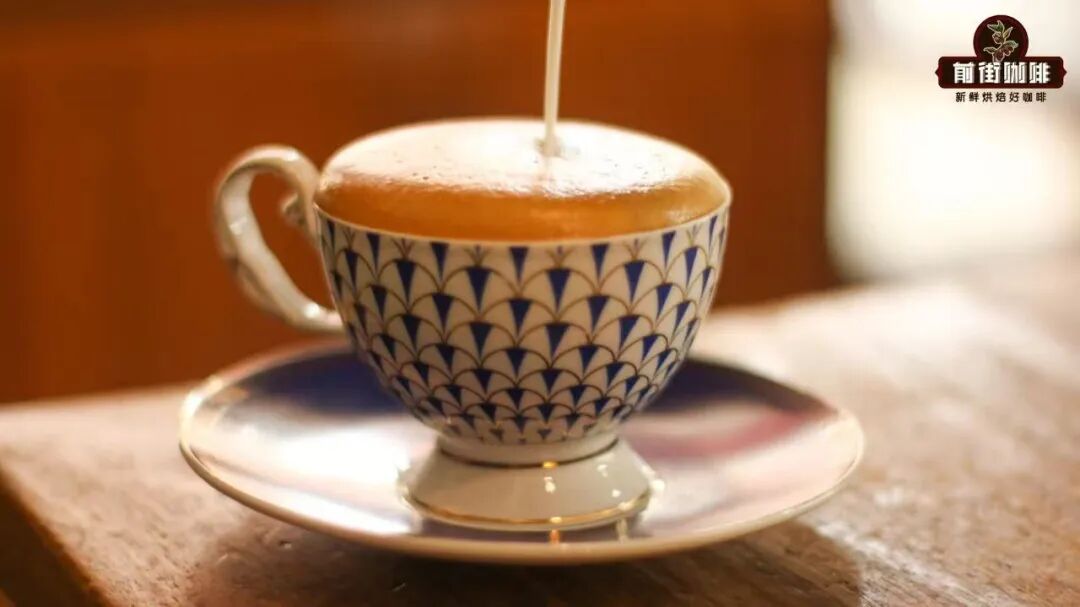
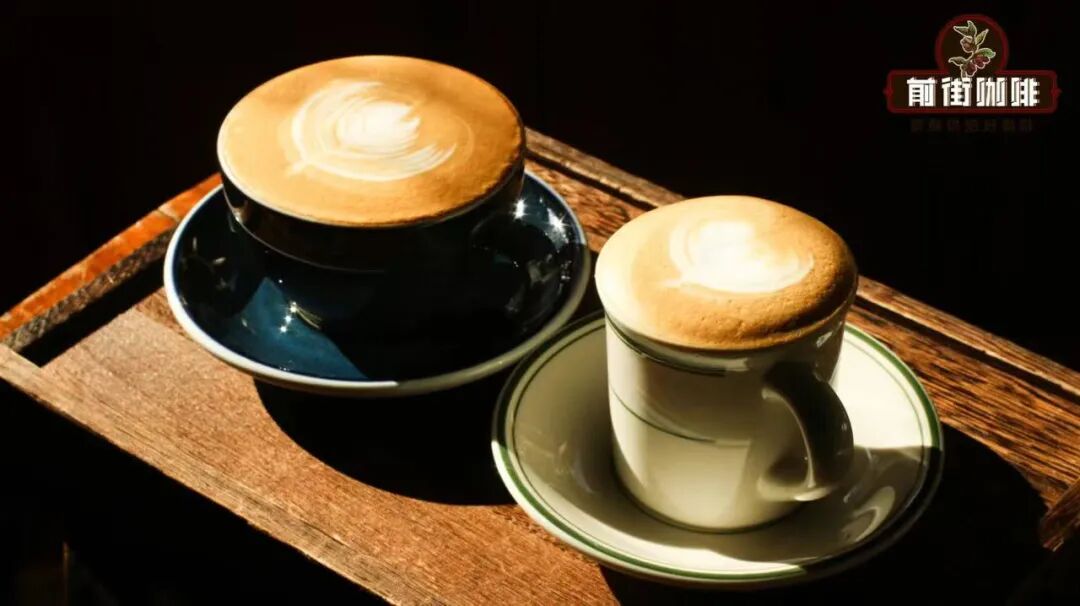
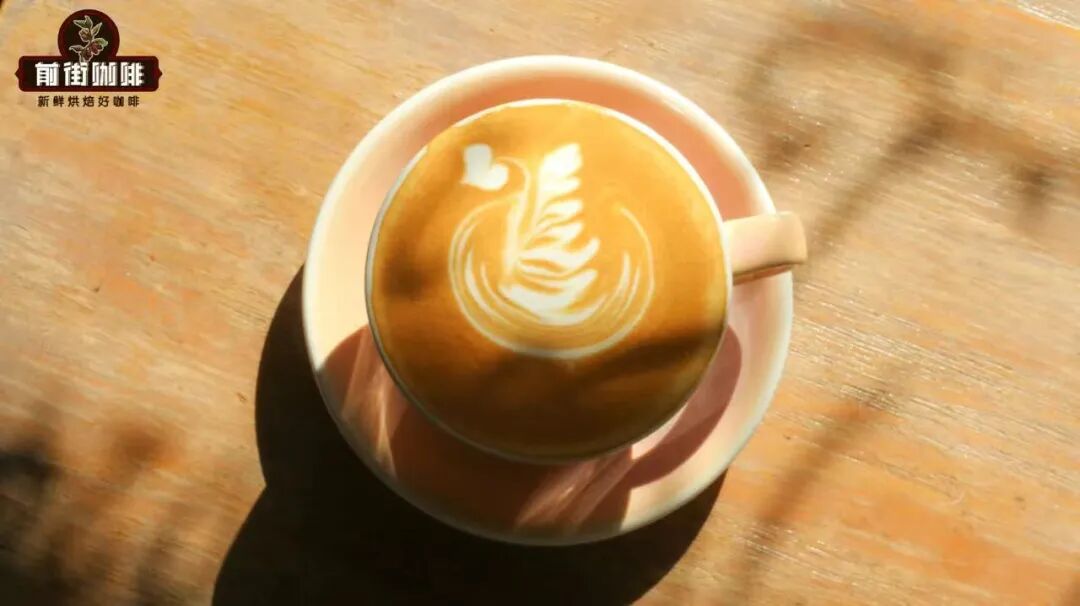
In a broad sense, latte refers to a coffee beverage made with espresso as the base and a certain proportion of milk added. It can be said to be an essential coffee drink on the menu of the vast majority of coffee shops, because whether it's a large chain brand or a refined independent café, latte is almost always the highest-selling item."Why are there so many types of coffee, yet latte still manages to become the TOP 1 seller in most coffee shops?" This has been a very hot topic recently.In fact, Front Street already shared a similar post last year. The reason latte is so widely popular is the result of multiple factors working together. Among them, Front Street believes the most important reason is that it has more milk and less coffee flavor.More Milk, Less Coffee FlavorAfter the espresso machine was introduced, the small yet intense espresso swept across all of Italy. But because the coffee bean quality at the time wasn't as high as it is now, and the roast level was much darker, the extracted espresso had an extremely strong burnt bitterness. For some people who couldn't handle bitterness, or those just starting to try espresso, it wasn't very easy to drink. So the practice of adding steamed milk to espresso came about!But we need to know that the earliest Italian milk coffee was not latte, but cappuccino. In order to preserve the coffee flavor while adding milk, Italian baristas limited the proportion of milk in the cup by steaming dense, thick milk foam, so that the coffee flavor would not be masked by the milk.In the 1950s and 1960s, Italians who had immigrated to the United States brought coffee machines and opened a café in California(Caffe Mediterraneum)to make a living. But because the local Americans didn't have a habit of drinking strong coffee, they couldn't accept high-concentration espresso, even cappuccino with milk added was the same.So the café owner adapted to local conditions and localized the cappuccino to cater to American tastes. By reducing the thickness of the steamed milk foam to increase the proportion of milk in the cup, a drink with more milk and a lighter coffee flavor than cappuccino was born.Because more milk was added, the bitterness of the coffee was neutralized. The taste was no longer intensely burnt-bitter, but instead became mild and rich. At the same time, because milk is rich in protein and fat, the increased milk volume further improved the coffee's mouthfeel—the coffee became smoother, more full-bodied, and easier to drink overall. Because of this, compared to cappuccino, this coffee had a broader audience locally.So, in order to distinguish this more approachable milk coffee from cappuccino, the owner named it "Caffè e latte", and it was added to the menu as a brand-new category.Even in the 21st century today, the main reason latte is popular is still that it has more milk and less coffee flavor. We can also simply understand it as: compared to other coffees, it's not as bitter, so it can be accepted by most people. After all, the vast majority of friends, including those at Front Street, are not fans of bitterness.But what we need to know is that usually a person with no understanding of coffee cannot distinguish between cappuccino and latte—they only know both are coffee with milk added, and as for how much milk, they have no idea. In this situation, another characteristic of latte comes into play, causing people to prioritize latte when ordering. What characteristic? That's right—the complex and varied latte art patterns.Unique Visual Appeal and Sense of RitualIn 1980,a barista in Seattle, USA,David Schomer, by a stroke of luck, caused the milk foam to form a heart shape on the coffee crema while making a latte. The appearance of this pattern completely opened the door to coffee latte art. Since then, people began using milk foam to create designs on coffee, giving coffee unique patterns to enhance its visual effect. And latte became the primary platform for showcasing latte art.Because compared to other milk coffees, latte's milk foam is more suitable for latte art. It's neither too thick nor too thin, with just the right flow. Besides basic simple shapes, this kind of milk foam can also be used to create more complex combined patterns. So latte became the main platform for displaying latte art, and the vast majority of complex patterns are born on latte cups. And because of this, even if people don't know the difference between latte and cappuccino, they will prioritize latte because of the complex patterns on it.Since latte's design is not about highlighting coffee flavor, but rather requiresa balance between milk and coffee, compared to other coffees that need to highlight coffee flavor, latte has higher versatility.It can be infused with various flavored syrups to create rich and diverse options, satisfying different taste preferences. It can also be paired with all kinds of milk alternatives to meet the needs of people with different dietary preferences. Because of this, latte is not only a favorite among consumers, but also the top choice for most baristas when creating new products.Besides the three main factors above, there are also other factors like latte having a larger cup size and being more affordable, being the preferred choice for posters, and so on, that have boosted latte's sales. In summary, we can see that because latte has significant advantages in all aspects and possesses a perfect balance, it is able to top the sales charts in the vast majority of coffee shops~ The above content is compiled by CoffeeHunters, a coffee news website.