







What categories make up the coffee flavor wheel?
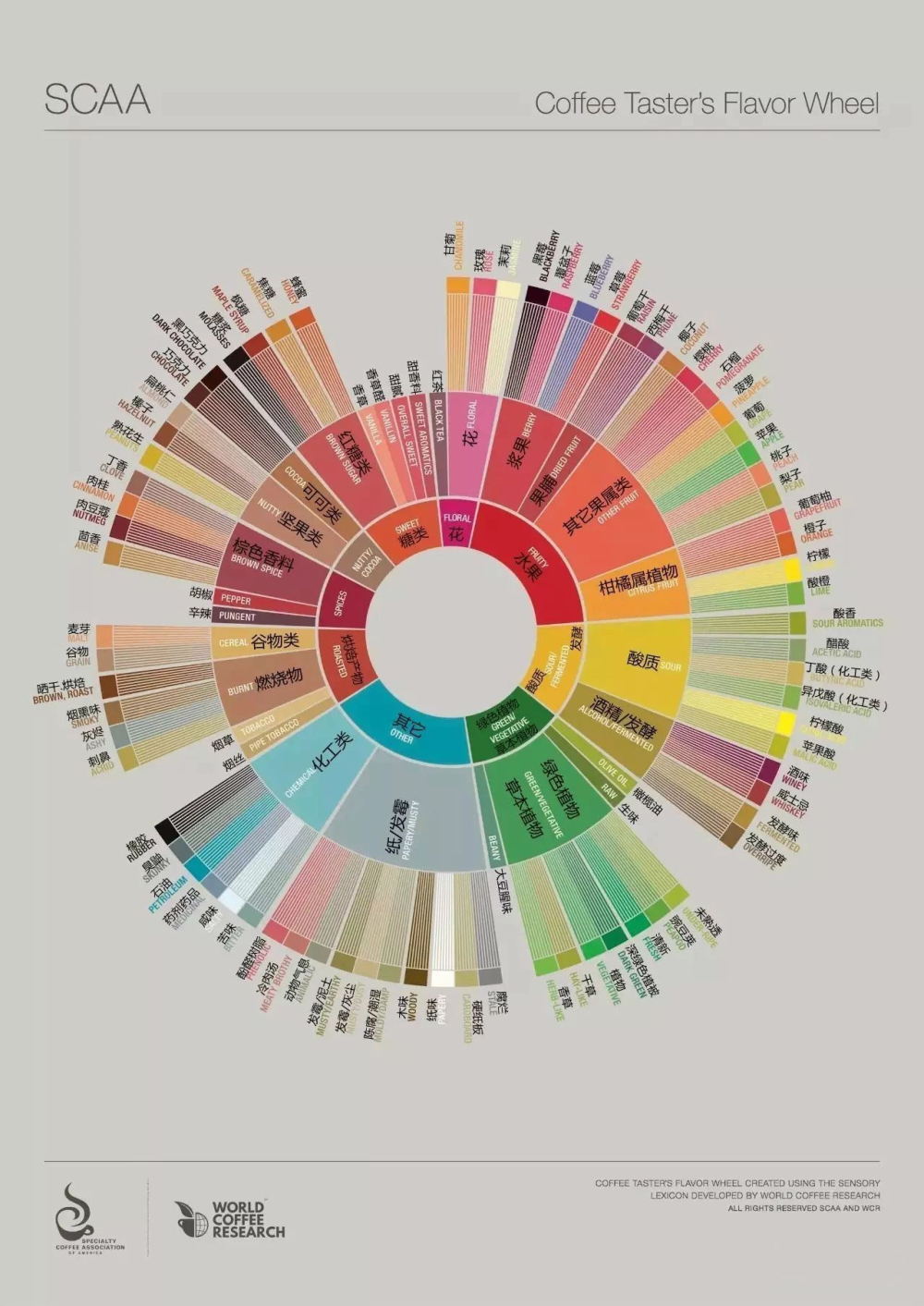
The Coffee Taster's Flavor Wheel, developed by the SCAA with Counter Culture Coffee, organizes coffee flavors into ten main categories: fruits, chocolate, sweetness, nuts, grains, roasting, spices, aroma, vegetables, and floral notes. The wheel works as a reference for turning a vague impression in the cup into specific words that describe coffee taste and aroma.
Flavor is tied to origin and roast level, so the wheel is split between light-medium and dark roasts; sour, sweet, bitter, and salty expressions shift accordingly. Tasting hot to cold and moving from acidity to sweetness helps build a personal memory bank. Using consistent terms for words to describe coffee smell makes comparisons between beans and roast profiles easier.
When drinking coffee, have you ever felt that the taste is familiar yet hard to put into words? The coffee flavor wheel is exactly the tool that helps us turn vague perceptions into precise descriptions. This article systematically analyzes the ten major categories in the Coffee Taster's Flavor Wheel formulated by the SCAA and created by Counter Culture Coffee, covering fruits, chocolate, sweetness, nuts, grains, roasting, spices, aroma, vegetables, and floral notes, and combines examples of several Front Street Coffee beans to explain how different producing regions and roast levels shape flavor expression. It also shares tasting methods and brewing suggestions, taking you from hot to cold and from acidity to sweetness, to gradually build your own coffee taste memory.
Coffee is now a drink many people cannot do without in daily life, but if asked to accurately describe the taste in the cup, not everyone can do it. Many friends who are new to coffee feel that coffee is nothing more than bitter or sour, with little difference. When a barista describes a certain bean as having citric acidity, berry notes, floral notes, or chocolate aromas, it sounds almost unbelievable—it is just a sip, so how can so many layers be distinguished? The barista's answer is usually: drink more and taste more. Then they will point to the coffee flavor wheel and suggest that you use it to recall the flavors you have tasted.
Sometimes after taking a sip of coffee, you feel that the taste is somewhat familiar, but for a moment you cannot remember exactly what it is. At such moments, the flavor wheel comes in handy. Our ability to call up memories of taste and aroma is actually very limited, and a cup of coffee may happen to touch a certain taste memory, only you have not yet awakened it. The flavor spectrum listed on the flavor wheel is like a guide that can help you recover that sense of familiarity.
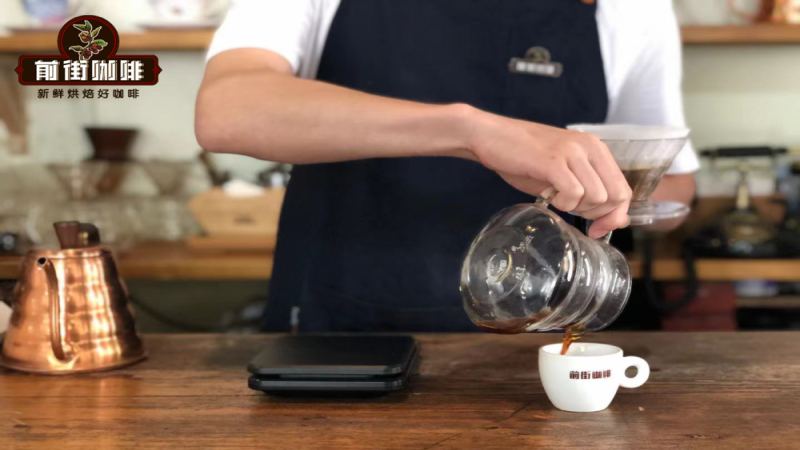
The flavor of coffee is closely related to its origin and is also deeply influenced by roast level. During tasting, Front Street Coffee pays special attention to the expression of the four basic tastes: sour, sweet, bitter, and salty, and these expressions are closely tied to roast level, so the flavor wheel uses light-medium roast and dark roast as the basis for classification. An interesting coincidence is that the sour and sweet taste substances corresponding to light-medium roast have smaller molecular weights, higher polarity, and better water solubility, and often dissolve in the early stage of extraction; while bitter and salty taste substances have larger molecular weights, lower polarity, and poorer water solubility, and usually appear only in the later stage of extraction. Light to medium roast coffee is dominated by low- and medium-molecular-weight sour and sweet flavors, but if there are too many defective beans or the roasting is improper, even light-medium roast may show unpleasant bitter and salty flavors. Dark roast is dominated by high-molecular-weight bitterness and saltiness, but dark roast is not entirely without merits; the most precious dark roast flavor spectrum is "rich without bitterness, sweet and smooth to the throat."
What is the SCAA? And what is the coffee flavor wheel?
The full name of SCAA is Specialty Coffee Association of America, translated into Chinese as "American Specialty Coffee Association" or "American Fine Coffee Association." It is the largest coffee trade organization in the world, focusing on the field of high-quality coffee. The association is committed to promoting excellence and sustainable development in coffee "from seed to cup," building a common platform, establishing coffee quality standards, and regulating the skill certification system for coffee practitioners. The barista evaluation standards formulated by the SCAA and the certificates it issues are among the most authoritative barista certifications today. The Coffee Taster flavor wheel is presented in a circular format, with detailed annotations of the characteristics of single-origin coffee beans. Since its release by the SCAA, it has become a common standard for professional tasting.
Front Street believes that tasting coffee directly against the flavor wheel may be somewhat difficult, but if it is broken down into several major modules for understanding, it becomes much easier; and if coffee flavors are further matched to fruits or common foods in daily life, it becomes even easier to grasp. Front Street's baristas all need to identify coffee flavors by aroma and firmly remember their characteristics.
Next, Front Street will introduce one by one the ten categories divided by the "Coffee Taster's Flavor Wheel" created by Counter Culture Coffee.
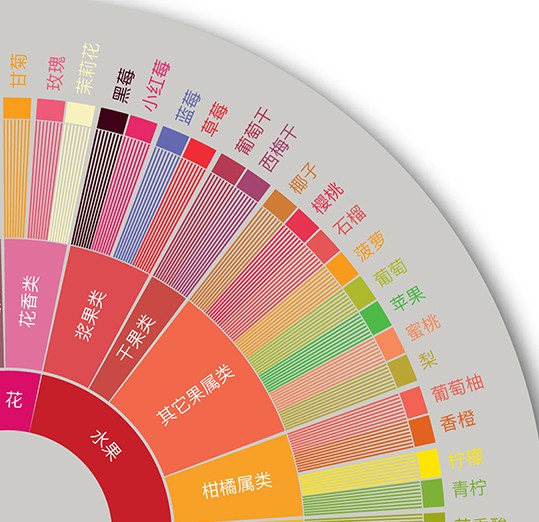
Fruits (fruity) Everyone is very familiar with fruits and eats them almost every day, so their flavors are naturally no stranger. For example, durian can be identified by people who do not eat it just from the smell far away. The same is true for coffee. The flavor wheel subdivides citrus, apple, melon, grape, tropical fruit, stone fruit, berry, and dried fruit into eight items, so that more subtle differences in fruit flavors can be distinguished. For example, Front Street's Ethiopian coffee tastes bright and stimulating in acidity, with citric acidity and berry notes, as well as notes of mango and jackfruit.
Chocolate (cocoa) Cocoa also represents the flavor of chocolate. With this category, cocoa notes can be distinguished from dark chocolate, milk chocolate, and other cocoa powder. Friends who love chocolate often know it as soon as they smell it, finding the aroma rich and the sweetness prominent. For example, Front Street's Colombian Huila coffee has the taste of dark chocolate.
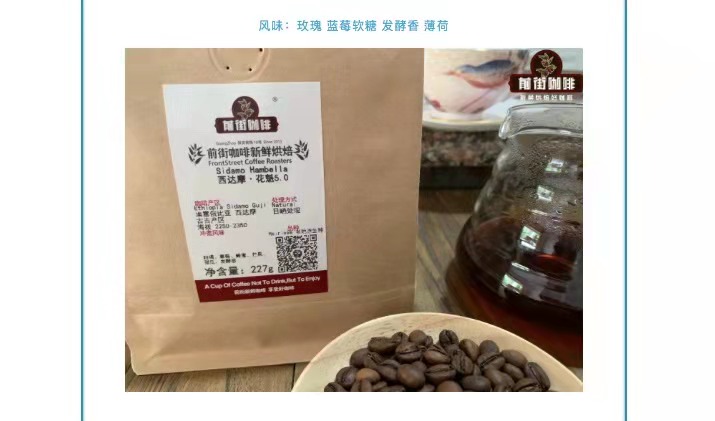
Sweet and sugar (sweet) Some coffees have an obvious sweetness on the palate, some light, some mellow. This category is used to confirm sweetness. From honey and maple syrup to marshmallow-like candy flavors, all can express sweetness, and there is even a category called "cola," showing a rather broad range of expression. For example, Front Street's Huakui 5.0 has honey-like sweetness and is light on the palate; Front Street's Guatemala Huehuetenango coffee has a toffee taste with plenty of sweetness, noticeable in both dry and wet aroma; Front Street Yunnan coffee tastes of brown sugar.
Nuts (tree notes) The nut category is relatively general, specifically including almonds, hazelnuts, and so on. Coffee beans themselves are also a kind of tree nut called coffee cherry, originating from the coffee tree. It can be said that this part of the characteristics will be expressed differently depending on producing region and variety. For example, Front Street Coffee's Brazilian coffee has notes of almond and peanut.
Grains (grain-based flavors) This category is used to distinguish grain and cereal flavors, covering everything from rye, wheat, and other barley types to the refined expression of "fresh bread."
Roasting (roasted notes) This is the category for expressing the flavor of roasted beans. Flavors produced as roasting intensity changes, such as smoky "smokiness" and charcoal-like "carbon notes," are all included here. This coffee flavor is actually also related to the growing environment. For example, Front Street's Guatemalan coffee grows in soil and naturally carries a smoky taste.
Spices This category is used to confirm the taste of seasonings, expressed through familiar spices such as nutmeg, coriander, ginger, and curry. It is a category in which terroir characteristics are relatively easy to show.
Aroma (rich aroma) It refers to the taste expressed by foods with strong aromas; soy sauce and meat are also classified according to what is stated. Some people ask, "Do coffee beans really have this kind of taste?" But in the view of professional appraisers, they indeed exist. For example, Front Street's Honduras Sherry coffee has a very strong creamy vanilla flavor.
Vegetable type (vegetal) This category is used to confirm the smells of plants and soil, such as herbs and vegetables. Among herbs, it is further divided into mint and sage, as well as expressions of tobacco, wood, and soil. For example, Front Street Coffee's Mandheling coffee has rich herbal and pine wood notes.
Flowers (floral) This is the category that divides aromas by flower type. For example, the jasmine and osmanthus aromas of Ethiopian coffee, and the rose aroma of Colombian coffee.
Summary of the flavor wheel categories
If you observe the flavor wheel carefully, you will find that its coffee flavors are arranged in order from light mouthfeel to heavy mouthfeel, which is to say, coffee flavors are introduced according to roast level from light to dark.
How Front Street Coffee tastes a good cup of coffee
1. When drinking coffee, take small sips and drink slowly; you can even rinse lightly, holding the coffee liquid in your mouth and stirring it gently.
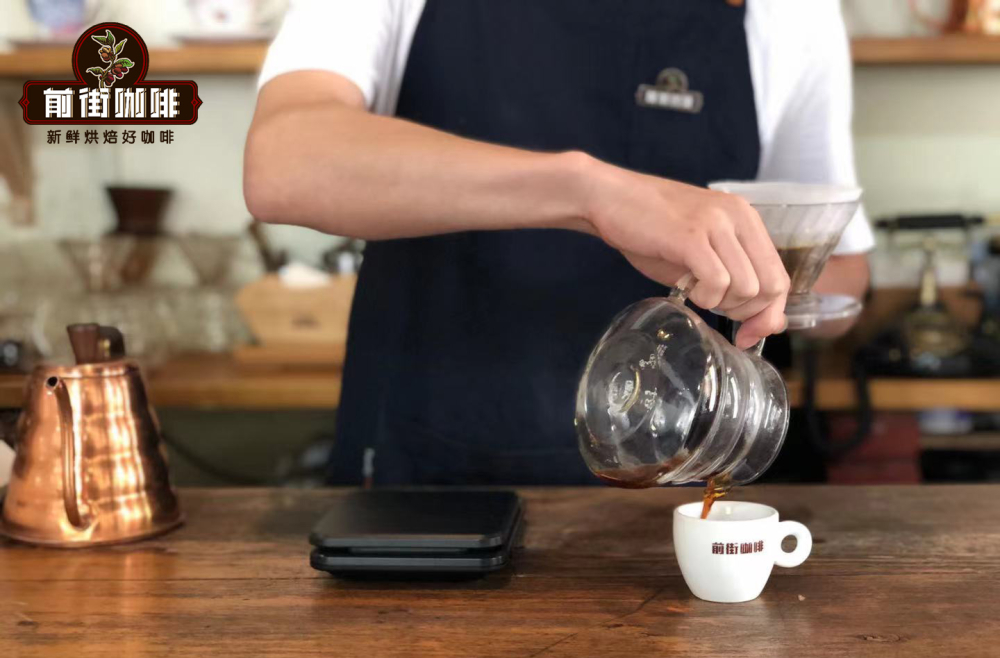
2. Each sip reveals layers as the temperature changes. In the first two sips, the base of the tongue feels bitterness. As the coffee cools, it slowly turns from bitter to sour, with subtle citrus acidity appearing. Coffee shows different flavors as the temperature changes, so Front Street recommends drinking from hot to cold to experience the different flavor changes.
3. When half finished, the coffee turns from sour to sweet and from bitter to sweet, beginning to show a sweet aftertaste. There is sweetness on the surface of the tongue, and finally a caramel sweetness in the aftertaste, lingering between mouth and nose, allowing you to savor the coffee's finish through retronasal olfaction.
4. After finishing, there is no need to rush to wash the cup; smell the sweet fragrance at the bottom of the cup. Perhaps many people do not pay attention to this small detail.
Of course, if you want to taste the flavors in coffee as soon as you drink it, the only way and also the best way is to drink more. Besides drinking more and tasting more, it is still drinking more and tasting more. Only by savoring carefully yourself, comprehending the coffee's flavors, and remembering them can you better imprint them in your mind.
Front Street Coffee brewing suggestions
To brew a good cup of coffee, besides the coffee variety, the freshness of the coffee beans is also crucial. Front Street believes that freshness is an extremely important part of brewing. The coffee beans shipped by Front Street Coffee are all within 5 days of the roasting date, because Front Street deeply understands the huge impact of freshness on flavor. Front Street's roasting principle is "freshly roasted good coffee," so that every customer who places an order receives coffee in the freshest condition. The resting period of coffee is about 4 to 7 days, so when customers receive it, it is exactly at its best flavor.
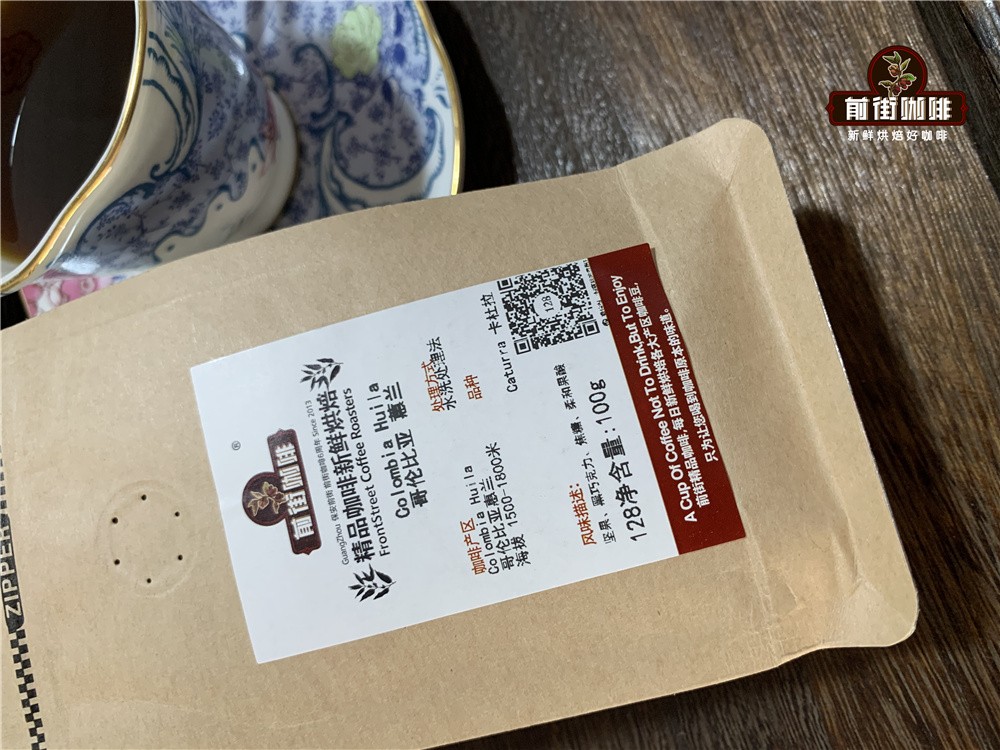
Of course, some customers need Front Street to help grind the coffee, and that is no problem either, but Front Street would like to remind you: once coffee beans are ground into powder in advance, they no longer need resting, because during transportation the pressure produced by carbon dioxide inside the package can also make the coffee flavor rounder, so once you receive the coffee powder you can immediately brew a cup. However, coffee powder needs to be brewed as soon as possible, because after contact with air it oxidizes quickly and the flavor disperses faster, so the quality is not as good. Therefore, Front Street recommends buying whole beans and grinding fresh for each brew, so that the coffee's flavor can be better enjoyed.
Professional coffee knowledge exchange. For more coffee bean information, please follow Coffee Workshop (WeChat public account cafe_style)
For more specialty coffee beans, please add the private WeChat of Front Street Coffee, WeChat ID: qjcoffeex
The above content is compiled by CoffeeHunters, a coffee news website.


