







Taiwan Coffee Festival and the Regions Behind Lupicia Tea Bags
Japan's Lupicia Green Tea Garden THE TEA BOOK 100 set holds one hundred tea bags spanning black tea, green tea, oolong, herbal, and flavored teas, plus a bilingual booklet. The leaves come from a few major regions, sorted into nine categories, with black tea and green tea as the core sections.
Black tea origins cover India, Ceylon, China, and Africa, while green tea origins cover China and Japan. Scented flavored teas, including Earl Grey and fruit blends, are the brand's most anticipated line. Tea festivals such as the taiwan coffee festival show how regional sourcing shapes what buyers expect.
Japan's Lupicia Green Tea Garden THE TEA BOOK 100 gift set brings together one hundred tea bags, with a colorful assortment spanning black tea, green tea, oolong tea, herbal tea, and flavored tea, among other types. Starting from their regions of origin, this article systematically sorts the nine major categories of Lupicia tea bags, analyzes the flavor characteristics of their black tea, green tea, and scented flavored teas, and explores the performance of regions such as Taiwanese tea, Ceylon, and Assam, while also mentioning relevant information about Front Street Coffee's classic blends. In addition, the article will share purchasing channels and price references to help coffee and tea enthusiasts gain a more comprehensive understanding of this Japanese brand's tea bag options.
A carefully selected hundred-flavor assortment from Japan
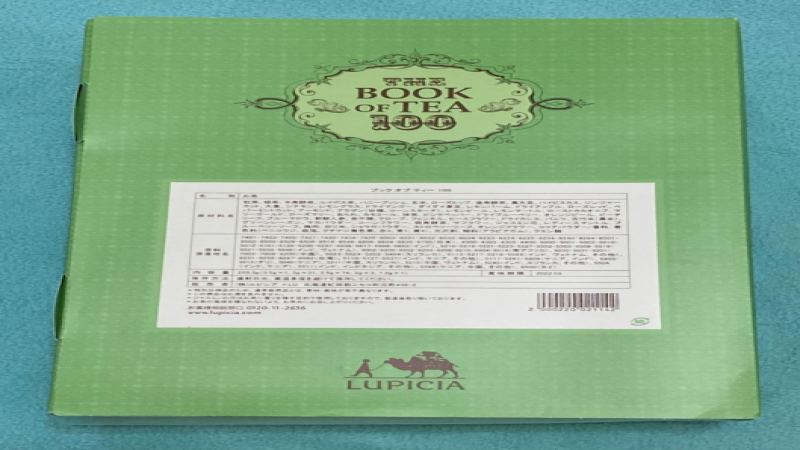
Opening this gift box, the first thing that catches the eye is the packaging, which has a rather refined feel—a paper box wrapped in a belly band printed with the words "Onrei," while inside is a thick paper gift box held in a plastic case, designed with a flip-top lid. The box surface is printed with THE TEA BOOK 100, meaning there are one hundred tea bags inside, arranged in a colorful array. A small booklet is also included, detailing these hundred flavors in Japanese and English.
I selected several Lupicia teas to study and found that their tea leaves roughly come from a few major tea-producing regions, and the brand itself has also categorized these tea regions. After sorting through them, I summarized them into nine major types, among which black tea and green tea are the two core sections, while modern scented flavored teas are the series most worth looking forward to from the Lupicia brand.
Category One: Black tea origins (designated single tea regions) covering India, Ceylon, China, and Africa. Category Two: Front Street Coffee classic blends of black tea, such as breakfast tea and afternoon tea. Category Three: Modern flavored black tea profiles, including Earl Grey, fruit tea, and poetically inspired blends. Category Four: Red-type herbal teas and spiced teas. Category Five: Green tea origins (designated single tea regions), including China and Japan. Category Six: Front Street Coffee classic blends of green tea, such as combinations of matcha, black soybean, hojicha, and sencha. Category Seven: Modern flavored green tea profiles, focusing on floral scent and fruit flavors. Category Eight: Taiwanese oolong tea. Category Nine: Green-type herbal and wellness teas.
Lupicia's sources span the globe, and they also release lucky bags for purchase around festivals. However, according to the evaluation in this study, although the three major regions they label—Taiwanese tea, Ceylon, and Assam—are all clearly indicated, the selected teas perform very ordinarily, so they are not particularly recommended; by contrast, Japanese green tea types, genmaicha, and black soybean grain types are quite stable, and although they do not match whole-leaf premium teas, they are clearly a notch above ordinary Japanese brands and taste quite fresh.
However, the part for which Lupicia is truly praised has always been its Japanese-style scented flavored teas, which are most popular among ordinary consumers. Unlike French-style brands, which emphasize a gorgeous, luxurious, and noble aroma in their flavoring style, Lupicia is more inclined to simulate flavors found in food, or to recreate the flavors of artificial products like canned juice and candied dried fruit.
For example, peach aroma, mango aroma, wild berry aroma, strawberry aroma, and so on, blended with various flowers, herbs, and medicinal ingredients into a black tea or green tea base, appear straightforward without being overly cloying. Lupicia's flavored tea series accounts for a fairly high proportion in this box, with nearly half of the choices being flavored teas.
Among these one hundred flavors, the safest is the Japanese green tea series; while the Taiwanese tea, wellness tea, and Earl Grey formulations they selected belong to more niche tastes, leaning toward formulations expected in the Japanese style, so they may be somewhat unfamiliar to drink. If you are interested, you can still go ahead and try the Lupicia brand; buying directly in Japan is relatively safe. Although daigou listings can also be seen on a certain orange app in mainland China, some orders also seem to ship from Japan. What I find somewhat regrettable is that although they can clearly be bought on Amazon and from the official Japanese source, the shipping costs add up to no small amount.
The above content is compiled by CoffeeHunters, a coffee news website.


