







For professional coffee knowledge exchange and more coffee bean sharing, please follow Front Street Coffee (FrontStreet Coffee)
In plant taxonomy, coffee belongs to the Rubiaceae family, under which there are at least over a hundred coffee species. About eighty coffee tree varieties have been confirmed, among which three varieties are cultivated for drinking coffee: Arabica, Robusta, and Liberica.

Coffee beans are divided into three major categories: the small-bean Arabica, the medium-bean Robusta, and the large-bean Liberica.
Large-bean coffee
Also known as the Liberica species, it is an evergreen tree. The plant is tall, reaching over 10 meters, with thick and hard branches that grow diagonally upward, and the branches undergo suberization most rapidly. The leaves are elliptical or round, with glossy leathery surfaces, pointed leaf tips, and smooth leaf margins. The fruit is large and oblong, with hard and thick skin and pulp, and a large protruding navel. This species has a deep taproot, is relatively drought-tolerant, has moderate wind and cold resistance, is light-tolerant, and is most susceptible to rust disease. Yield per plant is high, but yield per unit area is low. The flavor is intense and highly stimulating.
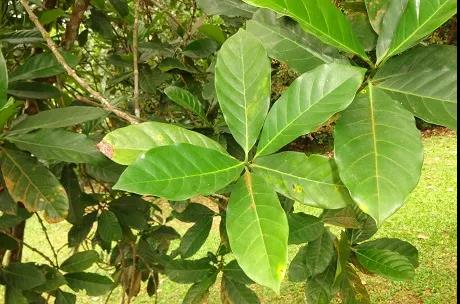
Large-bean leaves are elliptical or round
Liberica was first discovered in Liberia, West Africa. Liberica coffee trees are taller than Arabica and Robusta, and the Liberica coffee species has strong disease resistance and environmental adaptability. From the appearance of the coffee tree, Liberica leaves are larger than those of ordinary coffee species. From the appearance of the coffee fruit, it is actually much larger than ordinary coffee beans, and because the outer skin is thick, it is not easy to remove the coffee skin and pulp, making the post-processing of coffee more troublesome.
Most coffee trade is dominated by Arabica and Robusta, while Liberica currently accounts for only 1% of the world's total economically cultivated coffee production. The quantity can be said to be very small, with almost minimal cultivation in Malaysia. Because its commercial value is not high, it is rarely specifically discussed, and it is almost not circulating on the market.
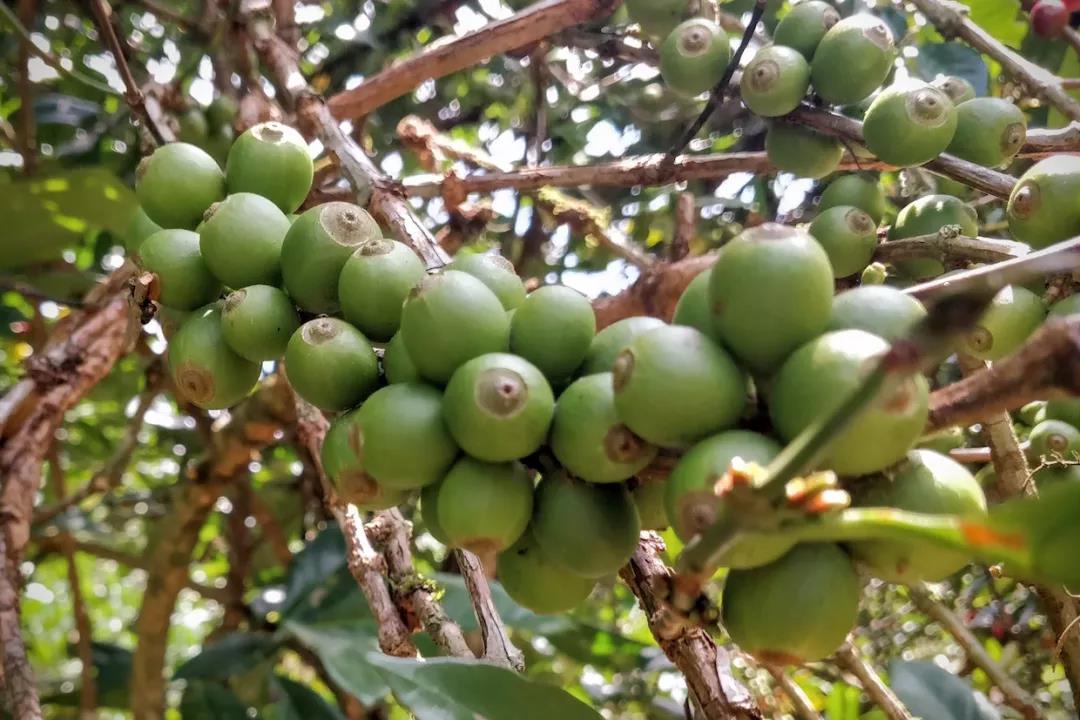
Large-bean fruit is large and oblong
Medium-bean coffee
Refers to the Canephora coffee species, which accounts for less than 30% of total world production, but has fewer sub-varieties under it, with Robusta being the most representative. Robusta originated in Congo, Central Africa, and belongs to the medium-bean coffee species.
Just as the Geisha we often hear about belongs to the Arabica species, but among the Canephora species, only the Robusta variety has been commercially cultivated and promoted, so Robusta has almost become synonymous with the Canephora species. Varieties derived from natural hybridization between Robusta and Arabica, such as Tim and Catimor, are now also widely cultivated and are classified under the broad category of Arabica.
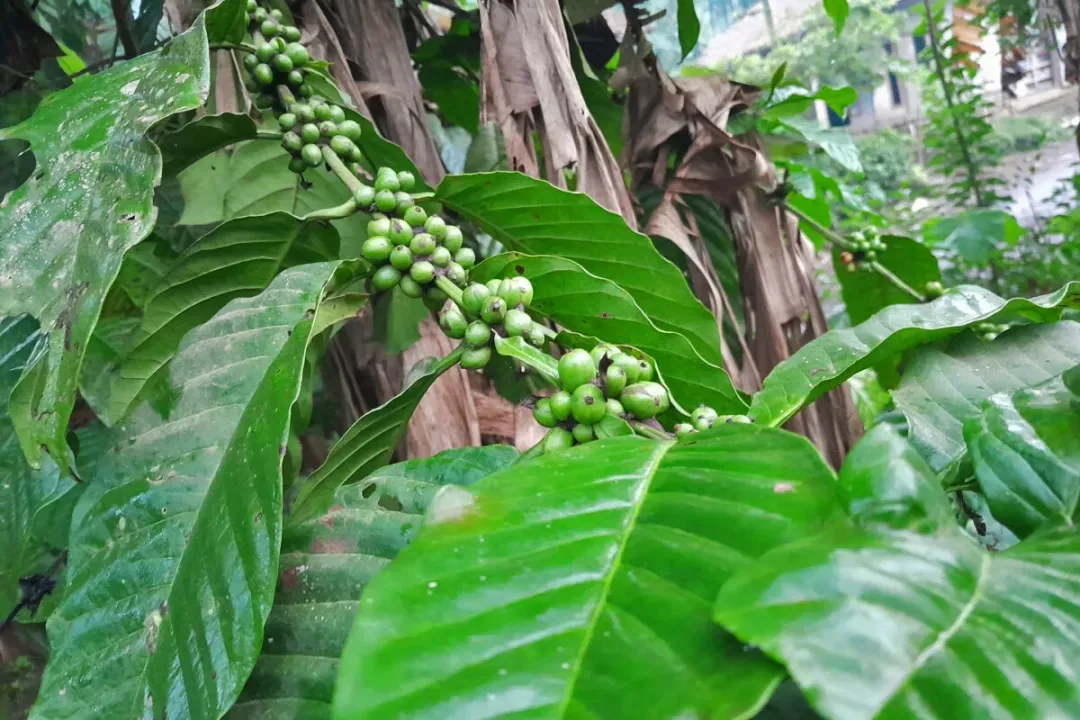
From a cultivation perspective, Robusta coffee trees can tolerate high temperatures, cold, drought, and humidity, with an extremely high survival rate. Its caffeine content is high (1.7%~3.0%), about twice that of Arabica. Caffeine, as a natural pesticide for plants, protects Robusta from most insect damage. A single Robusta plant has a high yield of fruit, which is slightly rounder and smaller than Arabica coffee fruit, with a flat and round bean shape and a straight center crack.
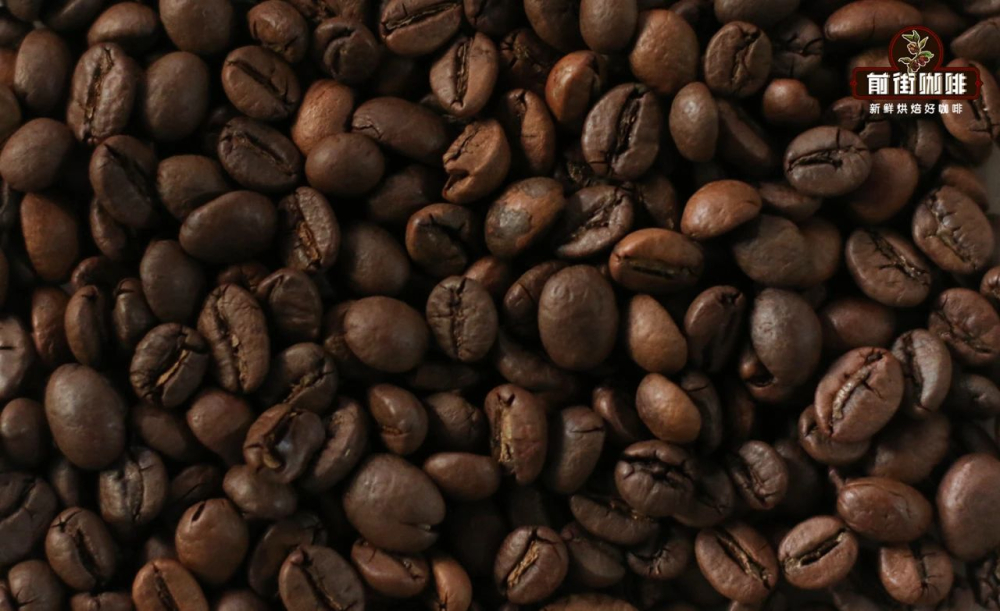
Because of Robusta's tenacious vitality, advantages of high yield and fast maturation, and strong environmental adaptability, it is generally planted in low-altitude plains, where mechanized unified management and harvesting can be directly used. Therefore, the production cost required for Robusta cultivation is lower, making it more suitable for commercial mass production, and naturally the selling price is cheaper. The biggest advantage of Robusta is its rich oil content, which is very suitable for espresso bean blends. Front Street Commercial Espresso Blend and Front Street Classic Espresso Blend are recommended.

Small-bean coffee
Arabica coffee accounts for about 70% of total world production. Arabica is the most prestigious category, originating from Ethiopia, belonging to small-bean coffee, and is also one of the synonyms for "premium coffee" on the market.

Initially, after Ethiopians discovered coffee, they would pick coffee leaves to chew for refreshment, and the fruit was also used as medicine. Later, through research by Arab scholars, people developed the habit of roasting and drinking it. In the 16th century, Arabs spread it through trade to various parts of the world, and it gradually developed into today's popular beverage. Many specialty coffee beans we know belong to the Arabica variety, such as Front Street Jamaica Blue Mountain coffee beans, Front Street Panama Geisha coffee beans, Front Street Yirgacheffe coffee beans, etc., all classified within this variety.
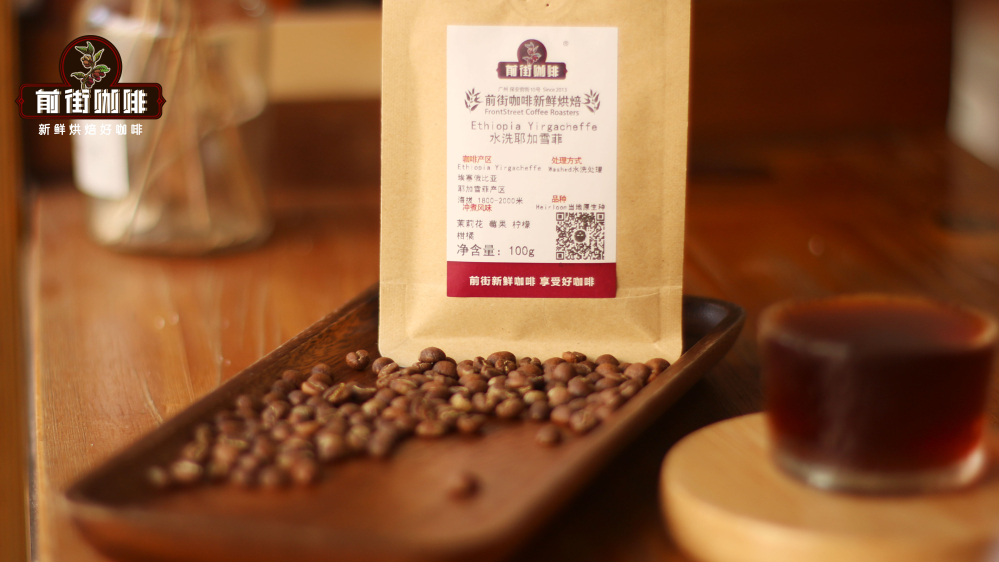
However, to express diverse flavors, Arabica needs to be grown in highlands of 800-2200 meters without frost. The higher the altitude, the more significant the temperature difference formed, which delays the maturation of coffee fruit, better helping coffee accumulate flavor substances, and developing fuller aroma. The microclimates of various coffee-producing regions provide diverse growing conditions for Arabica, forming unique flavor profiles. At the same time, the higher the altitude, the more susceptible coffee is to pests and climate effects. Generally, when planted at higher altitudes, the fruit produced is fewer, and the maturation period is slower. High-quality Arabica coffee requires more manual management and harvesting, and the production cost is also higher.
Is Yunnan small-bean a small-bean coffee species?
Most coffee grown in Yunnan is Arabica and its variants/introduced species/cultivated varieties. In terms of lineage, Arabica accounts for the majority of these coffees, so they are collectively called "Arabica species" coffee beans.

Arabica coffee is also known as small-fruit coffee, or "small-bean coffee." It originated from wild coffee produced in Africa, and later spread to Europe through Arabia and became widely known, hence the name. Arabica coffee beans account for over 70% of world coffee production. As the "face" of China's coffee industry, Yunnan coffee also belongs to the Arabica species. To distinguish it from Hainan's medium-bean coffee, farmers call it "small-bean coffee," so adding the place name gives exactly "Yunnan small-bean coffee."

Front Street.Yunnan small-bean coffee beans
Region: Baoshan, Yunnan, China
Altitude: 1200m
Variety: Catimor
Processing method: Washed
Flavor: Nutty notes, herbal, chocolate, caramel, with a faint fruity acidity in the aftertaste
In fact, the earliest Yunnan small-bean referred to the ancient Ethiopian native variety—Typica. It can be said that all Arabica coffee bean varieties are derived from Typica. Typica has bronze-colored top leaves, and the bean shape is elliptical or slender and pointed. The flavor is elegant, but disease resistance is poor, and fruit yield is low, so its cultivation range is not wide. To taste authentic Yunnan small-bean, it is recommended to buy Front Street 2013 Yunnan Typica, which comes from Lincang, Yunnan, and uses sun-dried processing,making the coffee sweeter.
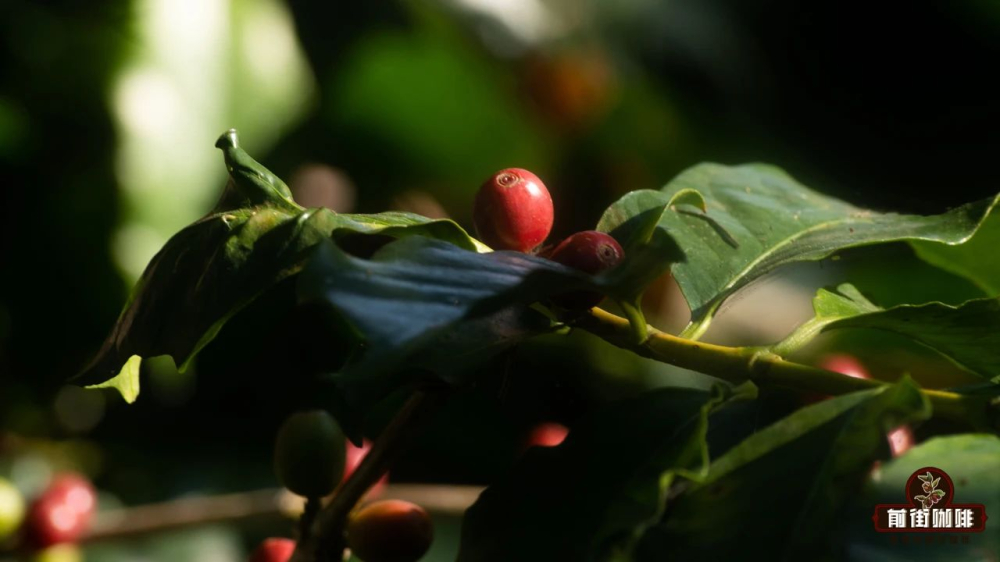
When November arrives, the coffee fruits grown by Front Street also mature one after another. Front Street arranges workers to pick the red coffee cherries one by one and spreads the fresh coffee fruit under the sun for natural drying, turning them regularly to ensure even dehydration and avoid negative flavors from excessive fermentation.
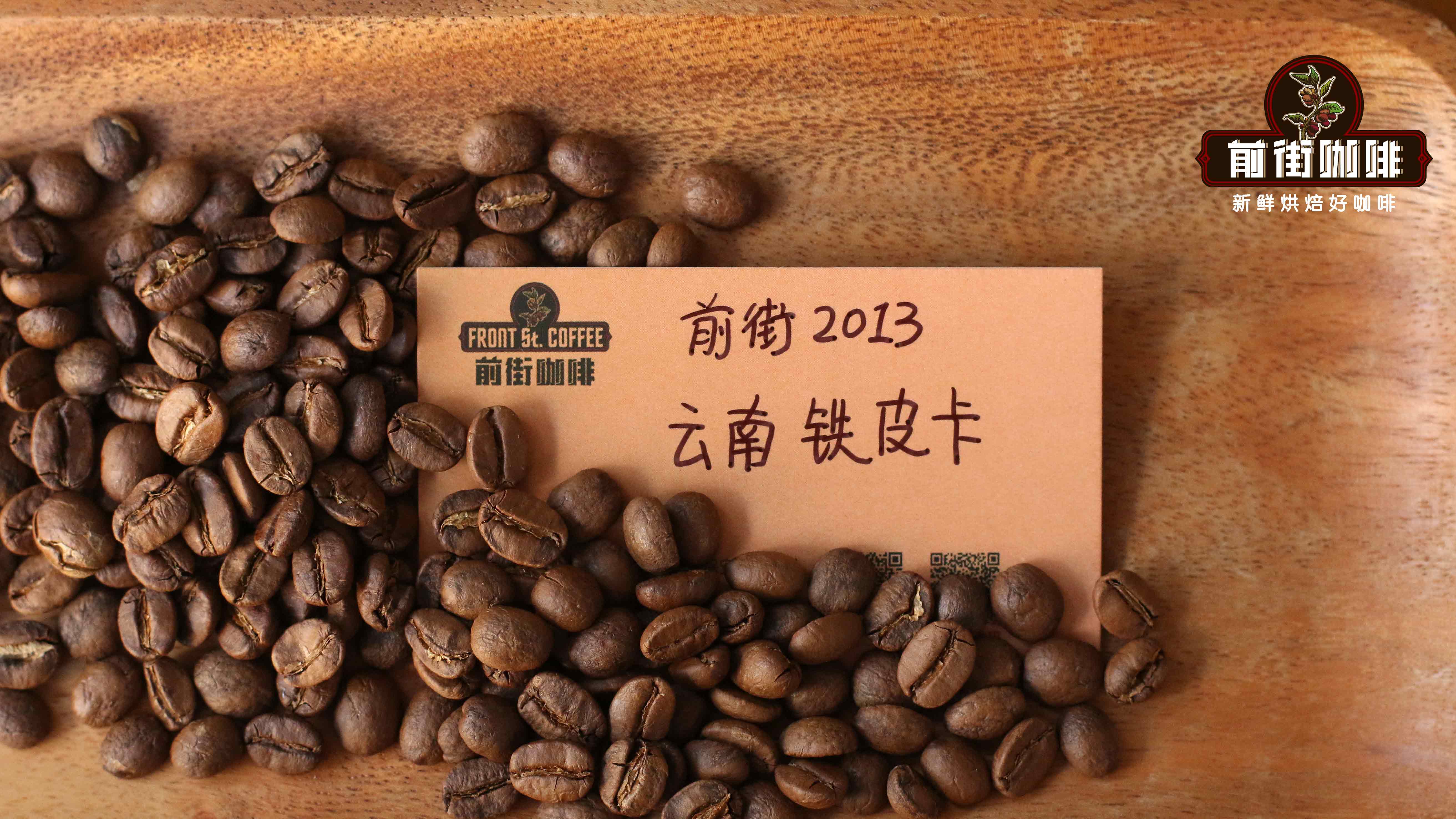
Front Street 2013 Yunnan Sun-Dried Typica
Origin: Lincang, Yunnan
Estate: Front Street Coffee
Variety: Typica
Processing method: Sun-dried
The above content is compiled by CoffeeHunters, a coffee news website.


