







Search Results for: coffee bean parameters

How to brew unfamiliar coffee beans perfectly in one go? Determine pour-over parameters for light and dark roasts based on roast level and density
Buying a bag of unfamiliar coffee beans, the biggest fear is using the wrong parameters and wasting good beans for nothing. In fact, even without an existing brewing recipe on hand, you can judge whether the beans suit a high-efficiency or low-efficiency extraction method by observing their roast level and density, and thereby set the appropriate water temperature, grind size, and ratio. In this article, Front Street Coffee will walk you through starting from flavor descriptions and bean hardness, breaking down the differences between light-roast and dark-roast coffee beans step by step, and using two beans—Ethiopian Huakui and PWN Golden Mandheling—as examples to provide directly referenceable pour-over parameters, so you can brew confidently even when facing new beans. [more…]
A Complete Analysis of Pour-Over Coffee Parameters: Scientific Adjustment Approaches to Coffee-to-Water Ratio, Grind Size, Water Temperature, and Time
Many coffee enthusiasts make a point of visiting Front Street Coffee, drawn not only by the impressive variety of coffee beans but also by the baristas' brewing skills, which never fail to impress. When it comes to brewing a great cup of coffee, does it ultimately come down to hands-on technique or mental understanding? Front Street Coffee believes that water flow control and pouring are merely the basics. What truly determines the flavor direction is a deep understanding of the four key parameters: grind size, coffee-to-water ratio, water temperature, and time. This article will systematically lay out ways to improve your pour-over skills, from the interconnected relationships between parameters and methods for categorizing coffee bean characteristics to practical tips for keeping brewing records. Whether you are a beginner just getting into pour-over or an experienced brewer looking to break through a plateau, you'll find actionable guidance here. [more…]
Hand-Pour Coffee for Absolute Beginners: A Practical Guide from Tasting and Journaling to Flexible Parameter Adjustment
Many people who are just getting into pour-over coffee feel that the barrier to entry is high, but in fact, as long as you grasp the four core parameters of grind, water temperature, ratio, and time, brewing good coffee is not difficult. This article starts from a beginner's perspective and shares three practical tips for getting up to speed quickly: first, learn how to taste a cup of coffee, and build flavor judgment through drinking more and comparing, using cupping when necessary to understand the normal state of the beans; second, develop the habit of record-keeping, systematically tracking bean information, brewing parameters, and final performance, and learn to control variables to understand the impact of each parameter on extraction; finally, on the basis of familiarity with the logic of the parameters, adjust flexibly and make targeted corrections for problems such as under-extraction. In the article, Front Street Coffee uses Huakui as an example, giving specific parameters and adjustment ideas to help beginners avoid detours. [more…]
Pour-over coffee knowledge | How can coffee novices improve the quality of their pour-over coffee? How to understand coffee server parameters? How to identify the characteristics of coffee bean origins, varieties, and roast levels?
Many friends have come to visit Front Street Coffee, drawn by its reputation. Besides marveling at the wide variety of coffee beans, they also greatly admire the baristas' brewing skills. Among them, many want to discuss pour-over brewing with the baristas. So Front Street Coffee takes this opportunity to share some thoughts on how to improve coffee brewing skills. Before that, Front Street Coffee asked [more…]
From pouring techniques to parameter records: practical approaches to systematically improve pour-over coffee across four dimensions
Many coffee enthusiasts come to Front Street Coffee, and besides being amazed by the rich bean list, they are also full of curiosity about the barista's brewing technique. Does pour-over rely on hand strength or brainpower? The answer is actually the latter. Water control and circular pouring are just basic entry-level skills. What truly determines the quality of a cup of coffee is the understanding of the relationships among parameters such as grind size, coffee-to-water ratio, water temperature, and time, as well as knowledge of the coffee bean's producing region characteristics and roast level. Starting from Front Street Coffee's brewing practice, this article sorts out four directions for improvement: solid pouring training, establishing parameter logic, categorizing bean characteristics, and recording and reviewing after each brew, helping pour-over beginners find a clear path for advancement. [more…]
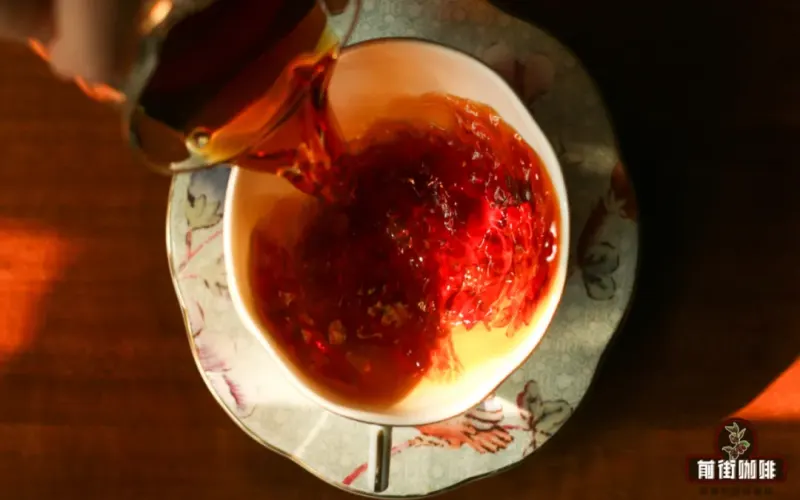
How to Improve the Aroma of Pour-Over Coffee? A Detailed Explanation of the Flavor Window for Single-Origin and Espresso Beans and Extraction Parameter Adjustments
Many coffee enthusiasts who brew pour-over at home often find that the coffee they make falls short of what a café produces, whether in aroma or flavor expression. In fact, the key to recreating a cup of pour-over coffee that is rich in aroma and layered in flavor lies in two core elements: first, using fresh coffee beans that are still within their optimal tasting window; second, achieving full extraction through scientific brewing parameters. Drawing on the practical experience of Front Street Coffee, this article systematically explains the criteria for judging coffee bean freshness, the brewing parameters corresponding to different roast levels, and how to flexibly adjust grind size based on flavor feedback, helping you consistently brew a good cup of coffee with a rich aroma and vivid flavor. [more…]
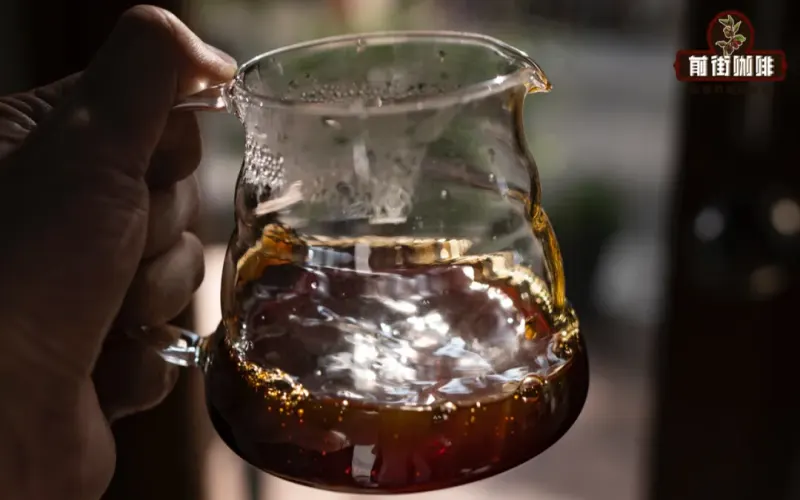
Pour-over coffee lacking aroma and thin in flavor? Analyzing parameter adjustments for light and dark roasts from the perspective of strength and extraction yield
Ever brewed the same coffee beans at home, only to find it never tastes as rich as what you get in a café? The problem usually lies in strength or extraction yield. Insufficient strength often comes from using too much water and diluting the coffee, while under-extraction stems from poorly tuned parameters like water temperature, grind size, and brew time. This article breaks down in detail how to improve the flavor by adjusting the coffee-to-water ratio, water temperature, and grind size, and shares two sets of brewing parameters from Front Street for medium-light and medium-dark roasted coffee beans, helping you easily brew pour-over coffee with full aroma and standout flavor. [more…]

Why Do Freshly Roasted Coffee Beans Need to Rest for Two to Three Days? Brewing Parameters for Fresh Beans and Three Practical Approaches Explained in Detail
Freshly roasted coffee beans often carry a large amount of carbon dioxide and a harsh, dry sensation. Brewing them directly will greatly diminish the flavor, and the cup will not be smooth enough to drink. This article addresses this common problem by outlining three practical solutions for dealing with fresh coffee beans: first, accelerating gas release through degassing; second, adjusting parameters such as water temperature, grind size, and blooming time to improve extraction efficiency; and third, adopting immersion-based extraction, which has a higher margin for error. Using Front Street Ethiopia Hamashu coffee beans as an example, the article provides specific details on dose, water temperature, coffee-to-water ratio, and staged pouring demonstrations, and compares the flavor differences under conventional parameters, helping coffee lovers brew a relatively excellent cup even when they are impatient to drink it. [more…]
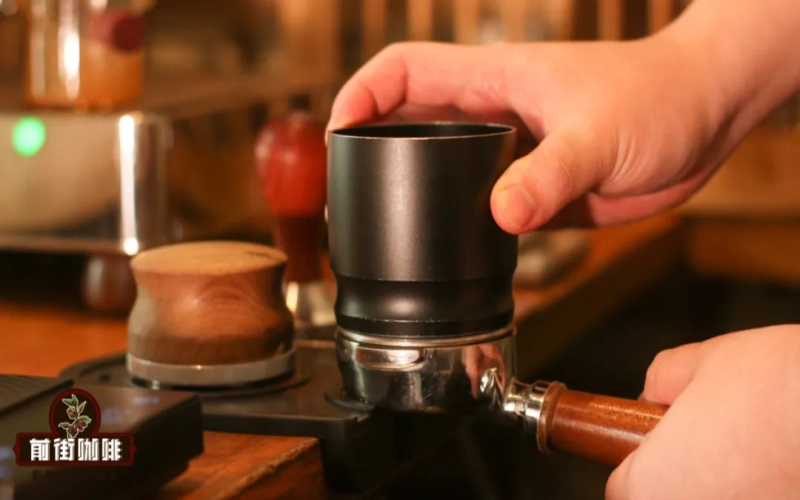
How to judge and adjust espresso extraction parameters? An analysis of the causes of channeling and uneven extraction
Many friends who are just getting into espresso often wonder: when exactly should you adjust extraction parameters, and how should you adjust them? In fact, judging whether a shot of espresso is normal cannot rely only on numbers like dose, yield, and time—it also requires evaluating the flow condition and final taste together. Drawing on Front Street's hands-on experience, this article explains that parameters fluctuate every day due to factors such as weather and bean condition, and uses the specific case of Front Street's classic blend to explain how to judge under-extraction or over-extraction by observing flow speed, the stability of the liquid stream, and tasting acidity and bitterness, while also giving the corresponding adjustment directions, including fine-tuning the dose, yield, or grind size. [more…]

Analyzing the Causes of Astringency in Pour-Over Coffee: Under-Extraction or Over-Extraction? Brewing Parameters and Operational Tips for Light-Roasted Beans
Many coffee enthusiasts encounter astringency in their coffee during pour-over brewing. Some believe this is a matter of bean quality, but in reality, the brewing process is often the key factor. Starting from the causes of astringency, this article analyzes the relationship between polyphenolic compounds and the degree of extraction, explaining why under-extraction is more likely to cause pronounced astringency. At the same time, for light-roasted coffee beans, it provides a reference brewing parameter scheme, including key points such as coffee dose, coffee-to-water ratio, water temperature, grind size, and extraction time. Combined with the example of Front Street Coffee Yirgacheffe Gutingding, it helps readers understand how to improve coffee flavor by adjusting parameters. [more…]
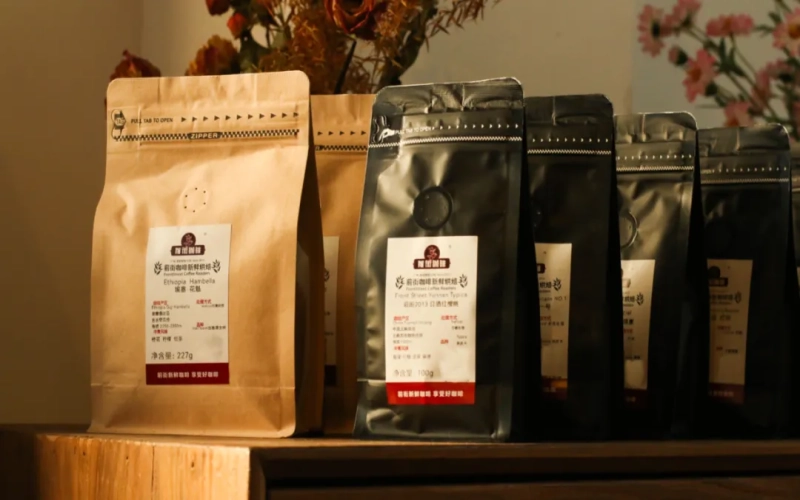
How Should Coffee Brewing Parameters Be Adjusted for Different Processing Methods? An Analysis of Water Temperature and Grind Differences for Natural, Washed, and Anaerobic Coffees, and Why Anaerobic Beans Drain Fast
When faced with coffee beans processed in different ways, is it necessary to design a separate brewing recipe for each one? Front Street believes that rather than recording tedious parameters one by one and bearing the high cost of trial and error, it is better to categorize beans by processing method or roast level and use a single recipe with a broad coverage range. This article focuses on three processing methods—natural, washed, and anaerobic—explaining the differences in their flavor expression, as well as the targeted adjustments that can be made during brewing, including the thinking behind setting water temperature, coffee-to-water ratio, grind size, and extraction time. The article also specifically explains why anaerobically processed coffee drains faster, and how to ensure full extraction by grinding finer or switching to a slower-flow filter basket. All parameters are based on medium-light roasted beans, with adjustment suggestions for medium-dark roasted beans included. [more…]
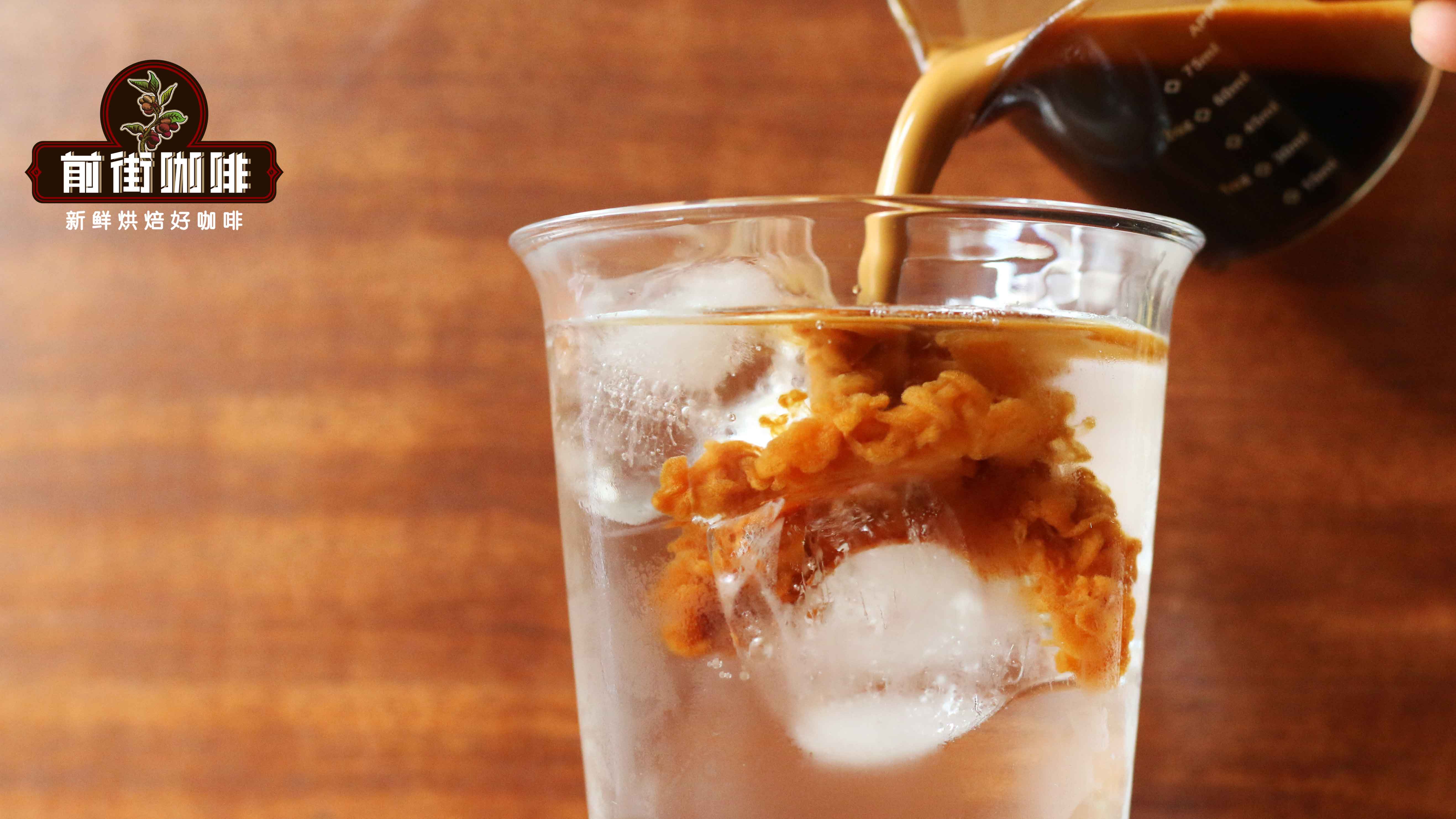
Why Is Starbucks Americano So Bitter? Decoding Americano Flavor from Bean Variety and Roasting to Extraction Parameters
Americano is a black coffee made by diluting espresso with water, and almost every coffee shop sells it, but many people are put off by Starbucks' bitterness the first time they try it. In fact, whether an Americano is bitter depends on green bean quality, roast level, freshness, and extraction parameters. Starting with the caramelization reaction of Starbucks' dark-roasted beans, this article sorts out the origin and taste characteristics of Americano, and shares the espresso blend beans and basic extraction parameters recommended by Front Street Coffee, to help coffee lovers make a smooth cup of Americano at home. [more…]
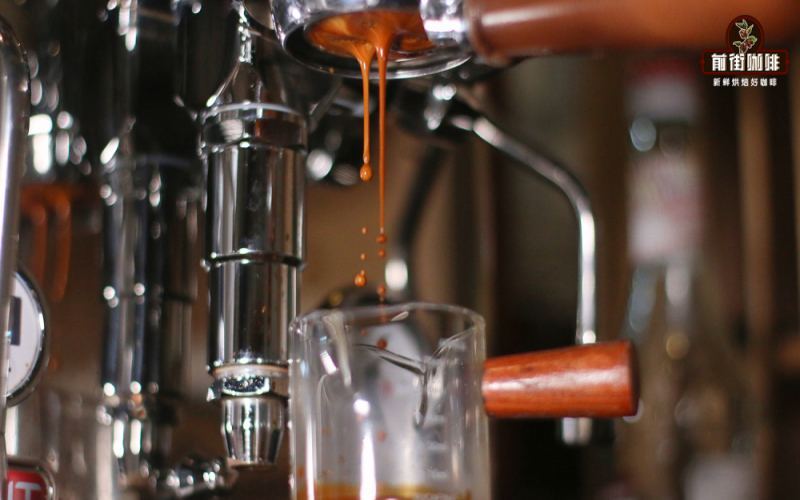
Espresso Blend Bean Selection and Espresso Extraction Parameter Adjustment: A Practical Analysis from Roast Level to Grind Dose
Espresso is a precious beverage that Italy has gifted to the world. It may seem to require only a few dozen seconds of extraction, yet behind it lies a precise coordination of a series of parameters including grind size, water temperature, dose, and liquid yield. Starting from the freshness and roast level of coffee beans, this article explains how different roast levels affect extraction stability, and introduces the flavor characteristics and suitable scenarios of several Front Street espresso blends. It then provides an in-depth analysis of how brew ratio, dose adjustment, grind coarseness, and humidity changes affect flow rate and flavor. Combined with real parameter-tuning cases from Front Street Coffee shops, it demonstrates how to achieve an ideal balance among aroma, acidity, and body through fine-tuning of dose and grind size. [more…]
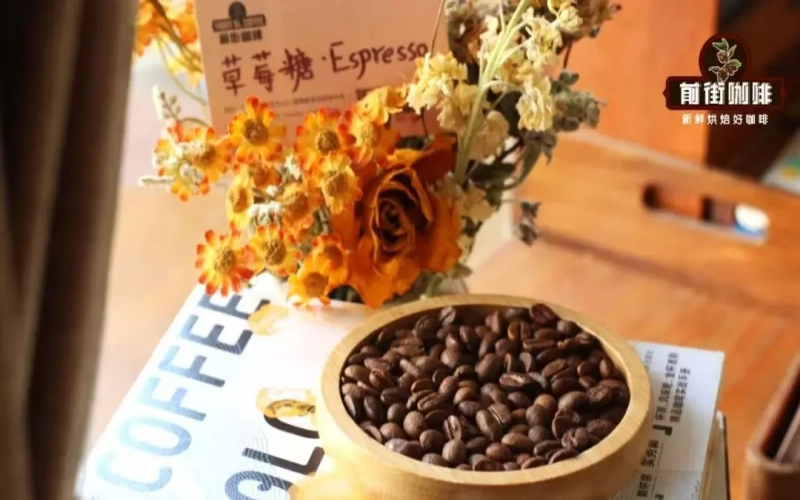
Can Espresso Beans Be Brewed as Pour-Over? A Full Analysis of Blend, Single-Origin, and SOE Characteristics and Brewing Parameters
Many coffee enthusiasts are curious: can espresso beans be used for pour-over? The answer is of course yes, but between "can brew" and "tastes good" lies a gulf of parameters. Espresso beans are usually roasted darker, with the aim of balancing the acidity and bitterness for both milk coffee and espresso. If you directly apply the parameters for light-roast pour-over beans, it is very easy to over-extract. This article starts with the differences in roasting, explains the respective characteristics of espresso blend beans, single-origin pour-over beans, and SOE, and, using Front Street Coffee's Huakui and Strawberry Candy Espresso as examples, provides pour-over adjustment plans for medium-roast espresso beans—lowering the water temperature and coarsening the grind—so as to brew a balanced, full-bodied coffee with a long, lingering finish. [more…]
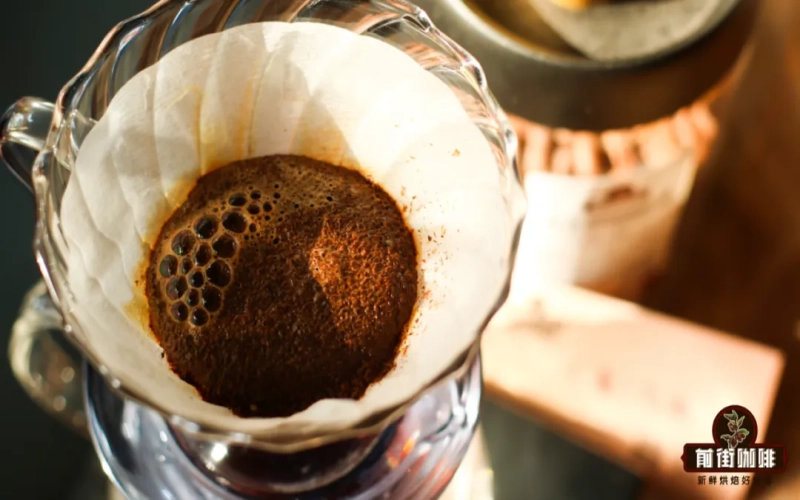
How to Control Pour-Over Coffee Extraction Time? Is 2 Minutes the Golden Standard and How to Respond to Over-Extraction
The brewing duration of pour-over coffee has always been a focal point for enthusiasts: what should you do if the coffee hasn't finished draining after 2 minutes? How long is considered normal for brewing? Starting from Front Street's brewing practice, this article analyzes the impact of time on extraction, explains why 2 minutes is often regarded as a reference standard, and also points out that time is not the only variable. Using light-roasted Huakui and Guodingding as examples, it demonstrates how to match different bean conditions by adjusting water temperature, grind size, dripper, or staged extraction, helping readers understand the importance of parameter coordination rather than obsessing over a single time metric. [more…]
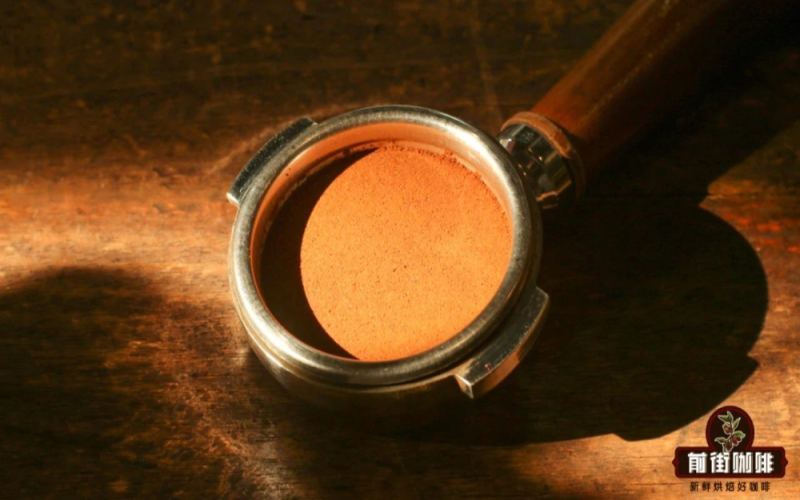
The Complete Guide to Espresso Extraction: A Practical Guide from Coffee Bean Selection to Grind Parameter Adjustment
In today's era where single-origin and pour-over coffee are all the rage, espresso extracted with a semi-automatic espresso machine remains the cornerstone of a café's product line. Making a qualified espresso may seem as simple as pressing a button, but in reality, there are numerous variables at play. This article will systematically outline the standard appearance and flavor characteristics of a good espresso, and explain how to develop an extraction plan based on bean characteristics from the perspectives of primary parameters such as coffee bean quality, roasting differences, grind size, and dose ratio, as well as secondary parameters like water temperature and pressure. It will also share how distribution and tamping techniques affect extraction results, and recommend bean options suitable for espresso extraction, such as Front Street Classic Blend, Front Street Specialty Blend, Front Street Commercial Blend, and Front Street Dark Cocoa Base Blend, to help baristas and enthusiasts achieve consistent results. [more…]
Interpreting Standard Espresso Extraction Parameters: A Detailed Guide to the Espresso-to-Milk Ratio in Latte
Although latte coffee is everywhere, actually making a delicious latte is not simple. Variables such as coffee bean flavor, milk quality, and extraction parameters all directly affect the final taste. This article will systematically sort out the extraction standards for espresso, analyzing the meaning and adjustment logic of extraction parameters one by one from six dimensions: dose, ratio, time, flow rate, pressure, and water temperature, while also exploring in depth the specific effects of factors such as coffee beans, grind size, and brew ratio on espresso flavor. On this basis, Front Street Coffee (FrontStreet Coffee) will also share the recommended matching ratio of espresso to milk in latte coffee, helping coffee lovers find a serving solution suitable for their own beans and milk. [more…]
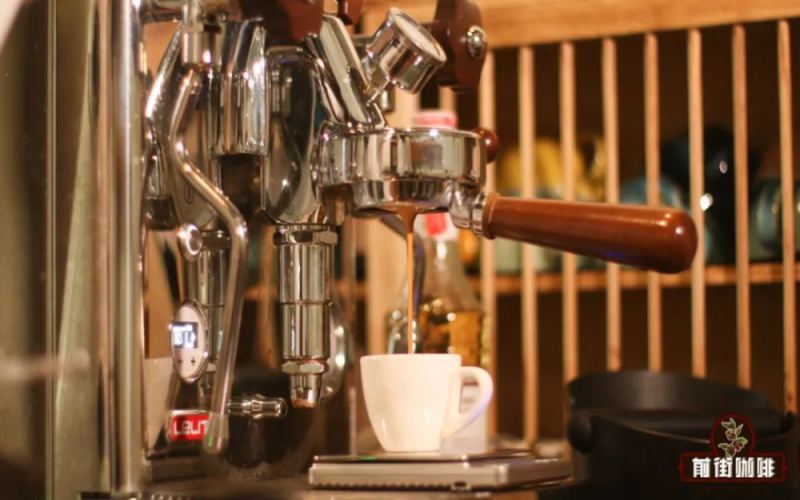
How to stabilize espresso extraction in humid climates? Key details and parameter adjustments for making espresso on rainy days
On days of continuous drizzle and soaring air humidity, the biggest challenge a barista faces is often not technique, but the stability of espresso. A humid environment can cause coffee beans to absorb moisture and lose flavor, and the pressure of the espresso machine may also be weakened, making extraction extremely unstable. This article starts from three angles—reducing bean moisture exposure, adjusting grind and dose, and increasing the frequency of parameter calibration—to sort out the operational details to pay attention to when making espresso on rainy days, helping you maintain consistency and flavor in your output even as humidity changes. [more…]
Espresso Extraction Guide: Water-to-Coffee Ratio, Grind Settings, and Key Points for Parameter Adjustment
To consistently pull a delicious espresso at home or in a café, the brew ratio and grind size are two core variables you can't avoid. Drawing on the hands-on experience of Front Street Coffee, this article systematically breaks down the extraction logic of espresso: why parameters need to be re-dialed in every day, how dose and basket should match, what range the ratio should fall within, how flow rate and time constrain each other, and the real impact of pressure and water temperature on flavor. The article also provides a specific extraction recipe and flavor description for Front Street's Sunflower Warm Sun blend, helping readers turn abstract parameters into flavors they can actually perceive in the cup. [more…]
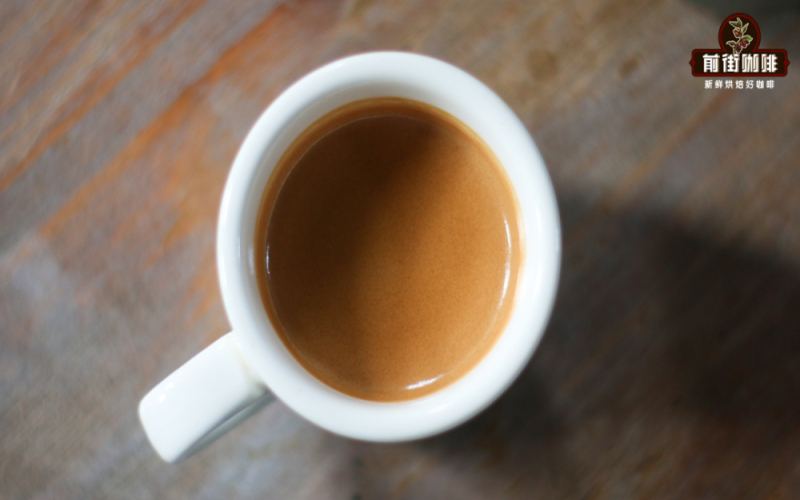
A Detailed Guide to the Espresso Extraction Workflow and Parameter Adjustment Methods
Espresso is the foundation for making popular coffee drinks such as Americano, latte, and cappuccino. This article provides a systematic explanation of the extraction principles of espresso, equipment characteristics, coffee bean selection, and practical operating steps, helping coffee enthusiasts master the key points for extracting a good shot of espresso. The article covers adjustment approaches for core parameters such as grind size, dose, extraction time, and liquid yield, while also introducing the standard daily production process at Front Street stores and the recommended "Sunflower Warm Sun Blend Coffee Beans," offering practical reference for home brewing and daily production. [more…]