







How Should Coffee Brewing Shift by Processing Method?
Coffee brewing does not need a new recipe for every bag. Group beans by processing method and roast level, then apply one wider-range plan covering natural, washed and anaerobic coffees. Water temperature, coffee-to-water ratio, grind size and extraction time shift with each method, which cuts trial and error across a shelf of beans.
Natural beans, fermented whole as fruit, show heavier layering and intense fruit aromas, while washed lots stay cleaner and anaerobic coffees tend to drain faster in the filter. Grinding finer or using a slower-flow basket helps reach full extraction. These suggestions assume medium-light roasts, with separate notes for medium-dark beans.
When it comes to coffee beans with different processing methods, do you need to design a separate brewing plan for each one? Front Street believes that instead of recording cumbersome parameters one by one and bearing a high trial-and-error cost, it is better to categorize beans by processing method or roast level and use a plan with a broader coverage range to handle them. This article focuses on three processing methods—natural, washed, and anaerobic—and explains their differences in flavor expression, as well as the targeted adjustments that can be made during brewing—including the thinking behind setting water temperature, coffee-to-water ratio, grind size, and extraction time. The article also specifically explains why anaerobically processed coffee drains faster, and how to ensure full extraction by grinding finer or switching to a slower-flow filter basket. All parameters are based on medium-light roasted beans, and adjustment suggestions for medium-dark roasted beans are also included.
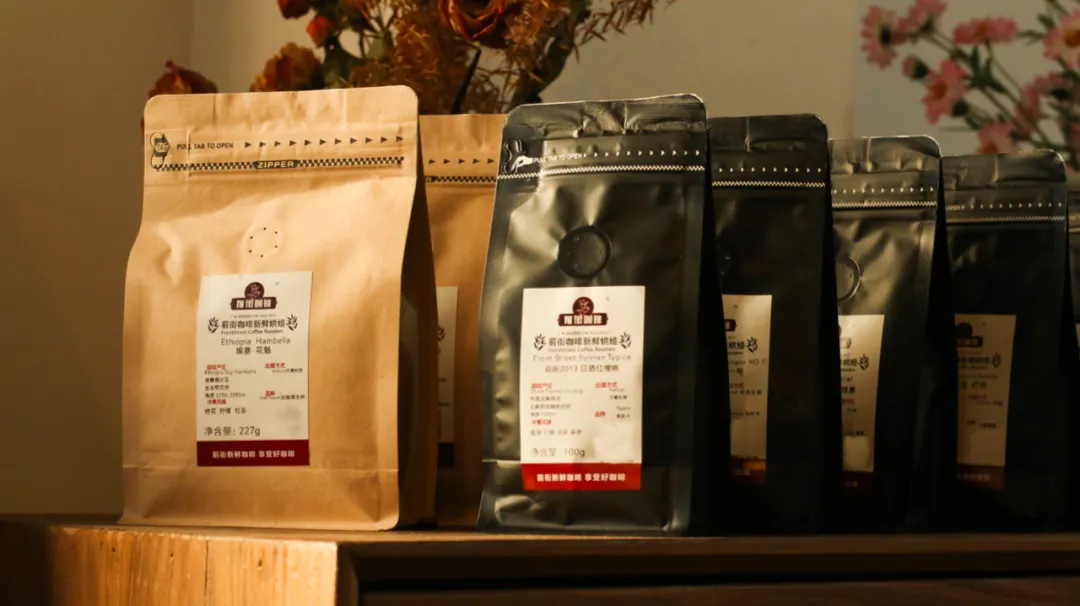
To be honest, operating this way is not unworkable. But if a separate set of brewing parameters is set for every single bean, it puts a lot of pressure on many people—there are too many variables to remember, and quite a few beans are wasted during the debugging process. Therefore, the approach Front Street usually recommends is: first divide coffee beans into categories, then match the corresponding brewing approach based on roast level or processing method. In this way, the amount of information to record is not too large, and at the same time one plan can cover quite a few beans, and any that meet the conditions can be directly applied.
What Front Street wants to talk about today is: when brewing coffee with different processing methods such as natural, washed, and anaerobic, what specific fine adjustments can be made to the plan. We have previously shared content on distinguishing brewing strategies by roast level, so this time the focus falls on processing method, discussing how to design parameters according to the characteristics of each processing method and fully bring out their respective strengths.
How should natural coffee be brewed to taste good?
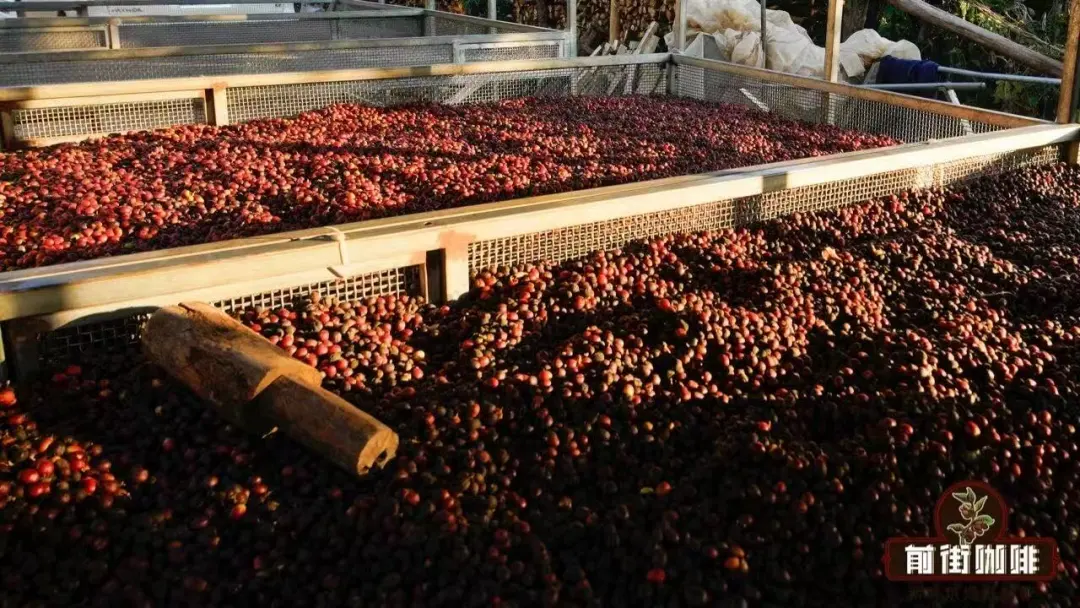
What are the characteristics of natural beans? Front Street has discussed this in detail in past articles. Compared with conventional methods such as washed and honey processing, natural beans have richer layering and a more expressive flavor. The reason is that during the natural process the coffee fruit undergoes quite full fermentation, so we can often capture complex and intense fruit aromas in natural coffee.

For this style of beans, Front Street's usual approach is to increase the coffee-to-water ratio while suppressing the release of bitter compounds. The benefit of doing this is that the coffee not only retains abundant fruit aromas, but also maintains sufficient strength and a balance of acidity and sweetness, so that drinking it feels very much like drinking a glass of freshly squeezed juice.
Taking Front Street's own bean list as an example, when brewing Front Street Ethiopia Hamashu, ALO, Huakui, or Front Street Hacienda La Esmeralda Diamond Mountain and other naturally processed medium-light roasted beans, the parameters Front Street uses are: water temperature 92°C, fine granulated sugar grind (20-mesh sieve pass rate 75%~80%), coffee-to-water ratio 1:15, and extraction time for 15 grams of coffee falling between 2 minutes and 2 minutes 20 seconds.
Brewing naturally processed medium-light roasted beans with this set of parameters can basically produce, consistently every time, a cup of coffee with a distinct flavor, full body, acidity-sweetness dominance, and a strong juicy feel.
How should washed coffee be brewed to taste good?
The characteristics of washed beans take a different path from natural beans. Because they have not undergone excessive fermentation, the coffee's own taste is not interfered with too much, and what we taste from washed coffee is more the true character of the variety and the terroir of the origin. Refreshing and clean—rather than coffee, it is more like a cup of floral and fruity tea—this is the shared expression of the vast majority of washed coffees.
If you want to further amplify these qualities, especially when brewing washed beans with floral notes, Front Street suggests appropriately lowering the water temperature. The reason is that floral aroma compounds in coffee dissolve relatively quickly, and lowering the water temperature can effectively slow the pace at which floral notes volatilize in the early stage of extraction, allowing us to capture more abundant aromas when drinking.
However, after the water temperature is lowered, the dissolution efficiency of flavor compounds will also be reduced, so it needs to be compensated for by extending the extraction time. In addition, the coffee-to-water ratio can be moderately tightened to leave more room for the coffee's flavor to show.
Taking Front Street as an example, when brewing beans from its list such as Front Street Panama Boquete Geisha, Hacienda La Esmeralda Green Label, Red Label Geisha, or Front Street Yirgacheffe Gotingding and other washed medium-light roasted beans with obvious floral notes, Front Street will use the following parameters: water temperature 90°C, coffee-to-water ratio 1:16, fine granulated sugar grind (20-mesh sieve pass rate 75%~80%), and brewing time for 15 grams of coffee controlled at 2 minutes to 2 minutes 30 seconds.
Because these beans themselves all carry floral notes, the coffee brewed with the above parameters has very full floral aromas, followed by the sweet fragrance of citrus and berry fruits, and finishes with a green tea-like aftertaste, making the overall expression quite appealing.
How should anaerobically processed coffee be brewed to taste good?
The characteristics of anaerobic beans should be familiar by now. Because they have undergone deeper fermentation, anaerobically processed coffee often has a clearer and more specific flavor direction, and higher sweetness. But compared with other processing methods, it is actually more difficult to brew anaerobic beans well.
The fundamental reason is that the vast majority of anaerobic processing makes the texture of coffee beans become loose. Although this means flavor compounds are more easily released, it also causes water to pass through the coffee bed too quickly. Many people, when first encountering anaerobic beans, often brew a cup of under-extracted coffee with a thin body and flat taste. The root cause is that the contact time between water and coffee grounds is not long enough, and the target flavor compounds are washed away before they have time to dissolve.
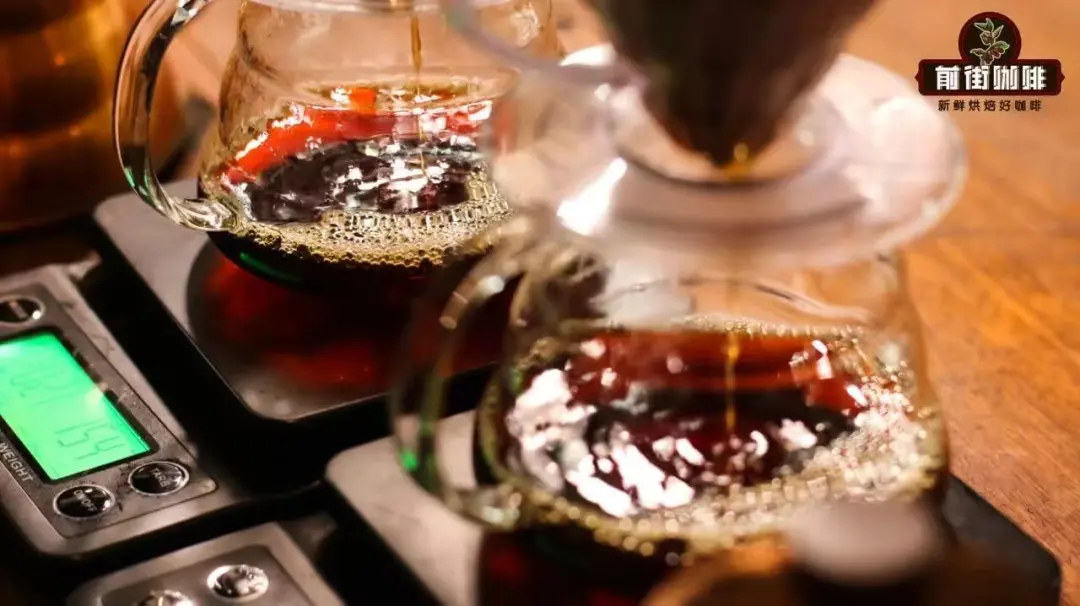
Therefore, if you want to bring out the characteristics of anaerobic beans, the first priority is to ensure sufficient extraction. When brewing anaerobic coffee, Front Street's parameter framework is basically the same as for natural beans: water temperature 92°C, coffee-to-water ratio 1:15, and extraction time for 15 grams of coffee controlled at about 2 minutes. The difference is that the grind should be adjusted one step finer, to around the position of an 80% pass rate on a 20-mesh sieve, so as to ensure that flavor compounds are fully dissolved out. Another optional method is to switch to a slower-flow filter basket.
The above is all the content Front Street is sharing this time. Everyone should be reminded that the parameters mentioned above are all for medium-light roasted coffee beans. If you are brewing medium-dark roasted beans, then the grind size should be adjusted two steps coarser than the original, and the water temperature should be lowered by 3 to 4 degrees accordingly, so as to avoid extracting bitterness and ultimately get a cup of good-tasting coffee.
- END -
The above content is compiled by CoffeeHunters, a coffee news website.


