







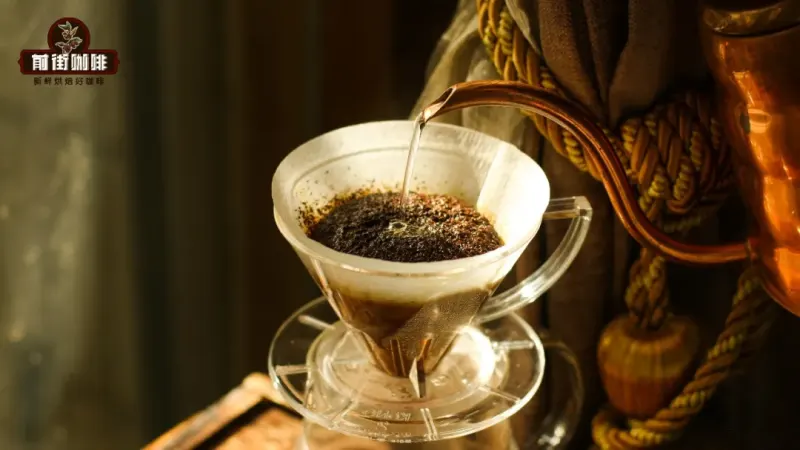
Getting Started with Hand-Pour Coffee
Many people who are new to pour-over coffee think it is complicated, but you only need to understand four main parameters: grind size, water temperature, coffee-to-water ratio, and extraction time. Once these are under control, brewing a good cup becomes much easier. Front Street Coffee uses Huakui as an example, offering specific starting points and adjustment tips that help beginners avoid common mistakes.
The first practical step is learning how to taste coffee. Drinking and tasting are different: tasting means paying attention to flavor, aroma, mouthfeel, aftertaste, and how the coffee changes as it cools. The second step is keeping simple records of beans, parameters, and results. With those notes, you can change one variable at a time and begin to understand how each choice affects the final cup.
Many people who are just getting into pour-over coffee feel that the barrier to entry is high, but in reality, as long as you grasp the four core parameters—grind size, water temperature, ratio, and time—brewing a good cup isn't difficult. This article approaches things from a beginner's perspective and shares three practical tips for getting up to speed quickly: first, learn how to taste a cup of coffee, building flavor judgment through drinking widely and comparing, and using cupping when necessary to understand a bean's normal state; second, develop the habit of record-keeping, systematically tracking bean information, brewing parameters, and final results, and learning to control variables to understand how each parameter affects extraction; finally, on the basis of understanding the logic of the parameters, adjust flexibly and make targeted corrections for issues like under-extraction. Front Street Coffee uses Huakui as an example in the article, providing specific parameters and adjustment approaches to help beginners avoid detours.
To be honest, the barrier to entry for pour-over coffee isn't as high as most people imagine. Although Front Street often discusses some easily overlooked details, what truly determines the extraction result of a cup of coffee ultimately comes down to those few core parameters: grind size, water temperature, coffee-to-water ratio, and extraction time. As long as you have a handle on these four, brewing a delicious pour-over is basically no problem.
However, just knowing the parameters isn't enough—we also need a way to judge whether the parameters we've set are actually correct. Beyond understanding the underlying principles of extraction, the more critical thing is to first learn one thing—how to taste a cup of coffee.
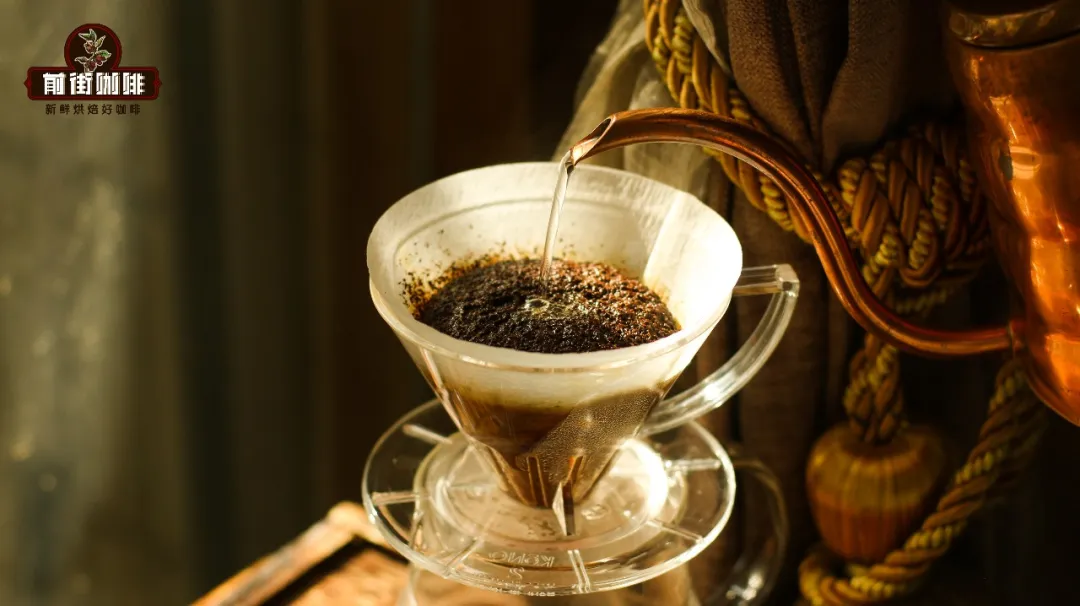
Quick pour-over tip #1: Know how to taste a cup of coffee
Drinking coffee and tasting coffee are not the same thing. Drinking is more about enjoying its flavor or its caffeine kick; tasting, on the other hand, requires us to experience the cup with greater focus and comprehensiveness—not just flavor, but also mouthfeel, aroma, aftertaste, tactile sensation, and shifts in layers.

Put simply, we need the ability to judge whether a cup of coffee is good or bad, and also to distinguish the differences between coffees from different origins—such as differences in flavor direction, or differences in taste type.
There are two methods that can help us quickly master this skill. The first is what Front Street repeatedly emphasizes—"drink a lot." Only by drinking enough can you form a stable understanding of the standard flavor of an origin, a bean, a processing method, or even a good cup of coffee. The second method is "drink comparatively"—that is, choose two coffees from different origins, processing methods, or varieties, brew them at the same time, and taste them alternately.
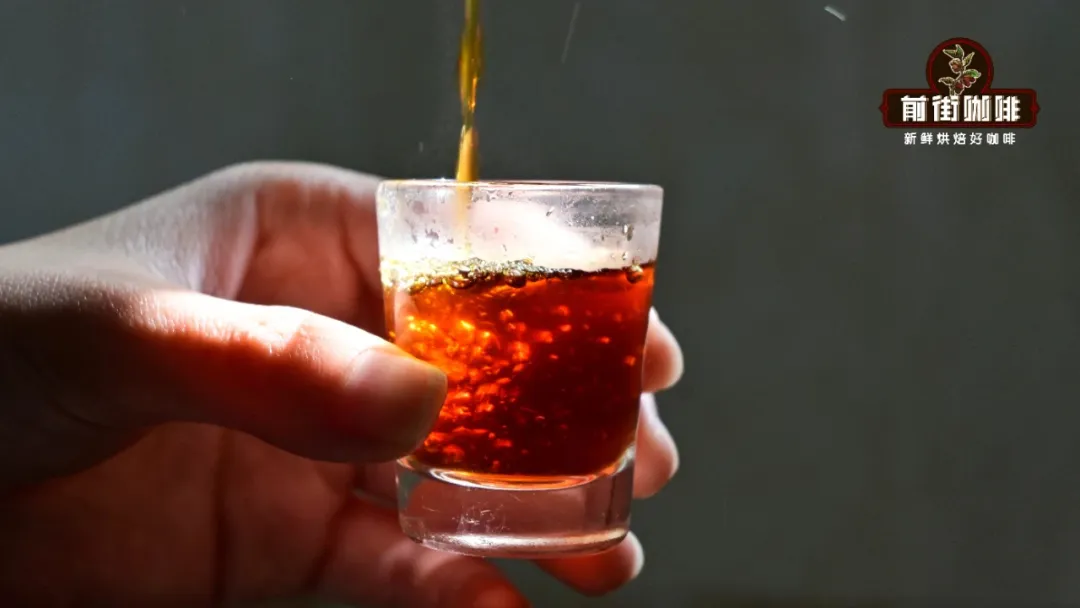
Compared to drinking alone, having a reference point makes it easier to notice the differences between coffees and their respective characteristics. Many details that can't be caught when drinking a single cup become strikingly clear in comparison. For example, natural vs. washed, Ethiopian vs. Mandheling, Geisha vs. Caturra—or, of course, an under-extracted coffee compared side by side with a properly extracted one.
But whether it's drinking a lot or drinking comparatively, the prerequisite is drinking the right coffee. As Front Street always says, we need to first know what a coffee in its normal state tastes like before we can quickly spot what's wrong with it and correct it in time. So during the stage when you can't brew well yourself, if you want to taste a properly extracted, normal-state coffee, besides ordering at a reliable coffee shop, you can also achieve this through cupping.
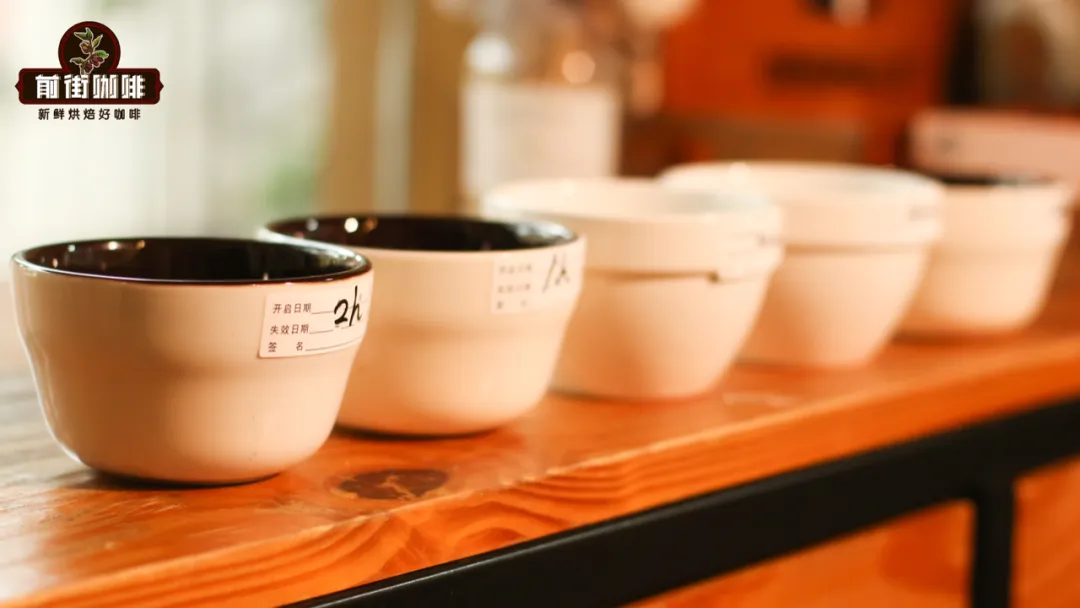
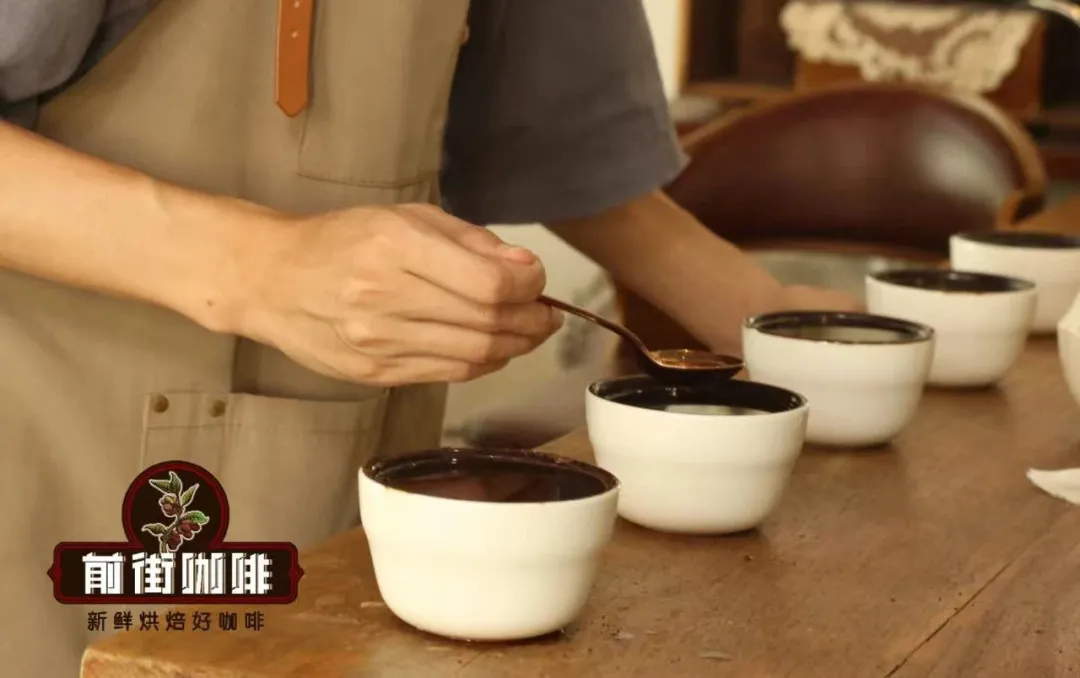
Cupping uses immersion extraction, and the process is very simple: put an appropriate amount of ground coffee and hot water into a bowl, mix them, wait a while, and you can drink a properly extracted, good coffee. Because it's immersion-based, it's neither affected by bean freshness nor at risk of over-extraction. In the vast majority of cases, cupping can indeed help us better understand a cup of coffee.
So Front Street generally recommends that when you're not yet skilled at brewing, or when you're unsure what parameters to use for a certain bean, start with cupping to establish a taste reference. The specific cupping procedure is detailed in Front Street's article "Cupping"—those interested can look it up.
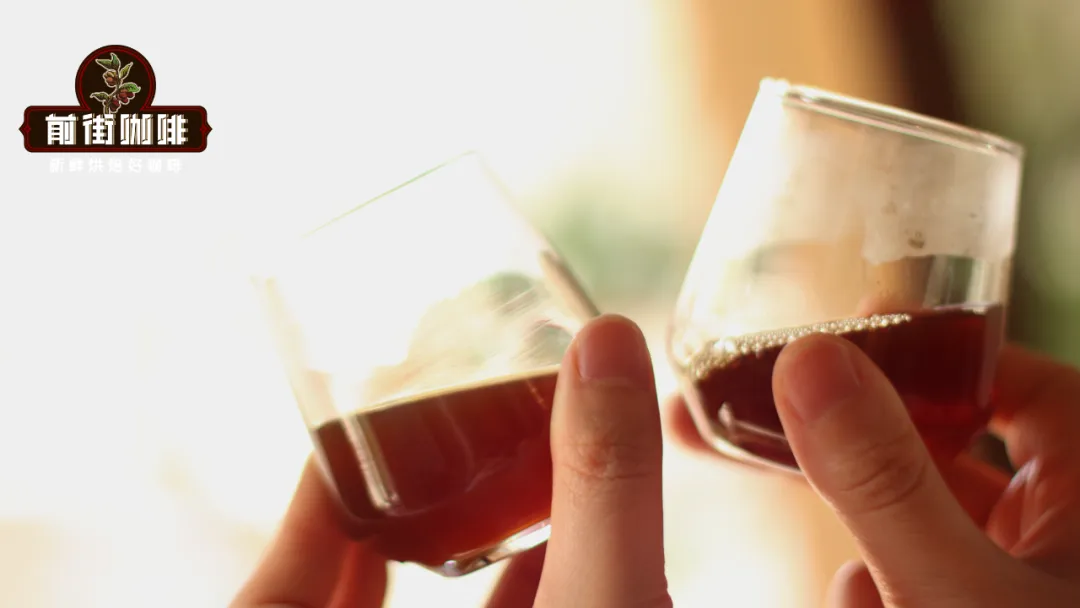
Quick pour-over tip #2: Keep good records
For beginners, Front Street believes that record-keeping is truly important. There's quite a bit to record, including the coffee bean information for the brew (origin, processing method, variety, roast level, roast date), brewing parameters (grind, water temperature, ratio, time), and the final cup performance (aroma, flavor, taste, mouthfeel).
After recording all this, we can review our operation and the coffee's taste after brewing, further understanding bean freshness and how each parameter affects the extraction result.
So how do you use records to figure out how parameters affect extraction? The method is actually very simple: brew the same bean with multiple different parameter sets, then compare the differences between them. But note that there are many variables affecting extraction—water temperature, grind, ratio, time, pouring method all count—so when adjusting, it's best to change only one variable while keeping all others fixed.
Here Front Street gives an example. When Front Street first brewed the Front Street Ethiopia Huakui from the bean list, it used 15g of coffee, a grind of 10 on the Ek43 (75%–80% passing a No. 20 sieve, the consistency of fine granulated sugar), a water temperature of 92°C, a coffee-to-water ratio of 1:15, an extraction time controlled at 2 minutes, and a three-pour method.
The Huakui brewed with this parameter set presented flavors of strawberry, berries, and cream, with a sweet-and-sour taste, a light mouthfeel, and a lasting aftertaste.
Next, if you want to figure out the specific effect of a certain parameter on extraction, you can brew another pot of Huakui, changing only the variable you want to study from the original recipe. For example, if you want to know the effect of grind, make the grind coarser or finer; if you want to understand the role of water temperature, raise or lower it. Keep all other parameters unchanged, then brew the Huakui again—this way you can intuitively feel what change that variable actually brings to the coffee.
If you haven't yet figured out the role of each parameter and you change all the variables together by feel every time you brew, not only will your learning speed slow down, but brewing a consistently good cup will also become very difficult.
Quick pour-over tip #3: Apply flexibly
Once we have a grasp of a bean's normal state and understand how each parameter affects extraction, we can try to flexibly apply this knowledge to brew a pot of coffee exactly the way we want it.
Let's take the Huakui mentioned earlier as an example again. If you find that your Huakui performs below expectations—say, it has a sharp acidity and thin mouthfeel caused by under-extraction—then you can correct the extraction yield by adjusting parameters.
Making the grind finer, raising the water temperature, and extending the time are all options you can choose. As for exactly how fine to grind, how high to raise the temperature, and how long to extend, it all depends on the accumulation of personal experience.
When you can quickly adjust to a reasonable set of parameters and brew a good cup, you've basically mastered pour-over. From there, besides continuing to hone your fundamentals, you can also try some new approaches—for example, breaking down the sources of influence behind different brewing methods, or studying what differences different drippers and different equipment bring. Compared to when you were just starting out, the way we look at these questions is already quite different—we can easily analyze the underlying principles and apply them flexibly.
In summary, drinking a lot, recording a lot, trying a lot, and comparing a lot—these are the key essentials for quickly getting the hang of pour-over coffee. It's not hard to say, but it's not that simple either.
- END -
The above content is compiled by CoffeeHunters, a coffee news website.


