








Can You Brew Coffee Right After Roasting?
Freshly roasted coffee beans usually need two to three days of rest before brewing, because the carbon dioxide trapped inside blocks hot water from dissolving flavor compounds. Brewing immediately tends to give a harsh, dry cup that feels scratchy on the throat. The problem is manageable, though, with three approaches: degassing the grounds, adjusting brewing parameters, and switching to immersion extraction.
For fresh beans, raising coffee water temperature, grinding slightly coarser, and lengthening the bloom all help release gas and improve extraction. Immersion methods tolerate more error than pour-over. Front Street Ethiopia Hamashu beans illustrate the method, with specific doses, brew ratios, and a staged pouring demonstration showing how conventional parameters and adjusted ones differ in the finished cup.
Freshly roasted coffee beans often carry a lot of carbon dioxide and a harsh, dry sensation. Brewing them right away will greatly diminish the flavor, and the cup won't be smooth enough to drink. Around this common problem, this article sorts out three practical approaches for dealing with fresh coffee beans: first, accelerating gas release through degassing the grounds; second, adjusting parameters such as water temperature, grind size, and bloom time to improve extraction efficiency; third, adopting immersion extraction, which has a higher margin for error. Using Front Street Ethiopia Hamashu coffee beans as an example, the article gives specific doses, water temperatures, brew ratios, and a staged pouring demonstration, and compares the flavor differences under conventional parameters, helping coffee lovers brew a relatively outstanding cup even when they can't wait.
Ad placement (not really)
As everyone knows, after coffee beans are roasted they usually need to rest for two to three days, as this makes it easier to brew a satisfying cup. However, many friends simply can't contain their curiosity after getting their beans, and can't wait to brew a pot right away to taste it. So friends often message Front Street after receiving beans roasted just yesterday, asking: how should such fresh coffee beans be brewed to taste good?
Ultimately, the reason fresh coffee beans need to "rest" is that freshly roasted beans contain a large amount of carbon dioxide. This gas hinders hot water from dissolving the flavor components in the coffee. If you follow your usual brewing parameters, the aroma of the finished cup will most likely be compromised, because too much carbon dioxide blocks the release of flavor substances.
In addition, the harsh, dry sensation brought by roasting has not yet faded at this point, so the brewed coffee isn't smooth enough on the palate and always feels a bit scratchy on the throat. If the extraction itself is also insufficient, this dry sensation becomes even more pronounced.

However, this problem is not unsolvable. There are several methods that can help us brew fresh coffee well, all of which Front Street has shared recently. You might first guess what we can do. Approach One: Degassing the grounds/beans Degassing the grounds, as the name suggests, means letting the coffee grounds "wake up" before formal brewing. What "waking up" means is letting the coffee grounds rest for a period after grinding, so the carbon dioxide can quickly escape in a short time.
Once coffee beans are ground, their surface area expands thousands of times over, so the speed at which carbon dioxide escapes increases greatly. But precisely because of this, this method requires us to strictly control the time. Once the grounds are degassed for too long, flavor loss may occur, since most of the flavor substances in coffee are volatile.
So the degassing time must be strictly controlled. After repeated testing, Front Street found that resting for just about two minutes noticeably reduces the dry sensation of the coffee. When brewing fresh coffee, you may want to try this method.
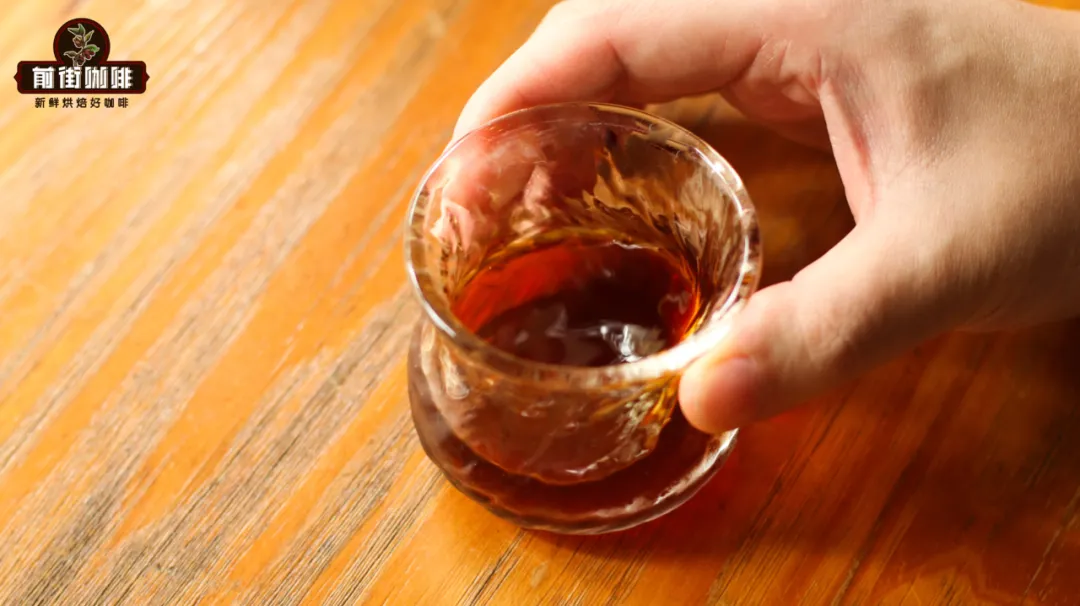
Approach Two: Adjusting parameters As Front Street mentioned earlier, because there is too much carbon dioxide, we cannot extract enough flavor substances using our usual parameters and techniques. So as long as we improve the extraction efficiency of the parameters and slightly adjust the pouring method, we can effectively weaken the interference of carbon dioxide and brew a good cup of coffee.
Raising the water temperature, grinding finer, and lengthening the extraction time are all viable ideas. In addition, we can appropriately extend the bloom time so the carbon dioxide is released more fully, further reducing its interference with extraction. Combined with degassing the beans, this can also effectively reduce the dry sensation in the coffee. Enough talk—better to act. Next, Front Street will demonstrate in practice how to brew fresh coffee beans.
The coffee beans Front Street selected this time are Ethiopia Hamashu from today's event, with a roast date of yesterday, so it's fair to say they're very fresh. The brewing parameters are as follows:
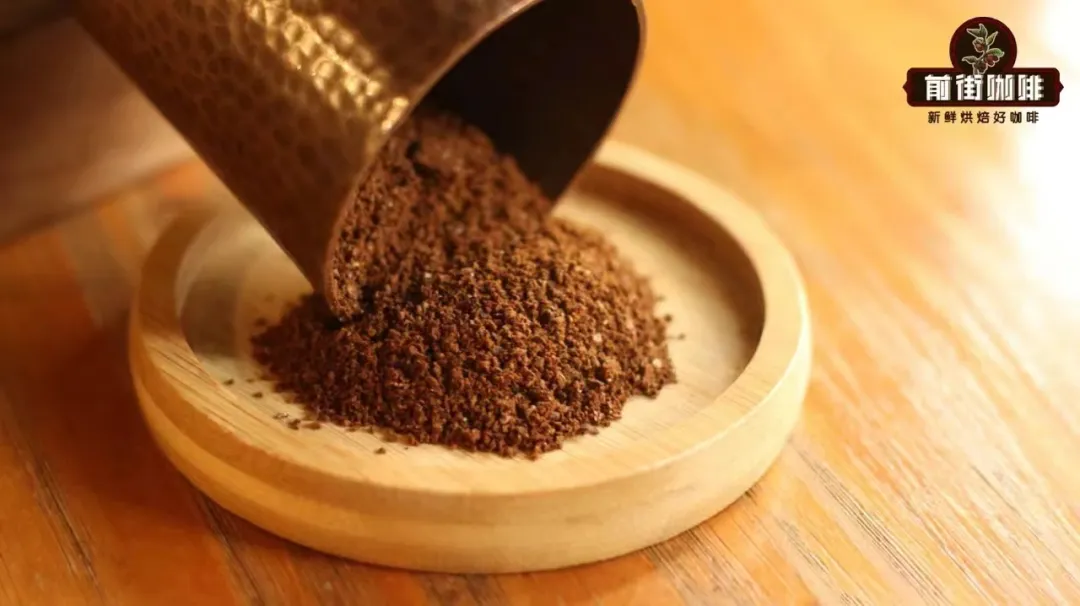
Dose used: 15g Brewing water temperature: 93°C (normally 92°C) Brew ratio: 1:15 Grind size: 80% passing rate on a No. 20 sieve (normally between 75% and 80%) Before brewing, Front Street will first grind it into grounds and let it rest indoors for two minutes to degas, then begin brewing. As usual, bloom with water at twice the dose, with a bloom time of 40 seconds.
After the bloom ends, the pouring is as usual: use a moderate stream to pour the second stage of hot water in large circles, totaling 120ml. Once the hot water has mostly seeped through, use a small stream to pour the third stage of hot water in small circles, totaling 75ml. When the hot water in the dripper has finished dripping through, remove the dripper to complete the extraction.
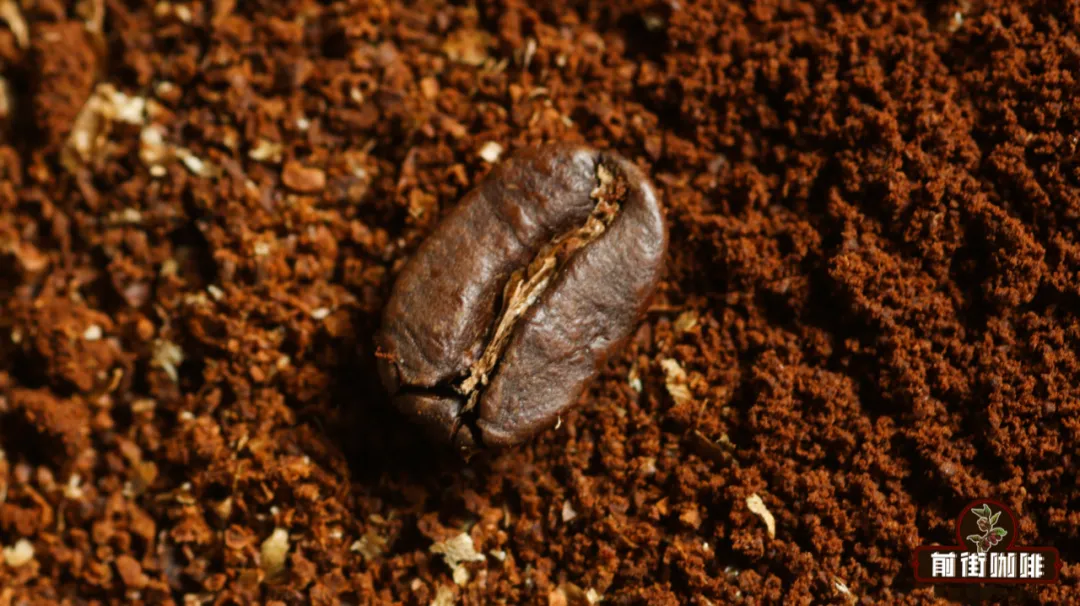
Brewing super-fresh coffee beans this way not only yields a cup with relatively outstanding flavor, but also without an obvious dry sensation. For example, this fresh Hamashu 74158 that Front Street brewed offers clear strawberry, guava, citrus, and starfruit notes, a delicate floral aroma, and an oolong tea finish, with a relatively smooth mouthfeel and almost no perceptible dry sensation. Afterward, Front Street brewed another pot using conventional parameters as a comparison. Although it wasn't unpleasant to drink, it had an obvious dry sensation on the palate, the flavor wasn't outstanding enough, and by comparison it seemed somewhat monotonous.
Therefore, if you really can't resist the urge to taste fresh coffee beans, Front Street still recommends trying this brewing method. Approach Three: Immersion If you're a beginner who hasn't been at it long and isn't sure what parameters to use, you might try immersion extraction, which has a higher margin for error. That means using a French press, a Clever Cup, or another vessel to hold the coffee grounds and hot water, and simply steeping the coffee out.

In recent related articles, Front Street has shared that immersion extraction has a higher margin for error than drip extraction. Even if the beans are very fresh, because the immersion time is longer, the influence of carbon dioxide is almost negligible. This is also why immersion cupping has become one of the methods for measuring coffee bean quality—the steeping method alone can brew a pretty good cup. The methods and parameters for immersion extraction have been shared in Front Street's previous articles on the French press, Clever Cup, and so on, so we won't go into detail here. But what you need to know is that even if steeping can bring out the coffee's taste, the dry sensation of fresh coffee still needs to be eliminated. So before the formal immersion, we can first degas the grounds for two minutes.
The above are brewing methods for overly fresh coffee beans. You can refer to them in case of need. Of course, if you can wait, it's still better to wait two days, as this allows you to brew a delicious cup of coffee more consistently~
- END -
The above content is compiled by CoffeeHunters, a coffee news website.


