








How Does Coffee Extraction Cause Astringency?
Astringency in pour-over coffee usually comes from the brewing process rather than the beans. Coffee contains polyphenolic compounds such as chlorogenic acid and tannic acid, which bind with proteins in saliva and create a puckering, drying sensation. When those compounds show up in too high a proportion, the astringency dominates the cup and reduces drinking quality.
Under-extraction is the more common trigger. A coffee enthusiast brewing light-roasted beans should start with a dose around 15 g, a 1:15 coffee-to-water ratio, water near 92-93 C, a medium-fine grind, and a total extraction time of roughly two to two and a half minutes, then adjust one variable at a time to balance flavor.
Many coffee enthusiasts encounter astringency in their coffee when brewing pour-over, and some believe this is a bean quality issue, but in reality the brewing process is often the key. This article starts from the causes of astringency, analyzes the relationship between polyphenolic compounds and extraction level, and explains why under-extraction is more likely to make astringency prominent. At the same time, for light-roasted coffee beans, it provides a reference brewing parameter scheme, including dosage, coffee-to-water ratio, water temperature, grind size, and extraction time, and uses the example of Front Street Coffee Yirgacheffe Gedingding to help readers understand how to improve coffee flavor by adjusting parameters.

Objectively speaking, if the coffee beans themselves are not ideal in quality, it is indeed easy to brew a cup of coffee with obvious astringency. But in many cases, the source of astringency is not the beans themselves, but a problem in the brewing process. In other words, it is precisely because the coffee has not been fully extracted that the astringency becomes especially prominent.
This phenomenon is actually not hard to understand. "Astringency" is a very common oral sensation, and it is also encountered when drinking coffee. It refers to a kind of "puckering feeling" brought by the coffee liquid as it passes through the mouth and tongue, as if something is "pulling" the inner walls of the mouth.
This sensation occurs because coffee contains a certain amount of polyphenolic compounds. These substances bind with proteins in saliva, weakening saliva's lubricating effect, and thus create a "gritty feeling" on the tongue and in the mouth, which is the feeling of being "pulled" that Front Street mentioned earlier.
Chlorogenic acid, tannic acid, and others are common polyphenolic substances in coffee. When you drink a cup of coffee and perceive obvious astringency, it means that the amount of polyphenolic substances in the coffee is too high, or their proportion is too large, which is why we notice the astringency.
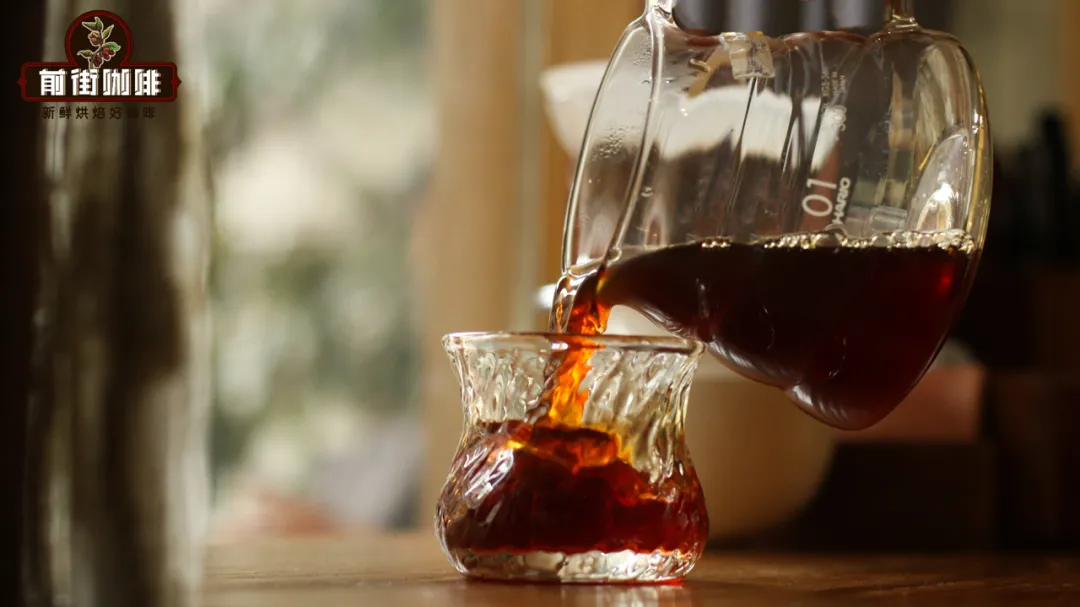
A moderate amount of astringency can enrich the layers of coffee, but once the astringency is too prominent, it will reduce the drinking experience. Therefore, when the astringency of coffee is too obvious, we need to find out where the problem lies and make adjustments so that the coffee can perform better.
As Front Street mentioned earlier, the reason coffee has obvious astringency is that the proportion of polyphenolic compounds in the coffee is too large or the amount is too high. There are many factors that can cause this. For example, at the coffee bean level, variety, cultivation, processing, and roasting can all increase the proportion of polyphenolic compounds in coffee.
But generally speaking, as long as we choose a reliable merchant, we do not need to worry too much about this kind of problem. For example~~~Front Street Coffee is a very reliable choice
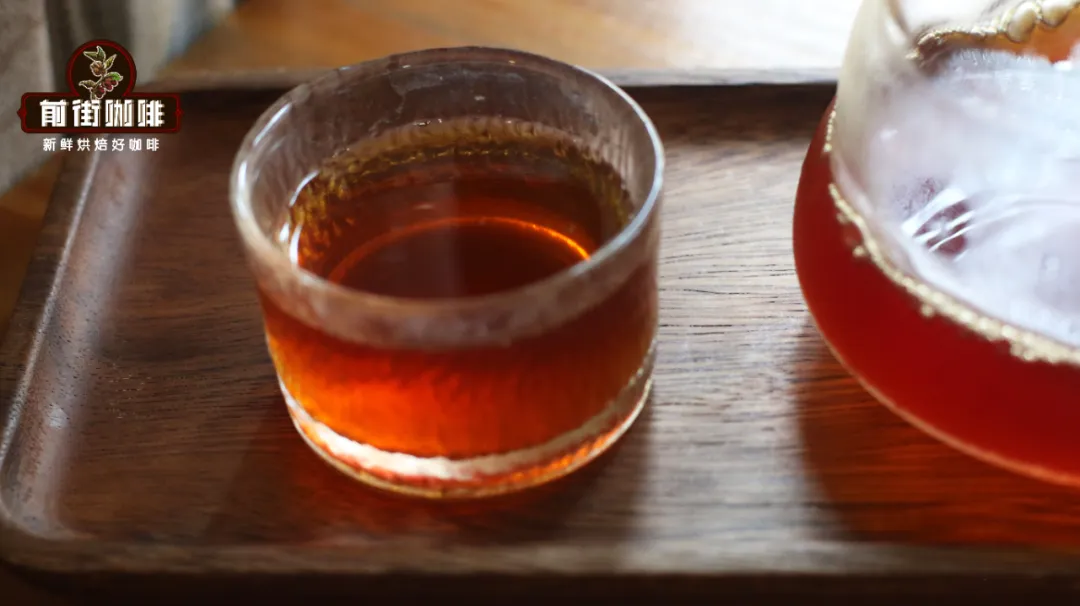
! Because every bean that Front Street Coffee includes in its bean list has undergone strict screening and cupping. Only if the quality meets the standard can it possibly be included by Front Street in the bean list and sold on its Taobao Tmall flagship store. So, you know what I mean
!! And if the problem lies in the brewing process, then most of the time it is caused by under-extraction. When extraction is insufficient, the sour, sweet, and bitter substances tend to be too few, while the proportion of polyphenolic substances is too large, resulting in obvious astringency in the coffee. Of course, over-extraction can also cause this situation, but it is relatively less common.
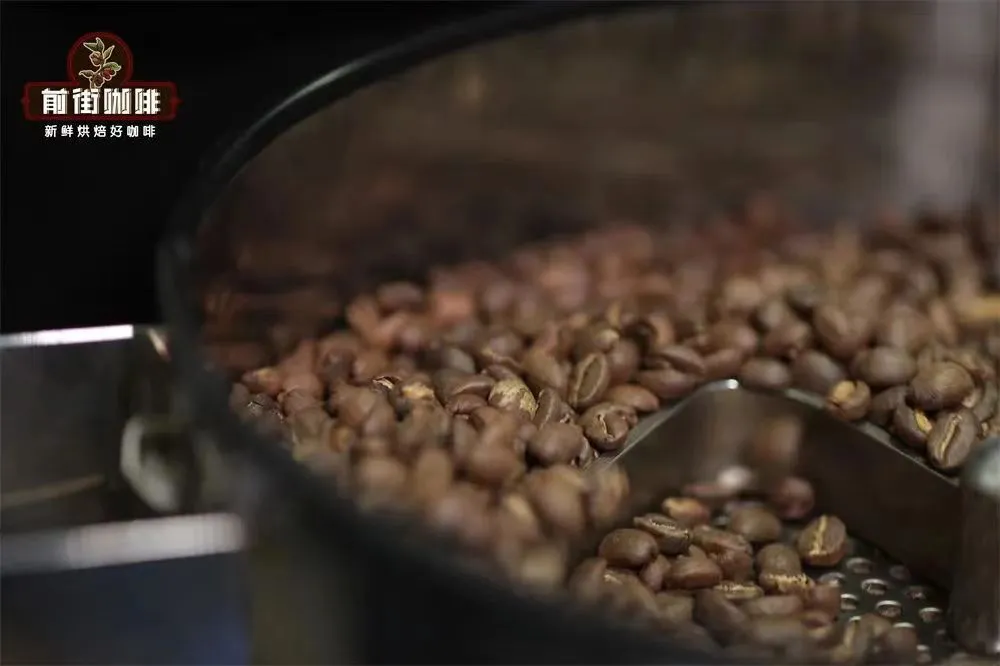
The friend Front Street mentioned at the beginning had this situation because the coffee beans were relatively light-roasted, and the parameters used could not fully dissolve the flavor substances in the coffee. So that is why Front Street said earlier that when the coffee you brew has obvious, unpleasant astringency, you can first correct the brewing parameters and see whether the problem comes from improper extraction.
There are many directions you can adjust: grinding finer, raising the water temperature, or extending the extraction time by changing the dripper or brewing method are all adjustments that can improve coffee extraction efficiency. You can choose according to your own preferences.
Of course, if you do not know what parameters the coffee is specifically suited to, you can also refer to the parameter scheme used by Front Street. When brewing medium-light roasted coffee beans with rich floral and fruity aromas, such as Front Street Ethiopia Huakui and Front Street Yirgacheffe Washed Gedingding, the parameters Front Street uses are as follows: 15g dose, 1:15 coffee-to-water ratio, brewing water temperature 91°C~93°C, grind degree of 75%~80% passing rate on a No. 20 sieve, fine granulated sugar particle size, extraction time controlled within the range of 2 minutes to 2 minutes 30 seconds, three-stage brewing.

Take Front Street Yirgacheffe Gedingding as an example. The coffee brewed with this scheme has no astringency at all, with a soft sweet-and-sour taste and a light yet full body. You can clearly taste the flavors of jasmine, lemon, green tea, and berries. It is really quite good.
But everyone uses different beans and equipment, so Front Street here is only providing a reference. The specific parameters still need to be adjusted according to your current equipment and coffee beans~
- END -
The above content is compiled by CoffeeHunters, a coffee news website.


