







Search Results for: causes of over-extraction
Typical signals, causes, and countermeasures of over-extracted coffee, and whether coffee grounds can be re-brewed
When many people drink a cup of coffee that tastes on the bitter side, their first reaction is, "Has this cup been over-extracted?" But bitterness cannot be directly equated with over-extraction. This article focuses on over-extraction, first explaining what it is—according to the Golden Cup theory and Front Street Coffee's daily practice, an extraction yield above 22% is considered over-extraction; then, from a sensory perspective, it outlines the three typical manifestations of over-extracted coffee: burnt bitterness, astringent bitterness, and off-flavors, and analyzes their causes one by one, such as water temperature being too high, grinding being too fine, contact time being too long, stirring being too vigorous, and too many fines. Finally, it offers two practical ways to avoid it: adjusting the brewing parameters and discarding the tail end of the brew, while also addressing the question of whether coffee can be brewed repeatedly, helping coffee lovers judge and improve their brewing results more accurately. [more…]
Analysis of the Causes of Under-Extraction and Over-Extraction in Pour-Over Coffee and a Guide to Brewing Adjustment Methods
In the practice of pour-over coffee, under-extraction and over-extraction are two common yet frustrating situations. The former makes coffee sour, astringent, and thin, while the latter brings burnt bitterness and off-flavors. To solve these problems, one must first understand the principles of extraction—the process in which water passes through the coffee grounds and dissolves out flavor compounds. The ideal "Golden Cup" extraction requires concentration to fall between 1.2 and 1.4 TDS, with an extraction yield maintained at 18% to 22%. Exceeding or falling short of this range corresponds to over-extraction and under-extraction, respectively. This article will analyze the causes one by one from aspects such as coffee bean selection, brewing duration, pouring technique, and dripper material, and provide specific adjustment suggestions to help you achieve a balanced flavor more consistently in pour-over brewing. [more…]
Why Does Pour-Over Coffee Taste Sour, Bitter, or Astringent? A Detailed Explanation of Over-Extraction and Under-Extraction: Causes and Adjustment Methods
The flavor imbalance of pour-over coffee often stems from problems in the extraction process. Over-extraction makes coffee bitter and muddled, while under-extraction results in a thin, sharply acidic cup. Starting from the basic concepts of extraction, this article systematically sorts out the causes and manifestations of over-extraction and under-extraction, and, drawing on specific beans such as Front Street. Indonesian Mandheling, Front Street. Brazil Queen's Estate, Front Street. Jamaican Blue Mountain, Front Street. Natural Huakui, Front Street. Hacienda La Esmeralda Green Label Geisha, and Front Street. Kenyan Small Tomato, explains how water temperature, grind size, coffee-to-water ratio, and brewing time should work together, helping coffee lovers pinpoint the problem and brew a balanced, delicious pour-over coffee. [more…]
What Is Over-Extraction in Pour-Over Coffee? Taste Signs, Causes, and Practical Fixes
Pour-over coffee tasting bitter and astringent, hard to swallow—most likely the culprit is over-extraction. What exactly is over-extraction? What unpleasant flavors does it bring to coffee? And how do you identify and adjust for it? Drawing on Front Street Coffee's brewing experience, this article systematically breaks down the taste characteristics of over-extraction and its two main causes—water temperature that's too high and grinding that's too fine—and offers grinding and water temperature recommendations for different roast levels, while also sharing practical parameters such as coffee-to-water ratio and extraction time. Master these key points, and you can bring pour-over coffee back to balance and complexity, and enjoy a comfortable cup of good coffee. [more…]
A Detailed Guide to Coffee Extraction Imbalance: Causes, Identification Methods, and Specific Flavor Impacts of Over-Extraction and Under-Extraction
Extraction is the core process behind coffee flavor. Not all soluble compounds in coffee beans are pleasant, and the degree of extraction directly determines what ends up in the cup. Over-extraction releases too many large-molecule substances, bringing bitterness, astringency, and off-flavors; common causes include excessively long contact time, water temperature that is too high, or grinding that is too fine. Under-extraction, by contrast, occurs because flavor compounds are not dissolved sufficiently, resulting in a thin body, prominent bitterness, and imbalance; it is mostly associated with grinding that is too coarse, water temperature that is too low, or a brew ratio that is too high. This article systematically sorts out the definitions, causes, and diagnostic methods for both, and, in combination with specific products under Front Street Coffee such as Mandheling, Queen Estate, Blue Mountain, Huakui, Green Label Geisha, and Kenya Little Tomato, explains reasonable brewing parameters for medium-dark and medium-light roasted beans to help enthusiasts adjust extraction precisely. [more…]
How Do Over-Extraction and Under-Extraction Change Coffee Flavor? A Detailed Explanation of the Effects of Pour-Over Grind Size and Coffee-to-Water Ratio
The key to a delicious cup of coffee lies in precisely controlling the extraction rate. About 30% of the soluble flavor compounds in coffee beans are extractable, but only 18% to 22% of them are truly pleasant. Over-extraction lets bitterness mask the acidity and sweetness, while under-extraction leaves the cup thin and noticeably watery. The core variables affecting extraction include grind size, water temperature, and pouring technique. This article systematically analyzes the causes and signs of over-extraction and under-extraction, and, drawing on Front Street Coffee's roasting and brewing experience, offers grind-size and water-temperature recommendations for coffee beans of different roast levels, helping coffee lovers consistently reproduce their ideal flavor. [more…]
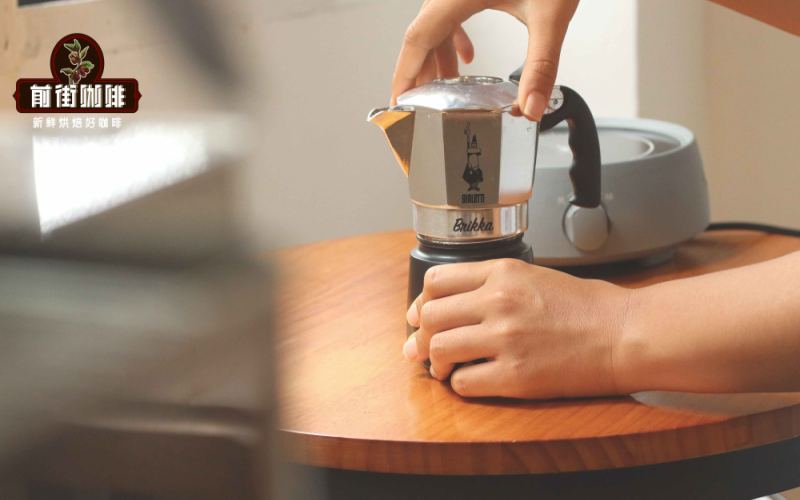
How to Determine the Grind Size for a Moka Pot? Causes of Over-Extraction Bitterness and Solutions
The moka pot, with its simple operation and rich output, has become a staple in many coffee lovers' homes. But in practice, problems like imprecise grind settings and over-extracted, bitter coffee come up again and again. Starting from the moka pot's structure and extraction principles, this article explains the suitable coffee bean roast level and grind range, and offers practical ways to judge grind coarseness. At the same time, for the burnt bitterness caused by over-extraction and the bitter, oil-less phenomenon caused by stale coffee beans, we analyze the causes one by one and provide solutions, helping everyone brew a balanced moka pot coffee consistently at home. [more…]
Analyzing the Causes of Coffee Bitterness: How to Distinguish Over-Extraction from Over-Roasting and Precisely Adjust Pour-Over Parameters
Many coffee enthusiasts, when they encounter bitterness during pour-over brewing, instinctively cut off the tail end of the extraction—but is bitterness really only coming from the tail end? In fact, the sources of coffee's bitterness are complex: they are related both to the order in which compounds dissolve during extraction and to the degree of roast. Front Street Coffee will guide you through a deeper understanding of the true causes of coffee bitterness, teach you to distinguish between the bitterness caused by over-extraction and that caused by too dark a roast, and share how to avoid unnecessary bitterness by adjusting pour-over parameters such as grind size, water temperature, and time, so that every cup of coffee comes closer to your ideal flavor. [more…]
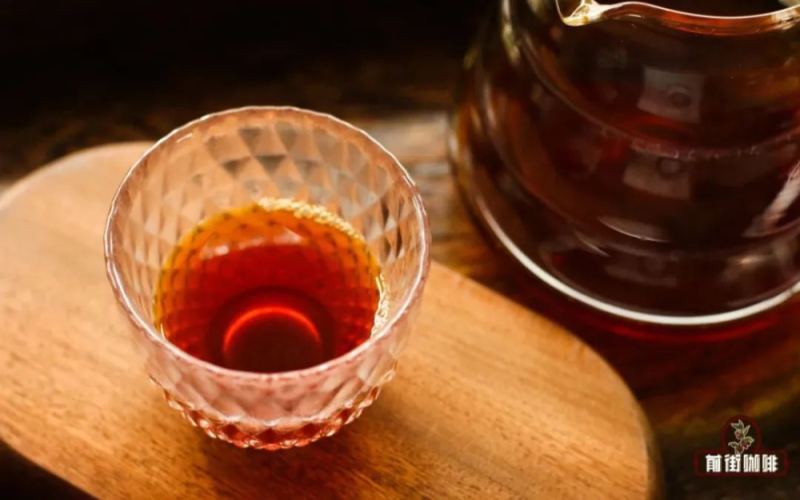
Judging Pour-Over Coffee Extraction from Taste Cues: Causes and Fixes for Over-Extraction and Under-Extraction
Brewing a delicious pour-over coffee comes down to avoiding the two extremes of over-extraction and under-extraction. Starting from taste perception, this article systematically sorts out the dissolution order of the sour, sweet, and bitter substances in coffee, helping you understand why under-extracted coffee tastes sharply sour, astringent, or even salty, while over-extracted coffee carries off-flavors of bitterness, astringency, and wood. The article also analyzes common triggers such as grind size, water temperature, brew time, and water volume, and combines Front Street Coffee's bean recommendations and real-world cases to offer practical adjustment ideas, so that every brew is more assured. [more…]
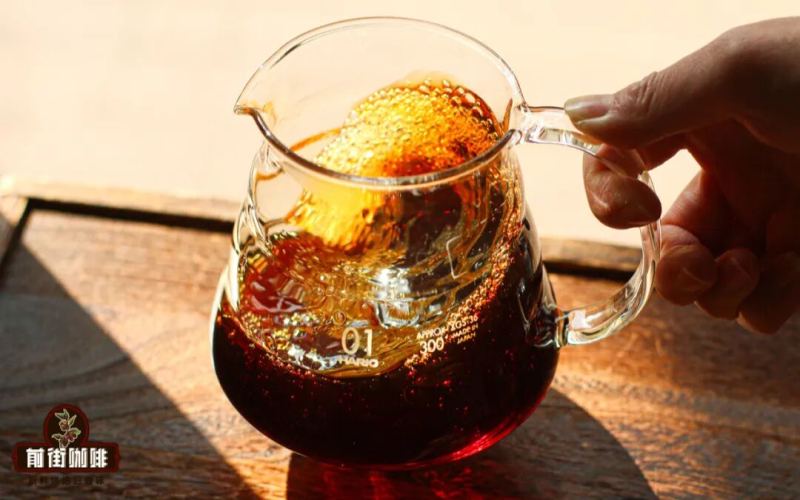
Coffee Extraction | What Are Over-Extraction and Under-Extraction in Pour-Over Coffee? What Are the Signs of Under-Extraction and Over-Extraction in Pour-Over Coffee?
Front Street Coffee has found that many friends always run into this problem when they first start learning coffee brewing: they find that the coffee they brew doesn't taste good, but they can't quite say exactly what's wrong with it. To be honest, if we want to brew a good cup of coffee, besides learning the underlying logic of brewing and mastering the correct extraction parameters, [more…]
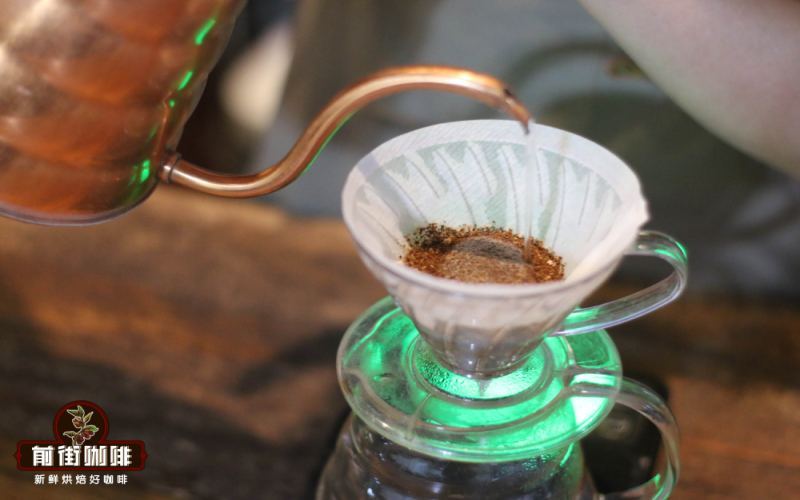
What are the typical signs of over-extraction in pour-over coffee? Cause analysis and methods for adjusting brewing parameters
In the extraction process of pour-over coffee, the degree to which soluble flavor compounds are released directly determines the quality of the final cup. When extraction exceeds a reasonable range, the coffee presents unpleasant flavors such as bitterness and astringency. Starting from the material composition of coffee beans, this article will explain the essential difference between over-extraction and under-extraction, analyze the two main causes of over-extraction—excessively high water temperature and overly fine grinding—and provide specific grinding settings and water temperature recommendations for coffee beans of different roast levels. At the same time, drawing on the brewing experience of Front Street Coffee, it explores the fact that extraction yield values and actual flavor are not absolutely correlated, helping coffee enthusiasts understand and adjust their brewing plans more flexibly. [more…]
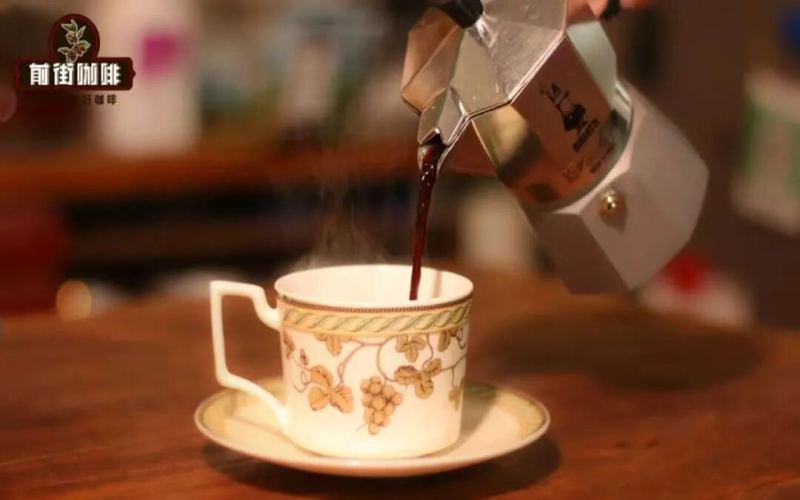
Moka Pot Coffee | Why does coffee brewed with a moka pot taste burnt and bitter? How can you avoid over-extraction in moka pot coffee?
Front Street Coffee has found that many friends are troubled by the problem of Moka pot coffee often being over-extracted. Every time Front Street Coffee shares a tweet related to the Moka pot, friends leave comments like: "How can I avoid over-extraction in Moka pot coffee?" or "Why is the extracted coffee so bitter?" Indeed, compared to its [more…]

How to Identify Under-Extraction and Over-Extraction in Coffee: Judging Extraction Problems from Sourness, Bitterness, Saltiness, Aftertaste, and Flavor Performance
Judging whether a cup of coffee tastes good varies from person to person, but when it comes to the defective flavors caused by extraction problems, people often reach a consensus. This article, from the perspective of Front Street, introduces the specific taste manifestations of under-extraction and over-extraction. When under-extracted, coffee presents sharp acidity, noticeable saltiness, a lacking finish, and thin flavor; over-extraction, on the other hand, allows bitterness to greatly suppress other flavors. The article also specifically reminds us not to rigidly adhere to the golden cup extraction numbers, because bean quality and processing methods can cause deviations from theory, and ultimately the real sensation on the palate should be the basis for judgment. [more…]
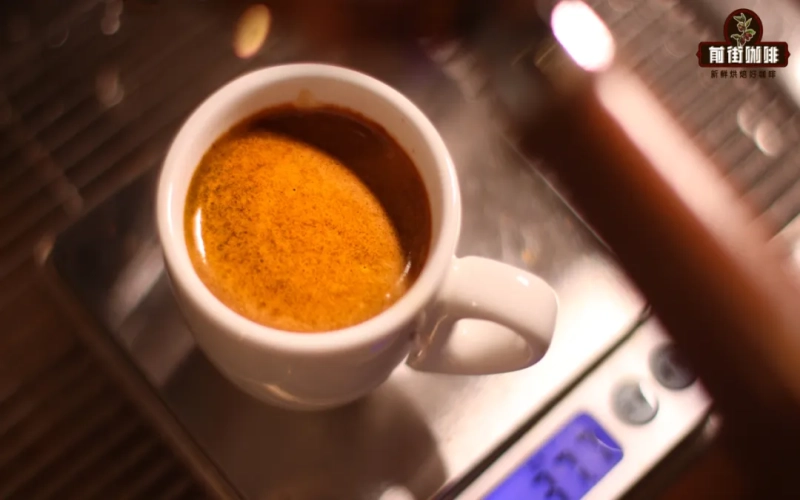
Is Tiger-Striped Espresso a Sign of Over-Extraction? Analyzing the Source of Fine Particles in Crema and Their Impact on Extraction
The tiger stripe pattern on the surface of espresso is often misunderstood as a sign of over-extraction, but the truth is exactly the opposite. Starting from the composition of the crema, this article explains that tiger stripes are actually a phenomenon in which coffee fines float on the surface of the crema, and analyzes how fines affect extraction, as well as how factors such as grind size, distribution technique, and the distance the espresso falls cause tiger stripes to appear. Front Street Coffee helps you clarify the true relationship between tiger stripes and over-extraction, and understand the role of fines in espresso extraction. [more…]

Analysis of Pour-Over Coffee Extraction States: How to Identify Over-Extraction and Under-Extraction and Adjust Your Brewing Plan
In the world of hand-brewed specialty coffee, the extraction state of a cup directly determines its flavor expression. Some people prefer floral and fruity notes, while others are drawn to dark chocolate and nutty tones, but when faced with astringent sourness or burnt, bitter off-flavors, most people can agree—this cup was not brewed well. Under-extraction, over-extraction, and ideal extraction—these three states correspond to different parameter logics. Starting from the order in which flavor compounds are released, this article will teach you how to judge the extraction situation through clues such as flavor performance, brewing time, and the state of the coffee bed, and offer adjustment approaches for different scenarios including light roasts, dark roasts, and excessive fines, helping you more precisely master every cup of pour-over. [more…]
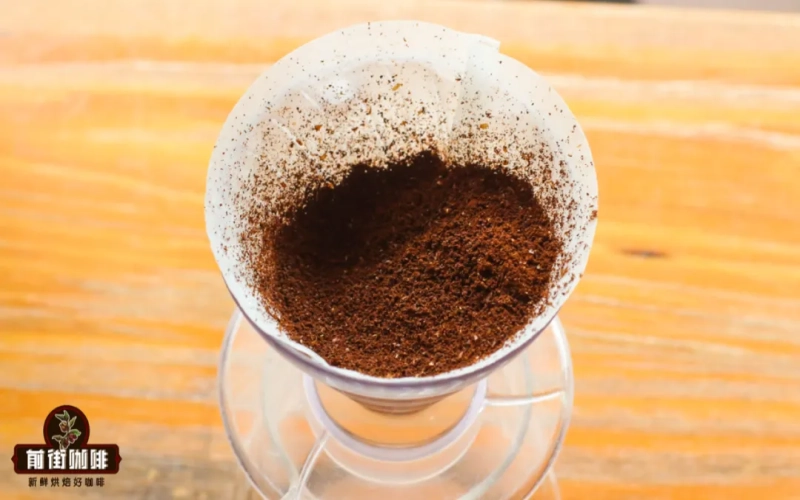
The art of leveling the coffee bed in pour-over brewing: How the Brazil nut effect causes uneven blooming and over-extraction
Many coffee enthusiasts are in the habit of tapping the dripper during pour-over to level the coffee bed, believing this promotes more even extraction. But you may not know that frequent or forceful tapping can actually trigger the "Brazil nut effect," causing fine particles to sink to the bottom and coarse particles to float up, leading to two negative outcomes: first, during blooming, hot water struggles to evenly saturate all the coffee grounds, and the fine particles at the bottom stay dry, resulting in under-extraction; second, the fine particles clog the pores of the filter paper, prolonging the extraction time and causing over-extraction. Through repeated testing, Front Street Coffee has found that when using a conical dripper and denser coffee grounds, digging into the bed after multiple taps often reveals dry clumps at the bottom. So how should an uneven coffee bed be handled? And what should you watch out for when tapping? This article will break it down for you in detail. [more…]

Why Does Coffee Over-Extract? A Breakdown of Pour-Over Extraction Parameters: How Water Temperature and Grind Size Affect Brewing
In the world of pour-over coffee, over-extraction is a topic every enthusiast inevitably encounters. Off-flavors, burnt bitterness, and astringency—these unpleasant taste experiences are often blamed on over-extraction. But not all negative flavors stem from over-extraction—coffee that is too strong can also bring a bitter, intense sensation. So what exactly is true over-extraction? Is the 22% extraction ceiling given by the Golden Cup extraction theory absolute? And how do pour-over parameters like water temperature and grind size shape the final flavor direction? This article will break down the causes of over-extraction and the underlying logic of pour-over extraction one by one, helping you control every cup of coffee more precisely. [more…]
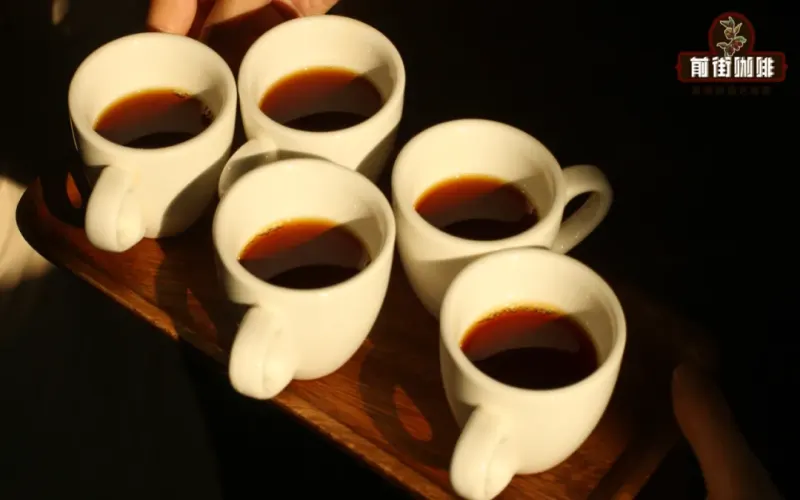
Is your pour-over coffee bitter and astringent? Understand the three causes of over-extraction and dial in your grind, time, and water temperature.
Does your pour-over coffee taste bitter and muddled? The problem is very likely over-extraction. The soluble substances in coffee beans make up about 30%, and among them are components that bring bitterness, astringency, and off-flavors. Once extraction goes too far, these negative flavors are released in large amounts. In this article, Front Street Coffee will walk you through the nature of over-extraction and, starting from the three key dimensions of grind size, extraction time, and water temperature, explain how to troubleshoot and correct coffee that has turned bitter, including how to use a No. 20 sieve to judge grind coarseness, how to control duration with the dripper and pouring rhythm, and the suitable water temperature ranges for different roast levels, helping you steadily brew a clean, balanced, and delicious cup of coffee. [more…]
How a Moka Pot Works and Answers to Common Questions: Judging Coffee Ground Coarseness and Analyzing the Causes of Over-Extraction and Bitterness
The moka pot is a staple piece of equipment in many coffee lovers' homes—simple to operate, yet capable of extracting rich, intense coffee. In practice, however, problems abound, from coffee grind size to over-extraction and bitterness. This article, from the perspective of Front Street, outlines the moka pot's three-part structure and its pressure-extraction principle, explains why medium-dark roasted beans are better suited to the moka pot, and recommends two beans: the Front Street Classic Blend and the Front Street Brazil Queen's Estate. It also details how to judge coffee grind coarseness using a grind size ruler or through repeated trial and error, reminds readers of the safety significance of the pressure relief valve, and finally analyzes the two typical causes of over-extraction and bitterness—too much extracted liquid or stale coffee beans—helping readers consistently produce a delicious cup of moka pot coffee at home. [more…]
The core difference between under-extraction and over-extraction, and how to adjust parameters accordingly when brewing pour-over coffee
Extraction is the core stage of pour-over coffee, but many enthusiasts are often troubled by under-extraction and over-extraction. Starting from the basic principles of extraction, this article explains the standard range of the Golden Cup extraction and provides a detailed comparison of the specific flavor and mouthfeel manifestations of these two imbalanced states. It then addresses common issues such as excessively long brewing time, improper pouring force, and the influence of dripper material, offering actionable adjustment suggestions one by one, including grind size corrections, water stream control, and fine-tuning of water temperature, to help you achieve a balanced and delicious cup of coffee more consistently in your daily pour-over brewing. [more…]