







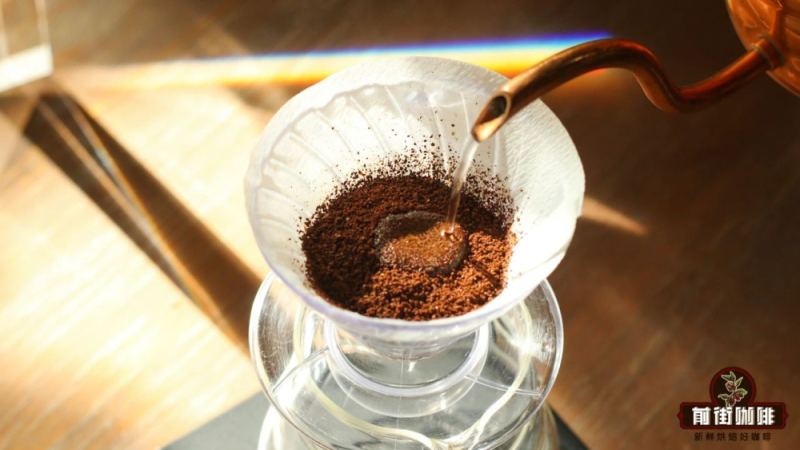
How Does Coffee Extraction Cause Bitterness or Thinness?
Coffee extraction decides what ends up in the cup. Over-extraction pulls too many large-molecule solubles and shows up as bitterness, astringency, and off-flavors, usually from contact time that is too long, water that is too hot, or grinding that is too fine. Under-extraction leaves too little dissolved, giving a thin body, prominent bitterness, and imbalance, mostly from coarse grinding, cool water, or a high brew ratio.
Keeping extraction inside a reasonable range is the goal for both medium-dark and medium-light roasts, and grind size, temperature, and ratio are the three levers that move it. The article sorts out the definitions, causes, and ways to judge each case, and uses beans such as Mandheling, Queen's Estate, Blue Mountain, Huakui, Green Label Geisha, and Kenya Little Tomato to show reasonable brewing parameters.
Extraction is the core step that determines coffee flavor. Not all solubles in coffee beans are pleasant, and the degree of extraction directly decides what ends up in the cup. Over-extraction releases too many large-molecule substances, bringing bitterness, astringency, and off-flavors; common causes include overly long contact time, water that is too hot, or grinding that is too fine. Under-extraction, by contrast, means not enough flavor substances are dissolved out, resulting in a thin body, prominent bitterness, and imbalance; it is mostly related to grinding that is too coarse, water that is too cool, or a brew ratio that is too high. This article systematically sorts out the definitions, causes, and ways to judge both, and, combined with specific products from Front Street Coffee such as Mandheling, Queen's Estate, Blue Mountain, Huakui, Green Label Geisha, and Kenya Little Tomato, explains reasonable brewing parameters for medium-dark and medium-light roasted beans to help enthusiasts adjust extraction precisely.
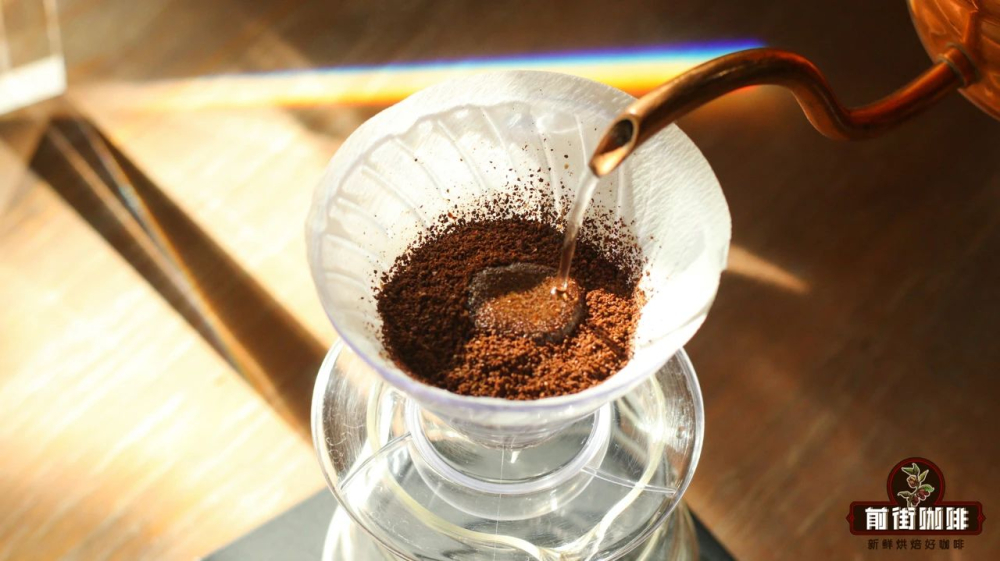
Extraction, in simple terms, is separating substances from a raw material. In chemistry, extraction refers to obtaining valuable components, that is, flavor, from a raw material such as coffee beans. Take peanut oil as an example: it is the oil pressed from peanuts. In the coffee context, the most common method is using hot water to dissolve and carry out the flavor substances in ground coffee.
Over-extraction:
Coffee beans contain a large number of soluble substances, but not every one of them brings positive flavor. To make coffee taste good, extraction must be kept within a reasonable range. So-called over-extraction, often shortened to over-extraction, means too many soluble substances have entered the coffee liquid, ultimately showing up as bitterness, astringency, and off-flavors.
For pour-over coffee, there are usually three causes of over-extraction. First, the contact time between coffee grounds and hot water is too long, so large-molecule substances are released in the tail end, and the coffee's mouthfeel naturally becomes undesirable.
Second, water that is too hot can also trigger over-extraction. For example, when brewing medium-dark roasted coffees such as Front Street. Indonesian Mandheling (spices, caramel), Front Street. Brazil Queen's Estate (roasted peanuts, cream), and Front Street. Jamaican Blue Mountain (chocolate, nuts), it is recommended to use water at 86–88°C precisely to avoid releasing too many bitter substances.
The last cause is grinding that is too fine. Usually the coarseness of pour-over coffee grounds is compared to granulated sugar, but many friends cannot directly judge the grinder setting, the extraction time far exceeds 2 minutes, and in the end the brew comes out muddy. This indicates the coffee grounds are too fine and need to be adjusted coarser until the coffee liquid finishes flowing within 2 minutes.
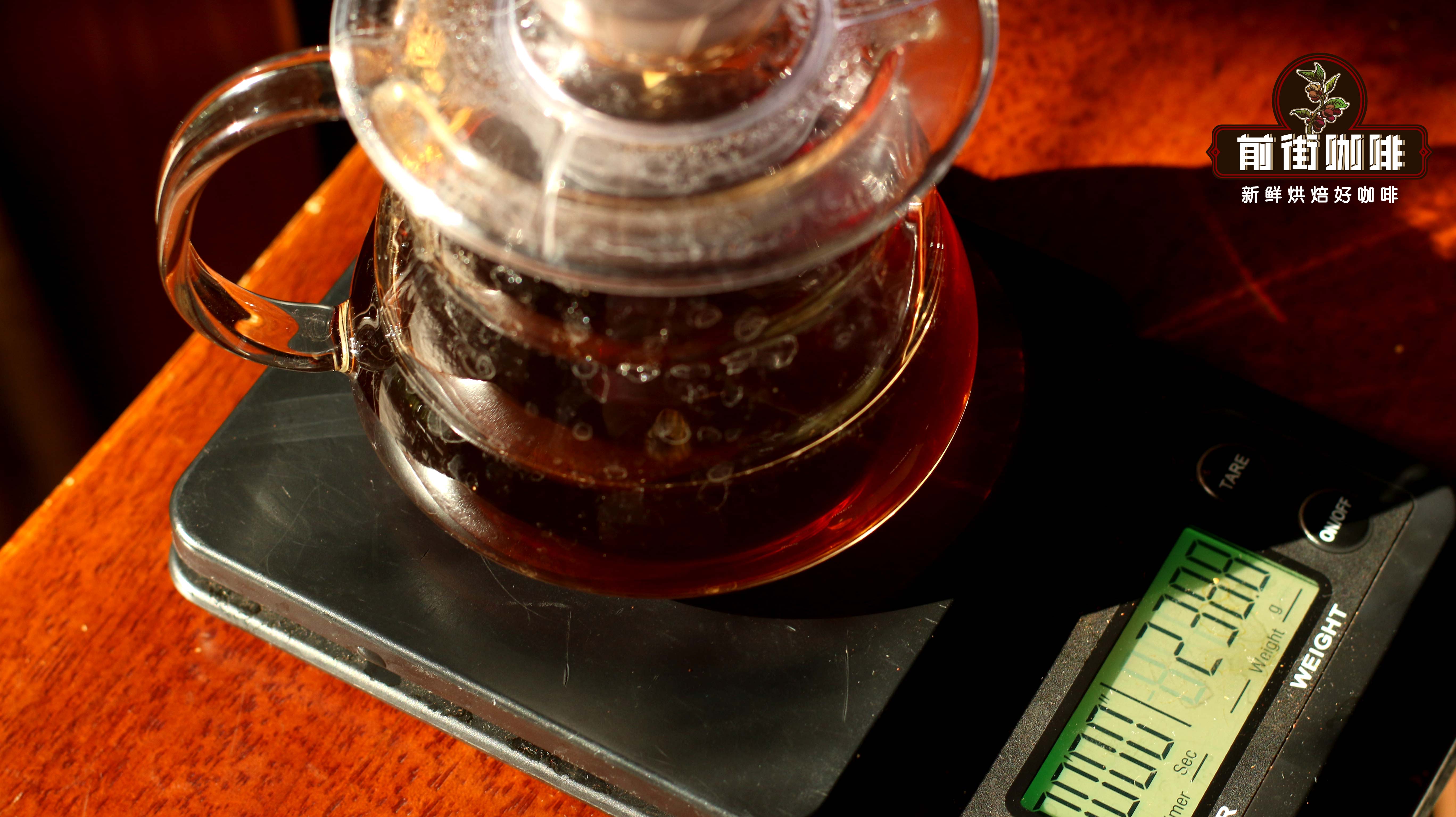
Under-extraction:
This refers to the contact time between coffee grounds and hot water being too short or insufficient, making it difficult to extract the flavor that should be there from the coffee grounds. This makes the coffee taste thin, bitter, and unbalanced.
Under-extraction may be caused by coffee grounds being ground too coarse or water temperature being too low. This situation mostly appears in medium-light roasted single-origin coffees such as Front Street. Natural Huakui, Front Street. Hacienda La Esmeralda Green Label Geisha, and Front Street. Kenya Little Tomato, because they come from high-altitude regions, have a short heating time, and are relatively hard in texture, making flavor substances hard to release. Therefore, to achieve reasonable extraction, Front Street believes it is necessary to grind to fine sugar consistency and brew at 91–93°C.
In addition, if the ratio of coffee grounds to water is too high (too much water added), you will get an under-extracted strong coffee that not only lacks character but also carries bitterness.
The above content is compiled by CoffeeHunters, a coffee news website.


