







How Do You Judge Coffee Extraction by Taste Alone?
Under-extracted coffee tends to taste sharply acidic, astringent or even salty, while over-extracted coffee brings bitterness, astringency and woody notes. The sour, sweet and bitter compounds in coffee dissolve in a rough order, so the flavors in the cup signal how far the brew has gone. Tasting first, then adjusting, is more practical than measuring concentration.
The classic reference range puts a reasonable extraction yield between 18% and 22%, with under-extraction below and over-extraction above. Grind size, water temperature, brewing time and water volume are the usual causes of either extreme. Front Street found that coffee inside the golden cup range can still taste unpleasant and some above 22% can taste fine, so taste remains the guide for adjustments.
The key to brewing a delicious pour-over coffee lies in avoiding the two extremes of over-extraction and under-extraction. Starting from taste judgment, this article systematically sorts out the dissolution order of sour, sweet, and bitter substances in coffee, helping you understand why under-extracted coffee presents sharp acidity, astringency, or even saltiness, while over-extracted coffee carries off-flavors like bitterness, astringency, and woodiness. The article also analyzes common causes such as grind size, water temperature, brewing time, and water volume, and combines Front Street Coffee's bean recommendations with real-world cases to offer practical adjustment ideas, making every brew more confident.
Everyone's original intention for brewing coffee is actually pretty much the same—simply to make the liquid in the cup taste better. Although "tasting good" varies from person to person, as long as you can roughly avoid over-extraction and obvious under-extraction, the cup is basically on solid ground. Precisely because of this, for those who want to improve their brewing skills, learning to judge a coffee's extraction status based on real cases becomes especially important.
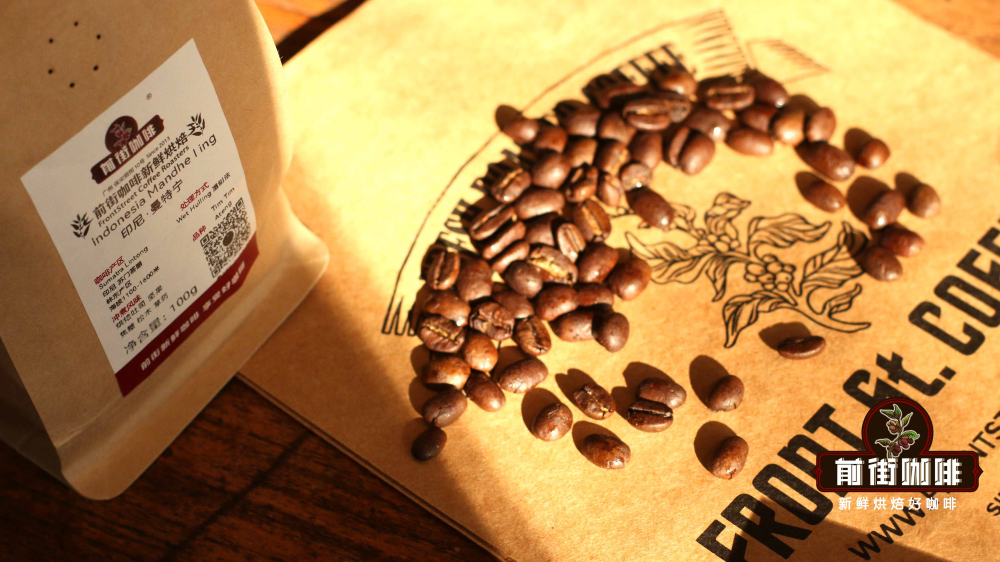
To infer extraction status through flavor, the first step is naturally to pick a bag of single-origin beans that suits your taste. If you prefer a crisp, floral-fruity profile, you can try Front Street. Washed Butterfly; if you like delicate sweetness with a tropical fruit aroma, Front Street. Strawberry Candy would be more suitable; and if you're after a rich, solid mouthfeel, Front Street. Indonesia Mandheling delivers that wild spicy flavor.
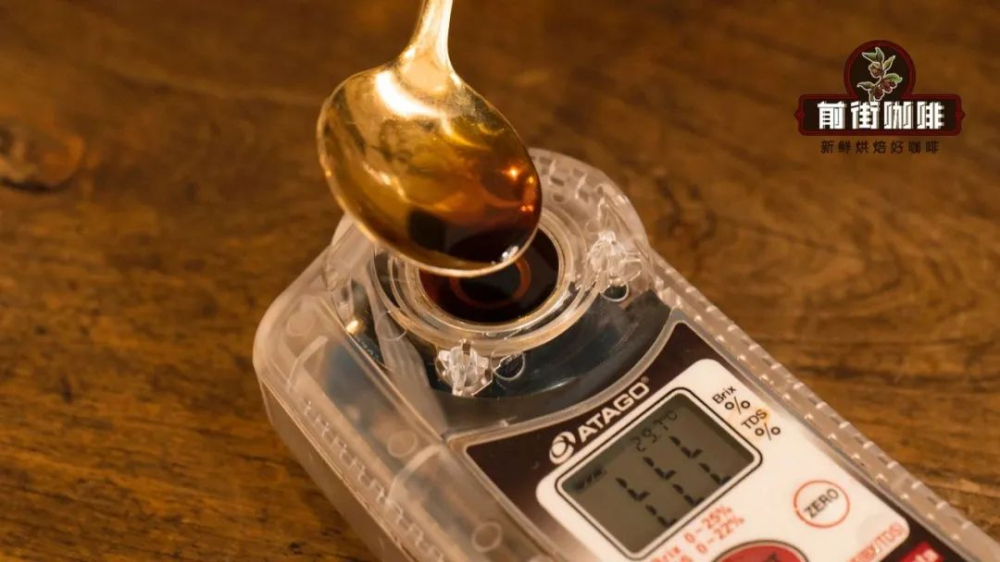
Anyone with some knowledge of coffee theory has probably heard that mainstream research once gave a reference range: an extraction yield between 18% and 22% is considered reasonable, below 18% counts as under-extraction, and above 22% is regarded as over-extraction—this is the often-mentioned golden cup standard.
But brewing coffee is ultimately a very everyday affair. Not to mention ordinary enthusiasts—even experienced baristas won't casually pull out laboratory instruments to measure concentration and calculate extraction yield.
After many comparative experiments, Front Street found that coffee whose extraction yield falls right within the golden cup range can still taste unpleasant, while some coffee with an extraction yield above 22% remains smooth and delicious. This mainly relates to the composition of flavor substances in the beans and how easily they dissolve, and the details involved are quite numerous.
When brewing a pot of coffee, there are truly many factors that can affect substance extraction: the hardness of the beans themselves, roast level, resting time, grind size, water temperature, coffee-to-water ratio, dripper structure, agitation technique, and so on—every step can shift the final taste. In Front Street's view, brewing coffee should be a process of flexible adaptation, not a matter of getting stuck in a rut. Rather than relying on instrument measurements every time and calculating a pile of data, it's better to learn to judge whether a cup is over-extracted based on actual conditions using taste indicators.
Generally speaking, the dissolution of flavor substances follows a sequence: lightweight substances related to acidity dissolve first, followed by sweet molecules, and finally the bitter components with the largest molecular weight—so bitterness is released the slowest.
When most coffee particles are in an under-extracted state, it means the flavor substances carried out by the water are very limited. At this point, the upfront acidity becomes especially prominent, while the components responsible for sweetness and body haven't had time to release before extraction ends. So what you taste first is a weak aroma, and you can't pick up any obvious flavors on the tongue. Fruit-acid light roasts often also show abrupt astringency and sharp acidity, with a thin mouthfeel and short finish; dark roasts, lacking the most essential body, caramel notes, and sweetness, taste watery and lack complexity.
If you also taste saltiness in your coffee, that may be under-extraction at work too. Normally, saltiness is rarely tasted in coffee because it gets masked by acidity, sweetness, and bitterness. But under-extracted coffee lacks the covering of sweet substances, so saltiness easily exposes itself. However, compared to other tastes, saltiness has a very low presence in coffee and is often overlooked by the taste buds.
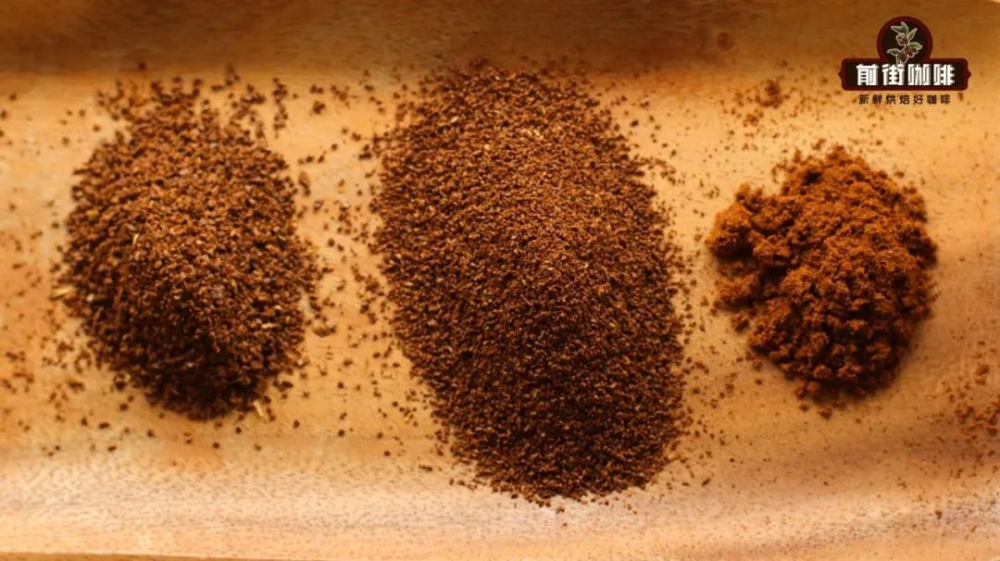
There are quite a few causes of under-extraction; common ones include too coarse a grind, too low a water temperature, too short a brewing time, or insufficient water volume.
Front Street once encountered a customer who said she bought our Colombia·Hidra and brewed it according to the recommended parameters, but the result just had no finish. Upon asking in detail, it turned out she had a habit of cutting off the flow—removing the dripper before the coffee liquid had finished draining. This threw off the coffee-to-water ratio first, and the coffee also presented a sharp acidity because it lacked the tail end.
Another extraction state is the one we encounter more often when brewing at home—over-extraction, meaning hot water has pulled out too much from the coffee, mainly large-molecule substances concentrated in the latter stages of release. These substances mostly manifest as bitter, dry, muddled, woody, straw-like, and other pungent characteristics, making them easier for people to notice. When such flavors appear, it's most likely due to too many fines causing a long immersion, or too high a water temperature. For specific solutions, you can refer to Front Street's earlier article "Coffee Tastes Terrible? We Help You Solve All Kinds of Problems."
Besides that, some friends have reported that although their brewed coffee doesn't have any obvious negative flavors, it just tastes off—no flavor stands out, the overall profile is muted, and a bitter note rises in the throat when swallowing.
If you've encountered this situation too, it's most likely that the coffee is brewed too strong, or the extraction yield is unexpectedly high but hasn't reached the level of "over-extraction." In this case, you can add 10 to 20 milliliters of bypass water to the carafe, trying to bring the excessive concentration back down through dilution.
The above content is compiled by CoffeeHunters, a coffee news website.


