







Why Does Moka Pot Coffee Turn Out Bitter?
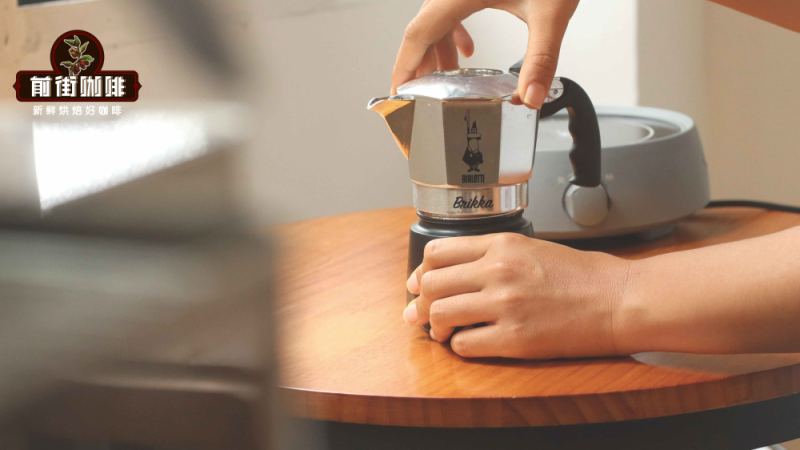
A moka pot has three parts: a lower chamber for water, a middle filter basket for grounds, and an upper chamber that collects the coffee. Heating turns the water to steam, and the resulting pressure pushes hot water up through the coffee bed, which is why the result is richer and more intense than drip or pour-over brewing.
For this pressure extraction, medium-dark roasted beans suit the moka pot better than light single-origin lots that shine in pour-over. Bitterness usually traces back to two causes: too much liquid extracted, or stale coffee beans. Checking grind fineness with a grind size ruler or repeated tests helps, and the pressure relief valve matters for safety.
The moka pot is a common piece of equipment in many coffee lovers' homes—simple to operate, yet capable of extracting rich, intense coffee. But in actual use, problems keep cropping up, from coffee grind size to over-extraction and bitterness. From Front Street's perspective, this article sorts out the moka pot's three-part structure and its pressure-extraction principle, explains why medium-dark roasted beans are better suited to the moka pot, and recommends two beans: Front Street Classic Blend and Front Street Brazil Queen's Estate. It also explains in detail how to judge coffee grind fineness using a grind size ruler or repeated testing, reminds readers of the safety significance of the pressure relief valve, and finally analyzes the two typical causes of over-extraction and bitterness—too much extracted liquid or stale coffee beans—helping readers consistently produce a delicious cup of moka pot coffee at home.
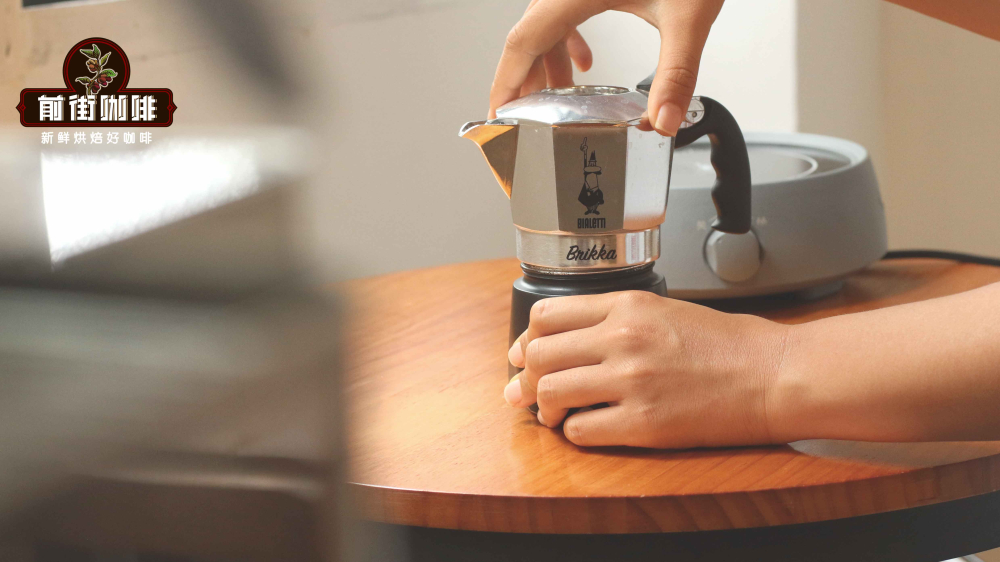
Many coffee lovers keep a moka pot at home; when they want a cup of rich, full-bodied coffee in their spare time, it's convenient and quick to use. However, during use, people have also encountered all kinds of problems, so they've been asking Front Street questions one after another. Today Front Street will talk about the origin of the moka pot and the specific steps for extracting coffee with it.
The moka pot's structure isn't complicated. There are three core parts: the lower chamber that holds water at the bottom, the filter basket in the middle that holds the coffee grounds, and the upper chamber on top that collects the coffee liquid. When heated, the water in the lower chamber heats up first and turns into steam, which creates pressure and pushes the hot water to flow from bottom to top. After the hot water passes through the layer of coffee grounds and completes extraction, the continuously rising pressure pushes the coffee liquid further upward until it flows into the upper chamber—and that's how we get the rich coffee we want.
The moka pot uses pressure extraction, which is completely different from the extraction principle of drip coffee like pour-over, so when choosing beans you also need to decide based on their respective characteristics. For example, the same light-roasted single-origin bean might produce floral and fruity sweetness and brightness with pour-over, but switch to pressure extraction and it may not present the same aroma—instead, it's prone to a sharp, pungent acidity. So Front Street's suggestion is to use medium-to-dark roasted coffee beans for the moka pot, and the resulting flavor will be more stable.
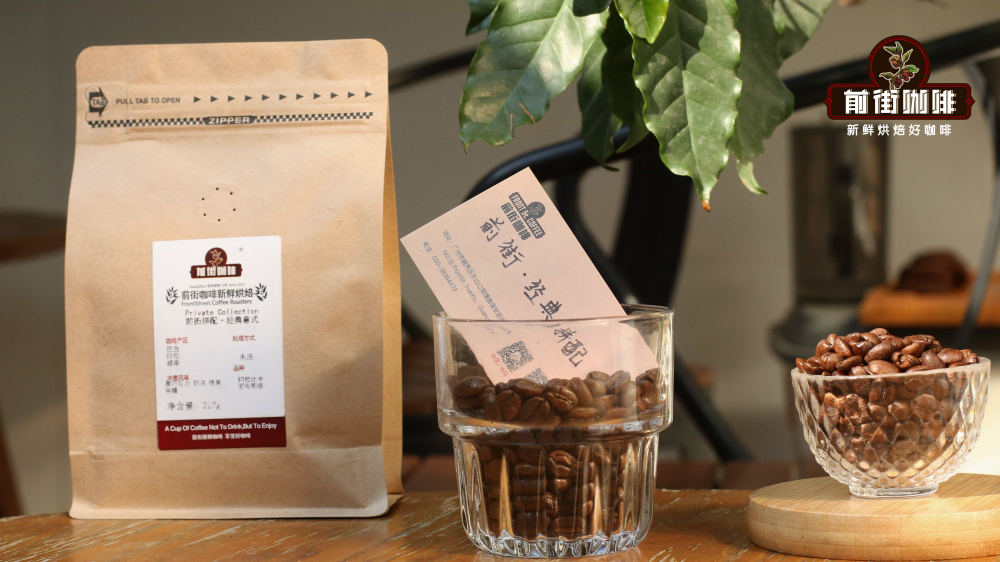
Beginners just getting into the moka pot might want to start with Front Street. Front Street Classic Blend coffee. This bean uses a dark roast, showing the coffee's mellow aroma to the fullest, and it's also very easy to extract a thick, dense crema. It can be diluted with water to make an Americano, or combined with milk to make a latte, with a cocoa-milk-like flavor, and it can also be used for specialty coffee drinks—excellent value for money.

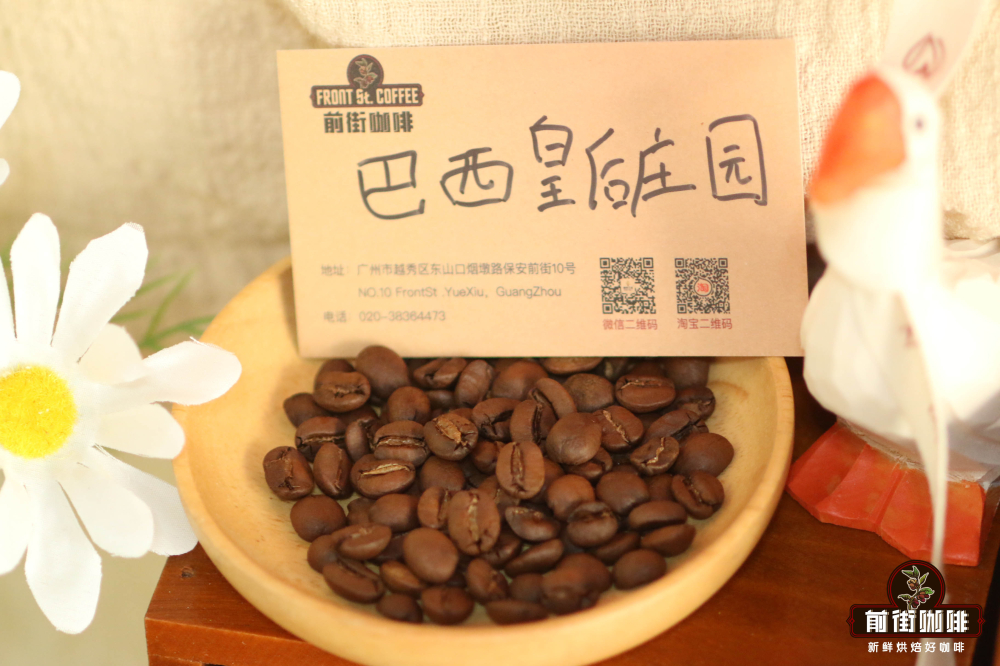
If you prefer the clean aroma of single-origin coffee, you can choose Front Street. Brazil Queen's Estate coffee. This bean is medium-dark roasted, presenting flavors of roasted peanuts, cocoa, chocolate, and cream. When extracted with a moka pot, the crema carries an obvious nutty aroma, with a balanced mouthfeel and soft fruit acidity.
When brewing coffee with a moka pot, the coffee grind should be close to the texture of fine salt, with a particle diameter of about 0.3 mm to 0.55 mm—slightly coarser than the grind used for espresso machines. Since particles this fine are hard to distinguish with the naked eye, if you want to confirm whether the grind is suitable, you can try the following two methods:
First, buy a grind size ruler, or simply use pre-ground coffee made specifically for moka pots as a reference for comparison; second, determine it by continuously adjusting the grind setting and repeatedly test-brewing.
If the coffee liquid gushes out like a fountain, it means the grind is too coarse and the water flow meets too little resistance; if you hear a low humming sound but the coffee liquid refuses to come up, at this point you should immediately remove the moka pot from the heat source and take safety precautions.
During moka pot extraction, the lower chamber is a relatively sealed environment with limited space, and it produces a large amount of steam, causing the internal pressure in the lower chamber to run high, so the entire operation process requires attention to safety. Anyone who has carefully observed a moka pot will notice there's a protruding hole on the lower chamber—that's the pressure relief valve. Its function is to promptly release pressure when certain situations (such as grinding too fine) cause excessive pressure in the lower chamber, avoiding explosion accidents.
What's the problem when moka pot coffee is over-extracted and tastes too bitter?
When drinking moka pot coffee, if the aroma is strong but there's also an obvious burnt bitterness, that indicates over-extraction. The solution is to appropriately reduce the amount of extracted liquid—next time, simply end extraction earlier.
If the coffee has no aroma when you drink it, the bitterness is still prominent, and you can't even see any crema, then it's most likely that the coffee beans are no longer fresh. No matter what extraction method you use, choosing freshly roasted coffee beans is crucial.
After coffee beans are roasted, they go through a 4-to-7-day degassing and resting period, after which they enter the optimal flavor period when the flavor is stable. As time passes, the coffee's aroma gradually dissipates. If you extract with beans whose roast date is more than two months ago, the aroma may have long since escaped, and it's hard to restore the flavor it should have. Front Street hopes every customer can drink coffee at its best flavor, so it confirms that only coffee beans freshly roasted within 5 days are shipped.
The above content is compiled by CoffeeHunters, a coffee news website.


