








Which Grind Size Suits a Moka Pot Best?
A moka pot needs a grind coarser than espresso but finer than pour-over. The device works by pressure: water in the lower chamber turns to steam, pushes up through the coffee bed, and collects in the upper body. If the grind is too fine, the bed chokes the flow and the result tastes bitter and over-extracted.
Bean choice matters as much as grind. Medium-dark roasts perform more steadily under pressure, while light-roasted single-origin beans can turn sharp and pungent. Stale beans produce a bitter, oily cup with little aroma. Adjusting grind coarseness and using fresh medium-dark beans fixes most bitterness, and total brew time stays short because pressure moves the water through quickly.
The moka pot, with its simple operation and rich output, has become a staple appliance in many coffee lovers' homes. However, in actual use, problems such as inaccurate grind setting and over-extracted bitter coffee frequently occur. This article will start from the structure and extraction principle of the moka pot, explain the suitable coffee bean roast level and grind range, and provide practical methods for judging grind coarseness. At the same time, regarding the burnt bitterness caused by over-extraction and the bitter, oil-less phenomenon caused by stale coffee beans, we will analyze the causes one by one and provide solutions to help everyone brew balanced moka pot coffee consistently at home.
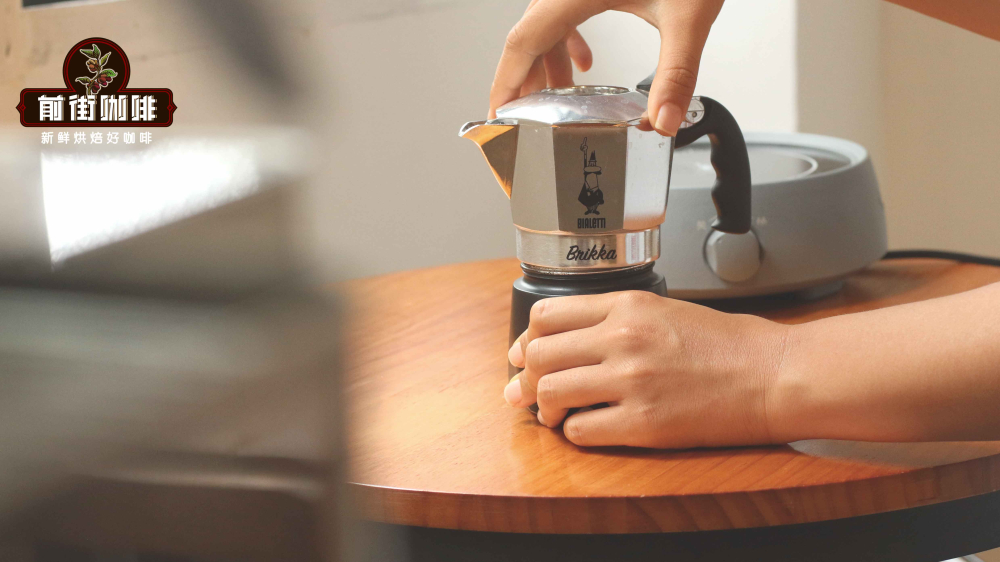
Many coffee lovers have a moka pot at home. It is convenient and quick to operate, and whenever you want a cup of rich, mellow coffee in your spare time, you can make it right away. However, in actual practice, everyone has encountered all kinds of problems, so they have come to ask Front Street. Today Front Street will talk about the origin of the moka pot and its extraction steps.
The structure of the moka pot is not complicated. It is mainly composed of three parts: the lower chamber that holds water, the filter basket in the middle that holds coffee grounds, and the upper body that collects the extracted liquid. After heating the moka pot, the water in the lower chamber heats up first and turns into steam, creating a certain pressure that pushes the water vapor to flow from bottom to top. Hot water passes through the coffee grounds layer to complete extraction, and the continuously rising pressure pushes the coffee liquid further upward, finally gathering into the upper chamber, thus giving us the rich coffee we want.
Pressure extraction and drip extraction are completely different in principle, so when choosing beans, they should also be treated differently according to their respective characteristics. Suppose the same light-roasted single-origin bean is used. Pour-over can show a floral and fruity sweet-tart aroma, but if switched to pressure extraction, the aroma may not be so pleasant, and instead a sharp, pungent acidity is likely to appear. Therefore, Front Street recommends choosing medium-dark roasted coffee beans for the moka pot, as the flavor performance will be more stable.
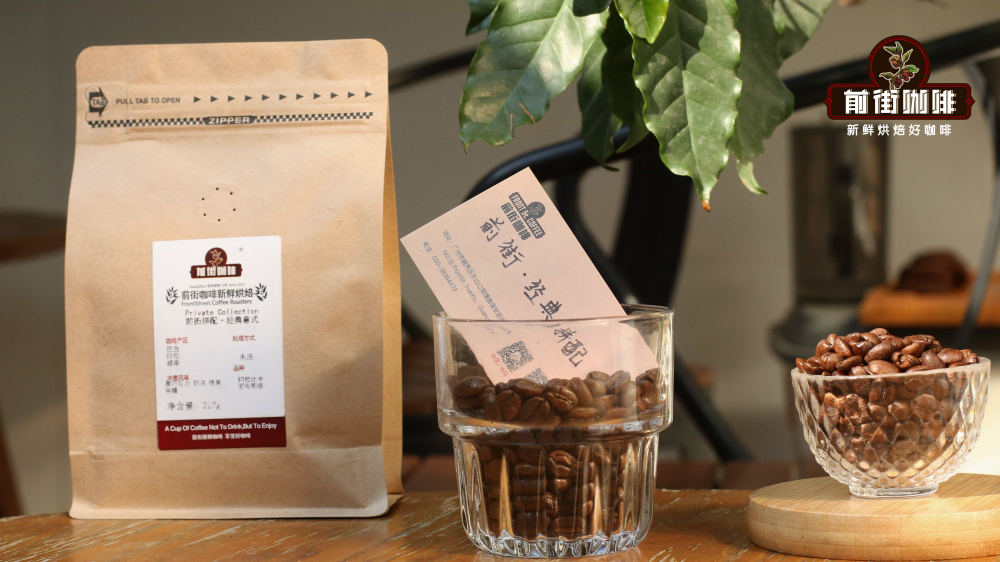
Beginners who have just come into contact with the moka pot can start with Front Street. Front Street Classic Blend Coffee. This bean uses a dark roast, maximizing the coffee's rich aroma while also making it easy to extract a thick, dense crema. Diluted with water, it becomes an Americano; added to milk, it becomes a latte, with a flavor of cocoa interwoven with milk, and it can also be used to make specialty coffee. The cost-performance ratio is quite high.
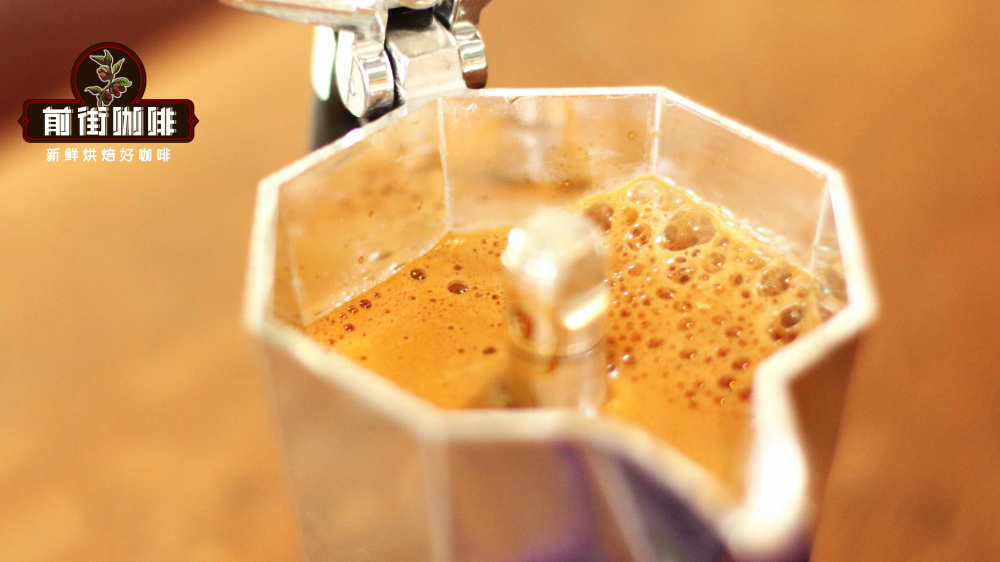
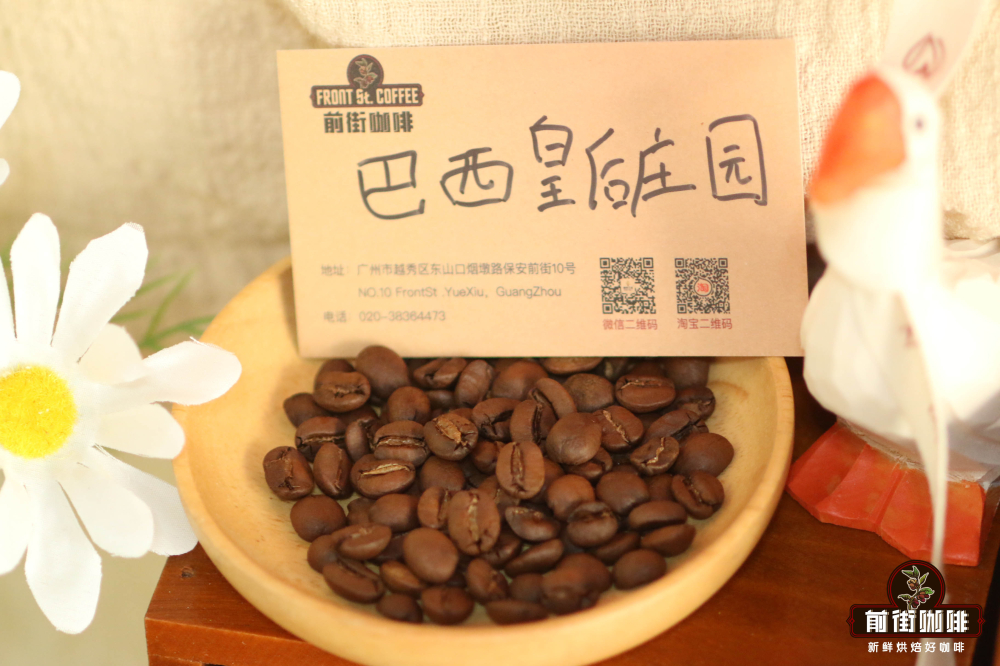
If you prefer the clean aroma of single-origin coffee, you might choose Front Street. Brazil Queen Estate Coffee. This bean is medium-dark roasted, presenting flavors of roasted peanuts, cocoa, chocolate, and cream. The crema extracted with the moka pot has a clear nutty aroma, a balanced mouthfeel, and soft fruit acidity.
When brewing coffee with a moka pot, the coffee grounds should be ground to a consistency similar to fine salt, with a particle diameter of about 0.3 to 0.55 millimeters, which is to say slightly coarser than the grounds used for an espresso machine. Since it is difficult to accurately judge particle size with the naked eye, you can use the following two methods to confirm the grind level:
First, buy a grind-size ruler, or use moka pot-specific grounds for reference and comparison; second, gradually find the appropriate coarseness through repeated fine-tuning of the grind setting.
If the coffee liquid suddenly gushes out like a fountain, it means the grounds are too coarse and the water flow encounters too little resistance; if you hear a low humming sound but the coffee liquid is slow to rise, then you must immediately remove the moka pot from the heat source and take safety precautions.
During moka pot extraction, the relatively sealed and limited space of the lower chamber will produce a large amount of steam, causing the internal pressure to be too high, so safety must be put first throughout the entire operation. Anyone who has carefully observed a moka pot will notice that there is a small protruding hole on the lower chamber, and that is the pressure relief valve. Its function is to prevent excessive pressure in the lower chamber caused by factors such as too fine a grind, avoiding explosion accidents.
What is the problem when moka pot coffee is over-extracted and tastes too bitter?
If, when drinking moka pot coffee, you can feel a rich aroma but at the same time it carries an obvious burnt bitterness, that indicates over-extraction. The solution is to appropriately reduce the amount of extracted liquid and end the extraction earlier the next time you brew.
If moka pot coffee tastes neither aromatic nor rich, but has a prominent bitterness and no crema, then the coffee beans are very likely no longer fresh. No matter which extraction method is used, choosing freshly roasted coffee beans is crucial.
After coffee beans are roasted, they undergo a 4 to 7 day degassing and resting period, after which they enter the optimal flavor stage when the flavor is stable, and as time goes on, the aroma will gradually dissipate. If beans with a roast date more than two months old are used for extraction, the aroma has probably already escaped, and it is difficult to restore the original flavor. Front Street hopes every customer can drink coffee beans in their best condition, so it confirms that all beans shipped are freshly roasted within 5 days.
The above content is compiled by CoffeeHunters, a coffee news website.


