







Search Results for: cat grass juice
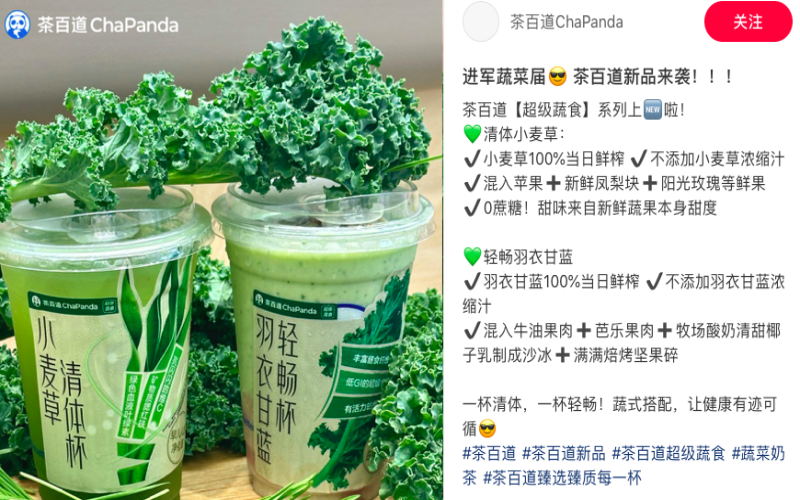
Tea Baidao's launch of wheatgrass drinks sparks discussion, adding a new member to the fruit and vegetable tea sector
Since Heytea launched its Super Botanical Tea series, fruit and vegetable juice drinks have quickly gained popularity, with major brands rushing to follow suit. ChaPanda recently rolled out its "Super Veggie" series in 14 cities including Beijing and Shanghai, among which "Detox Wheatgrass" sparked heated discussion online because its main ingredient closely resembles cat grass and livestock feed. This drink pairs wheatgrass with fresh fruits such as apple, pineapple, and Shine Muscat grapes, and the company emphasizes that no concentrated juice is used. Consumers report that it tastes refreshing, but kitchen staff's workload has increased accordingly, while some customers have raised concerns about the food safety of fruit and vegetable juices. [more…]
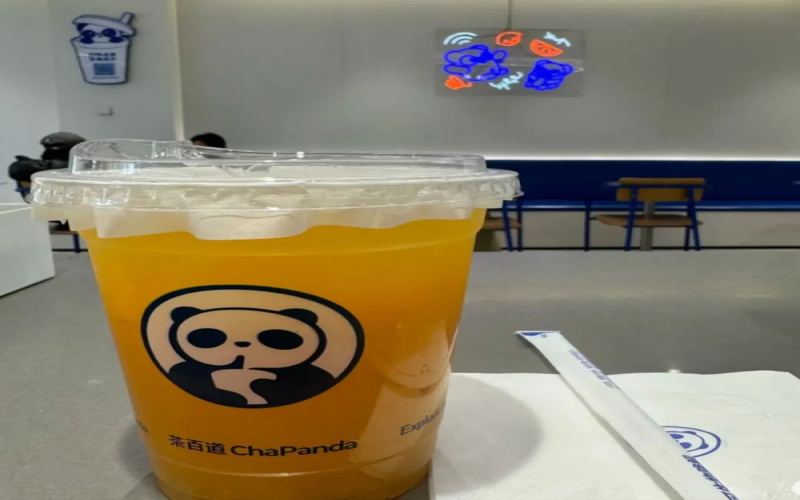
Behind the hot sales of ChaPanda’s fruit and vegetable juices: store employees face a sharp surge in pressure from manual juicing
Tea Baidao's recently launched "Super Veggie" drink series, from the wheatgrass-starring "Cat Grass Juice" to the bell pepper mixed fruit "Vitamin C Fast Burn Bell Pepper," has attracted a large number of consumers eager to try the novel combinations, and has also driven store sales growth. However, the other side of the product's hot sales is the heavy manual juicing task facing back-kitchen employees. Because stores use smoothie machines rather than professional juicing equipment, the fruits and vegetables are blended into a thick puree, and employees must repeatedly knead and squeeze filter bags to extract juice. During peak periods, demand exceeds supply, leaving many staff members crying out in despair. This article will take you behind the scenes of the real production process and the voices of employees behind this fruit and vegetable juice craze. [more…]
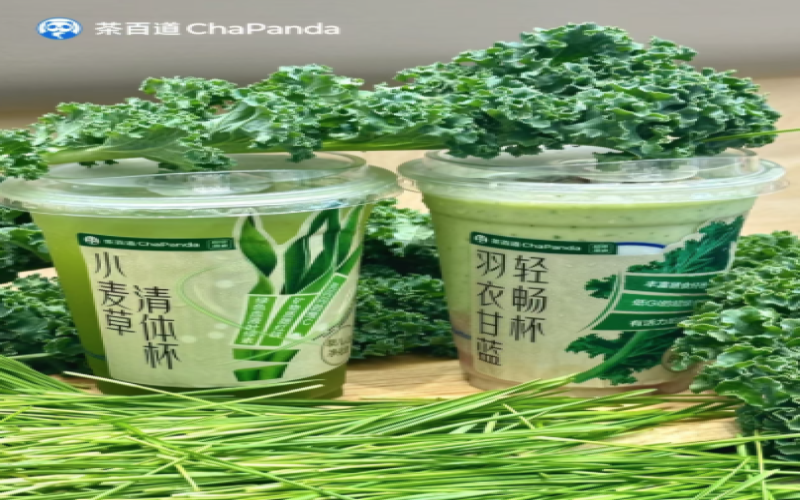
ChaPanda Enters the Plant-Based Tea Arena: Kale and Wheatgrass New Drinks Spark a Taste-Testing Buzz
New tea beverage brands are all seeking differentiated breakthroughs through combinations of "vegetables + fruit + tea." ChaPanda recently launched its own super vegetable series, introducing two products at once: "Light & Refreshing Kale" and "Cleansing Wheatgrass." Kale has long been commonplace in the fruit-and-vegetable tea space, while wheatgrass, a somewhat unfamiliar ingredient, has sparked curiosity and discussion among consumers. From ingredient pairings to taste experiences, from cat owners' amusing associations to store employees' prep workload, this new product has generated considerable buzz on social media. This article walks you through the ins and outs of ChaPanda's new plant-based tea products and the real feedback from the first wave of tasters. [more…]
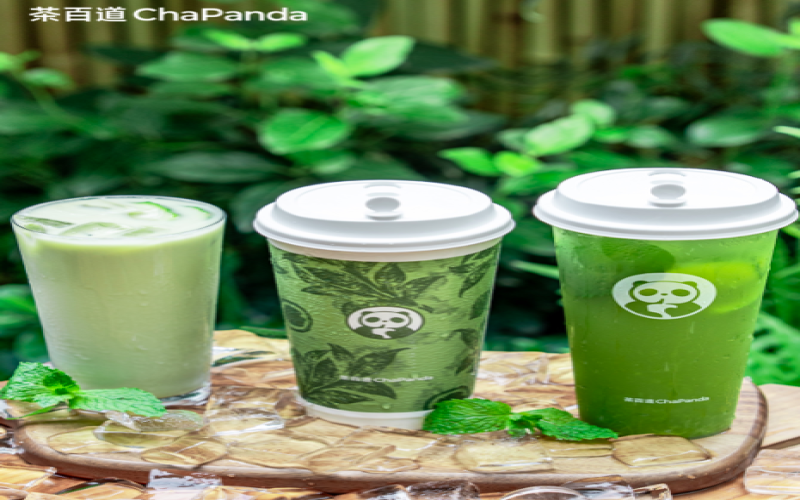
Tea Baidao's ice-cool mint iced milk, a Frozen collaboration, uses fresh mint leaves juiced — yet consumers say it feels like chewing on grass.
After Tea Baidao's lychee iced milk was discontinued with the changing seasons, the brand quickly launched two new iced milk drinks, among which the iced mint iced milk co-branded with Frozen drew a lot of attention thanks to its mint element and co-branded merchandise. However, this drink, made with fresh mint leaves, green grapes, lemon, matcha liquid, and milk, did not deliver the expected cooling sensation upon tasting; instead, the grassy flavor of freshly squeezed mint juice sparked polarized reviews. Some described drinking it as turning into a cow chewing on grass, while others found the plant's fresh fragrance uniquely appealing. Whether this cross-boundary mashup is a stroke of creativity or a flop is worth investigating. [more…]
Foreign Object Found in Sam's Club Juice Tea Beverage, Frequent Food Safety Scandals Draw Concern
Recently, a Sam's Club store in Nanjing was exposed by a consumer: a full case of blood orange chia seed juice tea beverage they purchased contained two foreign objects, one large and one small, despite being unopened, and the smaller piece was suspected to be black mold. After the consumer's communication with the store yielded no result, Sam's national customer service only offered compensation in the form of a coupon of equivalent value. This is not the first time Sam's Club has been embroiled in a food safety controversy; previously, Shenzhen, Changzhou, and other places also reported incidents one after another, including insect eggs attached to milk and teeth found in fresh meat mooncakes. Complaints of this kind are common on social platforms. Data from the Black Cat Complaint platform shows that in September alone, Sam's Club received 70 complaints, many involving food safety. As a high-end membership store under Walmart, Sam's quality control problems are arousing concern among more and more consumers. [more…]
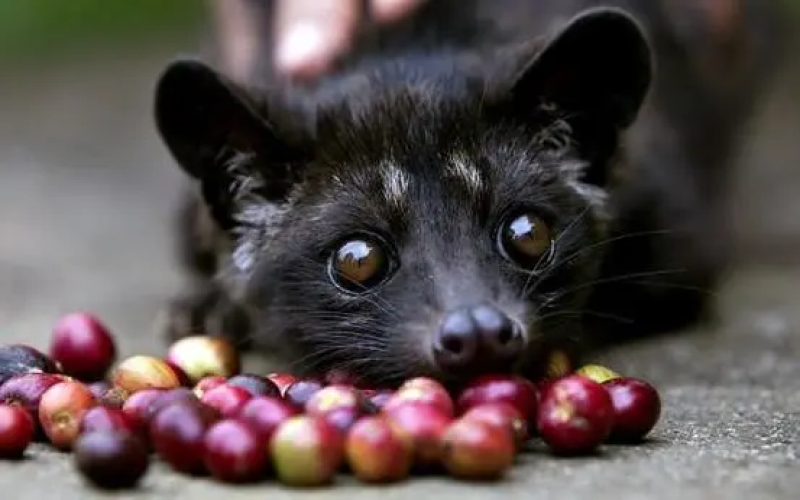
Is Kopi Luwak Really Cat Poop? Uncovering How Civet Excrement Becomes a Rare Beverage
Kopi Luwak, just by its name, evokes both curiosity and resistance. Is it actually cat excrement? The answer is: yes, it is, but not in the ordinary sense of cat feces. The raw material for this coffee comes from the droppings of wild civets in the tropical rainforests of Indonesia, which, after washing and roasting, surprisingly become one of the most expensive coffees in the world. From its accidental discovery during the 17th-century Dutch colonial period, to the animal ethics controversies sparked by today's captive farming, and to its unique heavy fermentation flavor and deep roasting process, Kopi Luwak has a complex and tortuous story behind it. This article will provide a complete overview of the origins, production process, and flavor characteristics of Kopi Luwak, as well as other animal-fermented coffees derived from it, while reminding everyone to view this special beverage rationally. [more…]
Tracing the Authentic Origins of Civet Coffee: Brewing Parameters and Flavor Analysis from Sumatra, Indonesia to Yunnan
Kopi Luwak, commonly known as cat poop coffee, is a precious coffee unique to Indonesia. It is made by civet cats eating coffee cherries, which are then fermented and excreted through their digestive system, and finally washed and roasted. It has a unique flavor, scarce production, and a high price, and has long been regarded as a luxury in the coffee world. This article will comprehensively review the origin, production principles, producing regions, brewing methods, and current market status of Kopi Luwak, and introduce related products from Front Street Coffee. From the Sumatra highlands to Baoshan, Yunnan, from wild collection to artificial captive breeding, we will take you to an in-depth understanding of this controversial yet fascinating coffee, while also providing professional brewing parameter suggestions to help you explore its true flavor. [more…]
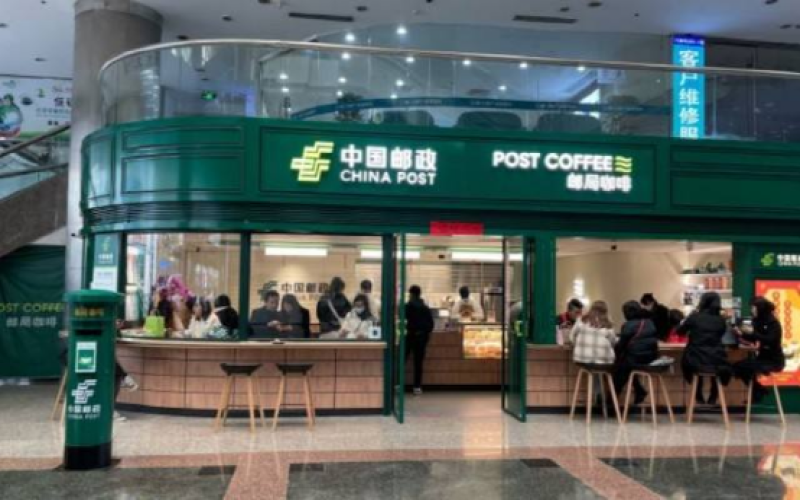
China Post opens its second coffee shop nationwide in Xiamen, launching an eco-friendly special drink in collaboration with OATLY.
Since opening China's first post office café on February 14 this year, China Post has officially entered the coffee market as a national team player. Amid an enthusiastic consumer response, the country's second post office café opened on Cat Street in Xiamen. The new store blends in with the local character of Cat Street, creating a space for cat lovers to mingle, and has partnered with oat milk brand OATLY to launch a hidden-menu eco-friendly special. At the same time, OATLY put in a strong performance in the Asian market in the first quarter, with its Barista product contributing significantly, and the brand is accelerating its expansion into diverse categories such as new-style tea drinks and plant-based ice cream. [more…]
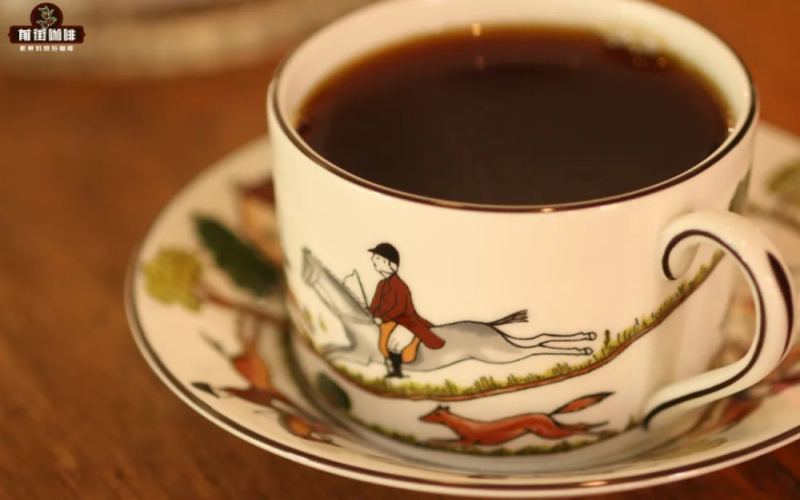
Indonesian Civet Coffee Bean Flavor Story and an Analysis of Its Differences from Yunnan Civet Coffee
Kopi Luwak was once regarded as a luxury in the specialty coffee world, selling for as much as $500 per pound in New York in 2002, and its scarcity is an important reason for its high price. It carries the herbal aroma, high body, and indescribable sweetness unique to Indonesian coffee, but is its flavor really worthy of its name? From the perspective of Front Street Coffee, this article sorts out the origin story of Indonesian Kopi Luwak, the reasons behind its flavor, the real impact of the fermentation treatment method inside the civet's body, and compares it with Indonesian Mandheling and Chinese Yunnan Kopi Luwak, finally attaching the roasting and brewing data for this Kopi Luwak in Front Street's shop for coffee lovers' reference. [more…]
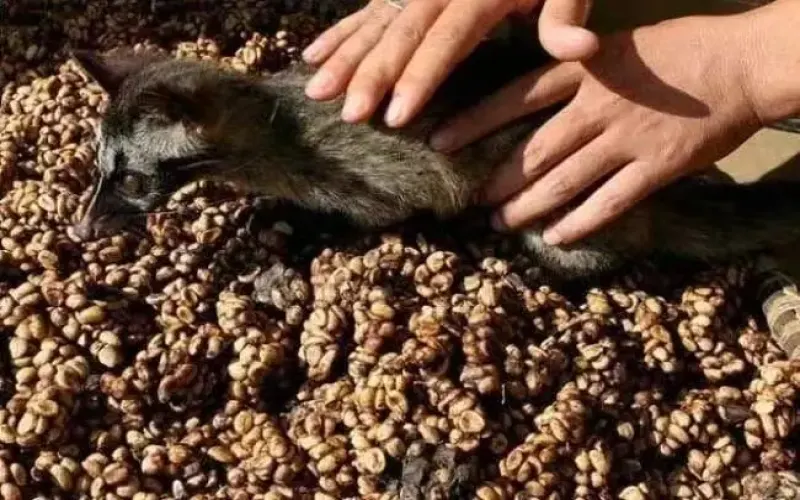
The Origins of Indonesian Kopi Luwak, Its Flavor Characteristics, and an Analysis of Its Differences from Mandheling
Is kopi luwak actually cat excrement? How does it command such an astronomical price? This article provides a complete overview of this legendary Indonesian coffee, covering its processing methods, historical origins, and flavor profile. At the same time, Front Street Coffee will also show you that if you want to experience a similar flavor without paying for the novelty factor, a dark-roasted Mandheling is a worthwhile alternative. The article will also compare the relationship between kopi luwak and Mandheling, and introduce the specific flavor profiles of two Mandheling coffees on Front Street Coffee's bean list. [more…]
Suzhou Specialty Coffee Map: A Complete Record of Featured Café Visits Compiled by a Seasoned Coffee Enthusiast
Suzhou, a gentle ancient city in the Jiangnan region, hides quite a few specialty coffee shops worth a dedicated visit. This article compiles a summary of shop visits from a veteran coffee enthusiast, covering more than seventy four- to five-star coffee shops across Gusu District, the Industrial Park, the High-Tech District, Wuzhong District, and beyond—from artsy little cafes to cat-themed coffee houses, from Korean-style chains to standalone buildings with Republican-era charm, each with its own distinctive setting, offerings, and story. Whether you're a coffee purist chasing pour-over quality or an artsy soul who favors ambiance, this list can help you find that perfect cup in Suzhou. [more…]
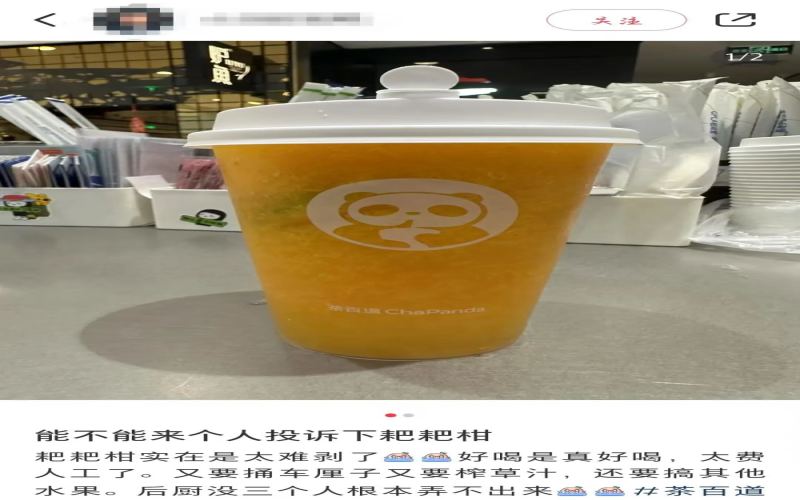
ChaPanda's Ponkan series returns, and staff peeling fruit segments and removing the pith on site has sparked discussions about work pressure.
Chabaidao recently announced that its highly popular Pai Pai Gan (ponkan orange) series from last year is officially returning, with two new drinks: Shushi Pai Pai Gan and Pai Pai Gang Shang Hua. The company emphasized that each cup of fruit tea is made with fresh ponkan orange pulp, insisting on genuine ingredients. The news delighted many longtime customers, but brought back memories for store employees of the terror of hand-peeling citrus last year. According to the recipe, staff must remove the segment membrane, pith, and white core from the pulp one by one, keeping only plump juice sacs—an extremely tedious prep process. During peak hours, peeling speed falls far short of consumption, and with this year's added tasks of washing tea, cutting fruit, squeezing grass juice, and cooking pearls, the staffing shortage has become even more acute. Some employees, at a loss, took it upon themselves to delist hard-to-make drinks to buy time for prep, while consumers hold differing views on whether the fine removal of white pith is truly necessary. [more…]
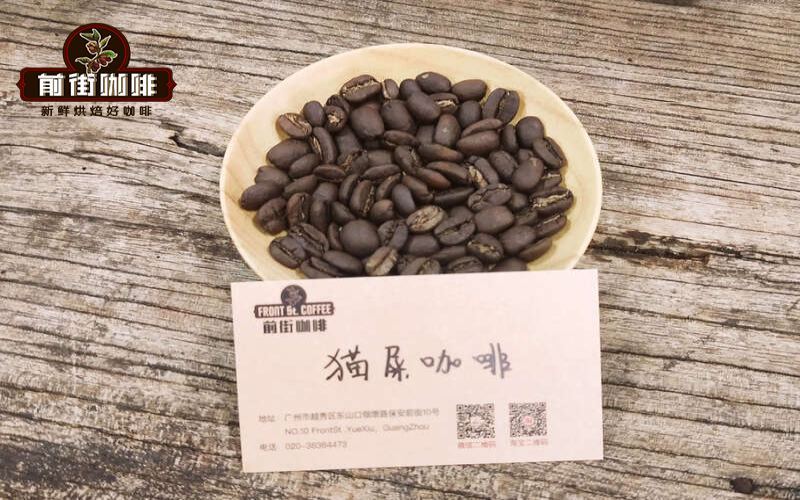
Indonesian Kopi Luwak Flavor Origins and Producing Region Story: In-Body Fermentation Processing Method and Front Street Brewing and Roasting Recommendations
Kopi Luwak, known as cat poop coffee, is one of the most controversial products in the coffee world. Some condemn the animal cruelty behind it, while others chase after its unique flavor. Front Street Coffee believes that the formation principle of Kopi Luwak itself is not problematic; what truly deserves attention are the practices of caging civets and force-feeding them unripe berries to pursue yield. This article will analyze the in vivo fermentation processing method of Kopi Luwak from a scientific perspective, explore how the civet's habitat environment affects coffee flavor, and share Front Street's roasting and brewing recommendations for Kopi Luwak. At the same time, we will also recommend several alternative coffee beans with excellent flavor and better value for money, for enthusiasts with different taste preferences to choose from. [more…]
The Origin and Flavor Analysis of Indonesian Kopi Luwak: From Fermentation in the Civet's Body to Front Street Coffee's Complete Brewing Parameters
Indonesian kopi luwak has long been regarded as a luxury in the specialty coffee circle. In 2002, it sold for as much as $500 per pound on the New York market, mainly because of its scarce production. Although its name is not elegant, its flavor carries Indonesia's distinctive herbal notes and heavy, mellow body, along with an indescribable sweet aftertaste. In this article, Front Street Coffee sorts out the origin story of kopi luwak, the reasons behind its flavor, and the true role of the fermentation process inside the civet's body, and also includes the roasting and brewing data for this bean at Front Street's store, for coffee lovers to reference when judging whether it is a legend or a gimmick. [more…]

An In-Depth Analysis of Indonesian Civet Coffee: Flavor Characteristics, Bean Varieties and Origins, Regional Ecology, and Specialty Coffee Recommendations
Kopi Luwak is often called one of the most expensive coffees in the world, with retail prices starting at at least six hundred US dollars per pound, making it the Rolls-Royce of the coffee world. It originates from Indonesia and, due to limited production, has become a favorite among the wealthy, featuring a unique herbal aroma and excellent body. However, behind this coffee lies a tangle of colonial history, animal ethics controversies, and a market rife with authenticity issues. This article will comprehensively analyze the true face of cat poop coffee from the perspectives of its historical origins, bean sources, the ecological habits of the civet, processing principles, and variety and regional characteristics, and introduce a specialty coffee worth tasting in Indonesia—Golden Mandheling, while also attaching Front Street Coffee's brewing parameters and flavor description. [more…]
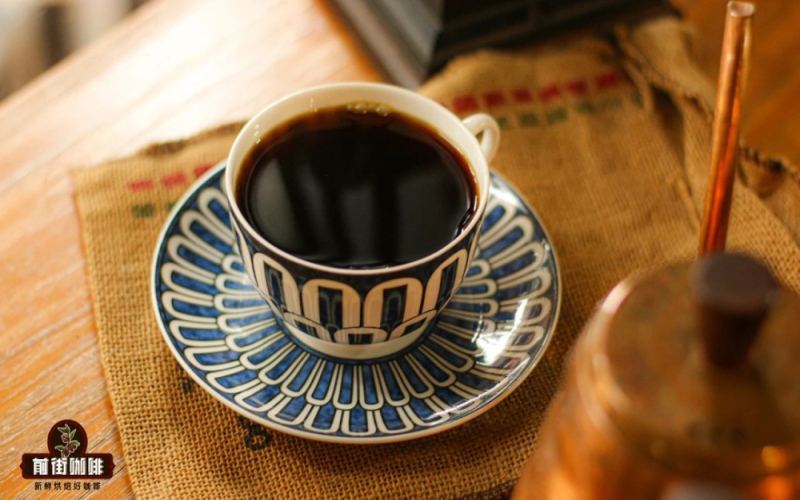
Analysis of the Flavor and Mouthfeel of Indonesian Kopi Luwak: From the Principles of In Vivo Fermentation to a Detailed Breakdown of Front Street Coffee Brewing Parameters
Kopi luwak, with its unique origin, makes many people both curious and hesitant, but once you truly understand its processing, you'll find the finished coffee beans are far cleaner than you might imagine. From the objective perspective of Front Street Coffee, this article examines whether kopi luwak is really made from cat feces, the reasons behind its high price, whether the digestive system can genuinely change coffee flavor, and shares Front Street Coffee's roasting notes and brewing insights on Indonesian kopi luwak. Whether you want to learn the truth about this much-discussed coffee or try brewing it at home, you'll find valuable information here. [more…]
Indonesian Kopi Luwak Flavor and Taste Full Analysis: From the Aceh Region to Bali, Front Street Coffee Teaches You to View This Controversial Coffee Objectively
Kopi Luwak has always been a highly talked-about presence in the coffee world. Some people are curious about its unique flavor, while others are deterred by its name. This time, Front Street Coffee takes an objective perspective to help you understand the true face of Kopi Luwak—is it really made from cat feces? Why does its price remain so high? Can the digestive system truly change the flavor of coffee beans? Starting from Indonesia's Aceh producing region, this article covers the origin of Kopi Luwak, the dietary habits of the civet, the principles of in-vivo fermentation, as well as Front Street's roasting records and brewing parameters, and also includes detailed flavor descriptions, giving you a more comprehensive understanding of this controversial coffee. [more…]
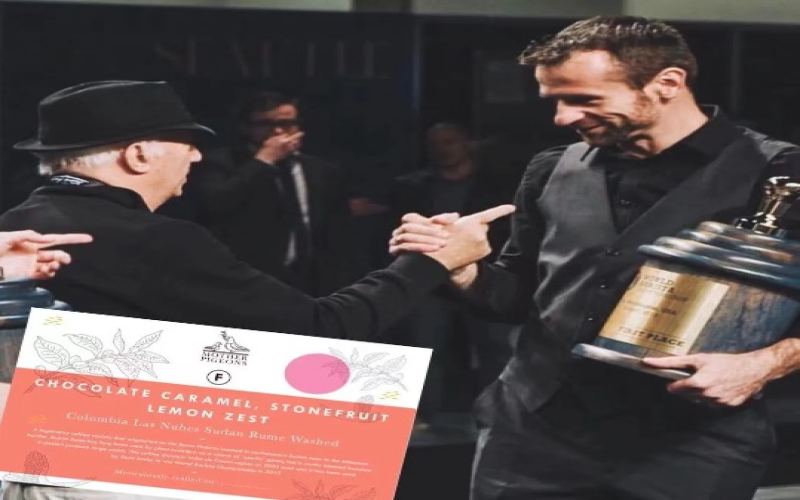
Rume Sudan, an ancient and delicious coffee variety.
In the World Barista Championship (WBC) in 2015, the competitor from Australia, Sasa Sestic, won the championship of that year with a Sudan Rume coffee that carried a gentle flower fragrance, the sweet and fresh juice, and the lemon grass aroma, succ [more…]
Indonesian Civet Coffee Flavor and Taste Analysis: A Complete Guide to Kopi Luwak Bean Prices and Pour-Over Parameters
Kopi Luwak, commonly known as cat poop coffee, has long been regarded as a representative of high-end coffee, and the controversy surrounding it has never ceased. Starting from the habitat and eating habits of the civet, this article sorts out the formation principle of kopi luwak, discusses the influence of in-vivo fermentation processing on coffee bean flavor, and objectively analyzes the industry problems behind civet farming. Front Street Coffee (FrontStreet Coffee) takes a neutral stance on kopi luwak, and has also listed an Arabica kopi luwak produced in Aceh, Indonesia. This article will also share this bean's producing region information, flavor characteristics, and the specific parameters for a three-pour brewing method using the KONO dripper, helping coffee enthusiasts fully understand this special coffee. [more…]

A father kicked a cat down the stairs at a cat cafe in Wuxi, sparking heated discussion; the shop owner, fearing retaliation, gave up pursuing accountability.
On October 28, a distressing scene unfolded in a cat café in Wuxi, Jiangsu: a father, because a cat had startled his child, actually kicked the cat down the stairs. After the surveillance footage was exposed, netizens were furious and offered the shop owner advice on how to pursue accountability. However, because the owner had not called the police in time and feared retaliation afterward, he ultimately chose not to pursue the matter further. This incident once again sparked discussion about whether cat cafés should admit children, and also reflected the real-world dilemma of animal protection and the safeguarding of merchants' rights. [more…]